In an industry where loyalty is often tested and relationships can shift as quickly as the spotlight, Funke Akindele is offering a rare glimpse into the personal philosophy shaping her interactions off-screen.
Known for her commanding presence and record-breaking success in Nollywood, the filmmaker recently pulled back the curtain on a more vulnerable side of herself. She opened up on her tendency to love deeply, react intensely, and, when hurt, cut people off without hesitation.
But that long-held approach, she revealed, did not remain unchanged. Speaking during a candid conversation, Akindele disclosed that a perspective shared by fellow actor Uzee Usman prompted her to rethink her stance on relationships, particularly her instinct to completely shut people out after conflict.
The Morayo Interview: “I’m an extremist”
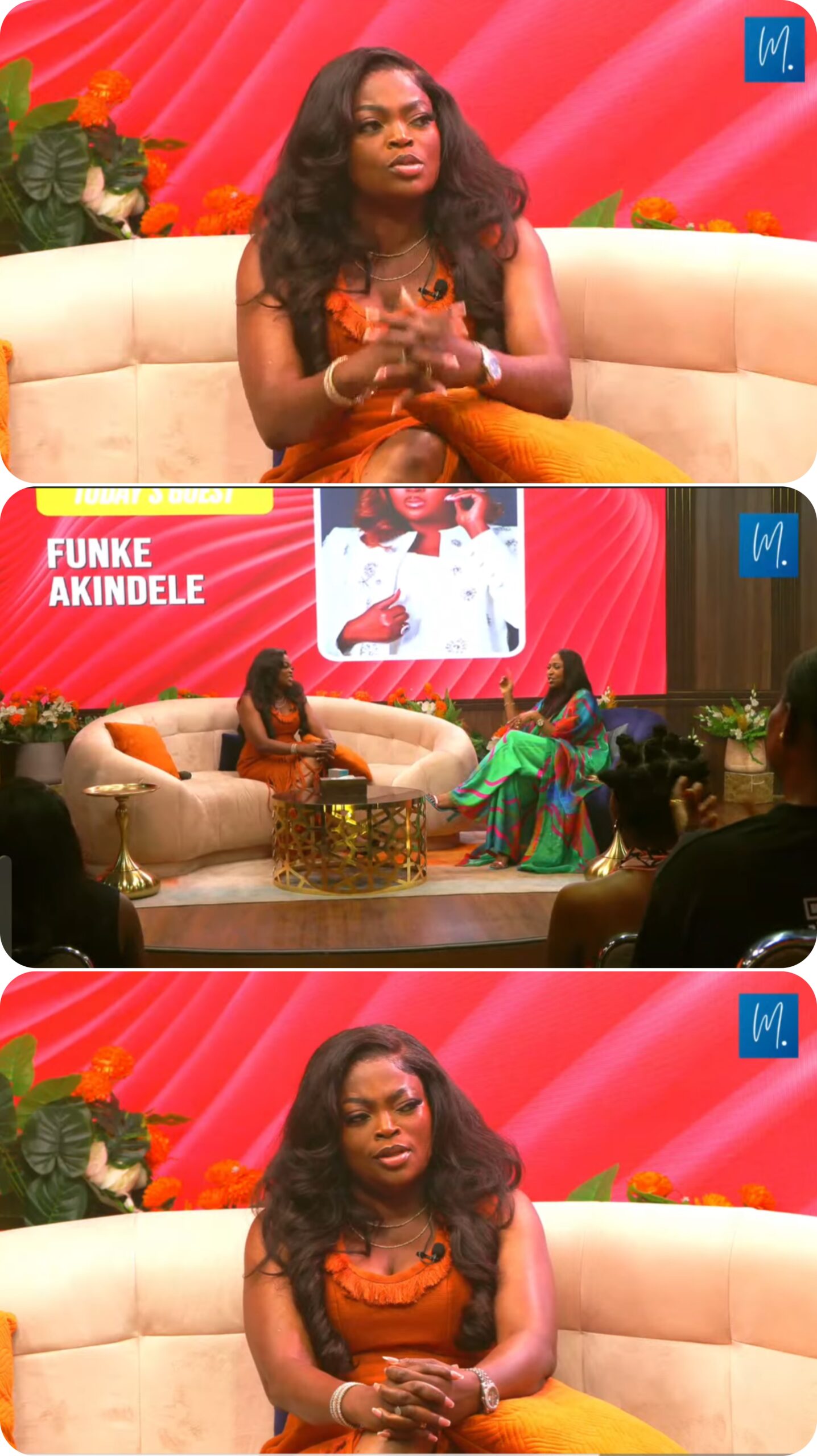
The conversation that sparked renewed attention to Funke Akindele’s personal philosophy emerged from a recently released episode of The Morayo Show, hosted by media personality, Morayo Afolabi-Brown. The episode was released on April 1.
In the interview, Akindele offered a candid self-assessment, describing herself as “an extremist” in relationships. The Box Office Queen said she is someone who loves deeply but can also cut people off completely when hurt.
“I’m an extremist. I love so hard. I’m not perfect,” she admitted. She acknowledged a pattern of operating at emotional extremes by either being fully invested or entirely withdrawn.
Her remarks came in response to observations about her interpersonal style, particularly how she navigates friendship, loyalty, and conflict. While she did not shy away from owning this trait, Akindele made it clear she is actively working toward balance, noting that such an approach is both a strength and a flaw.
Crucially, she revealed that this long-standing mindset had been challenged by actor Uzee Usman, who confronted her tendency to “shut every door” on people. According to her, he reminded her that as a leader, she must learn to accept people as they are, rather than expect total closure in every conflict.
That moment, she suggested, marked a turning point for her. She added that it prompted her to reflect on a behaviour she admits she is still learning to manage.
The Turning Point: Who Uzee Usman Is & How He Comes In
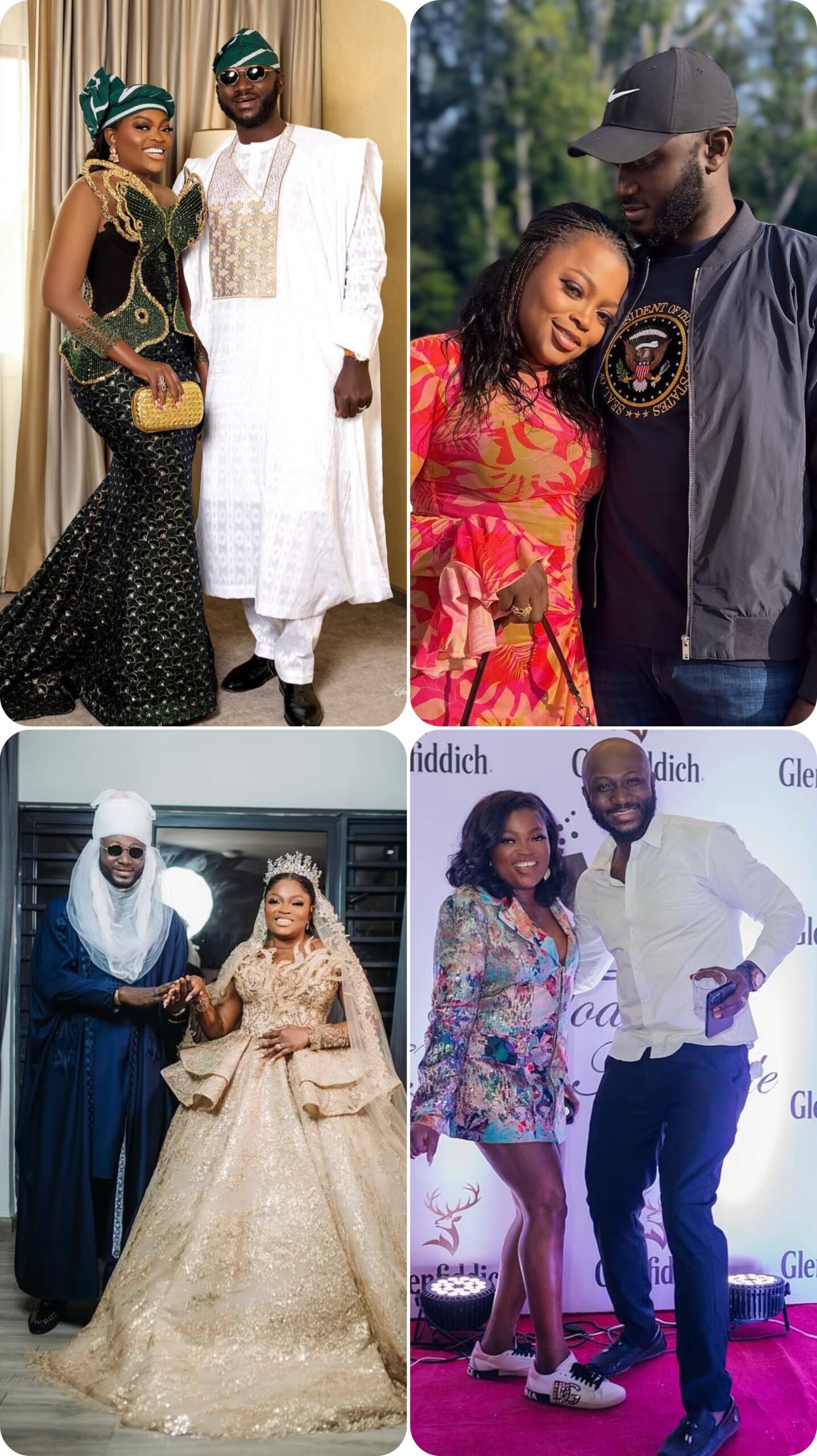
To understand the weight of that advice, it is important to consider the voice behind it. Uzee Usman is not just a colleague within the industry, but a seasoned Nollywood actor and filmmaker whose career spans both Kannywood and mainstream Nollywood productions.
Born in 1986, Usman has built a reputation as a versatile actor and producer, with credits in films such as A Tribe Called Judah, where he worked closely with Funke Akindele.
It was through this professional collaboration that their relationship evolved. By his own account, they were not initially close, but became significantly closer after working together. This experience, he says, exposed him to Akindele’s leadership style and personal approach to relationships.
That proximity is what gives his words relevance.
In the now-viral interview, Funke Akindele revealed that Usman did not speak to her as an outsider, but as someone who had observed her closely. He “sat [her] down,” she said, and offered a perspective rooted in both respect and responsibility, reminding her that as a leader, she could not afford to shut people out entirely.
He stated that not every disagreement should lead to a closed door, and leadership sometimes requires accepting people as they are, rather than reacting from hurt. In her words:
“I am not proud of that, and I am proud of it. There must be a balance.
I am an extremist… I love deeply, I am real, and I am open. I am not perfect, and I can be troublesome. My mother, when she was alive, used to tell me that people can’t be like me. They can’t be as fast or as sharp and that I should calm down.
“I thank God for someone like Uzee Usman in my life. There was a day he sat me down while I was complaining about people’s behaviour. He told me that I am a leader and that I should accept people as they are.
For the first time, I sat quietly. I left my food, almost in tears, because what he said was true. I told him I would try to manage.”
Akindele noted that human relationships are very important to her, and she is still learning every day. However, no matter what happens, she always prioritizes her mental health. She added:
“Human relationships are very important to me, and I am learning every day. But no matter what happens, my mental health is paramount.”
Why This Matters: The Premiere Moment That Reignited Old Narratives
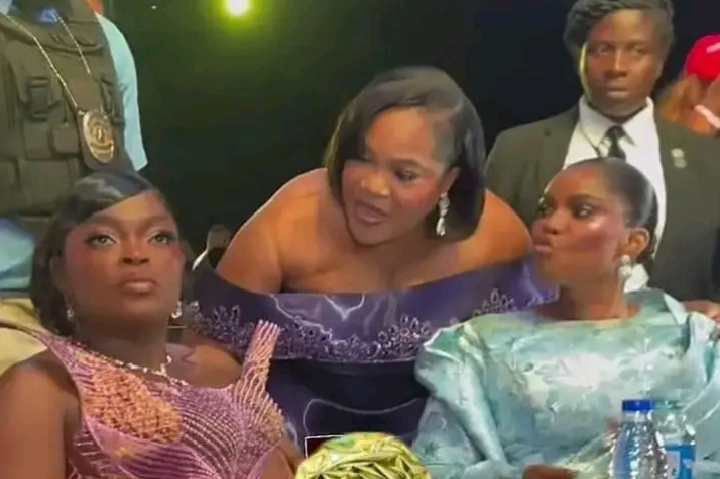
The significance of Funke Akindele’s mindset shift extends beyond a single interview. It comes at a time when public scrutiny around her relationships has intensified, following a widely circulated moment at a high-profile Nollywood event.
On March 29, at the premiere of The Return of Arinzo, hosted by Iyabo Ojo in Lagos, an interaction between Funke Akindele and Toyin Abraham quickly went viral.
The brief moment sparked widespread debate online, with many interpreting it as a deliberate snub, while others suggested it may have been misread in the chaos of a crowded premiere.
The incident did not occur in isolation. According to Iyabo Ojo, tensions between the two actresses had previously resurfaced in December 2025, following disputes tied to cinema performance claims and fan-driven speculation, despite earlier reconciliation efforts.
Her remarks further revealed that attempts had been made behind the scenes to maintain peace, but underlying friction remained.
And it is precisely within this atmosphere that Funke Akindele’s comments about being an “extremist” and learning not to cut people off entirely take on added meaning. It offered a glimpse into how she may now be navigating relationships under intense public scrutiny.
Conclusion
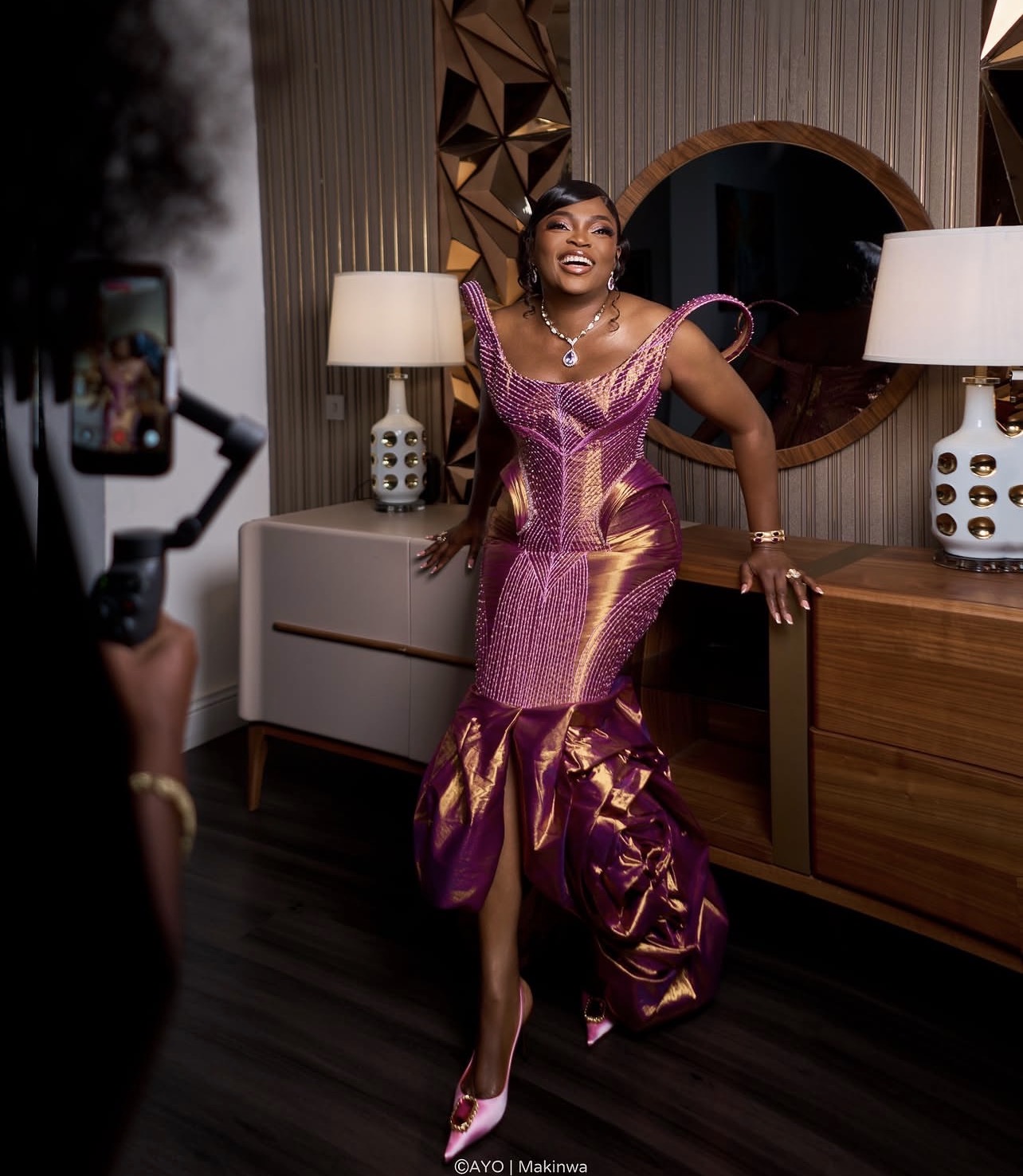
Taken together, Funke Akindele’s candid admission and the timing of recent public moments offer more insight into the kind of person she is. By her own account, the instinct to cut people off completely is one she is learning to unlearn, replacing it with a more measured approach shaped by reflection and influence, particularly from Uzee Usman.
For an industry often defined by perception, rivalry, and fleeting alliances, that shift is significant. It suggests a move away from reactionary decisions toward intentional boundaries. Hopefully this new reflection helps she and Toyin Abraham navigate any perceived issues on ground.
Ultimately, beyond the headlines, her message lands on a universal note, that growth is not always about who you remove from your life. Rather, growth is how you choose to engage, step back, and draw the line.