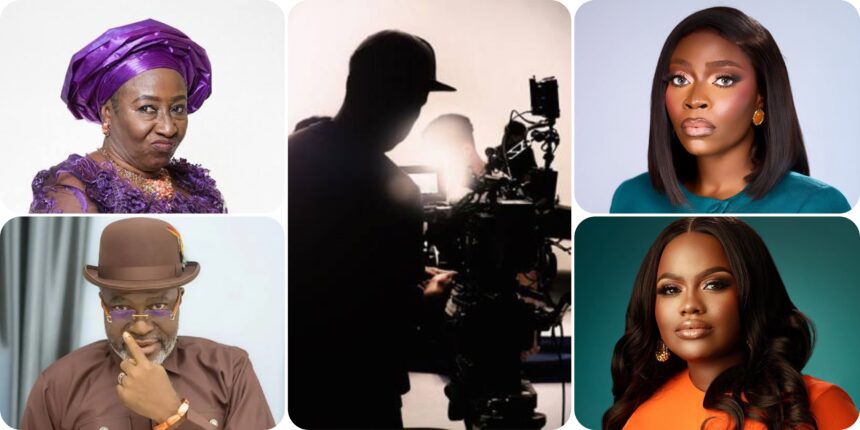
For decades, Nollywood ran on a simple, unspoken agreement where actors showed up, delivered their lines, got paid and moved on.
No contracts that paid you twice. No cheques arriving years later. No system that remembered your face once the credits rolled.
But somewhere between the rise of streaming platforms and the quiet struggles of its earliest stars, that agreement began to crack.
Now, some of Nollywood’s most respected veterans are asking a question that cuts deeper than money: what happens when the industry forgets the people who built it?
And in a twist few expected, the loudest resistance is not coming from executives or studios, but from within the same industry, where a new generation sees the issue very differently.
The Spark: Veterans Speak Out
The question about royalties has now found its way to the centre of Nollywood’s latest and most uncomfortable conversation.
Recently, some of the industry’s most recognisable veterans have begun speaking openly about what they describe as a long-standing gap in how actors are compensated. They claim this style leaves even its most celebrated faces with little to show for decades of work.
At the heart of it is a simple but jarring reality that unlike more structured film industries, many Nollywood actors are paid once for their roles, with no residual income even when those films continue to generate money years later across television, streaming platforms, and other distribution channels.
For veterans like Patience Ozokwor and Kanayo O. Kanayo, that system has real consequences. Here’s what they had to say:
Patience Ozokwor: ‘Where Are the Royalties?’
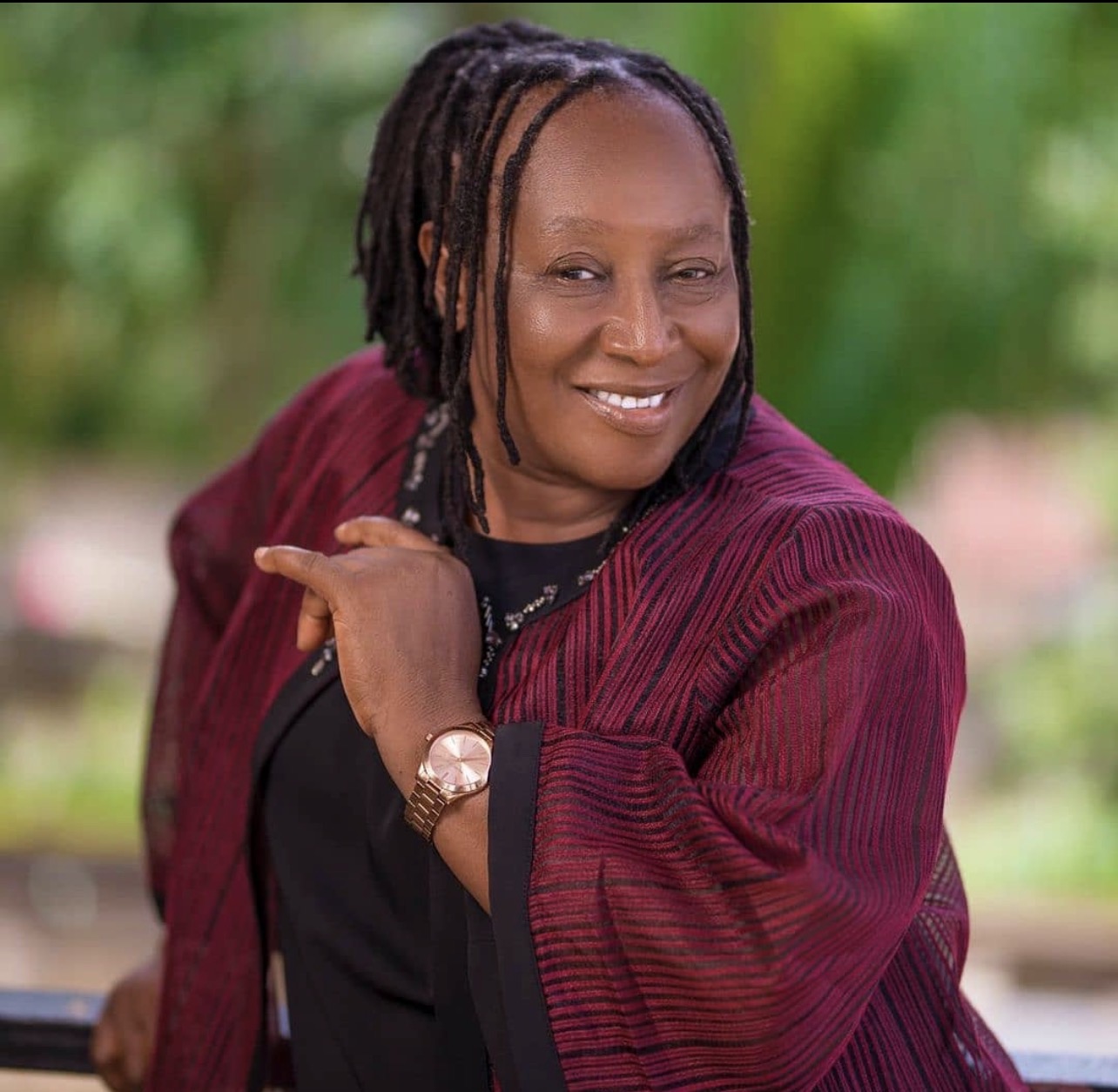
In a recent interview released on April 4, 2026 on the Curiosity Made Me Ask podcast with Isbae U, Patience Ozokwor laid bare what she believes is the real reason many Nollywood veterans struggle financially. According to her, it is the absence of royalties.
At the core of her argument is a system she says has remained unchanged for decades. Actors, she explained, are paid just once for their work, no matter how successful a film becomes afterward. She said:
“The reason why Nollywood actors and actresses are poor is because we don’t get royalties for what we do; we only get paid for our appearance at the shoot.”
For Patience Ozokwor, the implications of that structure, asides missed income is that they shape the long-term reality of the lives of actors.
According to her, this one-time payment system leaves many with nothing to fall back on later in life, especially when they are no longer active. She continued:
“Why you see us beg is that they don’t give us royalties. We just work and toil so hard, and that peanut you gave us to come on board and shoot is what we get.”
To underscore her point, she drew a sharp comparison with more developed film industries, where actors continue to earn from their past work long after production ends. Patience Ozokwor added:
“Go and look at the smallest actors in developed countries. Every work they do fetches them money every day of their lives.“
In those systems, she noted, the benefits extend even beyond the actors themselves, saying:
“Even when they are gone, their families still live on that. We, we are still working hard.”
But beyond comparison, Ozokwor also pointed to how the gap is already reshaping behaviour within Nollywood itself. She shared:
“That’s why everyone is running to YouTube.”
In her view, the industry has evolved from its early days when films were largely funded by struggling marketers, yet the compensation structure has not kept pace. She revealed:
“People who sponsor movies were struggling people, marketers, and things like that. That one is past because all of us are now on YouTube and other platforms and we are still fighting.”
Still, she acknowledged that royalties are only part of a broader financial challenge, noting that lifestyle pressures within the industry also make it difficult for many actors to build long-term security.
But while Ozokwor’s remarks framed the issue as a lived reality for many ageing actors, another veteran voice would take the conversation a step further, shifting it from personal experience to a call for structural change.
Kanayo O. Kanayo: A Call for Structural Change
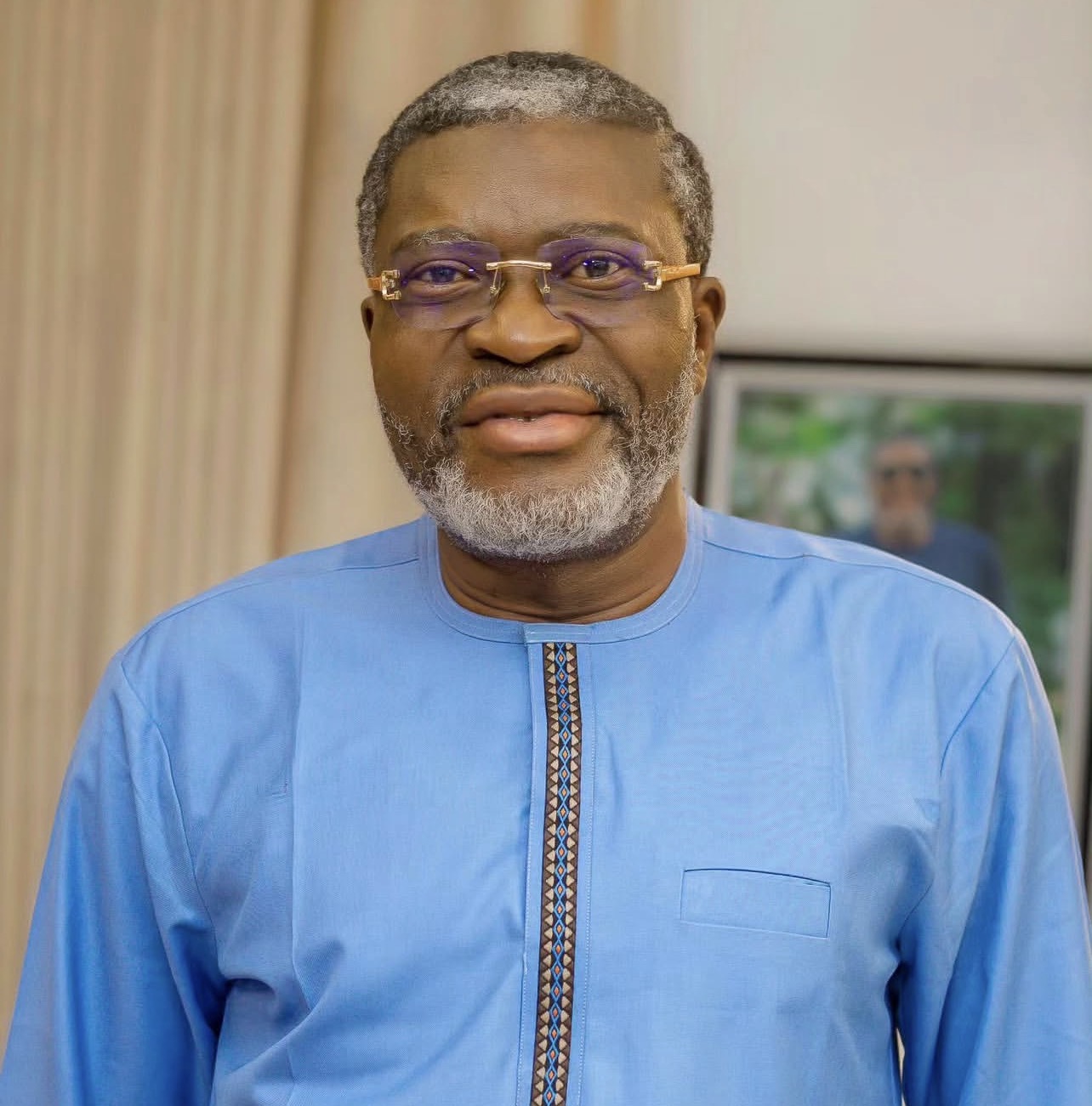
Also in April 2026, Kanayo O. Kanayo took a more formal step into the ongoing royalties debate. He moved beyond personal grievances to push for structural change within the industry.
Rather than simply echo concerns, the 64-year-old submitted a proposal to the Actors Guild of Nigeria, arguing that Nollywood’s current payment model is no longer sustainable for actors in a rapidly evolving market.
At the centre of his position is a call for lifetime residuals.
Like many veterans, Kanayo believes the long-standing system where actors are paid once and never earn again from the same project, is at the root of the financial struggles many face later in life. But unlike earlier calls framed largely in emotional terms, his argument is grounded in reform.
To address this, he is advocating for a legal framework that would guarantee actors continuous earnings from their work, particularly as films find new life on streaming platforms.
However, for Kanayo, legislation alone is not enough.
He proposed the creation of a dedicated regulatory body to monitor and enforce royalty payments, acknowledging that without proper oversight, even well-intentioned reforms could fail in practice.
His critique also extends to streaming platforms, which he sees as central to the new economics of Nollywood.
As major distributors of Nigerian content, he argued, these platforms must take greater responsibility by implementing automated systems that ensure actors receive residual payments over time.
But even beyond royalties, Kanayo used the moment to spotlight deeper structural concerns within the industry.
He criticised what he described as an over-reliance on a small circle of familiar faces on YouTube. He believes the approach limits opportunities for emerging talent while creating a misleading sense of industry growth.
He also cautioned against casting decisions driven by popularity rather than performance, urging filmmakers to prioritise craft over social media influence.
But while Kanayo’s proposal signalled a push toward institutional reform, it also exposed a growing divide within Nollywood that would soon draw a response from a new generation of actors and filmmakers who see the issue very differently.
THE PUSHBACK: A DIFFERENT GENERATION, A DIFFERENT REALITY
Bolaji Ogunmola: The Case for Ownership & Investment

On April 7, 2026, Bolaji Ogunmola introduced a sharply different perspective to the Nollywood royalties debate. She reframed long-term earnings as a function of shared financial risk.
Rather than argue for guaranteed residuals, she proposed a more pragmatic “backend” model, where actors earn from a film’s success only if they invest in it from the outset.
In her view, actors seeking royalties should be willing to reduce their upfront fees or forgo them entirely, in exchange for a percentage of the profits. She wrote:
“If you want royalties, back end. Put your money in the film. Negotiate a slashed fee or nothing at all for a percentage. Put body joor. Let’s all enjoy the benefit of the hard labour.”
At its core, her argument is about shared responsibility.
For actors to benefit from a project’s long-term success, she suggested, they must also participate in the financial risk that producers typically shoulder alone.
But Ogunmola’s intervention did not stop at industry structure, it extended to audience behaviour as well.
She called out the role piracy continues to play in undermining the very system many are trying to fix, arguing that demands for better compensation ring hollow when films are consumed through illegal channels. She continued:
“You can’t want lifetime royalties for actors and still be watching their film on pirated platforms now!!!! Ejoor now!!!! Please… help us. Moviebox / Telegram is not the place to watch Nigerian content. Help us.”
In doing so, she broadened the conversation beyond actors and producers, placing part of the responsibility on viewers whose choices directly affect industry revenue.
Even as she pushed back, Ogunmola also struck a conciliatory tone, urging for more constructive engagement around the issue. She added:
“One thing I find very jarring here is the first reaction to something you don’t agree with is insults… Dialogue first always.”
As both an actress and a producer, her stance reflects a dual perspective shaped by performance as well as the realities of funding, distribution, and return on investment in a still-maturing industry.
If Ogunmola’s argument centres on shared risk at the individual level, filmmaker Jade Osiberu pushes the conversation even further. She questions whether Nollywood, as currently structured, can sustain the kind of royalty system veterans are demanding.
Jade Osiberu: The Economics of Modern Nollywood

On April 6, 2026, Jade Osiberu brought a sharper and deliberately provocative edge to the royalties debate, shifting the conversation away from entitlement and firmly toward risk.
Reacting to calls for lifetime royalties, she turned to sarcasm to underscore what she sees as a fundamental imbalance in the conversation, especially the expectation of profit-sharing without loss-sharing. She wrote:
“I agree jare. I think the association should also implement a law that when a producer makes losses on a project, all the actors and crew come together to contribute to cover the losses incurred…”
Her point, though exaggerated, was clear, that if actors expect to benefit from a film’s long-term success, should they not also bear responsibility when it fails?
She later clarified that the comment was intentionally sarcastic, aimed at exposing the complexity of the issue rather than dismissing it outright. She continued:
“By the way, I’ve put it here sarcastically… The conversation has some nuance… filmmaking is one of the most capital-intensive art forms… Any single player just looking to earn without thinking about the whole value chain and ecosystem needs to settle down and really learn about their industry.”
In doing so, Osiberu reframed the debate as one that cannot be reduced to fairness alone, but must also account for how the business of filmmaking actually works.
She pointed to structural limitations within Nollywood that make a Hollywood-style royalty system difficult to implement. Chief among what she named, is the heavy upfront investment required to produce films and the absence of reliable systems to track and distribute long-term earnings.
To illustrate this, she drew a distinction between film and music, which are two industries often compared, but fundamentally different in how they generate revenue. She added:
“Music streaming and film streaming are not the same. Music platforms don’t pay upfront, they pay per performance. Film streaming companies often pay upfront licensing fees.”
That distinction, she argued, directly affects how risk is distributed.
On platforms like YouTube, revenue is performance-based: success determines earnings, and creators bear much of the uncertainty. Jade Osiberu revealed:
“YouTube already has a model where it pays creators by performance… If your film does well, you get paid more. If it doesn’t, you get paid less or nothing at all.”
By contrast, platforms like Netflix typically pay upfront, assuming the bulk of the financial risk themselves. She added:
“Netflix… takes on 100% of the risk… If you want a performance-based conversation, you also have to have some skin in the game.”
To further ground her argument, she pointed to Hollywood deal structures, referencing projects where actors and producers negotiate backend bonuses, often in exchange for reducing upfront costs and lowering financial risk for studios.
For Osiberu, the takeaway is straightforward: participation in long-term profit is rarely unconditional, it is negotiated, calculated, and tied to risk.
Her position ultimately circles back to a single idea that until actors are willing to engage with both the upside and the downside of filmmaking, and understand the economics that drive it, a blanket system of lifetime royalties may remain more aspirational than practical in Nollywood.
Between the emotional urgency of veterans demanding long-overdue compensation and the pragmatic resistance of a new generation focused on sustainability, Nollywood finds itself at a crossroads, forced to confront not just how it pays its actors, but how it defines value in an industry still coming into its own.
Conclusion
What began as a call for fairness has quickly evolved into something more complex: a reckoning with how Nollywood works and who it ultimately works for.
On one side are veterans like Patience Ozokwor and Kanayo O. Kanayo, asking for a system that recognises not just their labour, but their legacy. On the other are voices like Bolaji Ogunmola and Jade Osiberu, insisting that any promise of long-term reward must be matched by a willingness to share in risk.
Between them lies an industry still defining its rules, caught between past practices and future possibilities.
Whether Nollywood adopts royalties, expands profit-sharing models, or builds something entirely new, one thing is clear: the conversation is no longer just about what actors are owed, but about what the industry can realistically sustain.
And in that tension may lie the blueprint for its next evolution.