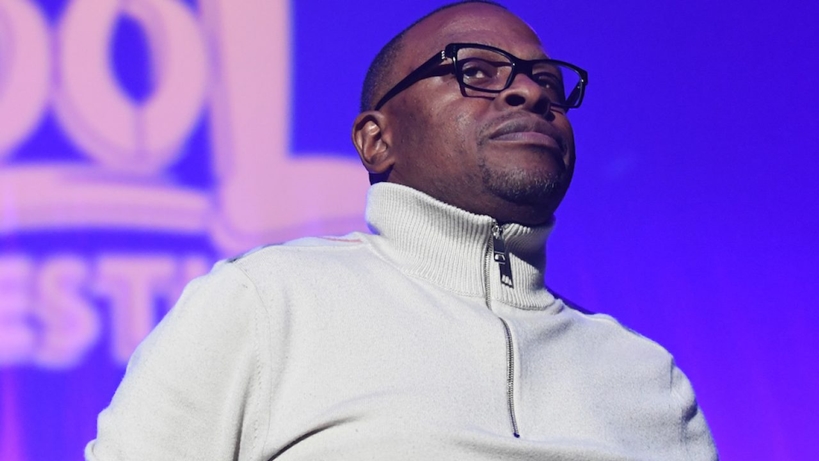
A quiet conversation turned loud the moment Taiwo Hassan known as Ogogo chose to speak without filters about a topic many prefer to whisper about behind closed doors. His words did not come wrapped in moral panic or outrage, instead they carried the weight of lived experience shaped by decades inside theatre culture. What followed was not just a viral moment but a deep cultural clash between old industry realities and modern expectations that now demand stricter lines between power and intimacy.
This subject does not sit in a simple box of right or wrong because it touches human emotions, ambition, vulnerability, attraction, survival, and authority all at once. That complexity is exactly what makes Ogogo’s stance both relatable to some and deeply uncomfortable to others. His voice did not create the issue, it simply dragged it into full public view where it could no longer hide in shadows.
The Moment That Sparked Debate
The conversation gained traction in early April 2026 during an interview with Feelrightnews that quickly circulated across social platforms, drawing attention from both industry insiders and everyday viewers. Ogogo spoke calmly about relationships between senior actors and apprentices, describing them as something that has existed for years without the dramatic framing many attach to it today.
What made his statement stand out was not just what he said but how he said it. There was no attempt to distance himself from the reality or to paint it as rare. Instead he acknowledged it as part of the environment many grew up in within theatre spaces. That honesty became the trigger point for a wider debate that stretched beyond Nollywood into conversations about workplace ethics across different industries.
Ogogo’s Core Position
Ogogo’s central idea rests on a simple belief that adults should have the freedom to choose their relationships without interference as long as there is no force involved. His words leaned heavily on the concept of mutual agreement, placing consent at the center of his argument.
He did not frame these relationships as inherently harmful or exploitative, rather he suggested that problems arise only when power is abused or when one party is pressured into something they do not truly want. From his perspective the relationship itself is not the issue, the intention behind it is what determines whether it becomes harmful.
This viewpoint reflects a generational mindset shaped in a time when personal boundaries were less formally defined within creative spaces. It also reveals how experiences from earlier years continue to influence how some veterans interpret modern concerns.
Hidden Culture Brought Into Light
What many described as shocking was treated by Ogogo as familiar ground. He spoke of romantic connections within theatre groups as something that develops naturally due to proximity and shared experiences. Long rehearsals, constant interaction, emotional performances, and admiration for talent often create bonds that extend beyond professional lines.
That environment makes it easy for relationships to form quietly without public attention. These are not always calculated moves or strategic decisions, sometimes they grow from simple human connection built over time. Ogogo’s perspective suggests that labeling such relationships as secret scandals ignores the natural closeness that comes with creative collaboration.
His comments did not celebrate secrecy, they simply acknowledged that not everything happening behind the scenes is driven by manipulation or hidden agendas.
Attraction Within Power Spaces
Ogogo highlighted a truth many hesitate to admit openly which is that admiration plays a strong role in shaping relationships within the industry. Younger actors often look up to established figures, not just for guidance but also for the aura that comes with success and recognition.
That admiration can easily transform into emotional interest, especially when combined with daily interaction and mentorship. From his account, this dynamic has existed since his early years when theatre groups attracted people who were drawn not only to acting but also to the personalities leading those spaces.
This does not automatically make every relationship questionable, but it does introduce a layer of complexity that cannot be ignored. Attraction in such settings is rarely neutral because it is influenced by status, visibility, and perceived opportunity.
The Controversial Claim
Perhaps the most debated part of his statement was the suggestion that some apprentices intentionally enter the system with the hope of forming romantic connections with their mentors. This idea challenges the common narrative that places all responsibility on those in positions of authority.
Ogogo implied that interest can come from both sides, making the situation less one sided than many assume. While this perspective adds nuance, it also raises concerns about how intentions are interpreted and whether such dynamics can ever be fully balanced.
Critics argue that even if an apprentice shows interest first, the responsibility still lies heavily on the senior figure to maintain boundaries because of the influence they hold. This tension between mutual interest and unequal power remains at the heart of the debate.
Power Dynamics Under Scrutiny
One cannot discuss this topic without confronting the reality of power imbalance. Senior actors often control access to opportunities, recommendations, and visibility within the industry. That influence creates a situation where even a seemingly voluntary relationship may carry unspoken pressure.
An apprentice might agree to a relationship not out of genuine desire but from fear of missing out or damaging their career path. This possibility makes it difficult to define true consent in such environments.
Ogogo’s argument focuses on absence of force, but modern perspectives push further by questioning whether consent can exist freely when one person holds significant control over the other’s future. This is where the clash between traditional views and contemporary ethics becomes most visible.
Professional Boundaries At Risk
Another major concern raised by critics centers on professionalism. Mixing mentorship with romance can blur lines that are necessary for a healthy working environment. Favoritism may emerge, decisions could become biased, and team dynamics might suffer as a result.
Colleagues may begin to question whether roles are earned based on talent or influenced by personal relationships. This uncertainty can create tension within production spaces and weaken trust among team members.
Ogogo’s stance does not dismiss these risks but does not emphasize them either. His focus remains on individual choice rather than institutional impact, which is why many believe his perspective does not fully address the broader consequences.
Old School Reality Versus Modern Expectations
The divide in reactions reflects a larger shift happening across industries worldwide. Older systems often operated on informal rules where personal relationships were considered part of the experience rather than a professional concern.
Modern standards however demand clearer boundaries, accountability, and structures that protect individuals from potential exploitation. This shift is driven by increased awareness of workplace rights and the long term effects of unchecked authority.
Ogogo speaks from a place shaped by the past, while his critics respond from a framework built on present day values. Neither side exists in isolation, and understanding this difference is key to making sense of the ongoing debate.
Emotional Complexity Behind The Debate
Beyond policies and principles lies the human element that makes this issue deeply complicated. Relationships are not always strategic or calculated, they are often driven by feelings that do not follow professional guidelines.
People connect, emotions grow, and boundaries can become blurred without deliberate intention. This reality makes it difficult to create rigid rules that apply perfectly in every situation.
At the same time, emotional connection does not erase responsibility. Those in positions of power carry an added burden to ensure that their actions do not harm others, even unintentionally. Balancing human emotion with ethical responsibility remains one of the toughest challenges in this conversation.
Industry Reflection
Nollywood operates within a system where mentorship plays a crucial role in shaping careers. Apprentices rely on guidance, exposure, and support from experienced actors to navigate the industry.
This structure creates close relationships that can easily extend beyond professional boundaries. It also places significant influence in the hands of those at the top, making their decisions impactful on multiple levels.
Ogogo’s comments serve as a mirror reflecting how things have functioned for years, while the public reaction signals a desire for evolution. The industry now finds itself at a crossroads where it must decide how to balance tradition with accountability.
Closing Thought
This conversation is not about painting individuals as right or wrong, it is about understanding the layers beneath a reality that has long existed without scrutiny. Ogogo did not introduce a new issue, he simply gave it a voice that could no longer be ignored.
The real question is not whether such relationships exist, that has already been answered. The deeper question is how they should be handled in a way that respects both personal freedom and professional integrity.
A path forward requires more than opinions, it demands clear guidelines, self awareness, and a willingness to adapt. Until then, the tension between consent and power will continue to shape this debate, leaving the industry to confront truths it can no longer hide from.