As Nigeria gradually moves toward the 2027 general elections, more celebrities are stepping into politics, especially in the race for legislative seats. What used to be a space mostly dominated by career politicians is now attracting actors, entertainers, and socialites who are hoping to turn their popularity into political influence.
From veteran actress Foluke Daramola-Salako’s grassroots campaign in Lagos to Nollywood star Zubby Michael’s youth-focused movement in Anambra, many public figures are now trying to secure seats in the National Assembly and state assemblies. Their growing involvement is changing the face of political campaigns, especially in the social media era where celebrity influence carries serious weight.
From Screen to the Ballot: The Top Celebrity Contenders
The move from entertainment into politics is happening in different ways. Some celebrities are relying on years of activism and political relationships, while others are using their fanbase and online popularity to connect with voters.
Foluke Daramola-Salako: The Grassroots Veteran
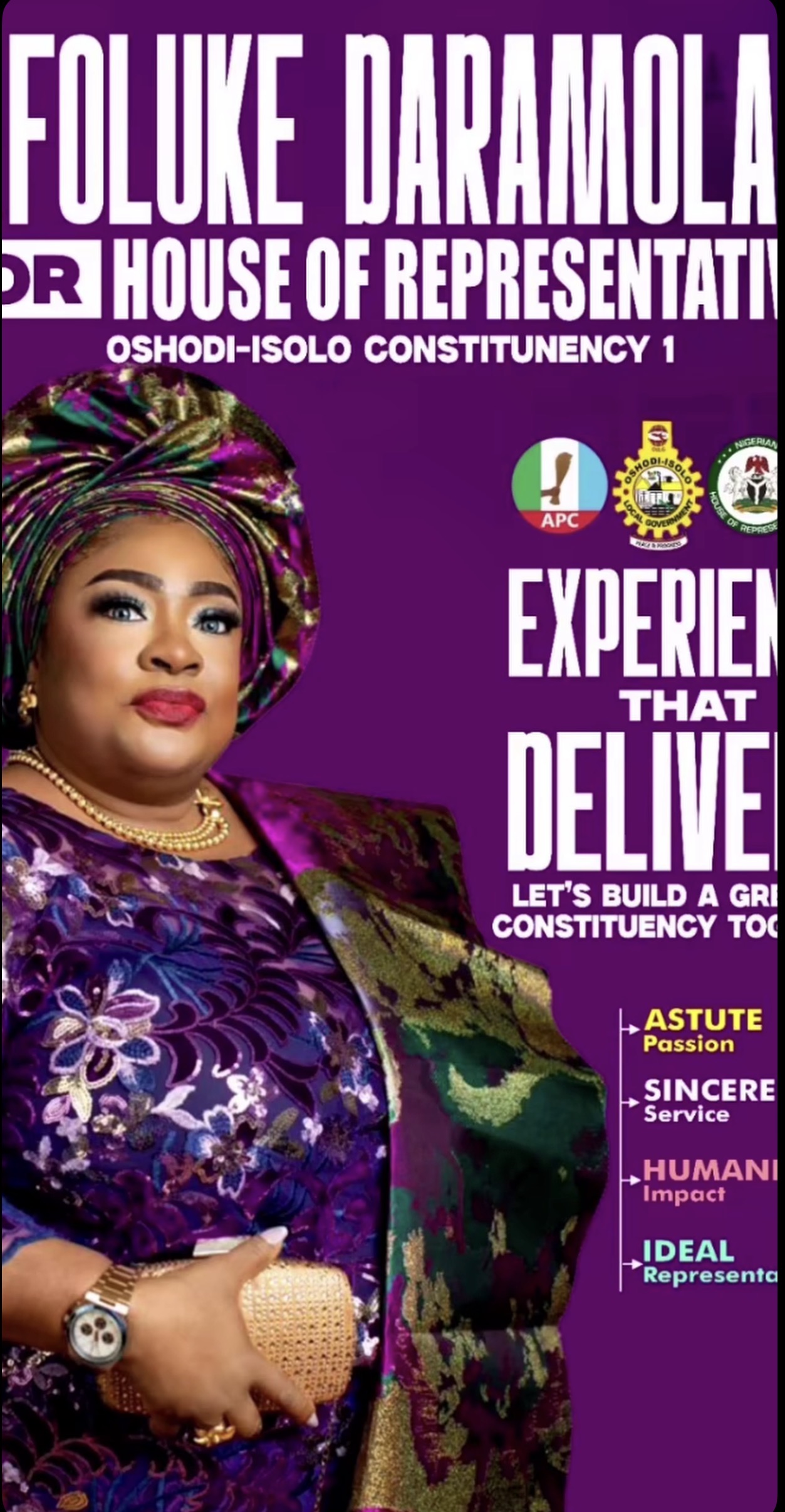
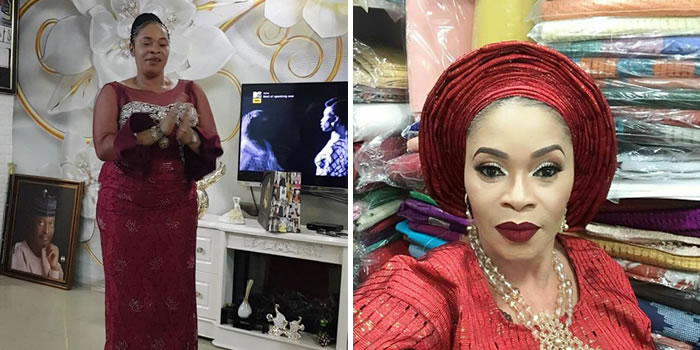
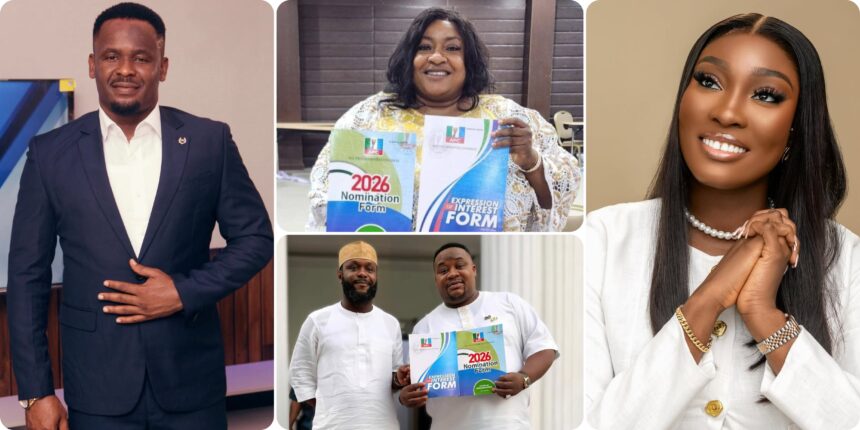
Veteran Nollywood actress and filmmaker Foluke Daramola-Salako is one of the biggest celebrity names currently eyeing a legislative seat. Running under the All Progressives Congress (APC), she has picked up her nomination and expression of interest forms to contest for the Oshodi-Isolo Federal Constituency 1 seat in the House of Representatives.
Unlike some first-time political hopefuls, Daramola-Salako already has years of experience in advocacy and social causes. Her campaign focuses strongly on grassroots mobilization, with emphasis on workers’ rights and protection for vulnerable groups. She is presenting herself not just as an actress, but as someone with experience speaking up for ordinary Nigerians.
Zubby Michael: The Pop-Culture Maverick
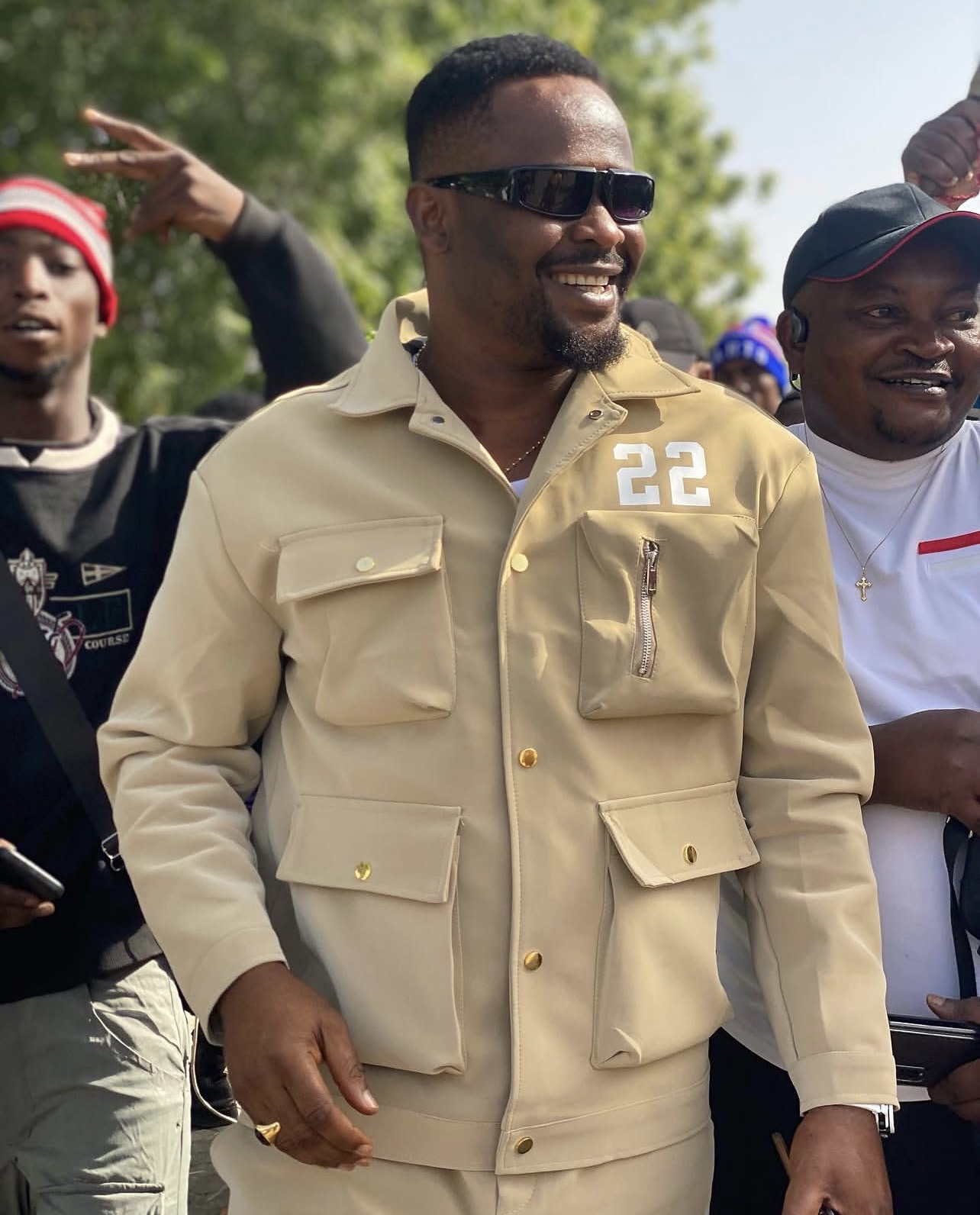
In Anambra State, Nollywood action star Zubby Michael is taking a different approach. Contesting under the African Democratic Congress (ADC), he is seeking to represent the Nnewi North/Nnewi South/Ekwusigo Federal Constituency.
Rather than relying on traditional political structures, Zubby Michael’s campaign is heavily driven by social media engagement and youth support. He has taken his campaign directly to his local ward, positioning himself as a fresh alternative to career politicians. His popularity among younger Nigerians could play a major role in shaping his political journey.
Rotimi Makinde: The Return of the Experienced Lawmaker
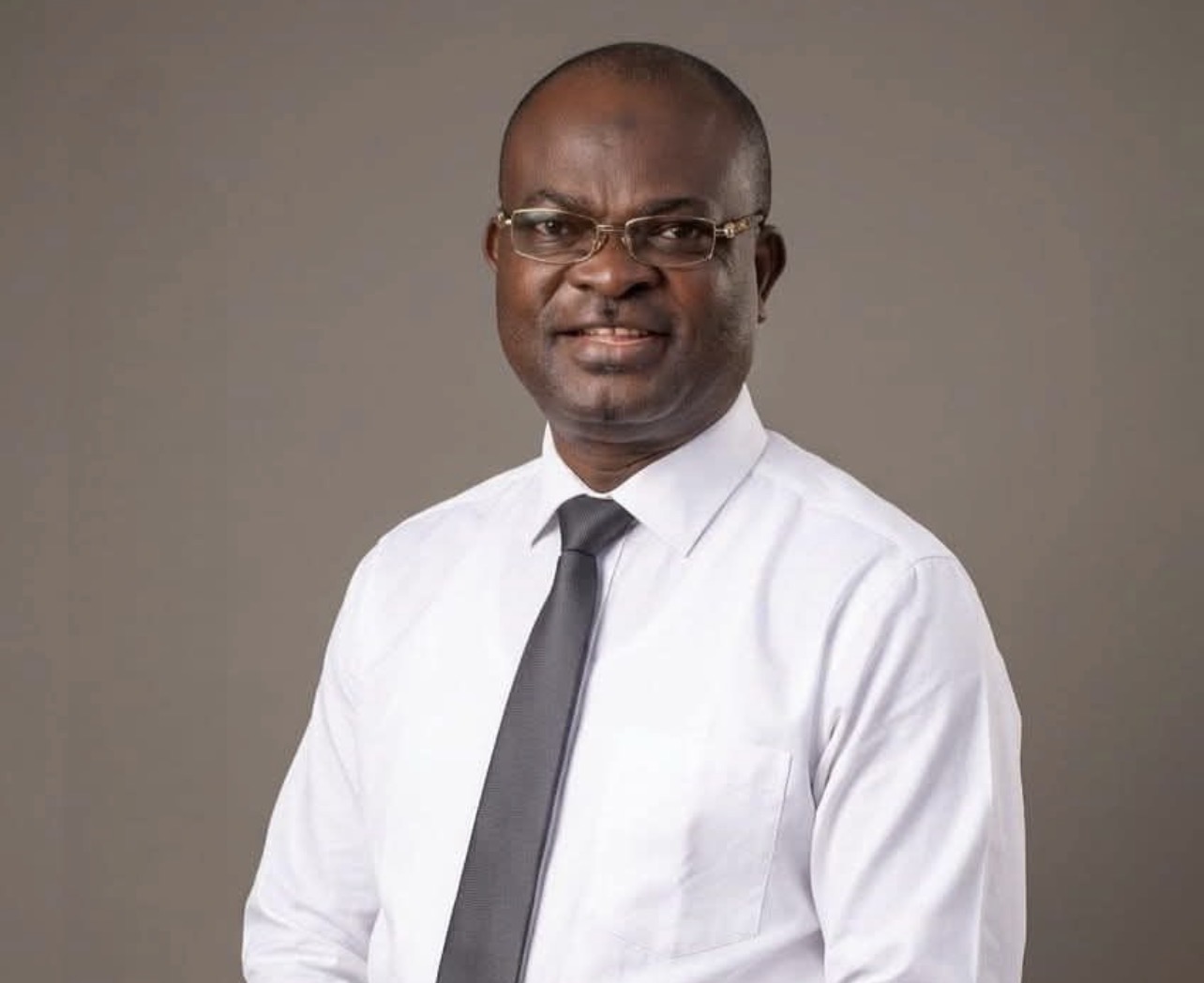
While some celebrities are entering politics for the first time, actor Rotimi Makinde is trying to make a comeback. Running under the APC in Osun State, he is contesting for the Ife Federal Constituency seat.
Makinde already has experience in the National Assembly, having previously served as a lawmaker. His campaign combines celebrity recognition with actual legislative experience, which may give him an advantage over newer entrants into politics.
The celebrity push into politics is no longer limited to actors alone. Influential names from Nigeria’s nightlife, business, and entertainment families are also joining the race, bringing their personal brands and family influence into the political space.
Cubana Chief Priest: The High-Stakes Socialite
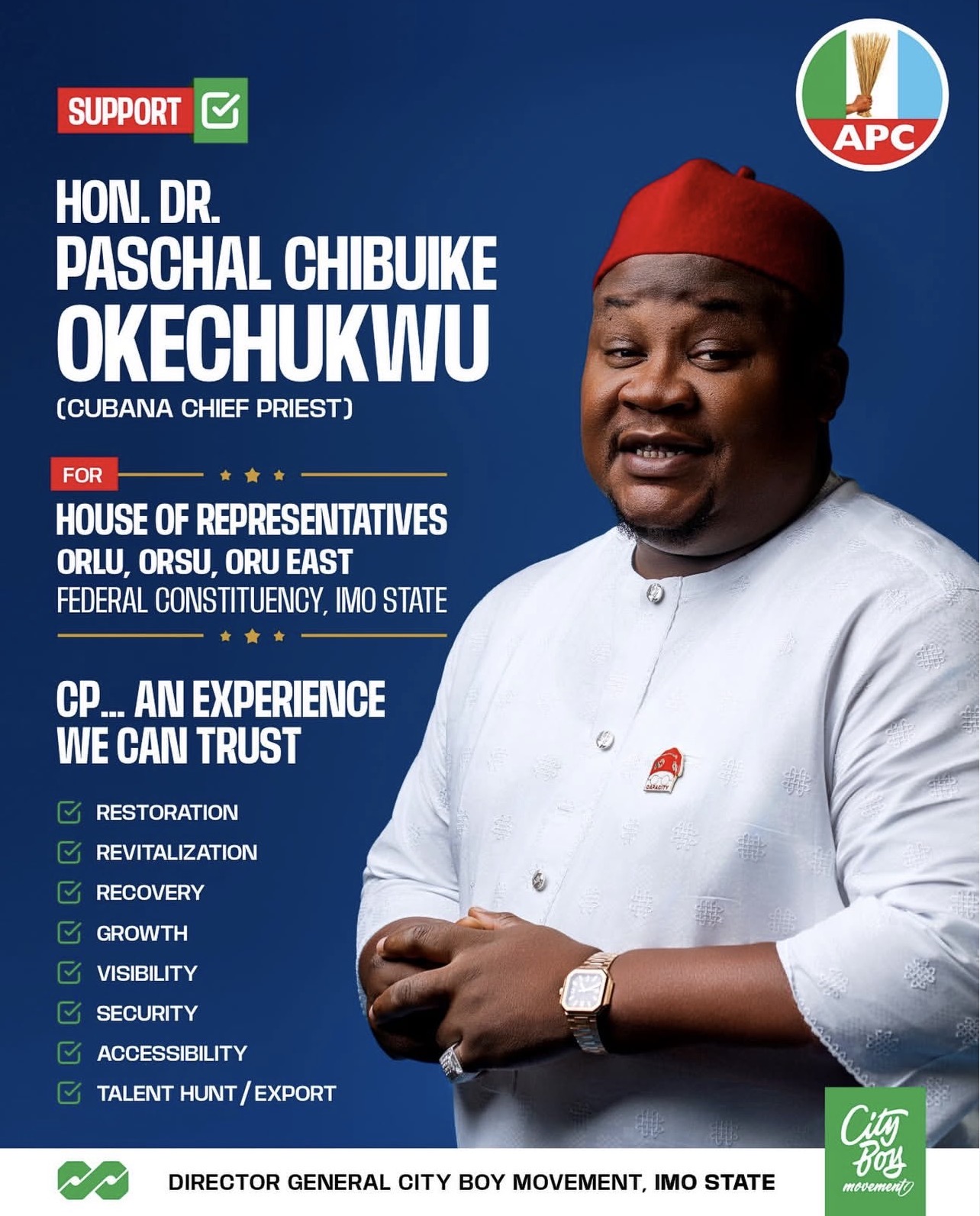
Celebrity barman and socialite Pascal Chibuike Okechukwu, popularly known as Cubana Chief Priest, has also shown interest in politics ahead of 2027. His political moves became more visible after openly supporting the pro-Tinubu “City Boy Movement.”
He is reportedly building political influence around the Orsu/Orlu/Oru East Federal Constituency in Imo State. However, his journey highlights one major reality in Nigerian politics: popularity online does not always translate to acceptance within political structures. His public political positions have faced criticism from some grassroots voters and party insiders, showing that social media fame alone may not be enough to secure political success.
Ike Cubana: The APGA Shift
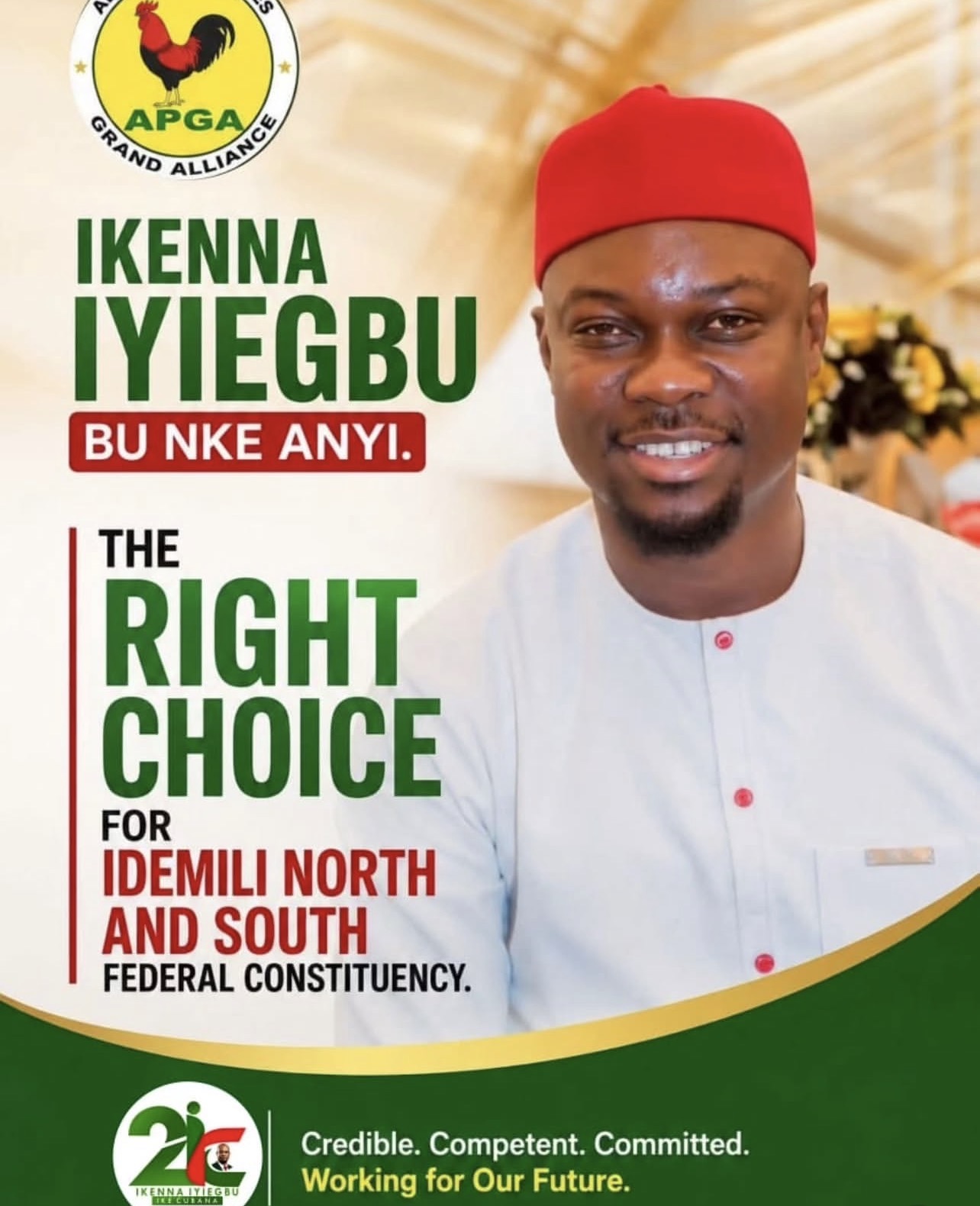
In neighbouring Anambra State, businessman Ikenna Iyiegbu, widely known as Ike Cubana and brother to billionaire businessman Obi Cubana, has officially declared his interest in the House of Representatives race.
Running under the All Progressives Grand Alliance (APGA), Ike Cubana wants to represent the Idemili North and South Federal Constituency. His campaign adds another interesting layer to the growing relationship between celebrity culture and politics, especially as he works to build support despite political differences and party-related challenges.
Damilola Marshal: The Fuji Dynasty Enters the House
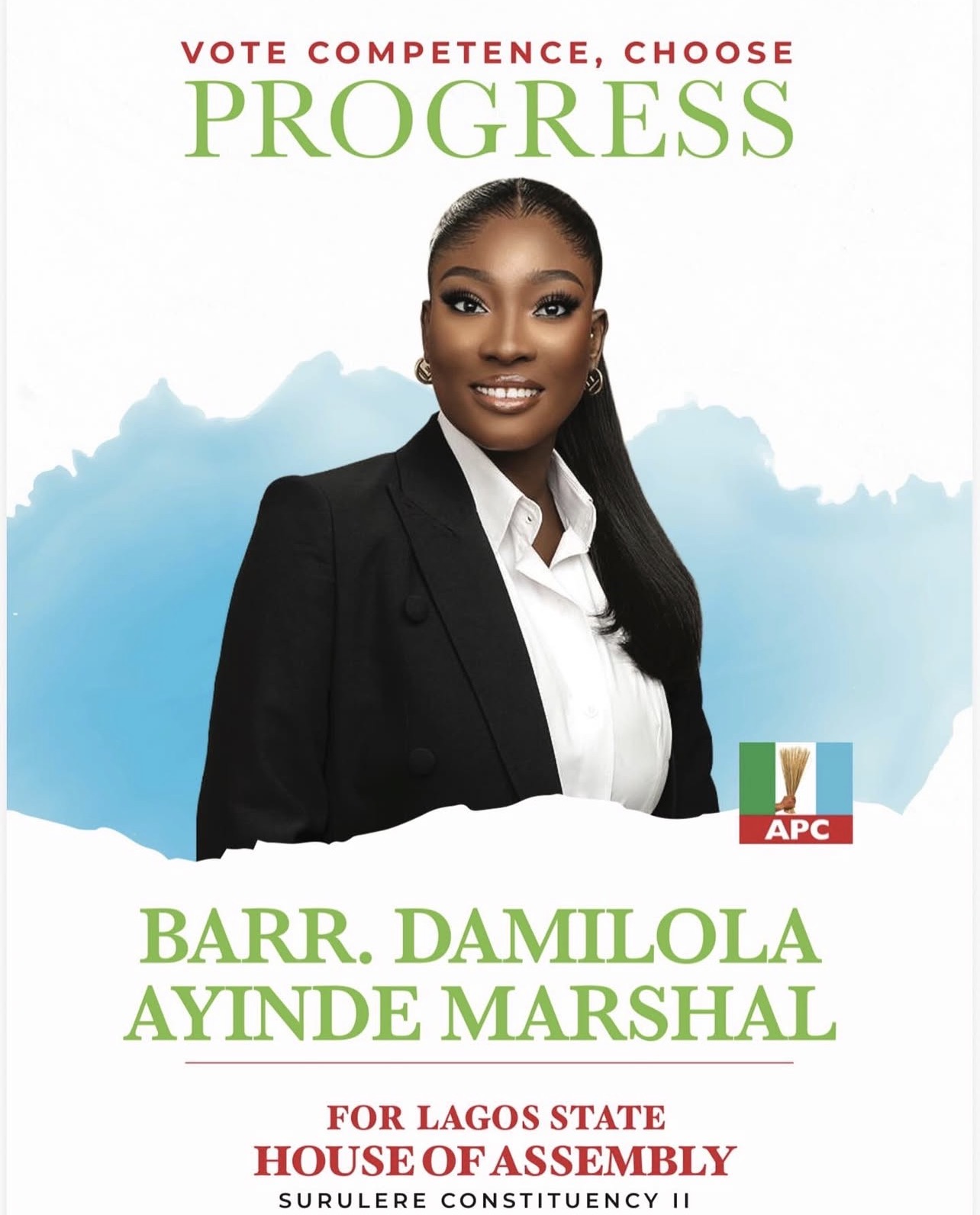
Beyond actors and nightlife personalities, political ambition is also extending into influential entertainment families.
In Lagos, Barrister Damilola Ayomide Ayinde Marshal, daughter of Fuji legend King Wasiu Ayinde Marshal (K1 De Ultimate), is also making political moves.
Currently serving as a Senior Special Assistant on Tourism in Lagos State, she has successfully passed the APC screening process to contest for the Surulere Constituency II seat in the Lagos State House of Assembly.
Unlike many celebrity hopefuls, Damilola Marshal is combining her family influence with her professional background as a lawyer. Her campaign strongly focuses on youth participation and female inclusion in politics, using the “Youth Lokan” message to connect with younger voters.
Conclusion
The rise of entertainers in Nigerian politics is not entirely new. Over the years, several celebrities have tested the political waters with varying levels of success. Actor Desmond Elliot successfully moved from Nollywood into the Lagos State House of Assembly, while singer Banky W ran an energetic youth-focused campaign for the House of Representatives in 2023 under the PDP. Actress Funke Akindele also entered the political scene as a deputy governorship candidate in Lagos, while actor Yul Edochie previously declared political ambitions in Anambra State.
These examples show that celebrity status can help politicians gain attention quickly, but it also comes with intense public scrutiny. Nigerian voters have become more critical over the years, often expecting celebrity politicians to perform better than regular politicians because of their influence and visibility.
What is changing now is the scale of celebrity involvement. Many entertainers are no longer content with simply endorsing politicians or performing at campaign rallies. Instead, they are seeking direct political power by contesting for legislative seats and negotiating with major political parties like the APC, APGA, and ADC.
As the 2027 elections draw closer, the real test for these celebrity candidates will be whether they can convert online popularity into actual votes. In Nigerian politics, winning elections still depends heavily on grassroots structures, party networks, and local political influence. The coming months will show whether celebrity power is enough to survive the realities of Nigeria’s political system.