A moment of raw public emotion has once again collided with the sensitive intersection of faith, influence, national anxiety, and expectation in Nigeria. What began as a viral expression from a well known Afrobeats voice quickly evolved into a wider conversation that stretches far beyond music, reaching deep into the role of spiritual authority in a country battling fear, uncertainty, and rising insecurity. The comments did not land quietly. They arrived in a climate already charged with daily reports of kidnappings, disrupted travel routes, and communities living with constant caution. As the words spread, so did the tension around what religious leadership should represent when a nation feels stretched to its limits.
The singer Spyro raised concerns that some of the most influential religious voices in the country have not been vocal enough in addressing the depth of insecurity affecting ordinary citizens. His comments quickly circulated across social platforms, not just because of who he mentioned, but because of the emotional weight attached to the subject itself. Nigeria’s insecurity debate is not abstract. It is lived daily by commuters, traders, families, students, and entire communities adjusting their routines around fear.
At the heart of his message lies a simple but heavy question about presence, visibility, and moral responsibility, especially from figures who command large followings across Nigeria and beyond. His words challenged not only silence but also the type of messaging that dominates pulpits and platforms when national tension rises.
Oyo school abduction, shockwave across South West Nigeria
The abduction of students and staff from schools in Oyo State on Friday, May 16, 2026 became a defining moment in Nigeria’s recent insecurity conversation because it broke a long held sense of relative safety in the South West and pushed fear into spaces previously considered protected. Armed attackers stormed school premises in the Oriire Local Government Area during early school hours, moving swiftly through compounds and disrupting learning activities in a way that left pupils, teachers, and surrounding communities in immediate panic. Reports indicated that about 39 students and 7 teachers were taken during the operation, although figures were later reviewed as authorities continued verification and rescue efforts.
The emotional impact of the incident spread faster than official updates, with families rushing to confirm the safety of their children and schools temporarily adjusting operations out of caution. Security agencies launched search operations across nearby forests and escape routes while community members assisted in tracking movements linked to the attackers. The attack became a national reference point not just because of the numbers involved but because it signaled an expansion of school vulnerability into a region where such incidents had been less frequent. This shift intensified public anxiety and became one of the emotional triggers behind Spyro’s later comments about national insecurity and the perceived silence of influential voices across religious leadership spaces.
Viral Expression
The moment that brought Spyro into the center of this controversy was a viral video where he openly expressed dissatisfaction with what he described as a lack of strong engagement from religious leaders regarding insecurity. The video spread quickly across multiple platforms in May 2026, gathering reactions from different sections of society within hours. His tone was direct, emotional, and unfiltered, reflecting a sense of urgency that resonated with some viewers while unsettling others.
He questioned why messages from pulpits and mosques appeared disconnected from the realities many Nigerians are currently facing, especially those affected by insecurity in travel routes, rural communities, and urban peripheries. His concern was not limited to one group, as he extended his remarks across Christian and Islamic leadership structures, suggesting that silence or insufficient vocal pressure creates a gap between spiritual authority and public suffering.
At the core of his expression was this statement, “Why am I going to church where another message asides what’s happening in the country is being preached.” This line became one of the most circulated parts of his video, setting the tone for broader interpretation of his message. It framed his frustration as not only personal but also reflective of a larger expectation from places of worship during moments of national tension.
Religious Leadership Mention: Adeboye, Oyedepo, Kumuyi, Jerry Eze Spotlight
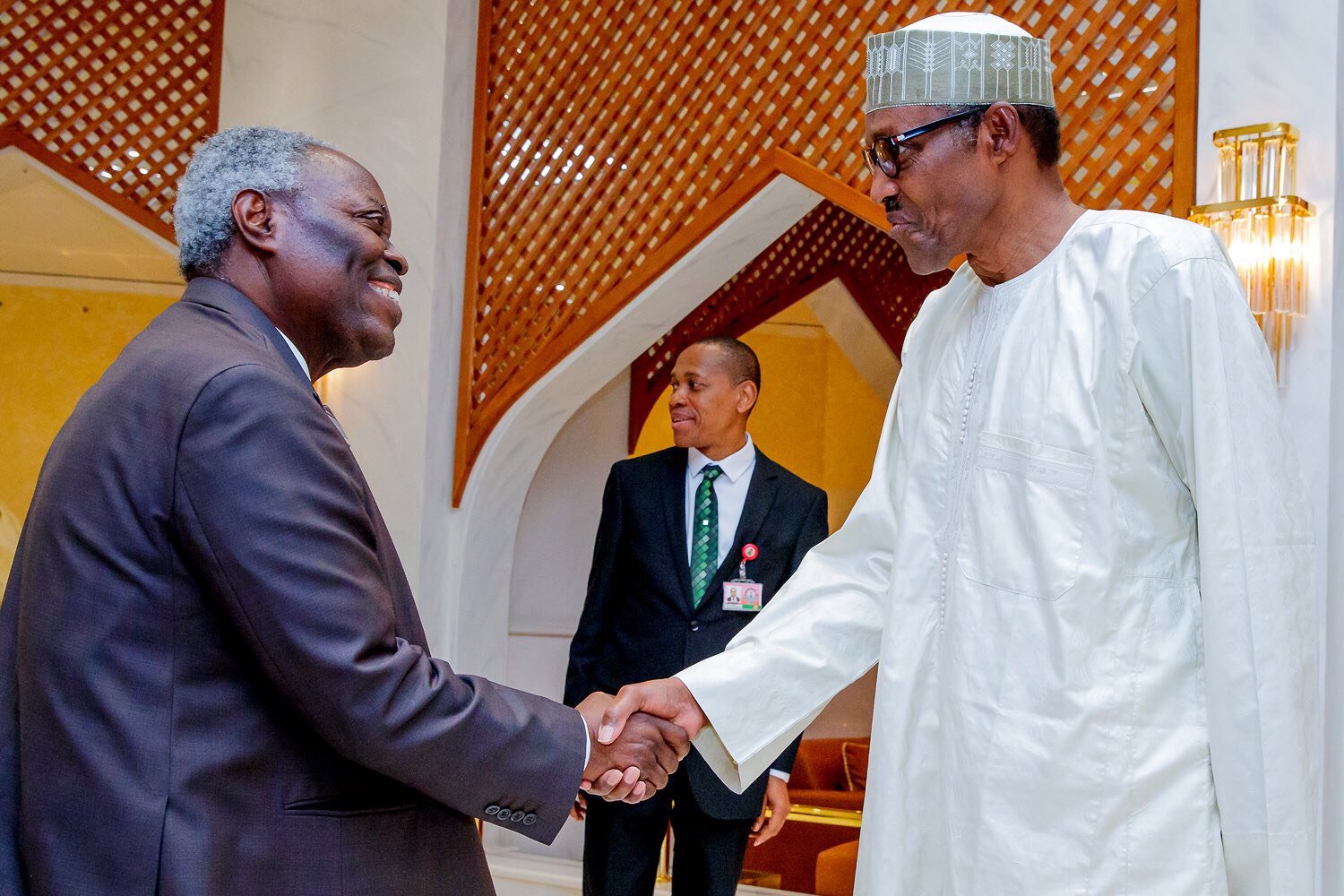
Spyro directly referenced several prominent religious figures whose influence spans millions of followers across Nigeria and international communities. Among those mentioned were Enoch Adeboye, David Oyedepo, William Kumuyi, and Jerry Eze, each representing different movements and spiritual platforms that hold significant weight in national discourse.
His statement, “Where is Pastor Adeboye in all of this? where is David Oyedepo? where is Pastor Kumuyi, Pastor Bolaji, Jerry Eze in all of this?” became a central line that pushed the conversation further into public debate. The inclusion of these names was not presented as an accusation of silence alone, but as a challenge regarding visibility and vocal engagement during moments of crisis.
Across 2023, 2024, and 2025, these leaders have individually addressed national issues in sermons, prayers, and public statements at different times. However, Spyro’s concern was centered on intensity and consistency rather than absence of commentary. His message suggested a belief that influence carries a responsibility that extends beyond spiritual encouragement into more direct engagement with national conditions.
Insecurity Reality Frame – Daily Pressure Across Communities
Nigeria’s insecurity landscape has remained a recurring subject across multiple years, with reports of kidnappings along highways, rural attacks, and periodic disruptions in different regions shaping public perception of safety. Between 2024 and 2026, these concerns have been widely discussed in media coverage, community conversations, and policy debates, reflecting a challenge that continues to affect mobility, education access, and economic activity in certain areas.
Spyro’s intervention drew attention to this lived reality, especially when he stated, “Schools are even still opening up, why? This calls for a state of emergency. What is our limit? When are we going to say enough is enough.” This part of his message highlighted a sense of urgency, pointing to what he views as normalcy in environments where fear still exists.
His framing places emphasis on the gap between daily life activities and underlying insecurity concerns, suggesting that routine societal functions may not always reflect the emotional or psychological state of affected communities. That contrast is what gives his statement emotional weight in public discourse.
Moral Responsibility Debate, Influence Versus Silence Question
A central layer of this controversy is the question of moral responsibility attached to influence, especially from religious leaders who command massive audiences. Spyro’s position suggests that silence or limited engagement during crises creates a disconnect between leadership and followers who rely on such voices for guidance in difficult moments.
He stated, “Any church that is preaching any message different from what is happening in this country and not speaking for the people and speaking to the government, you’re wrong.” This statement reflects his belief that spiritual platforms should not operate separately from national realities, particularly when those realities involve safety and survival.
The debate emerging from this perspective focuses on whether religious leadership should remain primarily spiritual or extend into civic advocacy during national distress. While some argue that spiritual leaders already contribute through prayers and teachings, others believe that stronger public positioning could amplify pressure for solutions.
Government Pressure Narrative: Public Expectation Rising
Another dimension of Spyro’s message touches on governance accountability, where he implies that spiritual leaders should help amplify the voice of citizens toward those in authority. His expectation is that influence should translate into advocacy, especially during periods of insecurity.
He expressed this sentiment through the line, “Any mosque speaking about anything different from what is happening in this country, you’re wrong.” This expanded his concern beyond Christian leadership into a broader national religious framework, reinforcing the idea that insecurity is a shared burden across faith communities.
Between 2024 and 2026, public expectation of accountability has grown, with citizens increasingly calling for stronger institutional responses across sectors. Spyro’s comments align with this broader sentiment, even though they are expressed through a cultural and entertainment lens rather than political office.
Public Reaction Wave, Divided Interpretation Across Platforms
Following the release of the video, social media platforms the main arena for interpretation and debate. Some users agreed with Spyro’s concern, emphasizing that influential voices should take stronger positions during national crises. Others questioned whether his expectations align with the traditional role of religious leadership in society.
The reactions reflect a broader societal tension about responsibility sharing during crises, where different groups assign different levels of accountability to spiritual, civic, and entertainment figures. The discussion continues to evolve as more people engage with clips and excerpts from the original video.
Spyro’s final line in the video, “Where are the notable men of God that have so much influence? and the Muslims, where are all your sheikhs? what are they saying?” continues to circulate as one of the most debated parts of his message, largely because it extends responsibility across multiple faith structures.
Ongoing National Conversation Without Closure
The controversy surrounding Spyro’s comments has not reached a fixed conclusion, largely because it sits at the intersection of faith, governance, public expectation, and emotional response to insecurity. His message has reopened discussions that have existed for years, but this time through a cultural voice that reaches a different audience segment.
What remains clear is that the conversation is not just about who spoke or who did not speak, but about what society expects from influential voices when national conditions become difficult. The inclusion of leaders such as Enoch Adeboye, David Oyedepo, William Kumuyi, and Jerry Eze in this discourse reflects the weight of influence they carry, regardless of individual interpretations of their roles.
Spyro’s words continue to echo across digital spaces, not as a final judgment, but as an ongoing challenge that keeps returning to one question about responsibility, urgency, and national voice, especially in moments when silence feels louder than speech.