On the morning of May 12, 2026, Nollywood woke up to the kind of news that silences a room. Alexx Ekubo, actor, model, one of the most recognisable faces in contemporary Nigerian cinema, had died at Evercare Hospital in Lagos at the age of 40. For many fans, the shock was compounded by a painful question: how did this happen without anyone knowing he was even ill?
Why Did Alexx Ekubo Die & What Happened?
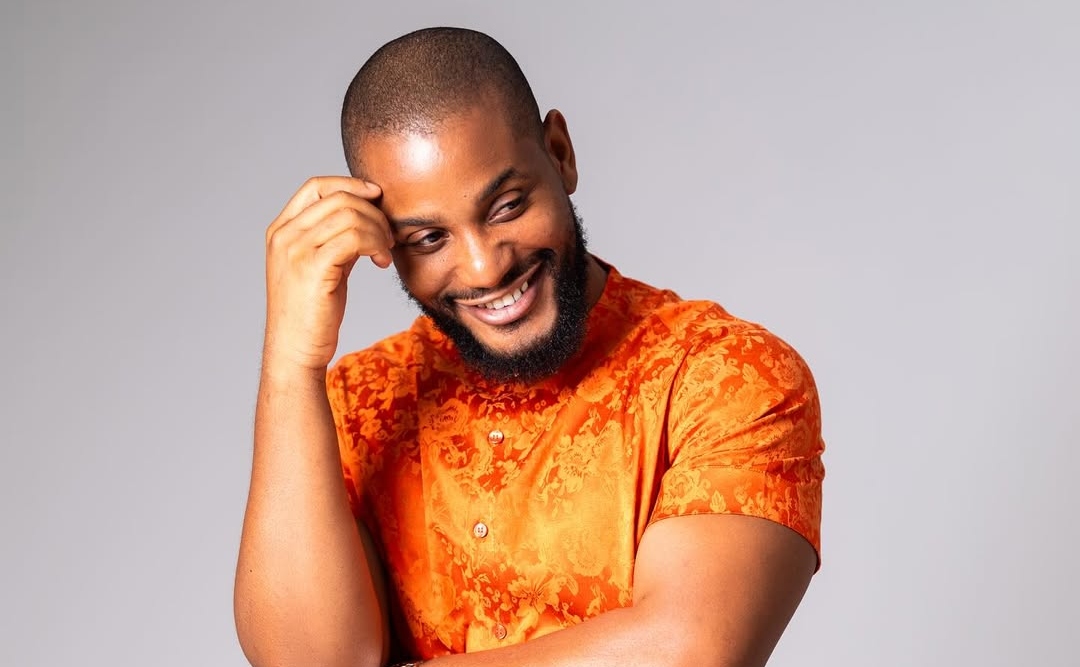
The cause of death, confirmed by his family in an official statement, was advanced metastatic kidney cancer. Alexx Ekubo had battled the illness quietly and largely out of the public eye, choosing to face his final months with what his family described as remarkable courage and faith rather than public disclosure. His death has prompted grief across the Nigerian entertainment industry and reignited a broader conversation, one that singer Kcee brought sharply into focus, about how we treat people while they are still alive.
The Official Cause of Death
Alexx Ekubo died from complications arising from advanced metastatic kidney cancer. His family issued a statement on Wednesday, May 13, 2026, through his verified Instagram page confirming the cause and the location of his passing. The statement read in part that the actor endured his illness with unwavering faith and enduring hope, believing, in his own words, that one day his testimony would be shared with the world.
His death was first reported publicly on Tuesday, May 13, by his talent manager, filmmaker Samuel Olatunji. At that point, questions about the nature of his illness began circulating online. Several hours later, when the family issued its formal statement, it gave the public an answer that many were not prepared for: the actor had been living with a late-stage kidney cancer diagnosis without most of his fans or even many industry colleagues knowing.
Metastatic kidney cancer, in medical terms, refers to a renal cell carcinoma that has spread beyond the kidneys to other organs. In its advanced stage, it is difficult to treat and carries a significantly reduced survival outlook, depending on when it is detected, how far it has spread, and how the patient’s body responds to treatment. That Ekubo managed to maintain his private life for as long as he did, during what must have been an intense period of treatment, speaks to the strength his family said defined his final months.
How Long Was He Sick
Reports from multiple industry sources suggest that Ekubo had been quietly battling the illness since at least 2025, with some accounts pointing to an initial diagnosis in early 2025. Nollywood filmmaker Stanley Ontop told Daily Post Nigeria that the actor had been dealing with serious illness since 2024. The family’s statement described the battle as brief, though the timeline of events suggests the cancer progressed rapidly once it reached its advanced metastatic stage.
His social media silence had already raised public concern. His last Instagram post came in December 2024, and fans had grown increasingly anxious about the absence. In a 2025 interview, his close friend IK Ogbonna, when asked about Ekubo’s wellbeing, responded that the actor was ‘very okay’ and simply taking time away from the spotlight. Whether Ogbonna knew the full picture at that time remains unclear. What is clear is that Ekubo chose to shield his condition from public view, and those around him respected that choice.
He was admitted to Evercare Hospital in Lekki, Lagos, following what was described as a sudden deterioration in his condition around May 11. Despite medical efforts, he did not recover. He was 40 years old.
Who Was Alexx Ekubo
Born Alexx Ikenna Ekubo-Okwaraeke on April 10, 1986, in Port Harcourt, Rivers State, Ekubo was originally from Arochukwu in Abia State. He was 6 foot 2 inches tall, trilingual in English, Igbo and Hausa, and possessed an easy, magnetic presence that translated well across genre and medium. He attended Federal Government College Daura in Katsina State before reading Law at the University of Calabar.
Long before his first major film role, Ekubo had already established himself in the public consciousness through beauty pageantry. He emerged as the first runner-up at the 2010 Mr. Nigeria contest, a platform that introduced him to a national audience and opened the door to a career in front of the camera. Within a few years, he had become one of the most consistently booked actors in Nollywood, known for an unusual ability to move between romantic comedies, dramas and action-driven productions without losing his audience.
His Nollywood Career and Legacy
Ekubo made his first screen appearance in Sinners in the House in 2005. The film that put him on the map, however, was Weekend Getaway, which earned him a Best Actor in a Supporting Role award at the Best of Nollywood Awards in 2013. From that point, his career moved steadily upward. Over roughly two decades in the industry, he appeared in more than 100 productions, according to multiple reports, including The Bling Lagosians, Omo Ghetto: The Saga, A Sunday Affair, Hire a Woman, Gbomo Gbomo Express, and the critically acclaimed Afamefuna: An Nwa Boi Story.
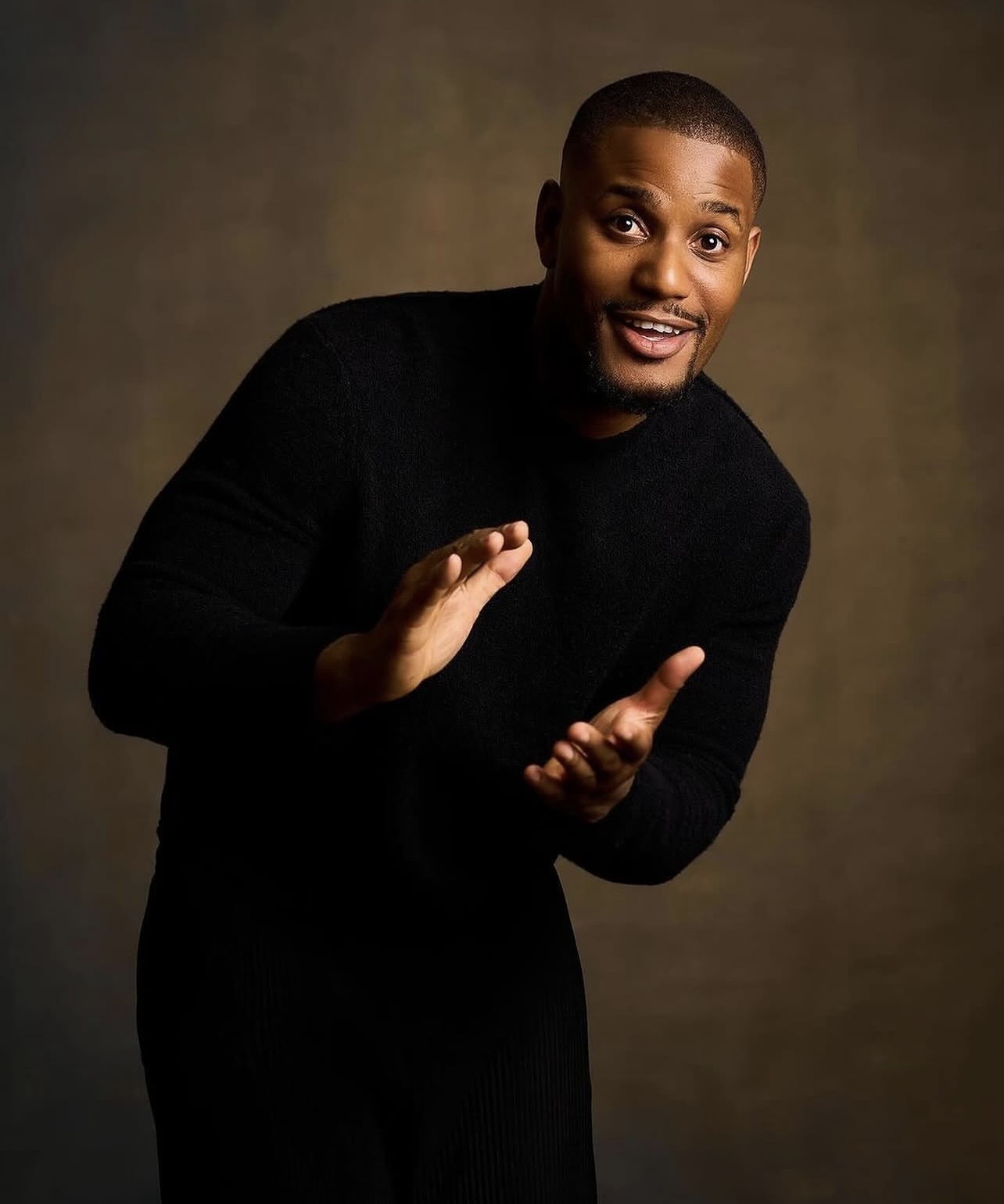
His international visibility received a significant boost when he appeared as the love interest in Yemi Alade’s global hit ‘Johnny,’ a music video that has accumulated over 90 million views on YouTube and is widely cited as one of the most-watched African music videos ever produced. To a generation of viewers across Africa and the diaspora, Alexx Ekubo was ‘Johnny.’
His awards record was extensive. In 2020, the United Nations named him among the Most Influential People of African Descent Under 40. In 2021, he received the Nigerian National Award of Excellence as the Global Social Giving Actor of the Year, recognising his charity work. He had also won accolades from the Screen Nation Film and TV Awards in London, the BEFFTA (Black Entertainment Film, Fashion, Television and Arts) Awards, and the Toronto International Nollywood Film Festival, among others.
How the Industry Responded
The tributes that followed were immediate and widespread, cutting across entertainment, politics and civil society. Actress Funke Akindele, who starred alongside him in Omo Ghetto: The Saga, expressed deep personal pain, recalling the nickname ‘Ore mi’ he used for her and regretting that she never got to see him one last time. Omoni Oboli, who described the late actor as her closest friend in the industry, said she was devastated and did not know how to process the loss. Richard Mofe-Damijo called the death difficult to process, acknowledging both the life lived and the legacy left behind.
Peter Okoye of P-Square posted a brief tribute. Bolanle Ninalowo prayed for the family. Veteran filmmaker Lancelot Imasuen, who gave Ekubo his first film role and recalled them as neighbours in Surulere, called it devastating and unbelievable. The Actors Guild of Nigeria confirmed the death through its Director of Communication, Boma Akpore.
The volume of tributes was significant, but it was singer Kcee who gave voice to an emotion many people were privately feeling.
What Kcee Said and Why It Hit Differently
On May 14, 2026, two days after Ekubo’s death, Kcee, full name Kingsley Okonkwo, posted a tribute on his social media accounts that quickly spread across Nigerian timelines. In the post, he shared a video of himself, Ekubo, IK Ogbonna and others dancing together, a snapshot of the alive and vibrant person who now existed only in memory. But what people responded to was not the video. It was what Kcee wrote.
Kcee questioned why people reserve their warmest words for funerals. He pointed out that many who were now posting condolences for Ekubo had stayed silent while he was alive, building his career, facing private struggles. He asked: why do people clap at graves but say nothing when someone is standing right in front of them? He acknowledged the shared guilt in this, writing that ‘we are all guilty,’ and directed his call to action not at any specific person but at anyone who had someone in their life they had not yet told how much they meant to them.
He also used the moment to reference something specific: in 2021, following Ekubo’s broken engagement to model Fancy Acholonu, public commentary on social media had been harsh. Some fans and commentators had been unkind. Kcee’s post called out that behaviour obliquely, noting that some people trolled the actor in his most vulnerable season and were now posting grief. He closed the tribute by urging people to call someone, text them, visit them, speak life to them, while there was still time.
It was a public grief note that became a quiet moral reckoning. Kcee and Ekubo had a documented working relationship: the singer had featured the actor in his 2018 music video ‘Bullion Squad.’ The tribute was therefore not performative celebrity mourning. It was the voice of someone who actually knew the man behind the screen.
The Question of Silence Around His Illness
One of the most discussed dimensions of Ekubo’s death has been the secrecy surrounding his diagnosis. For an actor who maintained an active public presence, posting regularly, engaging with fans, attending events and productions, the sudden silence that began around December 2024 was noticeable. When questions arose, they were deflected by colleagues who either did not know the full truth or chose to protect his privacy.
In the days following his death, reflections emerged on what that silence meant. Some observers noted that the entertainment industry has not always been a kind space for public illness. Celebrities who disclose serious health conditions sometimes face misinformation, unsolicited commentary, and the added burden of managing public emotion on top of personal suffering. Ekubo may have made a calculated choice to protect himself from that. His family’s statement, in the phrase ‘unwavering faith and enduring hope, believing that one day his testimony would be shared with the world,’ suggests he may have expected to survive and tell the story himself.
He did not get that chance. But the conversation his death triggered, about how people treat each other, about the gap between public love and private abandonment, is, in a way, the testimony he hoped for, arriving differently than he imagined.
Burial Arrangements
Ekubo’s family announced his burial arrangements in late May 2026. A service of songs is scheduled for Wednesday, June 10, 2026, at The Monarch Event Center in Lekki, Lagos, from 4pm to 6pm, with guests expected to wear white. The wake-keep is scheduled for June 17, 2026, at the family home in Arochukwu, Abia State. The funeral service will be held on Thursday, June 18, 2026, at Mary Slessor School, Amanagwu Village, Arochukwu, Abia State, where he will be buried in his home soil.
What His Death Leaves Behind
Alexx Ekubo was 40 years old when he died. In a career that began when he was still a teenager, he appeared in over 100 films, won awards on multiple continents, represented Nollywood on international platforms, and became a face that audiences across Africa associated with charm, warmth and craft. He was, by all accounts, also a privately generous man whose humanitarian work received national and institutional recognition.
None of that made his death easier to process. What strikes people most, reading through the tributes and the conversations that followed, is that Nollywood lost him before the industry fully knew what it had. That sentiment runs through everything Kcee wrote. It runs through Omoni Oboli’s grief and Funke Akindele’s regret. It runs through every tribute that used the phrase: we should have said this while he was here.
He was buried in Arochukwu, in Abia State, where he came from. The industry he helped build will take time to fill what he left behind.