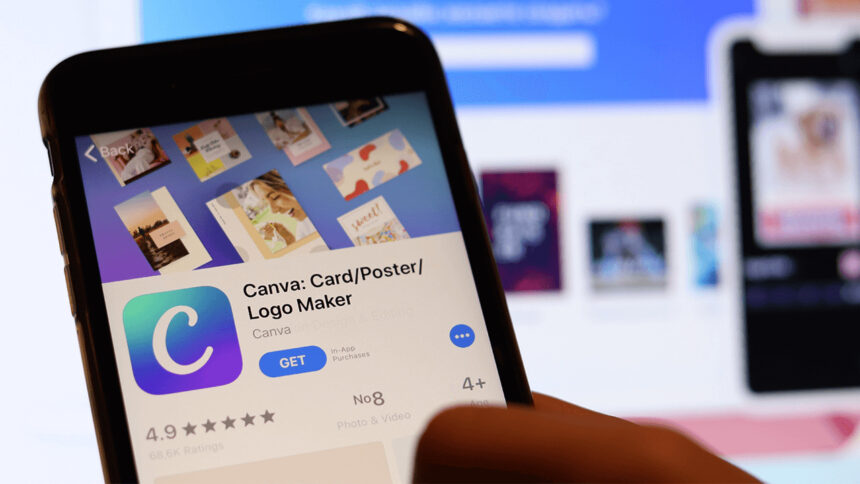
Every week, thousands of Nigerian businesses open their phones looking for someone to design a flyer, write a caption on a branded post, or put together a pitch deck. Most of them are not looking for a trained graphic designer. They just need something that looks professional, delivered fast, and at a price that makes sense for a small business running on thin margins. That gap is where Canva has quietly become one of the most useful tools for ordinary Nigerians to build real income.
How to Make Money from Canva Designs Without Knowing Graphic Design in Nigeria
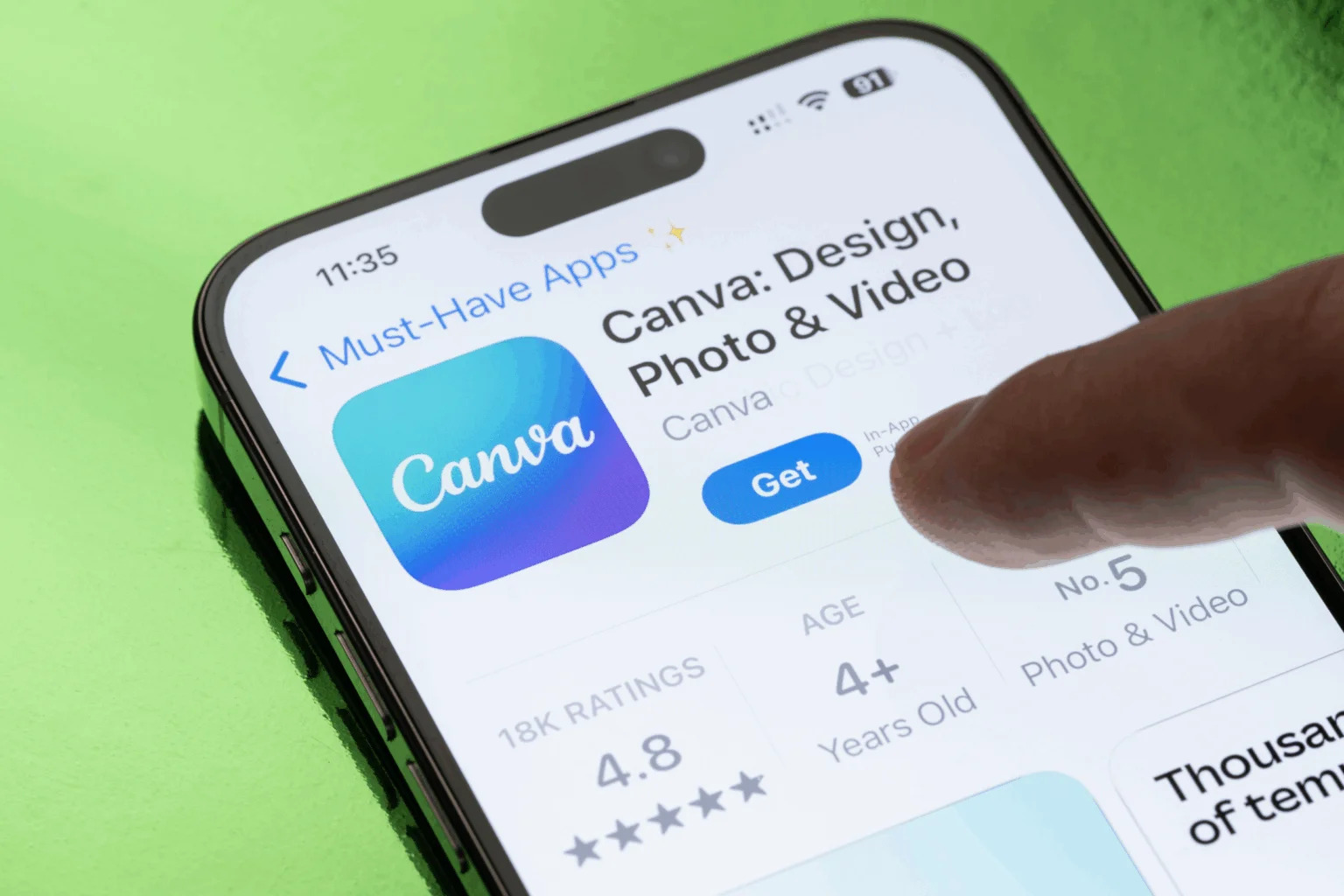
Making money from Canva designs in Nigeria does not require a design degree or years of practice with tools like Adobe Illustrator or Photoshop. What it requires is an understanding of what Nigerian businesses and individuals actually need visually, and a practical system for converting that need into recurring income. Canva’s template library, combined with its drag-and-drop interface, makes it accessible enough that the barrier to starting is genuinely low. The ceiling, however, depends entirely on how seriously you approach it as a business rather than a hobby.
Why Canva Works for Nigerian Creators Without a Design Background
Canva was built specifically for non-designers. The entire platform is structured around the idea that most people who need visuals are not trained in typography, colour theory, or layout principles. The free tier includes thousands of templates across dozens of categories, from Instagram posts to business cards to presentation slides. For someone in Nigeria trying to start a design-based income stream with limited capital, this matters.
The platform also runs entirely in the browser, which means no expensive software to install, no high-end computer required. A decent smartphone and a stable internet connection are sufficient to produce quality output. This is a realistic entry point for a large portion of the Nigerian working population, particularly students, young graduates, and small business owners with some spare time.
Canva Pro, as of early 2026, costs N5,500 per month in Nigeria following a pricing revision that nearly doubled the previous rate of N2,800. For those who only need Pro features occasionally, Canva also introduced weekly plans at N1,100, which means four weeks of access costs less than the monthly plan. The free version remains genuinely functional for income generation, especially at the beginning.
Selling Canva Templates: The Most Scalable Income Model
The most straightforward way to generate passive income from Canva is to create and sell editable templates. The model works like this: you design a template once, package it as a shareable Canva link embedded inside a PDF, and list it on a marketplace where buyers purchase the right to customise it for their own use.
Platforms like Etsy, Gumroad, and Creative Market are the most commonly used channels globally. For Nigerians targeting a local audience, Selar.co allows sellers to list and sell digital products in naira, handles delivery automatically, and supports Nigerian bank accounts for payout. This removes the friction of international payment platforms entirely.
The templates that sell consistently are those that solve a specific problem for a defined buyer. Social media post bundles for Instagram, editable flyer templates for Nigerian events like birthday parties and church programmes, business plan templates, invoice and receipt templates for small businesses, and resume templates are categories with reliable demand. The more specific the template, the easier it is to market and the less competition you face.
Documented income from Canva template sellers exists at multiple levels. Maliha, founder of The Side Blogger, ran a Canva template business generating over $2,000 per month on average across 2019 to 2024 across platforms including Etsy, Creative Market, and her own website. At the higher end, successful Etsy template shops have been reported to earn between $1,000 and $2,000 monthly, with the most established sellers clearing significantly more. These are global figures. In the Nigerian context, selling in naira on Selar means lower individual prices but zero currency conversion friction, while selling on Etsy means access to a global buyer base but requires understanding how to receive international payments.
Offering Social Media Design Services to Nigerian Small Businesses
Beyond passive template sales, there is a large and active market for done-for-you social media design work. Small businesses across Lagos, Abuja, Port Harcourt, and other Nigerian cities run Instagram and Facebook pages as their primary marketing channel. Many of them post inconsistently, use low-quality graphics, or rely on whoever is available at the time to handle their visuals. A consistent, affordable design service fills that gap directly.
This type of service does not require the seller to be a trained graphic designer. The work involves understanding the client’s brand colours, choosing appropriate Canva templates, customising them with the business’s logo and product images, and delivering a set of posts either weekly or monthly. The value is in the consistency and reliability, not in the visual complexity.
Rates for freelance social media managers in Nigeria vary. According to data from Finepoint Design cited in industry reporting, basic services can start from around N30,000 per month, while experienced managers charge upwards of N700,000 monthly depending on scope. More commonly reported mid-tier rates for design-focused social media packages fall between N80,000 and N250,000 per client per month. Managing three to four clients at the lower end of that range produces a meaningful income that many salaried roles in Nigeria do not reach.
Landing the first client is the hardest part. A practical approach used by Nigerians who have done it successfully involves identifying local businesses with active Instagram accounts but low-quality visuals, putting together two or three sample posts customised to that specific brand using Canva, and pitching directly via WhatsApp or Instagram DMs. The sample removes the friction of asking a potential client to imagine what you could do for them.
Creating and Selling Digital Products Beyond Templates
Canva is useful for producing a broader category of digital products beyond editable templates. Ebooks, planners, workbooks, printable organisers, and wedding stationery packs are products that are designed once and sold repeatedly. A Canva-designed ebook on a topic with genuine demand, packaged professionally and listed on Selar or Gumroad, requires no stock, no shipping, and no inventory.
The Nigerian market has real appetite for practical digital products in categories like business planning, personal finance tracking, and professional development. A business plan workbook template, a weekly planner designed for a Nigerian professional context, or a set of printable budget sheets would find buyers locally. The challenge is understanding what people are willing to pay for, which requires research into what similar products sell for and at what volume.
On platforms like Etsy, a standard individual digital template typically sells for between $3 and $15 depending on complexity. Bundled packs of 10 to 30 templates can be priced between $15 and $50. On Selar, sellers price in naira and retain control over their margins. The income from digital products is not instant. It accumulates over time as the product gets found through search, social media promotion, and word of mouth.
Print-on-Demand: Canva Designs on Physical Products
Print-on-demand is a model where your Canva designs are applied to physical products, a buyer orders a product, and a third-party supplier prints it and ships it directly to the customer. You earn the margin between the retail price you set and the supplier’s production cost. No inventory, no upfront investment in stock.
Platforms like Printful and Printify integrate directly with Etsy and Shopify stores. You upload a design, apply it to a t-shirt, mug, tote bag, or notebook mockup, and list it as a product. When someone buys it, the order goes automatically to the print supplier. The design work itself, which is the part Canva handles, requires no printing knowledge or technical skill.
The global print-on-demand market reached approximately $11 billion in 2025 and continues to grow at a reported annual rate of 23.6 percent through 2033. For Nigerians, selling to a global market through this model requires having a way to receive foreign payments, whether through a domiciliary account, Payoneer, or another mechanism. The logistics of delivery are handled entirely by the print supplier, which makes it operationally simple once set up.
The practical constraint in Nigeria is that the most reliable print-on-demand suppliers, Printful, Printify, and Gelato, are not based locally, which means shipping times to Nigerian buyers can be long and expensive. The more viable approach for most Nigerian creators using this model is to target international buyers, particularly in the United States and United Kingdom, rather than trying to serve a local customer base.
Teaching Canva: Turning Your Knowledge Into Course Income
There is consistent demand in Nigeria for practical digital skills training, and Canva is a tool that many business owners and aspiring freelancers want to learn properly. If you have spent time building real competence with Canva, packaging that knowledge into a course or workshop is a legitimate income stream.
This does not mean producing a generic tutorial that rehashes what is already on YouTube. The value is in specificity. A course targeting Nigerian small business owners that teaches them how to create consistent branded content for their own Instagram pages, using Nigerian business examples and realistic use cases, would be more useful and more marketable than a generic design course.
Platforms like Selar allow Nigerian creators to sell courses and digital training products directly in naira. Udemy and Teachable are international options if you want to reach a broader audience. A well-structured short course priced between N10,000 and N30,000 on Selar, marketed to Nigerian entrepreneurs through social media, can generate income without requiring a large audience to begin with.
What Actually Limits Most People Who Try This
The mechanics of making money from Canva designs are not difficult to understand. Most people who start and give up do so because they underestimate two things: how long it takes for a digital product or template shop to gain traction, and how much intentional promotion is required.
A Canva template listed on Etsy with no promotion, no SEO-optimised title, no social media presence, and no consistent output will likely sit unnoticed for months. The people who earn meaningfully from template shops treat it like a business, which means producing designs regularly, studying what competitors are selling, optimising their listings for search, and actively promoting their products. Those who treat it as passive income that requires no active effort rarely get results.
The same applies to service work. Sending one or two DMs to potential clients and concluding that nobody wants the service misses how the work actually happens. Consistent outreach, visible portfolio work, and a willingness to take on smaller jobs at the beginning to build a track record are what convert Canva competence into a business.
The Nigerian Market: Where the Real Opportunity Sits
Nigeria has a large and underserved market for affordable design work. Small businesses, churches, schools, event planners, food vendors, and fashion brands across the country need visuals constantly and often have no reliable designer they can call. The market for cheap-but-professional-looking design work is enormous, and Canva is precisely the tool that allows someone without formal training to meet that demand.
For those targeting Nigerian clients specifically, WhatsApp remains the most effective sales channel. A well-maintained WhatsApp status, a clear portfolio on Instagram, and active engagement in relevant online communities for Nigerian entrepreneurs are more likely to generate clients than a passive Etsy listing alone. The relationship-driven nature of Nigerian commerce means trust and visibility matter as much as the quality of the work itself.
There is also a practical argument for starting with naira-denominated income before trying to earn in dollars. The operational simplicity of working with Nigerian clients, being paid to a local bank account, and building testimonials in a context you understand is a faster path to consistent income than trying to crack international markets from day one.
Building Something That Lasts
Canva is a tool, not a business model. Making consistent money from it requires choosing a specific income stream, building competence in that area, and treating the process with the same seriousness as any other income-generating work. The people who earn reliably, whether from templates, services, courses, or print-on-demand, are not those who stumbled across the tool and posted a few designs. They are the ones who identified a specific gap, built a product or service around it, and stayed consistent long enough for the market to find them.
The starting point does not need to be elaborate. One or two strong template designs, a clear service offer pitched to local businesses, or a short practical course built around real experience are all viable entry points. What separates those who earn from those who do not is rarely talent. It is almost always consistency and the willingness to treat the work as a business from the beginning.