The question of what a Nollywood actor charges per movie is one that circulates constantly in industry circles and among fans. It comes up in casting conversations, in entertainment gossip, and most importantly, in the budget meetings of producers trying to greenlight a film. The honest answer is: it depends heavily on who you’re calling, what the film is, and where it will be distributed.
What the industry has seen clearly over the past few years is a sustained upward pressure on fees at the top end. Streaming platforms, a revived cinema ecosystem, and the growing international visibility of Nigerian films have collectively forced a renegotiation of what A-list talent costs. Producers working in 2026 are navigating a very different fee landscape than those who were putting films together even five years ago.
How Much Do Nollywood A-List Actors Charge Per Movie (2026)
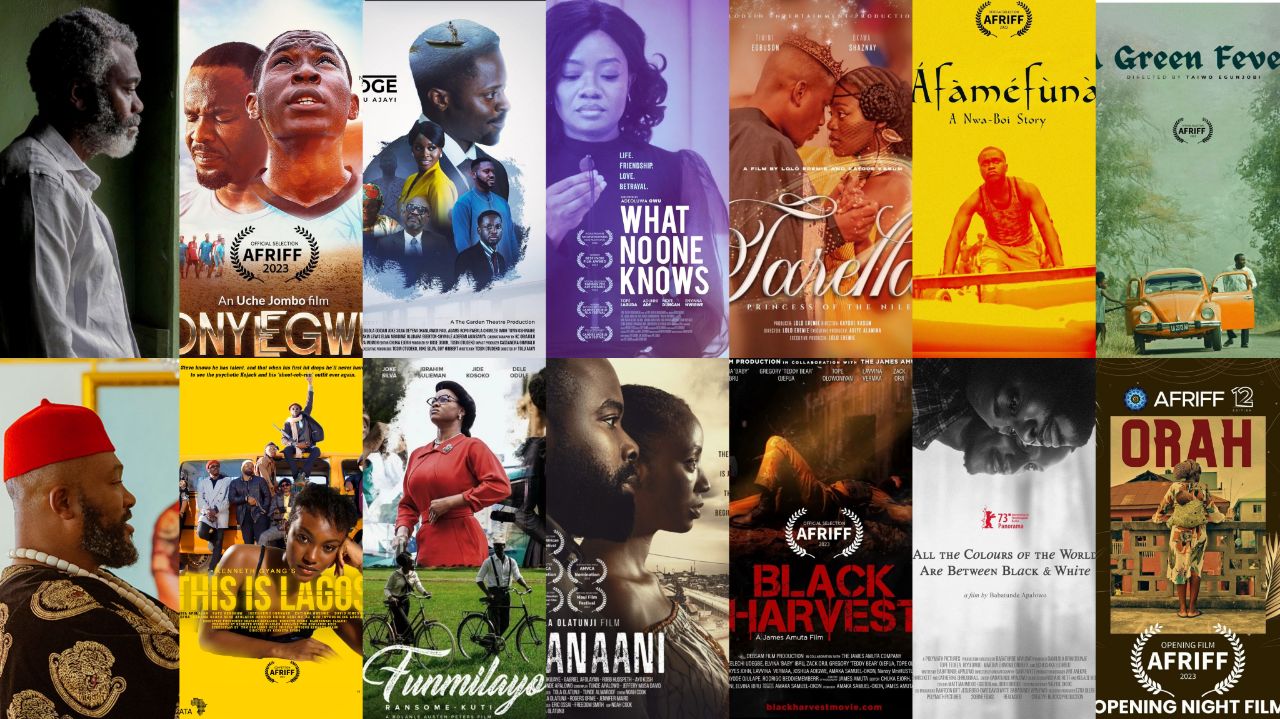
Understanding Nollywood A-list actor fees in 2026 requires looking beyond headline numbers. The range at the top tier of the industry stretches from around ₦5 million to well above ₦20 million for marquee names on high-budget productions, but those figures compress and expand depending on the production type, the platform, the negotiating power of the talent, and the overall budget the producer is working with. Nollywood actor fees are not standardised. There is no guild minimum, no published rate card, no union floor. Every deal is negotiated individually, which means the same actor can walk away from two productions in the same year with wildly different cheques.
The Three-Tier Structure That Actually Governs Nollywood Pay
The most practical way to understand Nollywood compensation is through a three-tier framework that industry insiders use informally, even if it is never officially written down anywhere.
At the top, A-list actors command fees in the range of ₦5 million to ₦20 million per production, with some outliers going higher on exceptional projects. This tier includes the faces that genuinely move tickets: names whose involvement in a film is itself a marketing event. Think Genevieve Nnaji, Richard Mofe-Damijo, Omotola Jalade-Ekeinde, Funke Akindele, Ramsey Nouah, Mercy Johnson, Jim Iyke. These are actors whose inclusion can influence a producer’s access to cinema screens, streaming deals, and investor confidence.
Mid-tier actors, those with solid credits, genuine fan recognition, and consistent work, typically earn somewhere between ₦1 million and ₦5 million per film. They are the reliable core of most productions and often negotiate their fees without agents or managers, which means outcomes vary considerably.
Newcomers and supporting players earn the least. Entry-level performers working on independent productions can receive anywhere from ₦50,000 to ₦500,000, depending on the size of the role and how lean the overall budget is. On very low-budget shoots, some take transportation allowances and on-set meals in lieu of meaningful fees, building a portfolio while waiting for the calls that come with visibility.
What A-List Actually Means When It Comes to Pricing
The term “A-list” gets used loosely in Nollywood conversations, but from a pure fee perspective, the distinction that matters most is whether an actor’s name functions as a pre-selling asset. Producers who can attach a top-tier name to a project before shooting begins have a materially different pitch to distributors, platforms, and investors. That leverage is what the highest fees are really paying for.
Genevieve Nnaji, widely regarded as the face of modern Nollywood’s international positioning following her Netflix acquisition of Lionheart, is understood to command fees in the ₦8 million to ₦10 million range per project. Omotola Jalade-Ekeinde, whose career has spanned more than 300 films and includes extensive brand partnerships, is reported to charge between ₦5 million and ₦8 million per script. RMD, Richard Mofe-Damijo, who combines a veteran acting career with political credibility that translates to brand safety, has long been positioned in the ₦6 million to ₦10 million range, with some reports suggesting his ceiling moves on projects where royalty arrangements are also on the table.
Funke Akindele occupies a unique position in this conversation. As both an actor and the most commercially successful filmmaker in Nollywood’s box office history, she is not simply a hire. Her films Behind the Scenes and Everybody Loves Jenifa crossed the ₦1 billion mark at the Nigerian box office, making her arguably more valuable as a producer-director than as a talent-for-hire. Her reported per-movie acting fee has ranged from ₦4 million to ₦8 million depending on the project, though in productions she controls, that calculation merges into a larger business structure.
How Platform and Distribution Route Changes the Fee Conversation
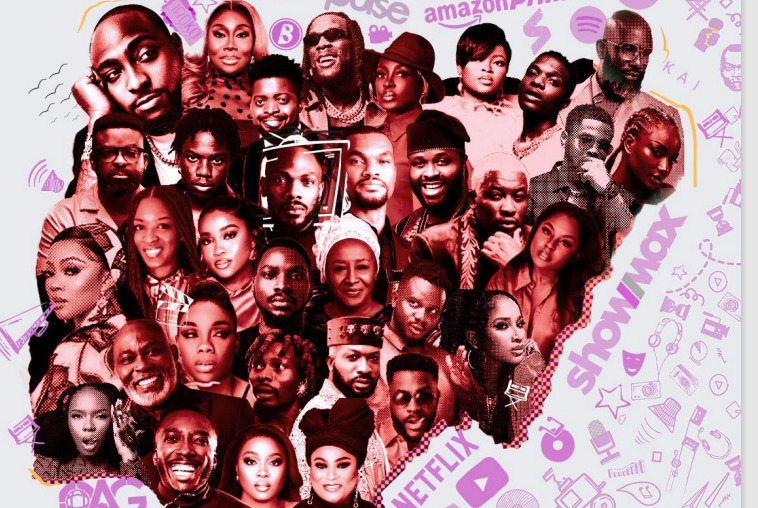
One of the clearest developments reshaping how actors are compensated in 2026 is the multiplying of distribution routes. A Nollywood film today can travel through the traditional home video channel, cinema release, streaming on platforms like Netflix, Amazon Prime Video, or Showmax, hybrid theatrical-then-streaming windows, and YouTube monetisation. Each of these paths carries a different budget profile, and that budget profile directly shapes what producers are willing to offer talent.
Cinema productions sit at the high end. Films targeting a theatrical release require significantly more production capital, and A-list actors know this. The presence of a major name makes the cinema conversation with exhibitors easier. As a result, cinema-targeted productions have pushed fees up for top talent. Nigeria’s cinema sector recorded box office revenue of between ₦15.6 billion and ₦20 billion in 2025, with growth projections pointing upward for 2026. That kind of revenue creates a commercial logic for paying more to secure bankable talent.
Streaming productions, particularly those commissioned or licensed by international platforms, carry their own fee dynamics. Netflix-backed productions operate on budgets that are structurally higher than what most independent Nollywood producers work with. Actors who have been cast in platform-commissioned content have reported significantly better-than-average fees, often with additional provisions around promotional obligations and exclusivity windows. The direct-to-streaming route, however, tends to pay lower fees than theatrical deals for productions that were not originally commissioned by the platform.
The traditional home video or online video market, which still makes up a large portion of total Nollywood output, generally operates at the lower end of the fee spectrum. Prolific actors who maintain high output by moving quickly from one set to the next can still generate strong annual income through volume, but individual fees per production are typically lower than cinema or streaming deals.
The Naira Factor: Inflation, Devaluation and What Fees Actually Mean Now
Any discussion of Nollywood fees in 2026 that ignores the broader Nigerian macroeconomic context is incomplete. The naira’s sustained depreciation since the 2023 exchange rate unification has had a real and tangible effect on how actors price their services, how producers budget, and how those numbers translate for international stakeholders looking at the industry.
When a veteran actor charges ₦8 million per film in 2026, that figure sounds large in headline terms, but its purchasing power tells a more complicated story. The same ₦8 million that once converted to roughly $20,000 at older exchange rates now translates to a fraction of that at current rates. Actors who deal with international productions or negotiate any kind of dollar-denominated arrangement have an obvious advantage; those paid purely in naira have seen the real value of their fees eroded over time.
This has created an interesting dynamic: nominal fees have risen, in the sense that producers are quoting higher naira figures than they were five years ago, but whether those increases have kept pace with inflation is a separate question. For actors who work primarily in the domestic market, the picture is more constrained than the headline fee numbers suggest. For those with international visibility, the leverage to negotiate in harder currencies has become increasingly important.
What Producers Are Actually Paying: A Budget Reality Check
It is worth stepping back from the headline figures attached to the biggest names and looking at what a typical Nollywood production actually allocates to cast. Most Nigerian films are not big-budget cinema productions. The vast majority of content produced each year is independently funded, often with production budgets that range from a few million naira to around ₦30 million for an average project.
In that environment, casting an A-list actor at ₦8 million or ₦10 million represents a significant portion of the total budget, which means most productions in that budget range are not calling those names. What producers in that tier are doing is working with solid mid-tier talent, occasionally casting one recognisable name in a lead or pivotal supporting role to help with marketing, and filling the rest of the cast at lower rates.
For a production with a budget in the ₦50 million to ₦100 million range, which represents the upper end of most independent Nollywood cinema-targeting productions, the calculus changes. At that budget level, investing ₦10 million to ₦15 million in a single bankable name is a defensible commercial decision if that name changes the conversation with distributors or platforms. The logic mirrors what Hollywood calls “above-the-line” talent: expensive, but potentially the reason the film gets made and seen at all.
Zubby Michael, Jim Iyke and the Rise of the Digital-Era Star

Nollywood’s A-list in 2026 is not the same as it was a decade ago. Some of the most commercially potent names in the current industry built their profiles through high-volume output, digital distribution, and social media visibility rather than the conventional path of awards and critical acclaim.
Zubby Michael is the clearest example of this. He is among the most frequently cast actors in Nollywood and has built an estimated net worth that places him among the wealthiest names in the industry. His fees reflect the value of his visibility and his draw, particularly in the Igbo-speaking market and among Eastern Nigerian audiences. Jim Iyke, long regarded as one of Nollywood’s most bankable male leads, has similarly maintained top-tier fee positioning through a combination of film output, endorsements, and sustained public visibility.
The emergence of Asaba-based productions as a major commercial arm of Nollywood has also shaped the fee structure. Asaba films typically operate on tighter budgets than Lagos-based cinema productions, but their volume is high and demand for recognisable stars is consistent. Actors who maintain active relationships with Asaba producers often earn through frequency what they might not earn through individual fee size.
Beyond the Acting Fee: What the Full Compensation Package Looks Like
The per-movie fee is only one part of what a Nollywood A-lister takes away from a production. The full picture includes additional arrangements that are sometimes worth as much as the acting fee itself.
Royalty arrangements, though not common across the industry, do exist at the very top. RMD is known to negotiate royalties on select productions, meaning he receives a percentage of revenue over time rather than purely a one-time upfront payment. This model, more familiar from Hollywood contract structures, is rare in Nollywood because most films are produced by independent producers operating without the infrastructure to track and pay revenue shares reliably. The Business Day reporting on this structural gap noted that most Nollywood actors are paid upfront fees rather than receiving any share of the film’s profits, which leaves many performers with no financial stake in a film’s commercial success.
Brand endorsements and promotional deals represent a significant income stream that can dwarf a single film’s acting fee. Actors cast in high-profile productions, particularly those on international streaming platforms, have used that visibility to secure endorsement contracts with major brands. Michael Afolarin, who starred in Netflix’s Far From Home, secured a commercial deal with MTN following the series’ success, illustrating the pathway from streaming visibility to brand income.
Travel, accommodation, and on-set provisions are also part of the negotiation. Major productions shooting on location cover transport, accommodation, and feeding, which reduces the personal overhead of the actor. On lower-budget productions, these provisions may be modest or absent, effectively lowering the real value of the stated fee.
Why There Is Still No Standard Rate and What That Costs the Industry
The absence of a standardised fee structure in Nollywood is not an accident. It reflects the fundamental architecture of the industry: independent, self-funded, fragmented. Unlike industries where guilds set minimum rates and studios negotiate within defined ranges, Nollywood operates without those structural guardrails. As one industry voice captured plainly in recent Business Day reporting: “There is no payment structure. The guilds have no effect in this regard.”
What this means in practice is that actors negotiate in a vacuum, armed only with their recent track record, their agent’s judgment (if they have one), and whatever they have heard informally about what others are being paid. It means a relatively unknown actor with good negotiating instincts might secure a better deal than a more experienced performer without representation. And it means producers can, and often do, pay the least they can get away with for any given role.
The royalties debate that surfaced in 2025 and 2026 is directly related to this gap. Several veteran actors have publicly raised the question of whether the one-time payment model, which dominates the industry, is appropriate in an era when a film can continue generating revenue on streaming platforms for years after its initial release. The practical obstacles to change are real: most independent producers are not generating the surplus that would make ongoing payments sustainable. But the conversation reflects a growing recognition that the current system concentrates financial risk with producers while concentrating financial reward with distributors and platforms, leaving the talent who actually build audience relationships with a relatively thin share of the value they help create.
What 2026 Is Signalling About Where Fees Go Next
The trajectory for Nollywood A-list fees is upward, though the pace will not be uniform across the industry. The forces pushing fees higher include growing cinema revenues, increased international platform interest, the expanding audience for Nigerian content across the diaspora, and the rising commercial sophistication of top-tier producers. As Nollywood in 2026 moves deeper into global streaming partnerships and content exclusivity deals, the commercial stakes for getting the right talent in front of the camera increase, and talent pricing responds accordingly.
The constraint on fee growth is the fundamental economics of most productions. The industry is still dominated by independent producers working without large studio backing, and most of them are not operating at the budget levels where top-tier fees are affordable. The number of productions that can realistically pay ₦15 million or more to a single actor is a fraction of total industry output. The headline fees attached to the biggest names represent the ceiling of the market, not the average.
What the next few years are likely to bring is a wider spread between the very top and the broad middle. A-list actors with strong international profiles, genuine box office draw, and the ability to command streaming deals will continue to see their fees rise. The majority of working Nollywood actors will see more modest gains, constrained by the budget realities of the productions that form the bulk of their work. The industry’s evolution into a genuine global entertainment force is real, but the commercial rewards of that evolution are not yet being shared evenly.
The Fee is a Negotiation, Not a Tariff
There is no single number that answers the question of how much a Nollywood star charges per movie in 2026. What exists instead is a range that stretches from ₦5 million to over ₦20 million for verified A-list talent on well-capitalised productions, a broad mid-tier where the same quality of actor might earn anywhere between ₦1 million and ₦5 million depending on who asks and how, and an entry level where volume and exposure still substitute for adequate compensation.
The real story behind these numbers is structural. Nollywood’s growth has been genuine and impressive, particularly in the cinema and streaming channels. But the financial architecture of the industry, built on independent production without guild minimums, standardised contracts, or reliable profit-sharing frameworks, means that fee outcomes remain highly variable and the people doing the work of building the industry’s global reputation are not always its primary financial beneficiaries. That conversation is now happening more openly than it was even two years ago. How it resolves will shape more than just what actors earn per film.