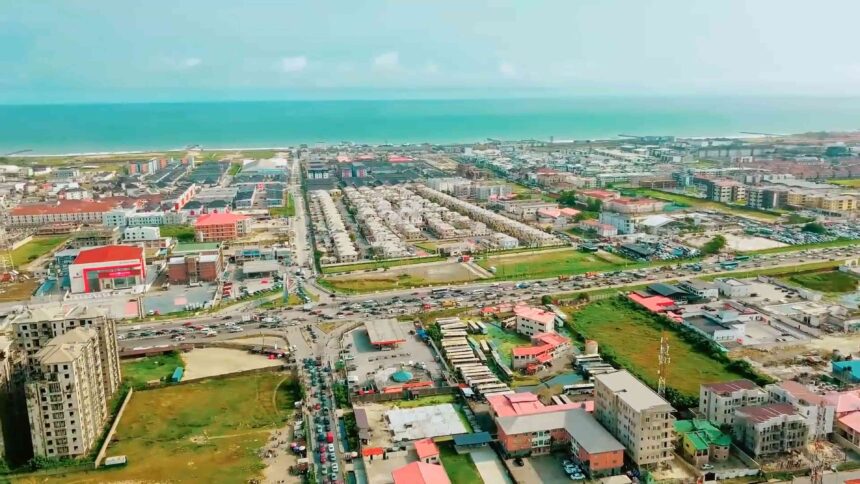
Someone in Lagos right now is closing a property deal and earning a commission that covers three months of what most salaried workers take home. He has no office. He registered no company. He does not own the property he just sold. What he had was a phone, a verified listing, and a buyer who trusted him enough to sign. That is, in its most stripped-down form, how real estate works in Nigeria for people who are starting with nothing.
The common belief is that property is a rich man’s business. You need capital to buy land, capital to build, capital to hold. That is true for one version of real estate. But there are other versions, and they have been quietly making ordinary Nigerians money for decades. The question is less about whether you can start without money and more about which entry point is suited to where you are right now.
Nigeria’s property market sits on one of the largest housing gaps in the world. Estimates put the shortfall at over 30 million units, and it keeps growing as the population expands faster than developers can respond. Every unhoused family, every migrant arriving in Lagos or Abuja, every business looking for office space adds pressure to a market that cannot keep up with demand. That gap is also an opportunity, and it does not require you to fund a construction project to benefit from it.
How to Start a Real Estate Business in Nigeria with No Money

Starting a real estate business in Nigeria with no money is not a myth or a motivational talking point. It is a documented path that begins not with capital but with knowledge, positioning, and the discipline to build credibility before you build anything else. The industry has multiple entry points designed for people who bring skill or information rather than cash, and understanding which one fits your current situation is the first real decision you need to make.
Why Real Estate Still Makes Sense Even When You Have Nothing
Land in Nigeria does not depreciate the way a car or phone does. It has never, in recorded Nigerian economic history, sustained a long-term loss of value. You can argue about timing, liquidity, and legal headaches. You cannot argue that land in Ajah that sold for N200,000 per plot fifteen years ago trades the same way today. That basic truth is what makes real estate attractive even to people who have no stake in it yet.
Nigeria’s housing market is projected to reach a value of $2.61 trillion, with residential properties alone contributing $2.25 trillion of that figure. Meanwhile, demand is growing at about 8% annually. At that rate, the shortfall does not close any time soon. For a new entrant, this matters because a market with perpetual demand never runs out of transactions. There will always be a landlord looking for a tenant, a seller looking for a buyer, a developer looking for land to build on.
The entry points that require no capital are not peripheral or low-value. They are core to how the industry functions. No large developer handles their own marketing. No property owner has time to source and vet every prospective tenant. The people who sit between buyers and sellers, between landlords and tenants, between land owners and developers, earn real money in this market. And none of them necessarily started by owning anything.
There is also a simple structural advantage to real estate over many other businesses. The transactions are high-value by nature. A commission of 5% on a N10 million property sale is N500,000. A 10% agency fee on a flat renting for N600,000 per year is N60,000, earned in a few weeks of work. Compare that to months of grinding in retail or food service for a fraction of that. The figures are not hypothetical. They are the standard charges that have operated in this market for years.
Start as an Agent: The Fastest Zero-Capital Entry Point
The most direct path into real estate without money is becoming an agent. This means connecting buyers with sellers, or landlords with tenants, and earning a commission when a deal closes. You do not own the property. You do not fund the transaction. You facilitate it, and you get paid for doing that successfully.
The commission structure in Nigeria is well-established. For property sales, agents typically earn between 5% and 10% of the transaction value. For rentals, the Nigerian Institution of Estate Surveyors and Valuers (NIESV) formally set the agency fee standard at 10% of gross rent. In Lagos specifically, the state’s Tenancy Law caps agency fees at 10% of total rent, and the Lagos State Real Estate Regulatory Authority (LASRERA) has been actively enforcing this ceiling since 2025.
Getting started in agency work means two things: finding listings and finding clients. Listings come from landlords and developers who need to sell or rent. The easiest way to get your first listings is to approach property owners in your area directly. Explain what you do, confirm the terms, get the property details, and start promoting. Many landlords, particularly those renting out apartments in densely populated areas of Lagos, Abuja, Onitsha, or Port Harcourt, will give you a listing without any upfront fee. They pay only when you deliver a tenant.
Clients come from the same place they go looking for properties: online platforms, WhatsApp groups, Facebook community pages, word of mouth, and sometimes physical estate boards. PropertyPro, NigeriaPropertyCentre, and similar listing platforms host millions of property searches monthly. Getting comfortable with these channels and understanding what buyers and renters in your target area are actually looking for is a practical skill that costs you nothing but time.
One of the more practical routes is to attach yourself to an established agency before going solo. Many real estate firms in Lagos and other major cities take on junior agents or marketing associates on a commission-sharing basis. You bring in leads or close deals, and the agency takes a portion. You get access to verified listings, some degree of professional cover, and real market experience. The trade-off is that your earnings will be lower initially. But the knowledge you accumulate in that period has real value when you eventually set up independently.
How the Joint Venture Model Works (and Why It Gets Overlooked)

Joint ventures are a fundamental feature of Nigerian real estate, particularly in Lagos, yet most people who are new to the industry either do not know about them or do not understand how to position themselves within one. The basic structure is this: a landowner has property but lacks the money or expertise to develop it. A developer has the construction skills, the investor relationships, or the financing to build but needs land. They come together, agree on a sharing ratio of the completed units or proceeds, and both parties benefit without either having to carry the full cost alone.
This is not a recent innovation. It is how large chunks of the Lagos property market have been developed for decades. Ancestral landowners, particularly those holding significant land in areas like Ibeju-Lekki, Epe, and parts of the Lagos mainland, regularly partner with developers rather than sell outright. The developer gets the land for free upfront. The landowner gets developed units or cash from sales at the back end. What drives these deals is the developer’s ability to structure the project, source finance, and deliver.
For someone starting with no money, the immediate role is not as the developer in that equation. It is as the facilitator. Facilitating a joint venture means identifying landowners with suitable plots, connecting them with developers who can execute, and earning a facilitator fee when the deal is signed. On joint venture deals in Lagos, the facilitator fee is commonly set at 10% of the land value. On a land valued at N200 million, that is N20 million for making an introduction and structuring the conversation. Not every deal will be that size, but the principle holds across all scales.
The difficulty is sourcing viable opportunities and understanding what makes a deal workable. A landowner with disputed title, or land in an area that a developer cannot finance or sell in, is not a genuine opportunity. You need enough market knowledge to assess whether a piece of land, in a specific location, with a specific title document, is something a serious developer would move on. That knowledge does not come immediately. It comes from spending time in the market, asking questions, following deals that others are structuring, and gradually building a picture of what serious players in this space actually want.
Property Marketing and Sourcing: The Skills That Pay You First
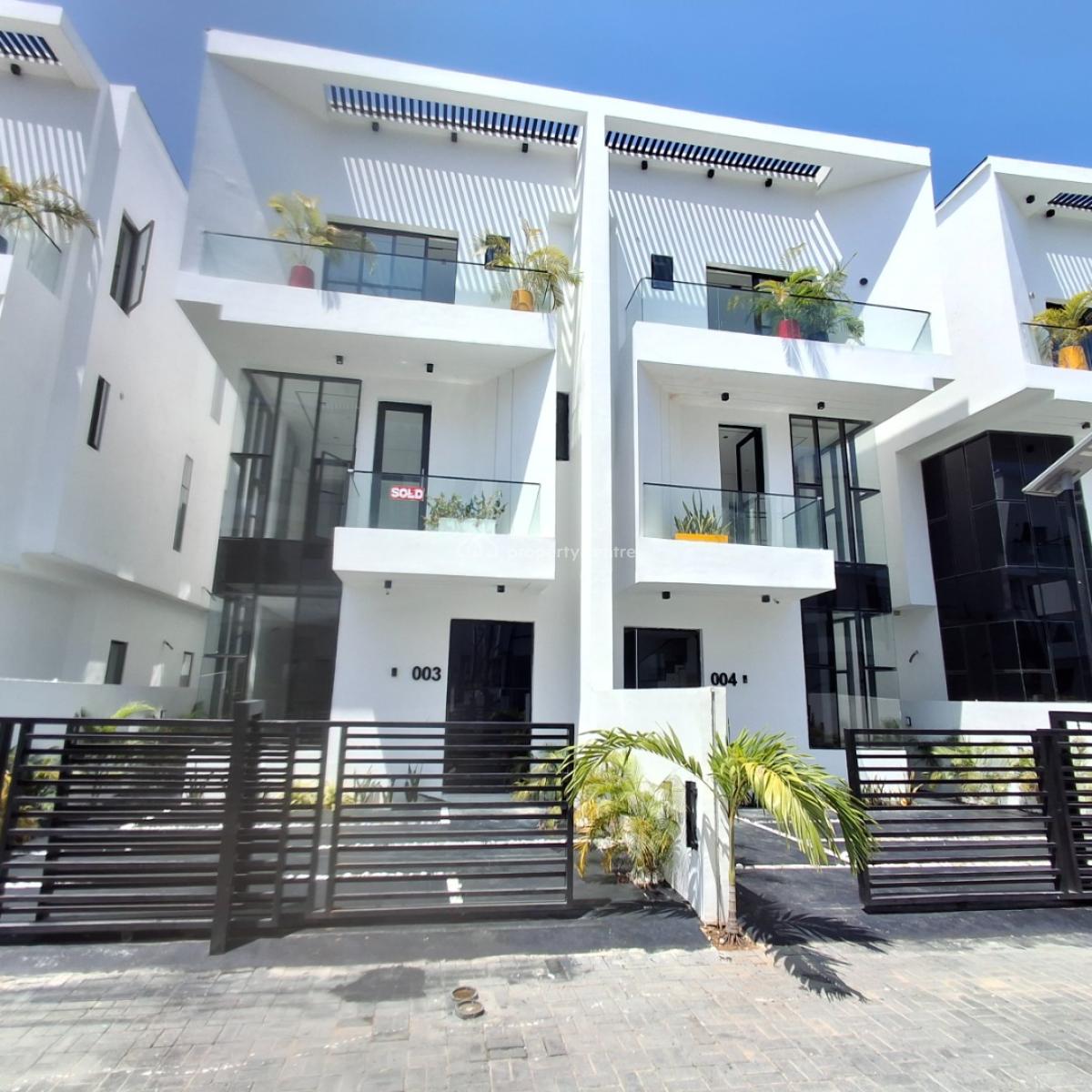
Before you close any deal, someone has to find the property and someone has to find the buyer or tenant. If you can do both, or even just one of them well, you will never struggle to find a role in this market. Property sourcing and property marketing are the two skills that underpin every other function in real estate agency.
Sourcing means finding properties before other agents do, or finding properties that are not yet publicly listed. This happens through direct cold outreach to landlords, through conversations in communities where people know who owns what, through relationships with legal practitioners who handle property transfers, and through visibility in local real estate WhatsApp groups where off-market deals sometimes circulate. A sourcer who consistently brings unique, verified listings to established agencies becomes indispensable over time, often without ever having to formally market themselves.
Marketing means driving demand. In a market where most agents post blurry photos and vague descriptions, simply being able to write a clear, accurate property listing with good images and honest location details is already a differentiator. Developers who are selling off-plan units spend enormous sums on marketing. If you can demonstrate that you understand their buyers and can bring them leads that convert, many will pay you per closed deal or bring you on as part of their marketing engine.
Digital platforms have changed what marketing means in Nigerian real estate. Buyers in the diaspora searching for investment property in Lagos, young professionals in Abuja looking for their first home, SME owners looking for commercial space in Ibadan: these are real audiences that can be reached through social media, Google ads, and targeted content. An agent who understands how to use these tools, who can produce a short video tour of a property and get it in front of the right people, does not need an office to compete with larger firms. They need a phone and a clear understanding of who they are trying to reach.
What Licensing Actually Requires in Nigeria Today
The regulatory picture for real estate practice in Nigeria is more complicated than most people realise, and getting it wrong can expose you to serious risk, especially in Lagos where enforcement has become active.
At the federal level, the Estate Surveyors and Valuers Registration Board of Nigeria (ESVARBON) is the statutory body that regulates estate practice, established under Decree No. 24 of 1975. Obtaining an ESVARBON individual license costs N100,000, while corporate registration costs N500,000. This process involves completing an approved training programme, passing licensing examinations, and meeting practical experience requirements.
In Lagos specifically, there is an additional layer. The Lagos State Real Estate Regulatory Authority (LASRERA) was established under the LASRERA Law signed in February 2022. In June 2025, Barakat Odunuga-Bakare, who serves as Special Adviser to the Governor on Housing and heads LASRERA, made it unambiguous: conducting any real estate transaction in Lagos without a valid LASRERA certificate is illegal. The annual registration fee LASRERA announced was N1 million, a figure that immediately drew strong pushback from industry stakeholders. The president of the Lagos chapter of the Real Estate Developers Association of Nigeria, Akintoye Adeoye, called for the fee to be reviewed downward, suggesting N500,000 as a more workable figure. As of the time of reporting, the debate around this fee remains active, and anyone intending to practice in Lagos should verify the current applicable rates directly with LASRERA.
Beyond the registration cost question, the LASRERA development signals something important about the direction of the industry. Akin Opatola, the Chapter President of FIABCI Nigeria, put it plainly: unqualified people from completely unrelated trades have been flooding the market and calling themselves real estate agents, and the damage they do reflects badly on the entire profession. The enforcement push is a response to that problem, and it is unlikely to reverse.
For a new entrant, the practical implication is this: if you intend to operate as an independent agent and handle your own transactions, you need to get licensed. If you are starting by working under an established and licensed agency, you may be able to operate within their regulatory cover initially. That approach works while you build your capital and knowledge base toward getting your own certification. It should not be a permanent arrangement.
For business registration, CAC business name registration currently costs N10,000 and is the minimum legal structure for operating as a sole proprietor. If and when you incorporate as a limited liability company, the fee starts at N10,000 plus documentation costs. Lagos’s housing budget rose by 81.7% to N101.6 billion in 2025, signalling that the government is investing in the sector while simultaneously regulating it more tightly. Both of those realities affect you as a new operator.
Building Your Network Before You Have Anything to Sell
In Nigerian real estate, your network is not just helpful. It is functional capital. The deals that never get publicly listed, the developer who needs three more buyers to complete an off-plan project, the landlord who wants to sell quietly to avoid publicity, the investor looking for land in a specific corridor that is about to gain from a government infrastructure project: all of these circulate through people, not platforms. If you are in the right conversations, you have access to transactions that nobody else does.
Building that network starts with going to where the industry gathers. NIESV events, REDAN conferences, Real Estate Unite, and various developer-hosted launches are the places where principals, agents, lawyers, and investors converge. You do not need to attend as a speaker or exhibitor. You need to attend, listen, introduce yourself properly, and follow up with the people you meet. Most new entrants underestimate the compound value of showing up consistently over a twelve-month period.
Online communities matter equally. The Lagos real estate WhatsApp groups, Telegram channels, and LinkedIn networks are active, transactional spaces. Deals get shared. Developers post off-market opportunities. Agents post mandates. Property managers post management briefs. Getting into these circles, staying visible, and becoming known as someone who verifies listings before sharing them and delivers serious buyers when you bring them is a form of reputation-building that directly translates to income.
There is also value in cultivating relationships outside the immediate real estate circle. Lawyers handling property transactions, bankers whose clients are asking about mortgage options, accountants whose clients are sitting on cash and looking for somewhere to put it, civil servants who know about government land releases before the public does: these are all people whose professional proximity to property decisions can make them valuable referral sources. Knowing how to position yourself as someone they can send clients to, without making it transactional too early, is a soft skill the best agents in this market have developed deliberately.
The Risks You Must Understand Before You Earn a Kobo
Real estate in Nigeria is not an industry where optimism alone takes you far. There are specific, recurring risks that have destroyed people with far more experience and resources than a new entrant typically has, and understanding them is not optional.
Title document fraud is the most serious risk in the sector. The majority of properties in Nigeria do not have clean, unencumbered title documentation. LASRERA has handled over 1,700 reported fraud cases since 2020, many of them involving fake title documents and properties sold to multiple buyers simultaneously. For an agent, this means you can become unwittingly complicit in a fraud if you market a property without verifying the seller’s actual ownership and the authenticity of the documents they present. The bare minimum is confirming whether a Certificate of Occupancy (C of O), Deed of Assignment, or Governor’s Consent is genuine before promoting any property.
The Omo Onile problem is specifically Lagos-heavy and still very much alive. Omo Onile, meaning children of the landowners, are indigenous family members or their representatives who claim rights over land even after it has been sold. They show up during construction to demand levies at every stage. Foundation, fencing, roofing, gate installation, unloading of materials: each one can trigger a demand. A developer who enters a joint venture or development project without having resolved Omo Onile exposure upfront can find their costs ballooning beyond what was planned. For an agent or facilitator recommending a deal, understanding whether the land has clean Omo Onile history is part of your due diligence.
There is also the question of collecting fees without delivering results. LASRERA has explicitly stated that it is illegal for agents to collect payment without fulfilling the agreed services. This goes both ways. An agent who takes a client’s money and disappears is a fraudster. But an agent who structures their fee arrangement poorly, for example, receiving payment before closing a deal, also creates legal and reputational exposure. Learn to structure your commission arrangement clearly, in writing, before you do any work.
The broader regulatory risk is also worth naming. Operating as an unregistered agent in Lagos is now formally illegal under LASRERA rules. You can get started in the industry while pursuing your registration, particularly if you are working under a licensed firm. But running independent transactions without any registration, especially in Lagos, is a legal exposure you should not carry indefinitely.
How to Turn Your First Commission into a Real Business
The gap between earning a first commission and actually building a sustainable real estate business is where most people in this industry stall. They close one or two deals, spend the money, and are essentially starting from scratch again the next time. The transition from deal-chaser to business owner requires deliberate decisions at the earliest stage of your earnings.
The first priority should be formalisation. Use your first meaningful commission to register your business name with CAC if you have not done so already. Then begin working toward your professional registration, whether ESVARBON licensing or LASRERA certification in Lagos. These are not bureaucratic boxes to tick. They determine whether clients, especially serious corporate clients and diaspora investors, will trust you with their transactions.
The second priority is building a repeat-client model rather than a one-time-transaction model. Real estate transactions in Nigeria are still largely relationship-driven. A buyer who uses you to find a rental today may want to buy property in three years. A landlord who gives you one listing can give you five if you manage the first one well. Maintaining contact, sending occasional market updates, following up after transactions, and being present when clients are ready to make their next move is what distinguishes an agent who earns consistently from one who earns occasionally.
There is a longer game that some agents play well: accumulating knowledge about specific corridors or property types until they become the go-to person for that niche. An agent who spends two years understanding every plot in a rising area like Eleko or Bogije, who knows the developers active there, the title issues that exist on specific streets, and the price trajectory over the past four quarters, holds information that a buyer cannot get anywhere else quickly. That depth of expertise is what converts an agent from a middleman into an advisor, and advisors command both higher fees and stronger client loyalty.
Some people in this position eventually move into property management, handling collections, tenant relations, and maintenance for landlords who lack the time or appetite for direct management. Others move into full development by co-investing with trusted partners once they have built savings from commissions. Others stay in agency at high volume, working multiple listings across markets and building a team that handles sourcing and closings simultaneously. All of these are legitimate destinations. The point is that the early phase, starting with nothing but showing up and learning the market, is not the destination. It is the foundation.
The Long-Term View on Starting from Zero
Nigeria’s real estate market is large enough, active enough, and structurally undersupplied enough to support many more participants than it currently has. The challenge has never been a lack of opportunity. It has been a lack of clarity about which opportunities are accessible without upfront capital, and a lack of patience for the slower, more unglamorous work of building knowledge and credibility before expecting income.
Starting with nothing means your asset is information and relationships. That means doing the groundwork that other people skip: verifying listings, understanding title documents well enough to flag problems, learning specific geographic markets until you can answer questions that buyers cannot find answers to online. None of that requires money. It requires the discipline to treat a zero-capital start not as a handicap to work around but as the specific path that forces you to develop skills that will serve you long after you have capital to deploy.
The regulatory landscape is also tightening in ways that will, over time, benefit people who enter the industry properly. As LASRERA and ESVARBON registration becomes enforced more consistently, the field of unlicensed operators shrinks. The serious buyers and developers in this market are already gravitating toward verified, registered practitioners. Getting licensed may feel like a cost today, but within a few years, it will be the minimum standard for competing in this industry at any meaningful level.
Real estate in Nigeria rewards people who understand the market, know how to manage relationships, and are willing to operate with enough professionalism to distinguish themselves from the many operators who cut corners. That description fits anyone willing to put in the time, regardless of how much money they started with.