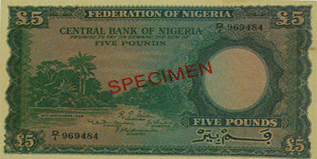
On July 1, 1959, the Central Bank of Nigeria released the country’s first indigenous banknotes, replacing the West African Currency Board notes that had served the region for decades.
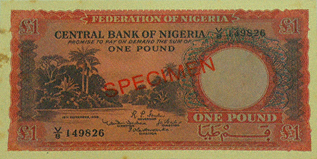
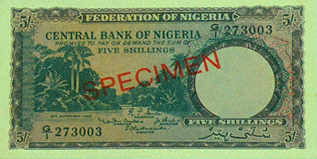
According to the CBN, the new notes, unveiled in Lagos, were issued in denominations of 5 shillings, 10 shillings, £1, £5, and £10.
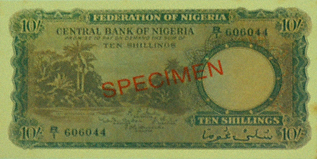
Each note carries distinctive Nigerian imagery and the inscription “Central Bank of Nigeria” — a clear mark of the nation’s growing autonomy three months before political independence.
Chief O.O. Alakija, Central Bank Governor said the currency represents “a tangible expression of Nigeria’s economic sovereignty.”
The notes feature agricultural and cultural motifs, with portraits that celebrate the country’s heritage. The £1 note shows a farmer with palm produce, while the 10 shillings depicts a fisherman — scenes familiar to millions of Nigerians.
The introduction follows the Central Bank of Nigeria Act of 1958, which established the bank to issue legal tender and manage monetary policy. Until now, currency for Nigeria, Ghana, Sierra Leone, and The Gambia was printed by the West African Currency Board in London.
For everyday transactions, little changes immediately. The new shillings and pounds circulate alongside existing West African Currency Board notes, which remain legal tender for a transition period. Traders and banks across Lagos, Kano, and Enugu began receiving the new notes yesterday morning.
Market woman Madam Comfort Adeyemi at Oshodi Market said: “If the money has our own bank’s name on it, then it’s our money. That’s progress.”
The currency would remain in pounds, shillings, and pence until 1973, when Nigeria decimalized and introduced the naira and kobo.
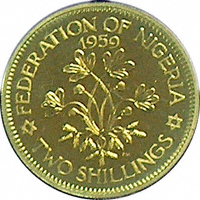
Officials say printing of coins in 1/2d, 1d, 3d, 6d, 1/-, and 2/- denominations will follow later this year. The move sets the stage for full monetary control when Nigeria becomes independent on October 1, 1960.