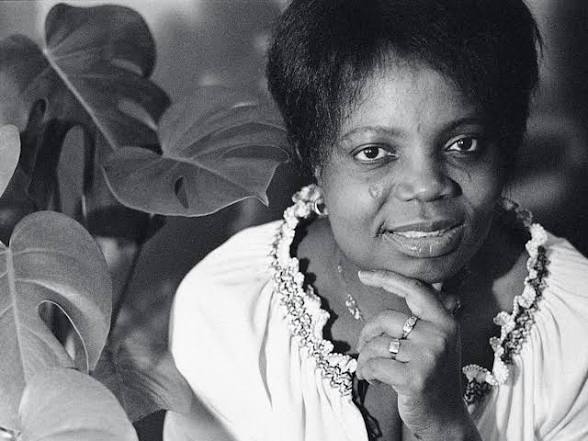
On July 21, 1944, Buchi Emecheta, one of Nigeria’s most celebrated novelists, was born to Igbo parents in Yaba, Lagos.
Emecheta, best known for her 1974 semi-autobiographical novel “Second Class Citizen”, built a body of work that spans novels, plays, autobiography, and children’s books.
Her writing centered the experiences of Nigerian women navigating tradition, migration, poverty, and identity in both Igboland and Britain. Her early life and migration to the United Kingdom in the 1960s shaped much of her work.
Her book _Second Class Citizen_ documented the challenges of an African woman raising children alone in London while confronting racism and cultural dislocation. The book became a staple in literature curricula across Africa, Europe, and North America.
She followed it with other critically acclaimed novels including _The Bride Price_ (1976), _The Slave Girl_ (1977), and _The Joys of Motherhood_ (1979). Each explored themes of gender, economic survival, and the tension between indigenous customs and modernity.
Beyond adult fiction, Emecheta also wrote plays and children’s literature, making her one of the few Nigerian authors of her generation to work across multiple genres. Her autobiography further cemented her reputation as a candid chronicler of personal and societal transformation.
Literary scholars credit her with opening space for Nigerian women’s narratives in global publishing at a time when the canon was dominated by male voices.
Industry observers note that Emecheta’s work continues to drive sales in academic and general trade markets, with her titles regularly reprinted by major publishers. Bookshops in Lagos, Abuja and Port Harcourt still list _The Joys of Motherhood_ and _Second Class Citizen_ among top-selling African classics.
As Nigeria’s creative sector seeks to expand exports of intellectual property, Emecheta’s catalogue is often cited as an example of literature with enduring commercial and cultural value.