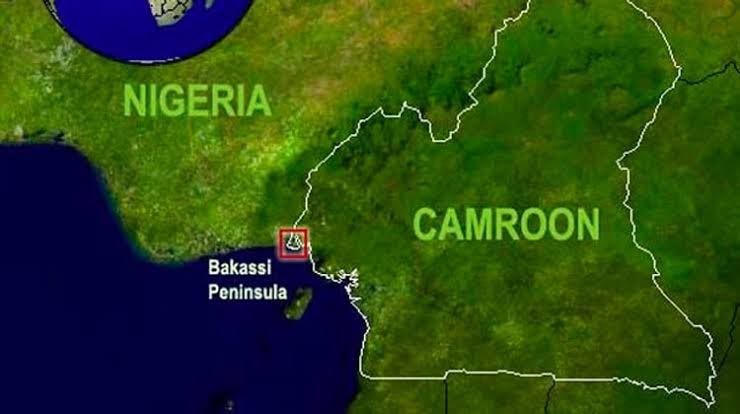
On August 1, 2006, Nigeria began formally withdrawing its troops from the disputed Bakassi Peninsula, launching a phased handover of the oil-rich territory to Cameroon.
Recall that the International Court of Justice ruled in October 2002 that sovereignty over Bakassi belonged to Cameroon, a decision aimed at ending decades of border tension.
According to military sources, the first batch of Nigerian soldiers stationed in the peninsula started vacating key outposts.
The process is being supervised by the Nigeria-Cameroon Mixed Commission with observers from the United Nations.
“This is in line with our commitment to peace and adherence to international law,” a senior military officer at the handover site said. “The withdrawal will be gradual to ensure the safety of civilians and to maintain stability in the area.”
Located at the mouth of the Cross River estuary, Bakassi has been a flashpoint since Nigeria’s independence. Valued for its fishing grounds and potential offshore oil reserves, the peninsula saw several clashes between Nigerian and Cameroonian forces in the 1990s.
In a landmark judgment on October 10, 2002, the ICJ ruled in favor of Cameroon. To prevent further conflict, former Presidents Olusegun Obasanjo and Paul Biya signed the Greentree Agreement in New York on June 12, 2006, with UN Secretary-General Kofi Annan as witness. The agreement set out the timeline for the transfer.
Under its terms, Nigeria has up to two years to complete the troop withdrawal and transfer civil administration. Cameroon, in turn, is expected to guarantee the rights, property, and nationality of Nigerian citizens living in Bakassi during a transitional period.
Reactions in nearby Calabar and Bakassi communities have been mixed. While some residents welcomed the prospect of lasting peace, others expressed concern over livelihoods and citizenship status as the administration changed hands.