Nigeria’s next political chapter has begun taking shape with a new calendar that will determine when parties, candidates, voters and election officials move from preparation into full electoral activity. The road to the 2027 General Election is no longer a distant political conversation as the Independent National Electoral Commission has released a revised timetable that places key activities on specific dates, creating a clearer picture of how the contest will unfold.
The revised schedule affects some of the most important stages of the election process, from the period political parties choose their candidates to the moment presidential hopefuls, governors and lawmakers officially seek votes from Nigerians. Behind every date on the timetable is a major political decision that could influence party strategies, alliances, campaign plans and the direction of the country’s next electoral battle.
With political movements already gathering momentum ahead of 2027, the new INEC calendar provides the framework that will guide one of Nigeria’s most closely watched elections. The timetable does not only mark election days, it also sets the pace for months of internal party negotiations, candidate selection processes, campaign activities and public debates that will shape the choices Nigerians make at the polls.
Revised election roadmap takes shape
The Independent National Electoral Commission’s revised timetable introduced changes to the original schedule released for the 2027 General Election. The adjustment was designed to align election preparations with changes in Nigeria’s electoral legal framework, affecting important stages such as election dates, party primaries, candidate nominations and campaign periods.
The commission’s updated schedule gives political parties a defined timeline to complete internal processes before presenting candidates for the general election. This means parties must carefully manage their affairs, as the period between selecting candidates and beginning official campaigns will require quick coordination, legal compliance and nationwide organisation.
The revised calendar places the presidential and National Assembly elections before the governorship and State Assembly elections, maintaining Nigeria’s usual electoral sequence where federal elections take place before state level contests.
Presidential election date moves forward
The presidential and National Assembly elections have been scheduled for Saturday, January 16, 2027.
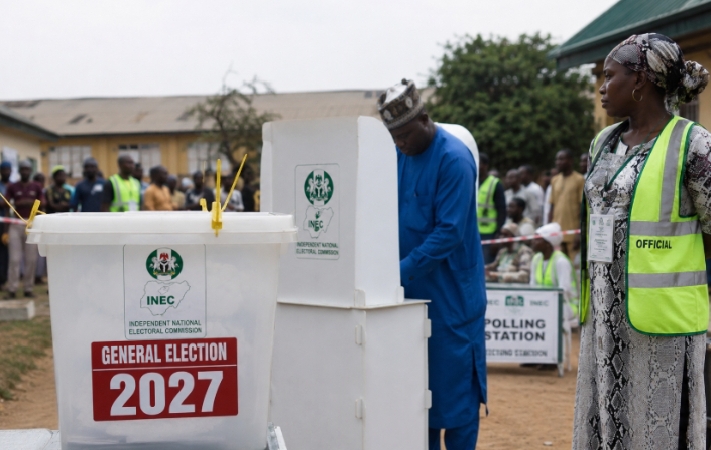
The election will decide who occupies Nigeria’s highest political office while also determining the next set of representatives in the Senate and House of Representatives. Millions of registered voters across the 36 states and the Federal Capital Territory will participate in choosing the country’s president, senators and members of the House of Representatives.
The new date represents a change from the earlier timetable, which had placed the presidential and National Assembly elections on Saturday, February 20, 2027.
The movement of the election date brings forward one of the most important moments in Nigeria’s democratic calendar. Presidential candidates and their political parties will have to build their campaigns around the earlier voting date, adjusting their strategies for mobilisation, rallies, media engagement and voter outreach.
The January 16, 2027 date also means political activities surrounding the presidential contest will reach their peak earlier than many observers had initially expected. Candidates will need to complete internal party processes, prepare campaign structures and present their messages to voters within the timeframe provided by INEC.
Governorship election gets new date
The governorship and State Assembly elections will take place on Saturday, February 6, 2027.
The election will determine the governors who will lead Nigeria’s 36 states for the next political cycle, alongside deputy governors and members of state Houses of Assembly.
The earlier timetable had fixed the governorship and State Assembly elections for Saturday, March 6, 2027.
The revised date means state level candidates will also operate under a shorter electoral timeline compared with previous expectations. Governorship aspirants, political parties and legislative candidates must prepare their campaigns while managing internal party structures, grassroots mobilisation and voter engagement activities.
The February 6, 2027 election will come after the presidential contest, meaning political attention will quickly move from national issues to state based concerns such as infrastructure, education, healthcare, security, employment opportunities and local development.
Official campaign period begins
One of the major highlights of INEC’s revised timetable is the announcement of the official dates when political campaigns can legally begin.
Presidential candidates, Senate candidates and House of Representatives candidates will begin official campaigns on Wednesday, August 19, 2026.
From this date, candidates will have the legal opportunity to publicly present their programmes, visit different parts of the country, hold rallies and directly appeal for votes ahead of the January 16, 2027 election.
The August 19, 2026 campaign opening date means Nigeria’s presidential race will officially enter a new phase months before voters head to polling units. Political parties will move from internal planning into open competition as candidates attempt to convince Nigerians about their vision, policies and leadership ability.
The period before the campaign start date will remain focused on party organisation, candidate emergence, fundraising, strategy development and preparation of campaign structures across the country.
State campaigns begin later
Governorship and State Assembly campaigns will officially begin on Wednesday, September 9, 2026.
The separate date allows state level candidates to begin their campaigns after the presidential and federal legislative campaigns have already entered the public space.
Governorship candidates will then be able to launch their statewide campaigns, introduce their policy plans and begin direct engagement with voters across their states.
The difference between the federal and state campaign dates creates separate stages within the wider election season. While national political conversations will dominate earlier months, state elections will gradually become a major focus as candidates compete for control of state governments and legislative houses.
Campaign activities must end before voting
According to the revised timetable, political campaigns must stop 24 hours before each election day.
This requirement means presidential and National Assembly candidates must end campaign activities before the January 16, 2027 election, while governorship and State Assembly candidates must conclude their campaigns before the February 6, 2027 election.
The restriction is part of Nigeria’s electoral regulations designed to provide a period of calm before voting begins. During this period, political parties are expected to respect the rules guiding election activities and avoid actions that could affect the credibility of the process.
The campaign deadline also gives voters time to consider candidates, review their choices and prepare for the final decision at the ballot box without active campaign activities continuing until election day.
Party primaries set the stage
Before Nigerians decide who will lead the country in 2027, political parties must first complete the process of selecting their candidates. The revised INEC timetable places party primaries between Thursday, April 23, 2026 and Saturday, May 30, 2026.
This period will be one of the most important stages in the journey to the general election because it will determine the individuals who will carry the flags of the major political parties. Presidential aspirants, governorship hopefuls, lawmakers and other candidates will compete within their parties before they can appear on the general election ballot.
The primary election period will cover different levels of contests, including presidential, governorship, Senate, House of Representatives and State Assembly positions. Political parties are expected to conduct their internal elections according to the provisions of Nigeria’s electoral laws and submit their successful candidates through the required INEC procedures.
The outcome of the primaries will shape the political landscape ahead of 2027. Candidates who emerge from these processes will move into the next stage of preparing campaign structures, while political parties will begin focusing on national coordination, voter mobilisation and election strategy.
Party membership register submission
Before the commencement of party primaries, political parties are required to submit their membership registers to INEC.
The timetable places this activity between Wednesday, April 1, 2026 and Tuesday, April 21, 2026.
The submission of membership registers is a key part of the electoral preparation process because political parties must provide accurate records of their members before conducting their primaries. These records help establish the participants who are eligible to take part in internal party decisions.
The period will also require parties to organise their structures properly as they prepare for the selection of candidates. Internal disagreements, membership issues and disputes over party procedures could become major issues during this stage because the outcome of primaries often determines the direction of a party’s campaign.
Candidate nomination process begins
After political parties complete their primaries, the next major step will be the submission of candidate nomination documents to INEC.
For presidential and National Assembly candidates, the nomination period is scheduled from Saturday, June 27, 2026 to Saturday, July 11, 2026.
During this period, political parties will formally submit the names and documents of their candidates for the presidential election, Senate contests and House of Representatives elections.
The nomination process allows INEC to begin verifying candidate information and preparing the official list of people who will participate in the election. Candidates must meet the requirements established by Nigeria’s electoral laws before their names can appear on the final ballot.
For governorship and State Assembly candidates, nomination activities will take place from Saturday, July 18, 2026 to Saturday, August 8, 2026.
This stage will complete the process of identifying the candidates who will contest the state level elections across Nigeria.
The journey from primaries to campaigns
The timeline between party primaries and official campaigns will be a crucial period for political parties.
After candidates emerge between April 23, 2026 and May 30, 2026, parties will have limited time to settle internal issues, organise campaign teams and prepare their messages before the official presidential and National Assembly campaign begins on August 19, 2026.
This period is expected to witness political negotiations, strategic meetings and efforts by parties to unite different groups behind their candidates. In Nigeria’s political system, the period after primaries is often significant because unsuccessful aspirants must decide whether to support their party’s candidate, negotiate new roles or pursue other political options.
The ability of parties to manage internal disagreements during this period could influence their strength going into the general election.
Why INEC moved election dates
The decision to revise the election timetable was linked to changes in Nigeria’s electoral framework, which affected some of the timelines guiding election preparations.
The earlier February 20, 2027 date for the presidential and National Assembly elections raised scheduling concerns because it was close to the expected Ramadan period. Adjustments to the legal timelines governing election planning gave INEC room to move the election dates forward.
By fixing the presidential election for January 16, 2027 and the governorship election for February 6, 2027, the commission created a different electoral schedule that provides more space around important periods that could affect election arrangements.
Election dates are usually planned years before voting because they involve extensive preparation, including logistics, voter education, security coordination, recruitment of election officials and distribution of materials across thousands of polling units.
Full 2027 election timeline
The revised INEC timetable creates a sequence of activities that will guide Nigeria’s electoral process from 2026 into 2027.
The first major activity begins on Wednesday, April 1, 2026, when political parties start submitting their membership registers to INEC. This process ends on Tuesday, April 21, 2026.
Party primaries then begin on Thursday, April 23, 2026 and continue until Saturday, May 30, 2026.
After candidates emerge, presidential and National Assembly nomination submissions will take place from Saturday, June 27, 2026 to Saturday, July 11, 2026.
Governorship and State Assembly nomination submissions will follow from Saturday, July 18, 2026 to Saturday, August 8, 2026.
Official presidential and National Assembly campaigns begin on Wednesday, August 19, 2026.
Governorship and State Assembly campaigns begin on Wednesday, September 9, 2026.
The presidential and National Assembly elections will hold on Saturday, January 16, 2027.
The governorship and State Assembly elections will take place on Saturday, February 6, 2027.
This sequence creates the official pathway from internal party decisions to nationwide voting.
Political parties enter preparation mode
The revised timetable places major responsibility on political parties because every stage of the process comes with deadlines that must be followed.
Parties will need to balance candidate selection, campaign planning, fundraising, grassroots organisation and legal requirements within the available timeframe.
For major parties such as the All Progressives Congress, People’s Democratic Party, the Labour Party, the period leading to 2027 will involve decisions that could influence their chances across different levels of government.
The timetable also provides smaller political platforms with a clear structure to prepare their candidates and participate in the electoral process.
With the official campaign window beginning in August 2026, political parties will have to present their messages early and build connections with voters before election day arrives.