For years, P-Square represented more than music. The name carried memories of sold out concerts, unforgettable performances, family ambition and the rare chemistry between 2 brothers who changed the sound of Nigerian pop culture. Behind the fame, however, was a complicated story involving business decisions, family relationships and disagreements that continued to follow the group even after their biggest successes.
The latest chapter of the P-Square saga has reopened old wounds and introduced new questions as Peter Okoye, Paul Okoye and Jude Okoye once again find themselves at the centre of a public conversation that has attracted former associates, entertainers, influencers and millions of fans across Nigeria. The battle has moved beyond a music group’s breakup, becoming a wider discussion about trust, accountability, loyalty and the price of mixing family with business.
Between July and August 2026, fresh revelations from the Okoye brothers created another wave of controversy, with each side presenting a different version of events surrounding one of Africa’s most successful music brands. As Peter Okoye, also known as Mr P, shared his experiences, Jude Okoye defended his role, while Paul Okoye, popularly called Rudeboy, maintained a different position from his twin brother.
The conversation became even louder as personalities including Cynthia Morgan, VeryDarkMan, GehGeh and Xxssive entered the discussion, each bringing their own experiences, opinions and questions about the events that shaped P-Square’s journey.
July 2026: Mr P Opens Another Chapter of P-Square’s Story
July 2026 marked a major turning point in the renewed P-Square controversy after Peter Okoye began releasing a series of statements and videos explaining his side of the story. His message focused on what he described as years of hidden issues surrounding the group’s success, management structure and internal disagreements.
Peter’s position was that the public had only seen the glamorous side of P-Square, while many important events behind the scenes remained unknown. He argued that the problems affecting the group were deeper than ordinary disagreements between brothers and involved issues of trust, transparency and decisions that affected the P-Square brand.
Among the major claims raised by Peter was that he felt betrayed by people close to him and that internal decisions contributed to the damage of the partnership that created some of Africa’s biggest music moments.
He also questioned the reality of the group’s previous reunion, suggesting that the comeback was not as genuine behind the scenes as fans believed. According to his narrative, unresolved issues continued to exist despite public appearances showing the brothers working together again.
One of the biggest issues that gained attention was Peter’s claims concerning financial transparency. Reports from his revelations included allegations involving P-Square related funds and a reported $3.2 million forex account. Those claims remain disputed by the people involved, with different sides presenting different explanations about the financial matters.
Jude Okoye Defends His Legacy, Rejects Peter’s Claims
Jude Okoye, who played a major role as P-Square’s manager during the height of the group’s success, responded by defending his contributions to the brand and rejecting accusations against him.
For Jude, the story being presented publicly did not represent the complete picture of what happened within the family and business structure that surrounded P-Square.
His position remained that he contributed significantly to building P-Square into an internationally recognised music brand and that accusations against him ignored years of work, sacrifice and investment behind the scenes.
Jude’s supporters have argued that managing a group as successful as P-Square involved difficult decisions and responsibilities that were not always visible to fans. They believe the full story involves multiple perspectives rather than one person’s account.
The controversy also became connected to legal issues involving allegations of financial crimes. Jude has denied wrongdoing, maintained his innocence and challenged accusations made against him.
The public battle between Peter and Jude created another major question around P-Square’s history: where does management responsibility end and family responsibility begin?
Paul Okoye Takes a Different Position
While Peter continued explaining his grievances publicly, Paul Okoye took a different approach during the renewed crisis.
Rudeboy’s position focused more on questioning the decision to make family disagreements public and defending Jude during the controversy.
Paul argued that serious accusations should be handled through proper channels rather than through public exchanges that could damage family relationships and the reputation of the P-Square name.
His position created another layer to the conflict because many fans who expected both twins to stand together saw Paul and Peter presenting different views about their family situation.
Paul’s side maintained that Jude deserved fairness and that accusations should be supported with evidence rather than judged through social media reactions.
The disagreement between the twins became one of the biggest talking points of the saga because P-Square’s identity had always been built around their unity, partnership and connection.
EFCC Twist Brings New Questions
Another major development came after discussions surrounding documents connected to Peter’s EFCC petition entered public conversation.
Reports claimed that documents showed Peter requested investigations involving accounts connected to Paul, despite earlier public statements where the focus appeared to be mainly on Jude. Peter’s side disputed aspects of how the matter was being presented.
The development changed the direction of the conversation because it raised questions about whether the dispute was strictly between Peter and Jude or whether deeper disagreements existed between the twins themselves.
For fans who followed P-Square from their early days, the situation became more emotional because the disagreement involved not just business partners but brothers whose music helped define an era.
The EFCC angle added another complicated layer to a dispute already involving allegations, family loyalty and questions about who should take responsibility for the collapse of one of Nigeria’s biggest music partnerships.
Cynthia Morgan Returns to the Conversation, Revisits Jude Okoye Dispute
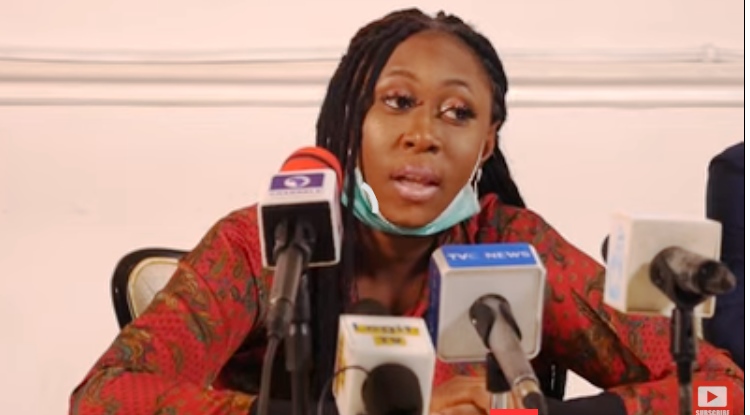
The renewed P-Square controversy took another turn when Cynthia Morgan entered the conversation, bringing back memories of her own highly publicised disagreement with Jude Okoye during her time under Northside Entertainment.
Cynthia, who was previously signed to the label associated with Jude Okoye, reacted strongly to Jude’s comments surrounding Peter Okoye’s career and the ongoing family dispute. Her response was not just about the current P-Square situation but also connected to her own experience with Jude during the period when their professional relationship ended.
Cynthia accused Jude of controlling narratives and claimed that her past experience gave her a different perspective on the allegations being discussed. She stated that she believed Jude had a history of presenting situations in a way that favoured his own position.
She said:
“One thing I know for sure about Jude Okoye is, he can make the truth disappear either in front or behind camera. I am a living witness to his wickedness.”
Cynthia also alleged that Jude previously used VeryDarkMan against her because he was concerned about a clip from her documentary being released.
She said:
“He used VDM to go against me because he was scared of a clip released from my documentary.”
Her comments immediately attracted attention because of the history between Cynthia and Jude. Their dispute became one of Nigeria’s biggest entertainment conversations in 2020 after Cynthia accused the label of issues surrounding her career. Jude denied wrongdoing at the time and provided his own explanation about what happened.
The latest exchange brought the old disagreement back into public discussion, with Cynthia suggesting that her experience with Jude was connected to the concerns Peter was now raising.
Cynthia Questions Jude’s Comments About Peter Okoye
One of the issues that triggered Cynthia’s reaction was Jude’s comparison of Peter and Paul’s current career situations.
Cynthia accused Jude of attempting to portray Peter as struggling while presenting Paul as the more successful brother. She argued that public attention and music trends did not support that position.
She said:
“Look what he said in his recent video yesterday, downgrading Peter by saying he is going down, while Paul is going up. That is how evil and wicked he is.”
She added:
“We all know who is doing well and whose music is going viral.”
Cynthia’s reaction became another major moment in the P-Square saga because it introduced the perspective of a former artiste who had previously worked within Jude’s management structure.
Her comments also expanded the debate beyond the Okoye family, bringing questions about management relationships, artiste development and the responsibilities of those who control entertainment careers.
Xxssive Attacks Jude Okoye, Says Fans Lost P-Square
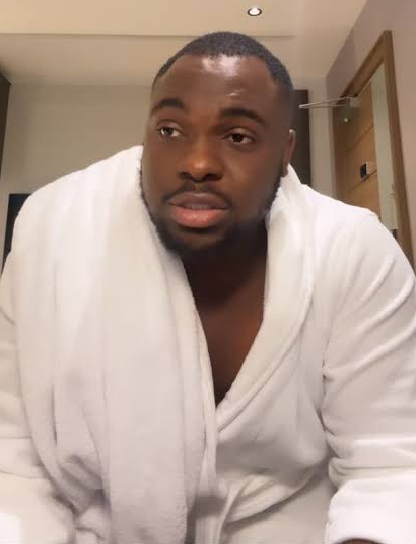
Another strong reaction came from content creator Xxssive, who criticised Jude Okoye over the collapse of P-Square and argued that fans were the biggest losers from the group’s repeated conflicts.
Speaking directly to Jude, Xxssive questioned why the relationship between Peter and Paul was allowed to deteriorate despite the cultural importance of P-Square.
He said:
“This is a message to Jude Okoye. Respectfully, you dey cr@ze. For you to deprive us of Psquare. You know wetin be Psquare?”
Xxssive argued that P-Square represented something bigger than any individual involved in the group. According to him, the combination of Peter and Paul’s talents was what created the brand that millions of fans connected with.
He said:
“You’re nothing without Psquare. With or without you, Psquare remains Psquare.”
His criticism focused heavily on the argument that the value being discussed came from the music created during the P-Square era.
He said:
“The money wey una dey fight and argue over till today na from the Psquare catalogue.”
Xxssive also argued that neither Peter nor Paul’s solo careers reached the same level of impact as their combined work under P-Square.
He said:
“Peter and Paul will never sing any individual song that will be bigger than Psquare. They will never have any solo song that’s bigger than Psquare.”
Xxssive Questions Jude’s Management History
Beyond the P-Square issue, Xxssive expanded his criticism to Jude’s previous relationships with artistes connected to his management.
He mentioned names including Cynthia Morgan and May D while accusing Jude of being involved in repeated career disputes.
He said:
“You are the k!!ler of careers. Cynthia Morgan, May D, Psquare oo. Judas Iscariot, why always you?”
The statement reflected one side of a wider public debate about Jude’s role as a manager. Some people have argued that a manager’s responsibility is to protect an artiste’s career and relationships, while others believe entertainment disputes are often more complicated than public conversations suggest.
Jude has denied accusations of wrongdoing in past controversies and has maintained that his decisions were made with the interest of the artistes and the business structure in mind.
VeryDarkMan Reveals Private Conversation With Peter Okoye
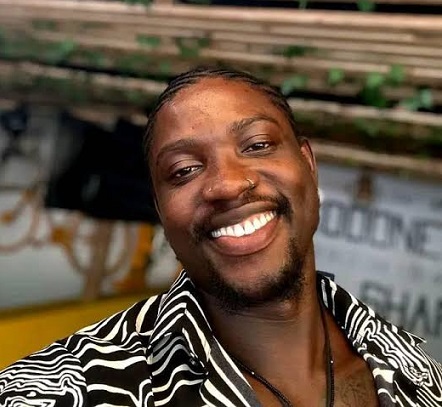
VeryDarkMan’s involvement created another major development in the P-Square discussion after he claimed Peter Okoye had privately shared details of the dispute with him more than 1 year before the latest public revelations.
VDM made the statement while responding to criticism over his previous defence of Jude Okoye during the Cynthia Morgan controversy.
Some online users had questioned why he defended Jude in the past while now appearing to understand Peter’s position.
Explaining his stance, VDM said:
“A lot of people have been insulting me on Twitter because I had previously spoken about Cynthia Morgan and Jude and in my videos, I defended Jude 100 percent. Some even said I have been paid.”
He continued:
“But there’s a back story to all these. Everything Peter has been sharing, from part 1 to part 8, I know about them all. Even the one he hasn’t shared, I know about them all.”
According to VDM, Peter contacted him privately more than 1 year earlier and explained the issues surrounding the P-Square business arrangement and his disagreements with Jude.
He added:
“Everything Peter of P-Square has said so far, I already knew about it. In fact, I even know what he’s likely to post tomorrow because he shared everything with me over a year ago.”
VDM’s statement changed the conversation because it suggested that the disagreement had existed privately long before it became a public battle.
His comments also introduced another question: how long had the issues inside P-Square been developing before fans became aware of them?
VDM Mentions Other Allegations, Calls for Context
During his explanation, VDM referenced allegations involving Jude and other artistes, including claims connected to singer Phyno. These claims remain allegations and have been denied by those accused.
VDM’s main argument was that the public was seeing only one part of a much longer story.
He explained that knowing Peter’s perspective gave him context about why certain allegations were being made and why the current dispute had reached this stage.
However, the reaction to VDM’s comments also highlighted the challenge of celebrity disputes where private conversations, public statements and legal matters often overlap.
His involvement added another layer to the P-Square saga because he was no longer simply commenting on the controversy, he was presenting himself as someone who had knowledge of the dispute before it became a major public issue.
GehGeh Questions Peter, Paul, Jude’s Roles in the Family Crisis
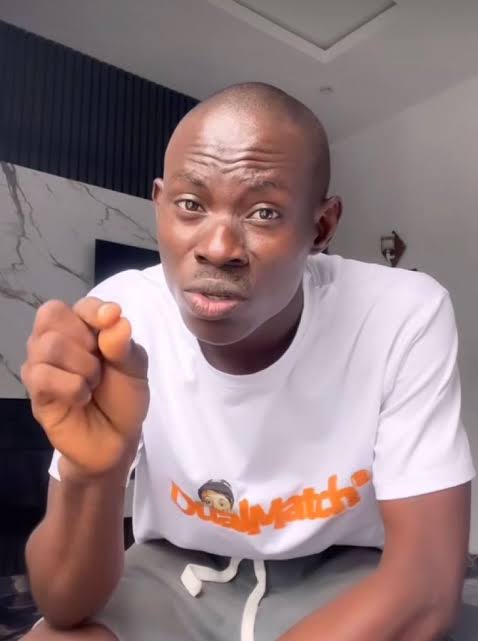
The P-Square controversy gained another voice when social commentator GehGeh reacted to the ongoing dispute, taking a different approach from those who focused mainly on allegations and counter allegations.
Rather than concentrating only on the financial and management issues surrounding the group, GehGeh focused on the family angle and questioned how a disagreement between 3 brothers who built one of Africa’s biggest music brands reached the stage where it became a public battle.
Addressing Jude Okoye, GehGeh used a symbolic reference to Peter and Paul as the “2 little black birds” from the popular nursery rhyme, asking why the relationship between the brothers had been allowed to suffer.
He said:
“Jude, wetin the 2 little black birds wey dey on the wall do you wey you take stone dem?”
For GehGeh, Jude’s position as the elder brother and former manager came with a responsibility beyond business decisions. He questioned whether Jude should have done more to protect the bond between Peter and Paul before the disagreement became a public issue.
He asked:
“You want to bring your 2 brothers down. What is the job of a brother to a brother?”
His argument focused on family responsibility, suggesting that the value of the Okoye relationship went beyond music contracts, money and business arrangements.
GehGeh Criticises Peter’s Public Approach
While some commentators directed their criticism mainly toward Jude, GehGeh also challenged Peter Okoye’s decision to continue releasing details of the dispute publicly.
He accused Peter of turning the conflict into a repeated public series instead of finding a private solution.
He said:
“Mr P, na b@d man you be. Sh@m£ on you.”
GehGeh further criticised the number of public statements released during the dispute, saying:
“Only you part 1, part 2, part 3, part 4, part 5, part 6, part 7. Na season film you dey act abi?”
According to GehGeh, even if Peter believed he had genuine concerns, repeatedly exposing family issues online could create more damage to the P-Square legacy.
His position introduced another perspective into the debate because it focused less on deciding who was right and more on questioning whether the public battle itself was hurting everyone involved.
Don Jazzy’s Father Appeals for Peace
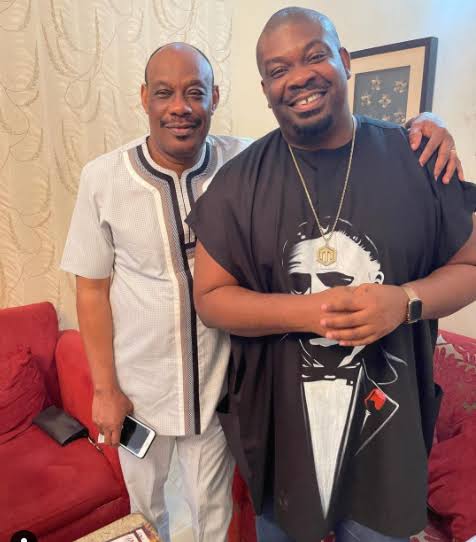
The renewed P Square fallout has also drawn an emotional intervention from Collins Ajereh, the father of music executive Don Jazzy, who chose not to attack Peter, Paul or Jude but instead addressed the situation from the perspective of a concerned father watching another family go through a painful public crisis.
Ajereh’s reaction came on August 7, 2026, as more celebrities and public figures continued commenting on the dispute between Peter Okoye, Paul Okoye and their elder brother Jude Okoye. His message was particularly emotional because of the close relationship between the Okoye family and his own family, with Ajereh previously showing support for Peter Okoye and Lola Omotayo.
“As a father, I am very sorry and emotional about all that has happened to this family. We love them so much,” Ajereh wrote, making it clear that his concern extended beyond the current accusations and arguments surrounding the brothers.
He went on to acknowledge their endurance through the difficult period, expressing gratitude for their lives, sustenance, decorum and matrimonial bond while promising to continue praying for them.
“All the same, I thank God for their lives, sustenance, endurance, decorum, matrimonial bond and will continue to keep them in my prayers,” he said.
Ajereh ended his message with an appeal for time, healing and divine intervention, asking that the difficulties surrounding the family eventually come to an end and that peace return to the relationship between the brothers.
“Time is a great healer and may God take control of their circumstances. What can I say? May all the tribulations pass away, God heal our broken hearts and grant peace to this family IJMN.”
His reaction stands apart from several of the other interventions because he did not publicly choose Peter, Paul or Jude’s side. Instead, his message focused on the human cost of a family dispute that has continued to unfold before millions of Nigerians.
Gabriel Afolayan Takes the Story Back to 2005
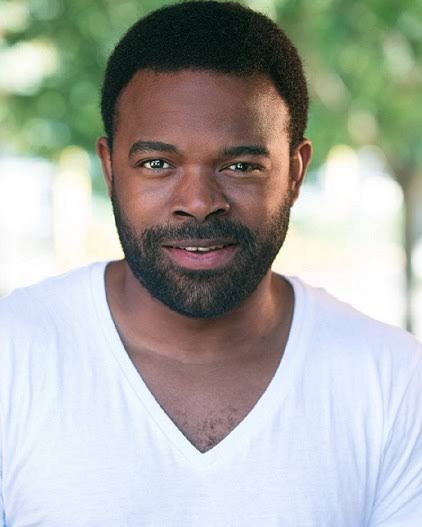
Nollywood actor and producer Gabriel Afolayan brought another dimension to the P Square controversy when he revealed that, from his own experience around the duo, the disagreements did not begin with the latest public revelations.
Afolayan spoke on August 7, 2026, recalling the period around P Square’s 2005 Get Squared era at EKO Reelmix Studio in Lagos. His account focused particularly on disagreements over song selection, claiming that Peter and Paul had arguments over whose songs should receive greater consideration whenever they prepared an album.
“The P Square story that I know dated back to 2005, Get Squared era, at EKO Reelmix Studio. They’ve always had issues with songs selection for any album they intend to release,” Afolayan said.
He further claimed that arguments would arise over which brother’s songs should be selected more frequently and identified Jude as the person who often had the final say in those decisions.
“Argument on whose songs should be picked more and Jude has always been a decider of that,” he added.
Afolayan then summed up the length of the tension with a short but striking statement that immediately connected his recollection of the group’s early years with the crisis now unfolding publicly.
“This fight don tey no be today. All through their prime era,” he said.
The importance of Afolayan’s intervention lies in the timeline he provided. The latest P Square controversy has been driven by accusations and counter accusations involving money, management, loyalty and the handling of the group’s affairs, but Afolayan’s account takes the story back to the period when Peter and Paul were still establishing themselves as a dominant force in Nigerian music.
His statement does not independently prove the wider allegations now being exchanged by the Okoye brothers, but it does provide a personal recollection of tensions surrounding creative decisions during P Square’s rise. It also puts Jude’s role as a manager back into the centre of the conversation, particularly because Afolayan specifically described him as a decider in the selection of songs.
That historical detail gives the latest fallout another layer because it suggests that disagreements surrounding creative control and management may have existed alongside the enormous success that fans saw on stage.
Saidaboj Tells Jude Okoye He “Sold Yourself Out”

Social media personality Saidaboj also entered the conversation on August 7, 2026, directing her reaction specifically at Jude Okoye and questioning his recent comments concerning Peter and Paul’s individual careers.
Saidaboj initially explained that she had deliberately stayed away from the dispute because she was not part of the Okoye family and did not know everything that had happened privately between the brothers. She said her decision changed after hearing Jude’s recent remarks.
“Initially, I didn’t want to say anything because I wasn’t there. I’m not in their family, I don’t know what happened,” she said.
She then turned directly toward Jude, arguing that his own statement had prompted her to reconsider remaining silent.
“But this thing you said, Mr Jude, you sold yourself out,” Saidaboj said.
Her strongest point came when she challenged the idea of comparing Peter’s career with Paul’s in terms of who was going up or going down. She questioned whether Jude, as their elder brother, could genuinely be comfortable with a situation where one twin succeeds while the other struggles.
“Let’s assume that Paul is going up and Peter is going down, will you be happy?” she asked.
The question became the central point of her reaction because it moved the conversation away from music rankings and career comparisons and back toward the family relationship at the heart of the P Square dispute.
Saidaboj’s intervention therefore places particular attention on Jude’s position as the elder brother. Her argument is that the fortunes of Peter and Paul should not necessarily be treated as competing outcomes when both remain members of the same family.
Her comments also add to the growing number of public reactions that have emerged as the latest P Square revelations continue to expose old disagreements and competing versions of events.
Who Supports Peter, Paul or Jude Okoye?
The latest reactions have made one thing clear, the P Square fallout has grown far beyond the 3 Okoye brothers, with Cynthia Morgan, VeryDarkMan, GehGeh, Xxssive, Gabriel Afolayan, Saidaboj, Collins Ajereh and others bringing their own experiences, observations and emotions into a dispute that has continued to unfold publicly.
Peter Okoye has received support from voices who believe his decision to speak openly about the issues surrounding P Square is part of a wider attempt to demand accountability and explain events that, according to his own account, remained largely unknown to the public for years. His revelations have therefore attracted people who want the financial and management questions surrounding the group to be addressed rather than buried under the family relationship.
Cynthia Morgan’s position carries a different weight because of her own history with Jude Okoye and Northside Entertainment. Her latest comments were not simply a reaction to Peter’s revelations, she connected the current dispute with her previous experience, accusing Jude of manipulating narratives and attempting to undermine Peter’s position while insisting that she had personally experienced what she described as his wrongdoing.
VeryDarkMan also leaned toward Peter’s side, although his involvement came with a significant personal explanation. VDM said Peter had privately told him the details of the dispute more than 1 year before the latest revelations became public, claiming that he already knew the allegations Peter was now discussing and even knew information that had not yet been released. His intervention therefore presented him as someone who had heard Peter’s side long before the public debate reached its current stage.
Xxssive was far more direct in his criticism of Jude, accusing him of depriving fans of P Square and questioning his role in the repeated breakdowns surrounding the group. His reaction focused heavily on the cultural value of Peter and Paul as a duo, arguing that the P Square identity was built around the twins themselves and that fans were the ones ultimately losing whenever the brothers remained divided.
GehGeh took a more confrontational but wider position, directing words at Jude while also attacking Peter for repeatedly releasing new parts of the dispute. His message questioned the responsibility of an elder brother to his younger siblings while simultaneously accusing Peter of turning the family crisis into a continuing series that Nigerians were being made to follow like entertainment.
Gabriel Afolayan brought a historical perspective by taking the story back to 2005, recalling disagreements over song selection during the Get Squared era and saying Jude had often been the person who decided which songs would make the album. His account did not simply take the conversation into the present, it suggested that disagreements surrounding creative decisions had existed during P Square’s prime years.
Saidaboj also directed her attention toward Jude, particularly over his reported comparison of Peter and Paul’s individual careers. Her question was simple but pointed, if one brother was supposedly going up while the other was going down, would an elder brother genuinely be happy about that outcome? Her reaction placed the emphasis on family rather than career statistics.
Collins Ajereh, father of Don Jazzy, approached the situation from an entirely different direction. Rather than choosing between Peter, Paul or Jude, he expressed sadness over what had happened to the family and prayed for healing, peace and an end to the tribulations surrounding them. His intervention carried the tone of a father watching another family experience a painful public crisis.
Paul Okoye remained much closer to Jude’s position throughout the latest controversy, defending his elder brother and questioning Peter’s approach to exposing their family and business disagreements. His position has added another complication to the story because the dispute is no longer simply Peter versus Jude, with Paul publicly standing beside Jude on important aspects of the controversy.
The result is a P Square fallout with several different positions rather than a straightforward battle between 2 sides. Peter has his version, Paul has his own position, Jude has continued defending his role, while those outside the family have entered the conversation based on personal history, private knowledge, professional experience or concern for the brothers.
That is what makes the latest chapter particularly difficult to reduce to a simple question of who is right and who is wrong. The people taking sides are not necessarily doing so for the same reason, and some of them are speaking from experiences that stretch back years before the current revelations began dominating public attention.
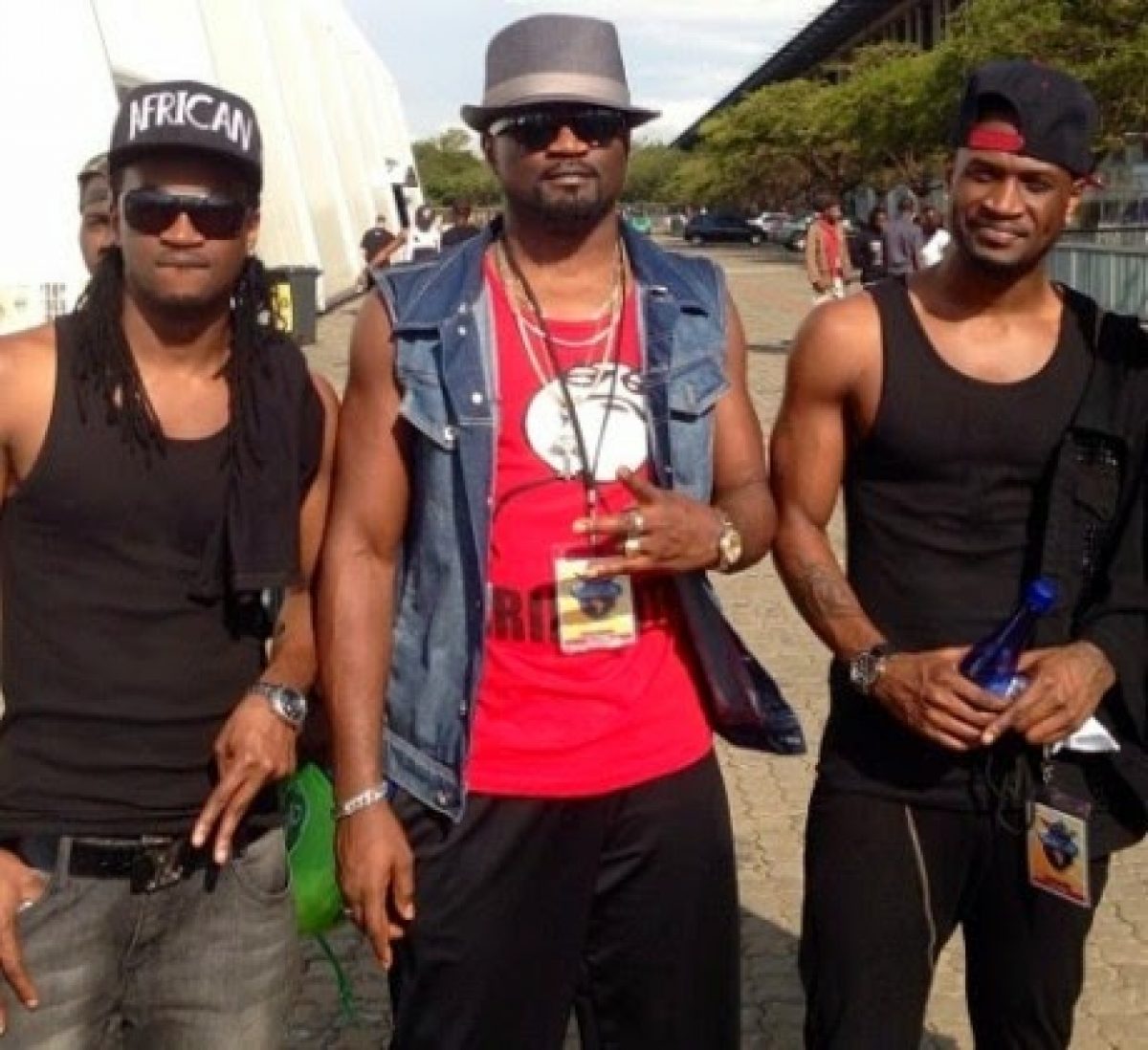
For fans who have followed P Square since their rise, the most striking part of the latest fallout is how many old stories are now being brought back into the conversation. The dispute has opened questions about management, money, creative control, family loyalty, former artistes, career decisions and the price of keeping a successful family business together.
With more personalities continuing to react, the central issue is no longer just which Okoye brother has the stronger argument. It is how a partnership that once represented unity, ambition and Nigerian musical success reached a point where Peter, Paul and Jude are now presenting such different versions of the same history.