Money meant for small businesses often attracts thousands of questions before it reaches the people who need it most. Across Nigeria, many traders, artisans, food sellers, service providers, as well as small shop owners have searched for clarity on the Federal Government ₦50,000 grant, what qualifies a person, how applications are processed, which documents are required, plus the mistakes that can reduce the chances of success.
The Presidential Conditional Grant Scheme, popularly known as PCGS, became one of the major government interventions introduced during a period when many small businesses were struggling with increased operating costs. The programme was designed around a simple idea, provide direct financial support to the smallest businesses that often find it difficult to access formal funding.
Behind the popular ₦50,000 figure is a structured process involving identification, verification, selection, payment procedures, as well as efforts to prevent fraud. Understanding how the scheme works gives applicants a better chance of avoiding common mistakes while protecting themselves from fake registration channels.
Origin, Purpose of the Grant Scheme
The Presidential Conditional Grant Scheme was introduced as part of the Federal Government’s intervention measures following economic pressure caused by rising costs of goods, transportation, energy expenses, plus general business challenges faced by Nigerians.
The scheme was created to support nano businesses, which are businesses operating at the smallest level of the economy. These businesses usually depend on daily sales, small amounts of stock, personal skills, or simple tools to generate income for their owners.
The Federal Government announced plans to reach approximately 1 million nano businesses across Nigeria’s 774 Local Government Areas, including the Federal Capital Territory. Successful beneficiaries were expected to receive ₦50,000 as a direct grant that does not require repayment.
The major objective was not to create a large business loan system but to provide immediate support that could help small operators maintain their businesses, purchase stock, replace damaged tools, or improve daily operations.
Who Qualifies For The ₦50,000 Grant
Eligibility for the scheme focused mainly on Nigerians running small informal businesses with limited capacity. The programme was not designed for large companies or established organisations but for individuals whose businesses operate at community level.
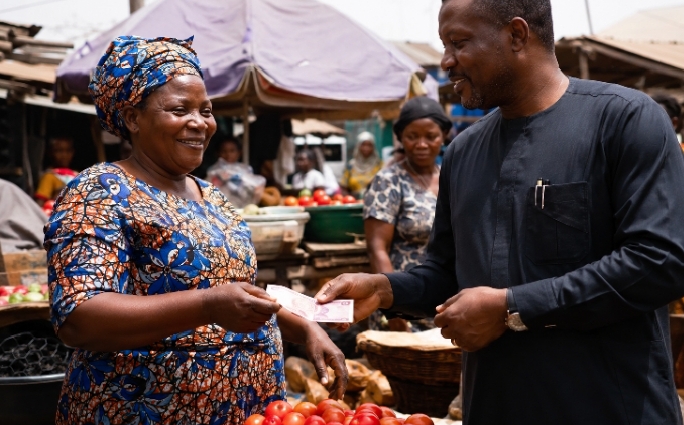
Eligible business owners include traders selling goods in markets, roadside sellers, small retailers, food vendors, provision store operators, small restaurant owners, as well as individuals involved in other forms of informal commerce.
Artisans were also part of the target group. This includes tailors, barbers, hairdressers, mechanics, electricians, plumbers, vulcanisers, shoe makers, plus other skilled workers who depend on their personal services for income.
Small service providers such as POS operators, laundry workers, phone repairers, small logistics operators, as well as home based business owners could also fall within the category of businesses considered under the programme.
The key requirement was that the applicant must operate a genuine small business and provide accurate information during the verification process.
Documents Required For Application
Applicants were expected to provide personal identification details that would help the government confirm their identity before payment. These documents were important because the scheme involved direct transfer of funds into verified bank accounts.
The major documents required include Bank Verification Number, commonly known as BVN, which helps link the applicant’s identity with their bank account details. Applicants were also required to provide their National Identification Number, known as NIN, for identity verification.
A valid bank account was necessary because successful beneficiaries received payments through electronic transfer channels. Applicants were advised to use their personal accounts to avoid complications during payment verification.
Business information was another important requirement. Applicants needed to provide details about the nature of their business, location, type of service provided, plus other information that could help confirm that the applicant operates a genuine nano business.
Providing false information, using another person’s identity, or submitting inaccurate banking details could affect the application process.
Application Process, Selection Stages
The process involved more than simply submitting a name for payment. Applicants were expected to pass through identification, verification, selection, plus payment stages before receiving funds.
The first stage involved registration or expression of interest through approved channels when applications were open. Applicants were expected to submit their personal information, business details, identification numbers, as well as banking information.
After submission, verification procedures were carried out to reduce duplicate applications, remove false claims, plus ensure that the available funds reached genuine business owners.
The government relied on information provided by applicants alongside verification systems connected to identity records. This process was designed to improve transparency because large public support programmes often attract fraudulent applications.
Successful applicants were then selected for payment after completing the required verification stages.
Agencies Responsible For The Programme
The implementation of the Presidential Conditional Grant Scheme involved government institutions responsible for business development, financial support, plus economic intervention programmes.
The Federal Ministry of Industry, Trade and Investment played a major coordinating role in the programme. The Bank of Industry was also involved as part of the wider structure supporting small businesses in Nigeria.
The involvement of these institutions was aimed at ensuring that the programme followed a structured process rather than operating as an informal cash distribution exercise.
Common Mistakes Applicants Make
Many Nigerians interested in government grants make avoidable mistakes that can affect their chances or expose them to fraud. One of the biggest mistakes is submitting information that does not match official identity records.
Applicants should ensure that their names, BVN details, NIN information, plus bank account details are correctly entered. Small errors in personal information can create verification problems during payment processing.
Another common mistake is relying on unofficial agents who promise guaranteed approval. Some fraudsters demand registration fees, processing charges, or personal banking information from desperate applicants.
A genuine government grant does not require applicants to pay money before receiving approval. Requests for ATM PIN, bank password, or One Time Password codes are warning signs of fraud.
Applicants also make mistakes by registering multiple times with different details. Multiple submissions can create confusion during verification and may affect the credibility of an application.
How To Identify Fake Grant Platforms
The popularity of the ₦50,000 grant has created opportunities for scammers who create fake websites, social media pages, or messages pretending to represent the Federal Government.
Applicants should be careful with websites that request payment before registration or promise instant approval without verification. Genuine government programmes normally provide official communication channels for public information.
Personal banking security details should never be shared with anyone claiming to process a grant application. Information such as ATM PIN, internet banking password, or verification codes should remain private.
Before submitting personal information online, Nigerians should confirm that the platform is connected to an official government agency or recognised programme channel.
How Beneficiaries Can Use The Money
The ₦50,000 grant was designed to support business activities rather than personal spending. Although beneficiaries have control over the funds after receiving payment, the purpose of the scheme was to strengthen small businesses.
A trader could use the money to increase stock, purchase additional goods, or improve daily sales activities. A food vendor could use the funds to buy ingredients, equipment, or materials needed for production.
Artisans could invest in tools, repairs, or supplies needed to provide better services. Small service providers could use the money to improve operations and maintain their businesses.
For many small business owners, the value of the grant comes from how effectively it is used to create continuous income.
Difference Between Grant, Loan
The Presidential Conditional Grant Scheme is different from a business loan because beneficiaries are not expected to repay the money after receiving it.
A loan normally requires repayment over an agreed period, often with additional charges depending on the lending arrangement. A grant is usually provided as support without repayment obligations.
The ₦50,000 PCGS payment falls under the category of direct financial assistance. It was created as an empowerment measure aimed at helping small businesses survive economic pressure.
Latest Updates, Application Safety
Interest in the ₦50,000 grant continues because many Nigerians still search for opportunities linked to government support programmes. However, applicants must confirm current information through recognised government channels because fake announcements often circulate online.
Several online platforms have used the popularity of government grants to collect personal information from unsuspecting Nigerians. This makes verification one of the most important steps before applying.
Applicants should prepare their identification documents, monitor official announcements, maintain accurate business records, plus avoid anyone demanding payment for access.
Final Takeaway
The Federal Government ₦50,000 grant under the Presidential Conditional Grant Scheme was created to provide support for Nigeria’s smallest businesses during challenging economic conditions. The programme targeted approximately 1 million nano businesses across the country, with successful beneficiaries receiving ₦50,000 as a one time grant.
For anyone interested in the scheme, understanding eligibility conditions, preparing the right documents, following official application procedures, plus avoiding common mistakes remain the most important steps.
The opportunity attracted massive attention because for many small business owners, a carefully used ₦50,000 could provide extra stock, better tools, or temporary relief that helps keep their businesses running.