
The health crisis involving veteran Yoruba actor Taiwo Hassan, popularly known as Ogogo, has sparked an emotional response from Nigerians, with his daughters appealing publicly for help after revealing that their father is battling stage-four cancer.
The actor’s daughters, Lima and Kira Taiwo, recently took to social media to seek medical assistance for their father. They said they were looking for people who could connect the family with doctors or hospitals that could take on his case, stressing that their appeal was for medical help and not financial donations.
But their accounts also raised questions about what happens when a patient with advanced cancer reaches a point where a particular treatment, such as chemotherapy, is no longer being administered.
Kira said a hospital had told the family it could no longer give their father chemotherapy, while Lima described the family’s search for alternative medicine or another medical facility willing to treat him.
Their comments triggered concern online and were followed by discussions about palliative care, with some Nigerians asking whether the actor should now receive the form of care.
A doctor, Dr Olusina Ajidahun, subsequently offered a medical perspective, cautioning against interpreting the situation simply as a case of hospitals refusing to treat Ogogo.
His explanation has brought an important question into the conversation: What does palliative care actually mean when someone has advanced cancer?
Why Palliative Care Entered The Ogogo Conversation

The discussion began after Ogogo’s daughters went online to speak about their father’s condition. In separate videos, the sisters said the 66-year-old actor had been diagnosed with stage-four cancer and that his condition had deteriorated.
Lima appealed to members of the public who might be able to connect the family with a healthcare provider willing to take on Ogogo’s case. She made it clear that the family was looking for medical intervention rather than money.
Kira, in another video, gave more details about the treatment situation. She said the hospital treating their father had told the family it could no longer administer chemotherapy. “The hospital is saying that they cannot treat him again, like they can’t give him chemo again,” she said.
The appeals generated widespread concern, with some people interpreting the development as meaning that hospitals had abandoned the actor. Some netizens also took to the comment section, suggesting palliative care as an alternative.
That interpretation about abandonment was questioned by Dr Olusina Ajidahun, popularly known on X as The Bearded Dr Sina. Ajidahun said he was not involved in Ogogo’s medical care but explained that there can be a medical reason why a patient with advanced cancer is no longer given a particular treatment.
He said that when a patient has stage-four cancer and chemotherapy or other available therapies have already been explored, doctors may consider palliative care. He also warned that saying doctors simply “don’t want to treat” a patient could create the impression that healthcare workers were deliberately refusing to provide care.
According to him, such a description could also create unnecessary anger against medical professionals. His comments did not establish what exactly had happened in Ogogo’s individual case. Rather, they provided a wider explanation of what can happen in advanced cancer care.
So, What Exactly Is Palliative Care?
Palliative care is specialised medical care focused on relieving the suffering associated with a serious illness and improving the quality of life of the patient and their family.
It can involve managing pain, nausea, breathing difficulties, fatigue and other symptoms. It can also provide emotional, psychological, social and spiritual support. In simple terms, palliative care looks beyond the cancer itself and asks another important question: How can the patient be made as comfortable and supported as possible while living with a serious illness?
This is particularly important in advanced cancer, where the disease may have spread beyond the organ where it first developed and where treatment decisions can become increasingly complex.
Palliative care can involve doctors, nurses and other specialists working together to manage the patient’s symptoms and support the family. It is therefore much broader than simply giving someone pain medication.
Does Palliative Care Mean Doctors Have Given Up?
This is perhaps the biggest misunderstanding surrounding the term. Palliative care does not automatically mean that doctors have given up on a patient. It also does not necessarily mean that a patient is in the final days of life.
Palliative care can be provided alongside cancer treatment. A person receiving chemotherapy, radiation, surgery or other cancer-directed treatment may also receive palliative care to help manage pain, side effects and other difficulties caused by the illness or its treatment.
This is an important distinction in the discussion surrounding Ogogo. The fact that chemotherapy may be stopped, changed or considered unsuitable does not automatically mean that every form of medical care has stopped.
Instead, doctors may reassess the goals of treatment and consider whether a particular treatment is still providing enough benefit for the patient. That decision is individual.
It depends on the type of cancer, how far it has spread, previous treatments, how the cancer has responded, the patient’s overall condition and other medical factors. For that reason, the public cannot determine from the phrase “they stopped chemotherapy” alone what is happening medically.
What Does Stage-Four Cancer Mean?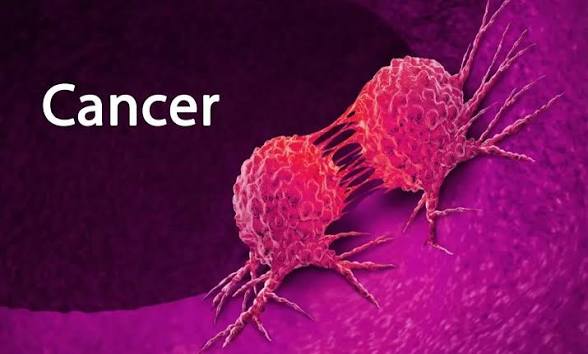
Stage-four cancer generally means that the cancer has spread from the place where it first developed to distant parts of the body. It is considered advanced cancer, but the diagnosis does not mean that every patient will have the same experience.
Different cancers behave differently. Some advanced cancers can be controlled for considerable periods with treatment, while others may respond poorly to available therapies. Doctors therefore consider the individual patient’s condition before deciding what treatment is appropriate.
That is why a stage-four diagnosis by itself cannot tell the public whether chemotherapy should continue, whether another cancer treatment should be used or whether palliative care should be introduced. Those decisions belong to the patient’s medical team, working with the patient and family.
When Chemotherapy Can No Longer Continue
Ogogo’s daughters’ account has placed chemotherapy at the centre of the public discussion. But chemotherapy is not a treatment that is continued indefinitely simply because a patient has cancer.
Doctors may stop, change or avoid a particular chemotherapy regimen for several medical reasons. The cancer may no longer be responding sufficiently, the side effects may be too severe, the patient’s condition may have changed, or another approach may offer greater benefit.
Sometimes the potential harm of continuing a particular treatment can outweigh its expected benefit. This does not necessarily mean that doctors have decided there is nothing else to do. Instead, the goals of care may change.
A patient’s care may place greater emphasis on controlling symptoms, reducing suffering, maintaining dignity and helping the person live as comfortably as possible.
In Ogogo’s case, his daughters have publicly said that a hospital told them it could no longer administer chemotherapy. However, the specific clinical reasons behind that decision have not been publicly established by his treating medical team. That is why it would be premature to conclude from the family’s account alone that Ogogo has been medically abandoned like some netizens suggested.
Palliative Care Not Same As Hospice Care
Another source of confusion is the tendency to use palliative care and end-of-life care as though they mean exactly the same thing. They do not. Palliative care can begin at different points during a serious illness and can be given alongside treatment aimed at controlling the disease.
Hospice or end-of-life care is more specifically associated with the final phase of an illness, when the focus has shifted almost entirely to comfort and quality of life rather than attempts to cure the disease.
The distinction is important because describing every form of palliative care as “giving up” can create unnecessary fear for patients and families.
For someone newly diagnosed with a serious illness, palliative care may simply mean having another layer of support while continuing treatment.
For someone with advanced disease whose cancer-directed treatment is no longer providing meaningful benefit, it can become a more central part of care.
The circumstances are different from patient to patient.
What Ogogo’s Case Has Brought To The Surface

Taiwo Hassan Ogogo‘s health crisis has become more than a story about one veteran actor. His daughters’ emotional appeals have opened a difficult conversation about what happens when cancer reaches an advanced stage and a particular treatment can no longer continue.
The subsequent discussion about palliative care has also exposed how easily medical terms can be misunderstood.
Stopping chemotherapy does not automatically mean that doctors have stopped caring for a patient. Palliative care does not automatically mean that a patient is about to die. Also, a stage-four cancer diagnosis does not give the public enough information to decide what treatment an individual patient should receive.
Ogogo’s case is personal, and the details of his medical care ultimately belong with him, his family and the healthcare professionals treating him.
But the conversation surrounding his illness provides an opportunity to understand something many people may only encounter when a loved one becomes seriously ill: sometimes cancer care is not only about fighting the disease; it is also about caring for the person living with it.
For Ogogo’s family, the priority remains finding the best possible care for their father. For the public, the lesson may be to understand what that care can look like before assuming that a change in treatment means the fight has ended.