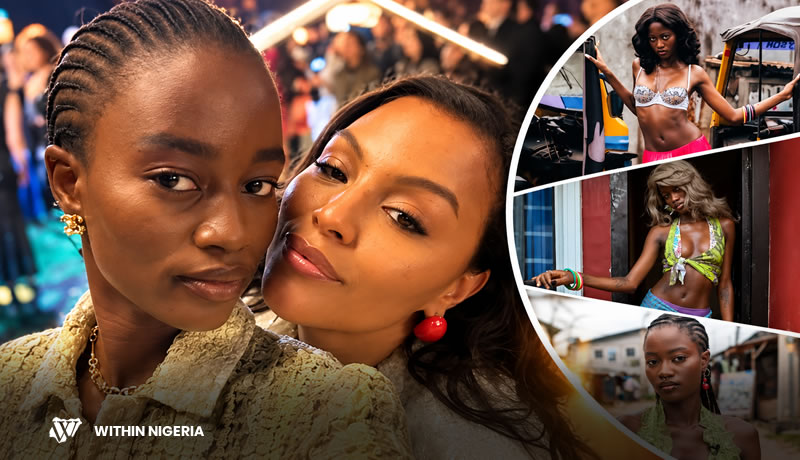
For months, Rachel Ojuromi turned the streets of Lagos into her personal runway. Dressed in striking, high-fashion looks, the Nigerian model would walk through familiar Lagos surroundings, sometimes carrying everyday objects like pots, while her best friend and creative partner, Debby Fasingha, helped bring their ideas to life.
The clothes were often thrifted or pulled from Rachel’s own wardrobe. The locations were not luxury studios or international fashion sets, but ordinary streets and public spaces in Lagos.
Yet the images looked like something from a fashion campaign. That creative approach helped Rachel, known online as @giverachelashot, attract attention beyond Nigeria. By September 2026, she had become a rising name in international fashion, with representation in New York, Paris, London and Canada.
Then came the moment that brought her journey full circle.
On October 5, 2026, Rachel walked the Chanel runway in Paris during the fashion house’s Spring/Summer 2027 show, marking her Chanel runway debut under creative director Matthieu Blazy.
Months earlier, she had been recreating Chanel looks on the streets of Lagos. Now, she was wearing Chanel on the actual runway in Paris. Here’s how her journey has been:
From Wanting To Become A Neurosurgeon To Finding Fashion
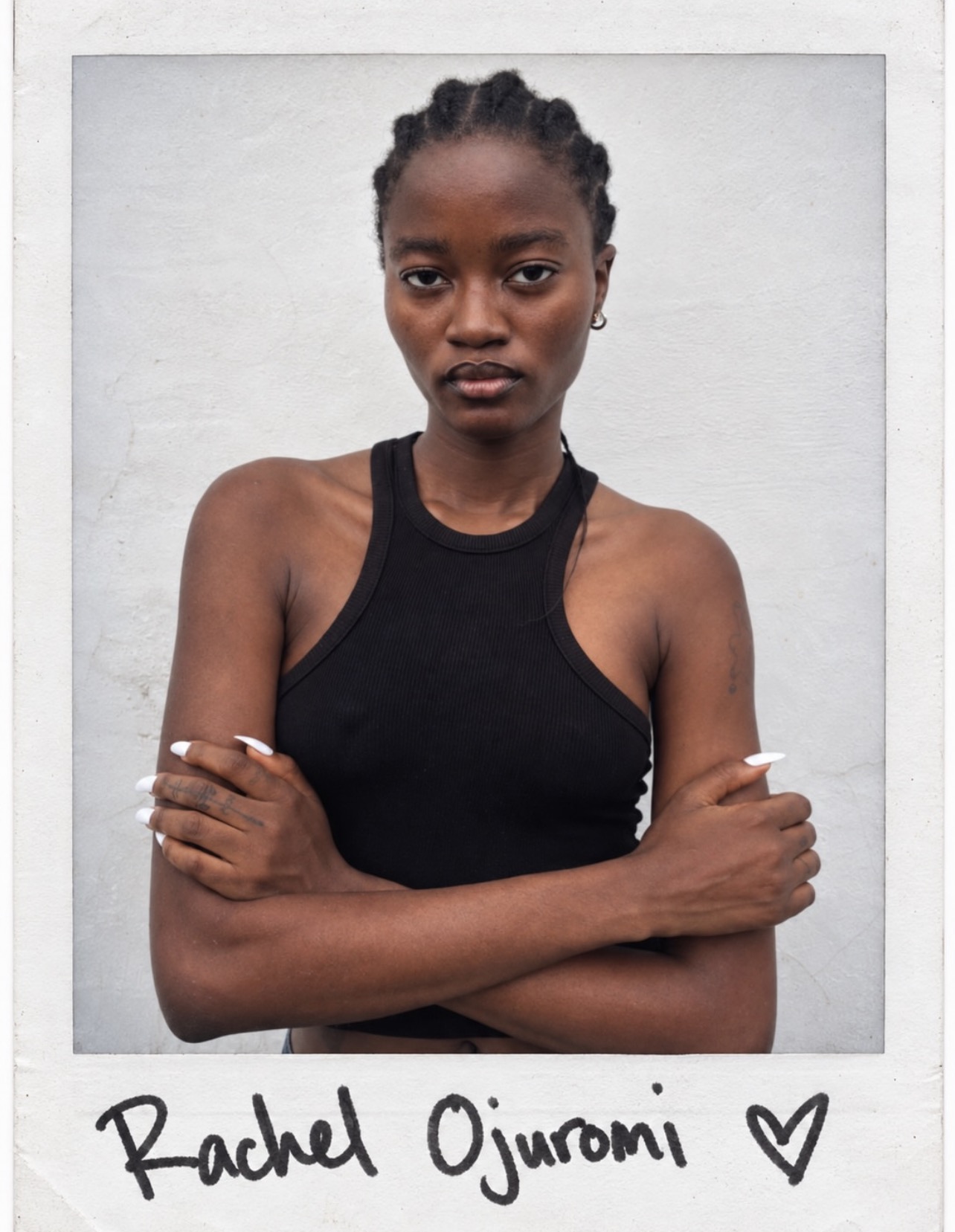
Rachel’s journey into modelling was not something she planned from childhood. In an interview with BBC Africa published on August 12, 2026, she explained that she once wanted to become a doctor, specifically a neurosurgeon.
“I never intended to be a model. I wanted to be a doctor, a neurosurgeon to be specific,” she said.
Her path eventually moved in another direction. She studied film and gradually became more interested in the creative world, including fashion and modelling.
As she learnt more about modelling, Rachel began to understand that the job was about more than simply wearing clothes. She explained that a model represents the ideas of an entire creative team, helping to communicate the vision behind a fashion project.
That understanding would later become important to the way she approached her own work. Instead of waiting for established fashion platforms to give her a runway, Rachel and Debby created one for themselves.
How Lagos Became Rachel’s Runway
Rachel’s collaboration with Debby Fasingha played a major role in the development of her fashion content. The two became close friends and creative partners, with Debby working as a designer and stylist while Rachel became the face and model for many of their ideas.
Their social media videos began in March 2026. The pair had already spent years studying fashion, designers and runway shows online, but they eventually decided to translate their ideas into short videos.
As Rachel explained in an interview with Interview Magazine in June 2026, the videos allowed them to stop searching for other models and simply put the clothes on her and shoot.
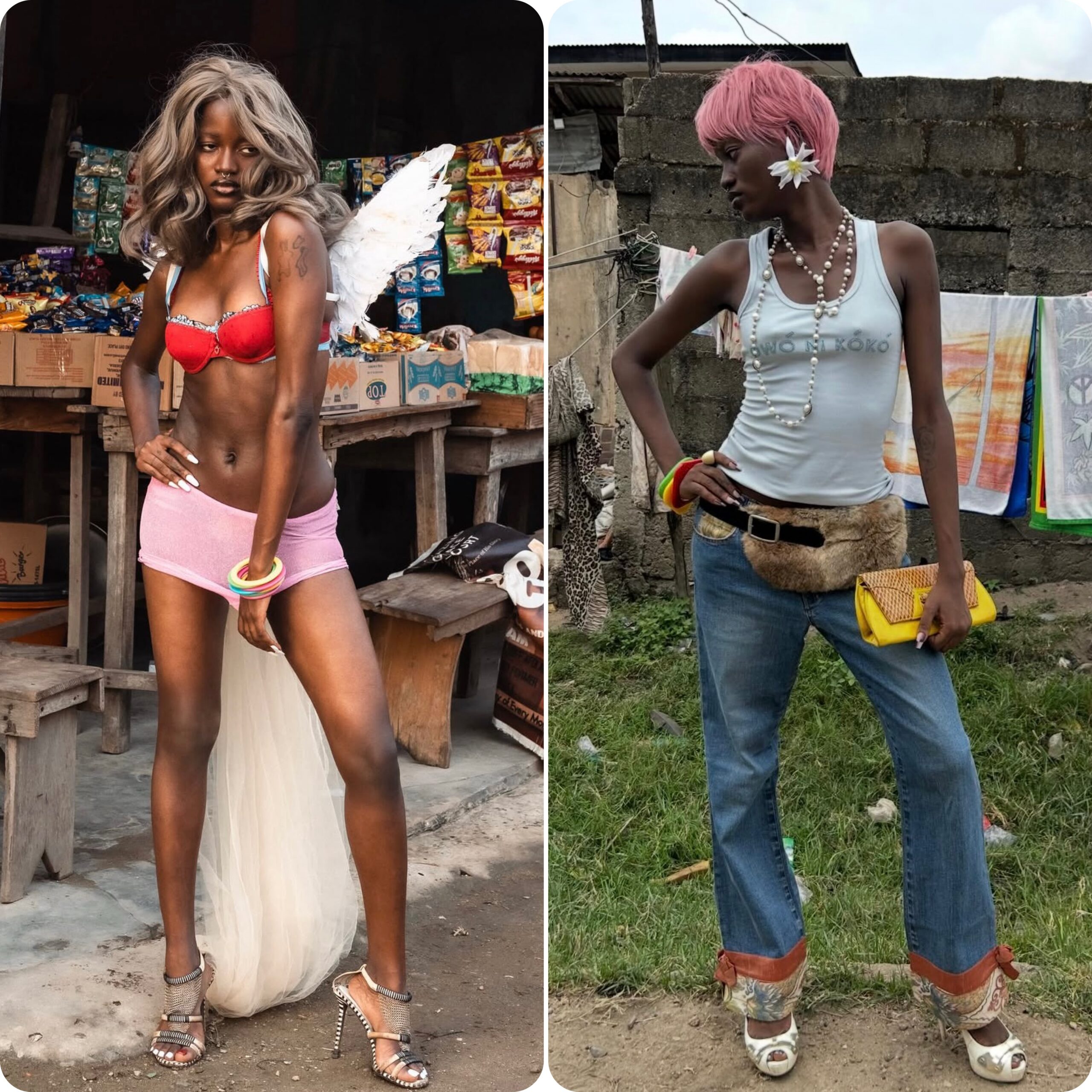
The idea was simple: take their creative experiments and show them to the world. And the world began paying attention. Rachel would appear on Lagos streets in carefully styled looks, sometimes surrounded by the ordinary activities of everyday life. The contrast became part of the appeal. In her BBC interview, she explained why she preferred filming in the streets instead of waiting for a more polished setting.
“Why I make my videos on the street is because I don’t want money to be a limit to creativity,” she said.
For Rachel, the ordinary Lagos environment did not weaken the fashion image. It made it more interesting. She said putting something “so high fashion” in a setting that may not traditionally look aesthetically pleasing created a beautiful juxtaposition. The streets became part of the story.
Making High Fashion From What She Already Had
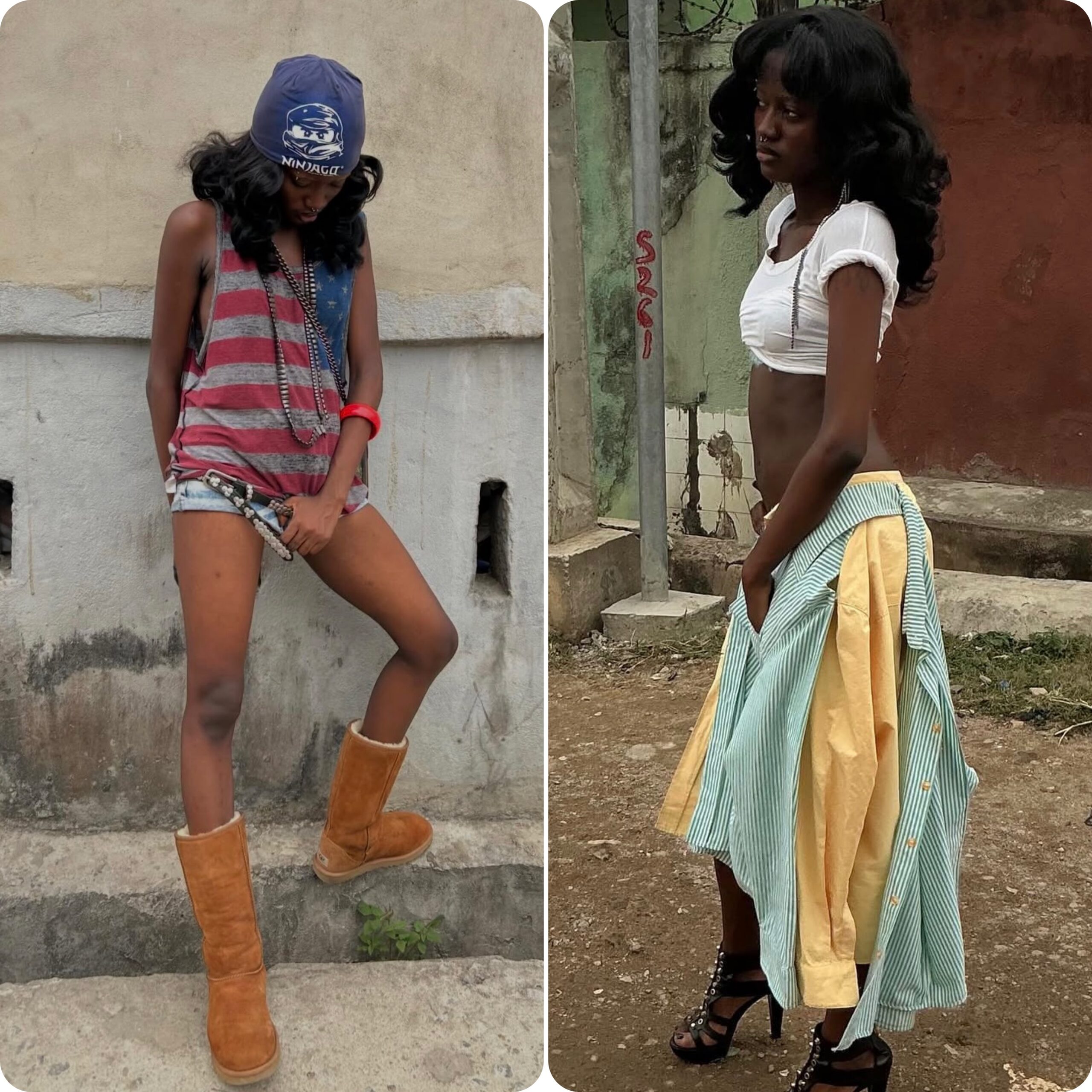
Rachel’s approach was also shaped by necessity. She grew up around clothes because her mother sold them, and Rachel said her love for thrifted clothes began when she was a child. That relationship with second-hand fashion eventually became part of the visual language of her videos.
Rather than needing an expensive wardrobe for every shoot, Rachel and Debby worked with what they could find.
“We’re pulling clothes together. We go to that market and we sift through a lot of clothes that are sent from the west,” Rachel told Interview Magazine. The limitation became part of their creativity.
As Debby explained in the same interview, they often had to think about how to use one item in several different ways because they could not simply buy everything they wanted. Rachel’s response was straightforward: “We’re using what we have in a really good way.”
That attitude became central to her work. She was not trying to recreate the exact conditions of an international fashion shoot. She was asking a different question: What can I create with what I have?
The Chanel Recreation That Changed The Story
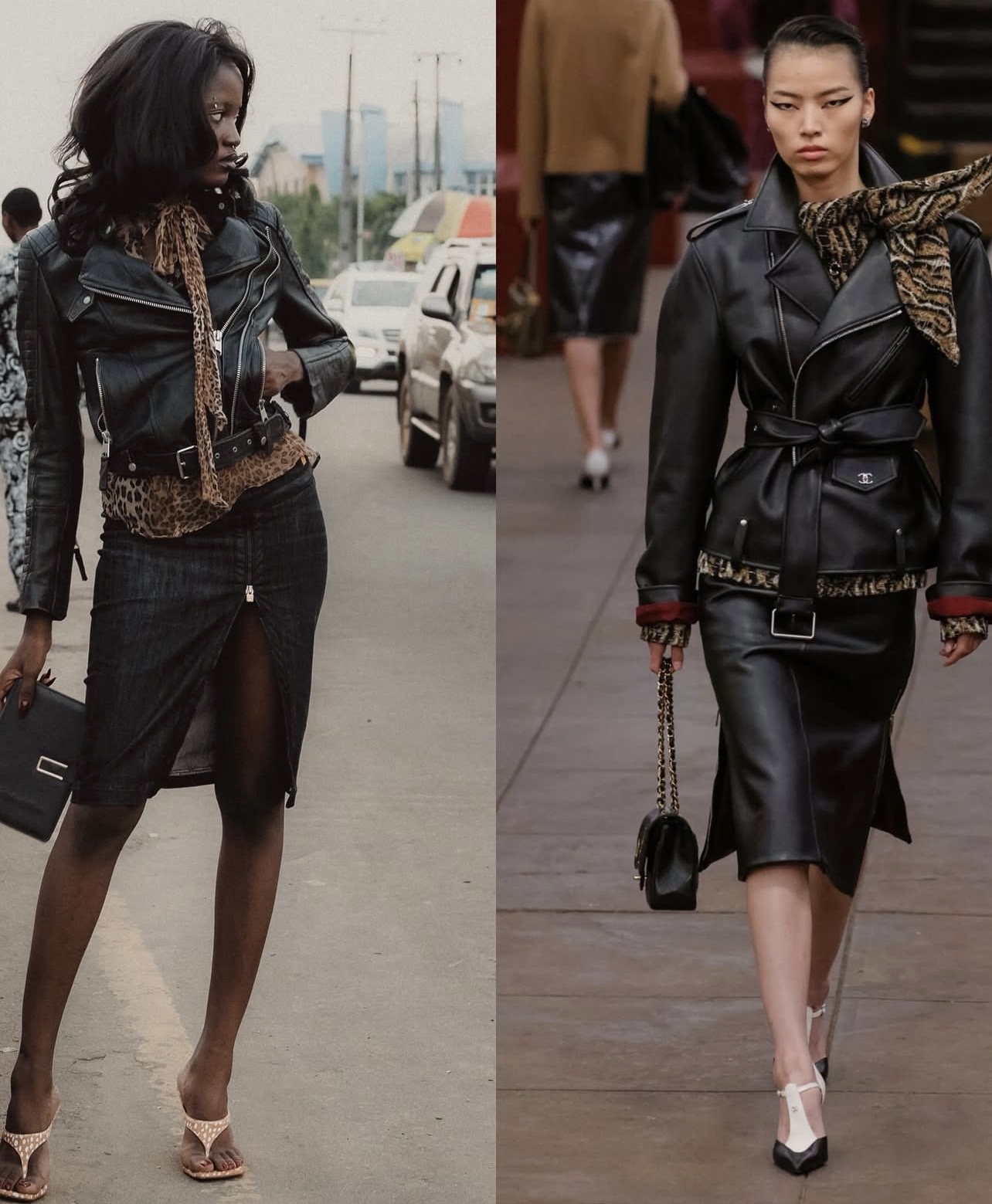
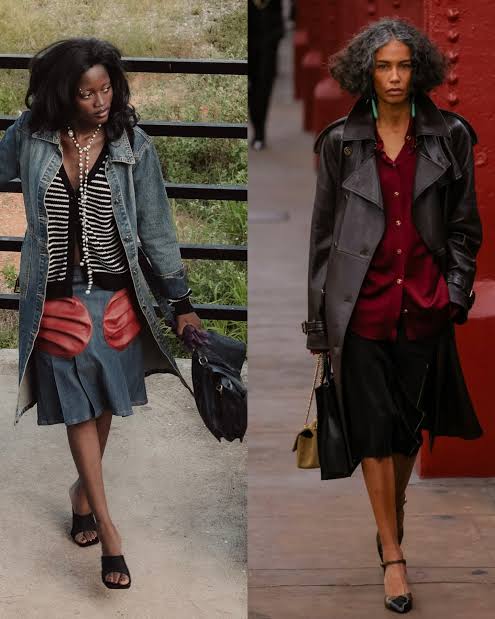
Then Rachel turned her attention to Chanel. She recreated looks from Chanel’s Métiers d’Art 2026 collection using clothes from her own wardrobe, translating the luxury fashion house’s runway into her own Lagos environment.
The recreation quickly gained attention online, with one video reportedly attracting more than 200,000 likes. But Rachel said she was interested in more than copying the clothes.
The original Chanel Métiers d’Art show had been staged in the New York subway, a public space used by people from different social and economic backgrounds. That idea resonated with her.
Rachel explained to The Cut that the collection made her think about how fashion could belong to everyone, regardless of wealth. The question then became: what clothes did she already have that could communicate the same idea? So she recreated the looks in Lagos. And this time, someone important was watching.
When Matthieu Blazy Noticed
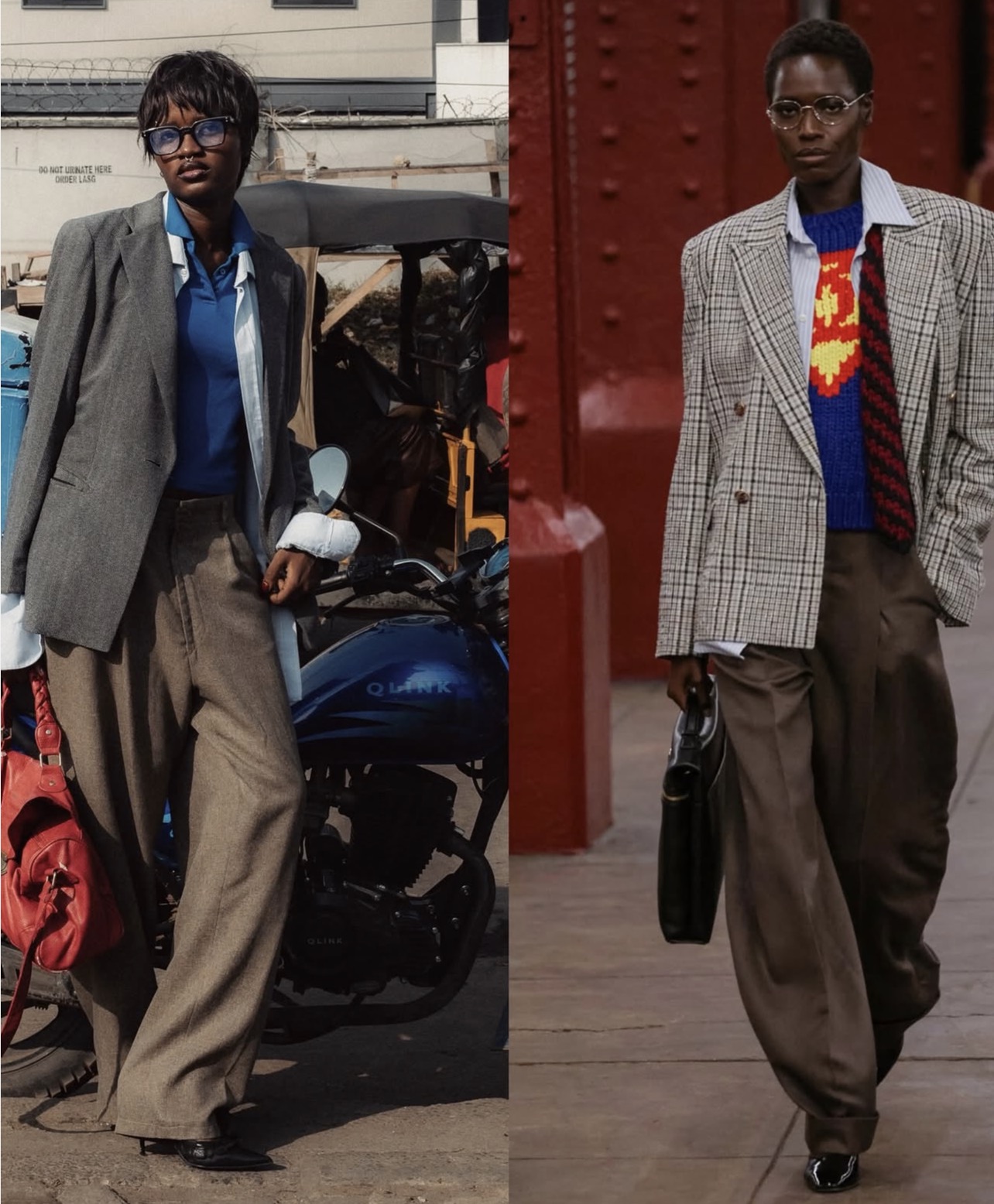
Rachel had already been following Chanel creative director, Matthieu Blazy’s work and regarded the designer as an important source of inspiration. She recreated Matthieu Blazy’s Chanel 2026 Métiers d’Art collection with a shoot staged across Lagos. Her Chanel recreation eventually caught Blazy’s attention.
In a later interview, Rachel recalled the reaction when she discovered that Blazy had noticed her work and that she was going to work with Chanel.
“I was like, Matthieu, stop,” she recalled.
The significance was not lost on her. She had been studying and recreating the work of a designer she admired from Lagos. Now that same designer had noticed her. As Rachel put it, she had once joked that if Blazy was clever, he would book her and he did.
From Recreating Chanel To Walking Chanel
The Chanel booking became real when Rachel was confirmed for the Paris show. For someone who had never walked a major runway before, the moment was overwhelming.
In a recent interview following her Chanel debut, Rachel described what happened when she received confirmation.
“When I got confirmed and everything, I was like, ‘Why? I’m doing Chanel!’”
The emotion continued into rehearsal. She said she was crying during the rehearsal because this was her first-ever show and it was not just any show. It was Chanel.
“Premier Chanel!” she excitedly repeated while recalling the moment. The girl who had once recreated Chanel looks in Lagos was now preparing to walk for the fashion house in Paris.
Rachel’s First International Steps
The Chanel booking did not happen in isolation. By September 2026, Rachel had already begun building an international modelling career, with representation in several major markets.
She was linked with No Smoking NYC in New York, Safe Management in Paris, SUPA Worldwide in London and Next Canada as her mother agency. Her rise had also attracted attention from major figures and publications in fashion.
Dazed, The Cut and Interview Magazine had all profiled her work, while her social media content had brought her growing attention from international fashion audiences.
American singer SZA also became one of the notable names connected to the growing attention around Rachel’s work. Still, Chanel represented something different. It connected her digital creativity directly to the fashion industry she had been studying from afar.
The Paris Runway Moment
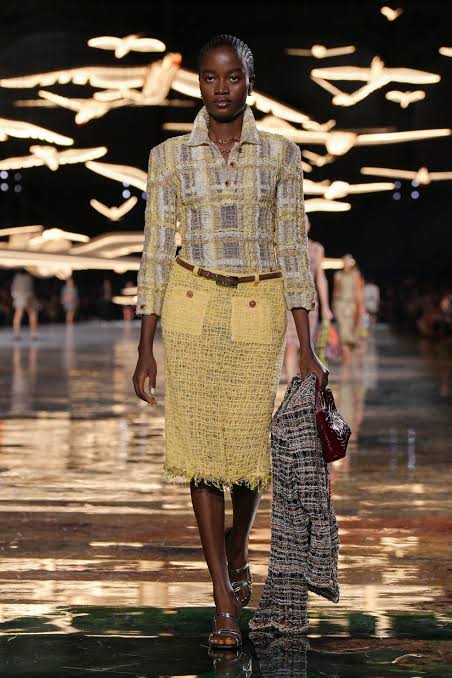
On October 5, Rachel finally stepped onto the Chanel runway at the Grand Palais in Paris. The show marked Matthieu Blazy’s Spring/Summer 2027 collection, a year after he began leading the fashion house following his appointment as Chanel’s artistic director.
Blazy’s latest collection reworked familiar Chanel elements, including tweed, tailoring and the house’s signature accessories, while introducing more fluid and youthful shapes. The show also featured a dramatic setting with illuminated birds and a large moon installation.
Among the models walking the collection was Rachel Ojuromi. Her appearance was significant because of the unusual route that brought her there. She had not started with a major Paris runway. She had started with a camera, some clothes, a creative partner and the streets of Lagos which made all the difference.
More Than A Runway
Rachel has said that one of her biggest hopes is to show young African creatives that international opportunities are possible. During her Interview Magazine conversation with Debby, she spoke about wanting to take their work around the world and inspire other young people on the continent.
“African kids need to know that this is possible,” she said. That belief is at the centre of her story.
Rachel’s rise has not been built around having unlimited access to fashion. In many ways, it has been about finding creative ways around the limits.
She and Debby studied runway shows online. They thrifted clothes, experimented with styling, filmed on Lagos streets and used ordinary surroundings as part of their visual language. And when the opportunity came, Rachel took that same creative energy to Paris.
From Lagos Streets To Chanel
Rachel Ojuromi’s Chanel debut is therefore not simply the story of a Nigerian model landing a major runway booking. It is the latest chapter in a journey that began with making something out of what was available.
Before Chanel put her on its Paris runway, Rachel had already created her own version of that runway in Lagos. She recreated the fashion house’s looks with clothes from her wardrobe and brought them into streets far removed from the polished world of luxury fashion. That work eventually reached the people whose designs she had been interpreting. And on October 5, 2026, the distance between Lagos and Paris disappeared for a moment.
Rachel, who once brought Chanel to the streets of Lagos, walked for Chanel in Paris.