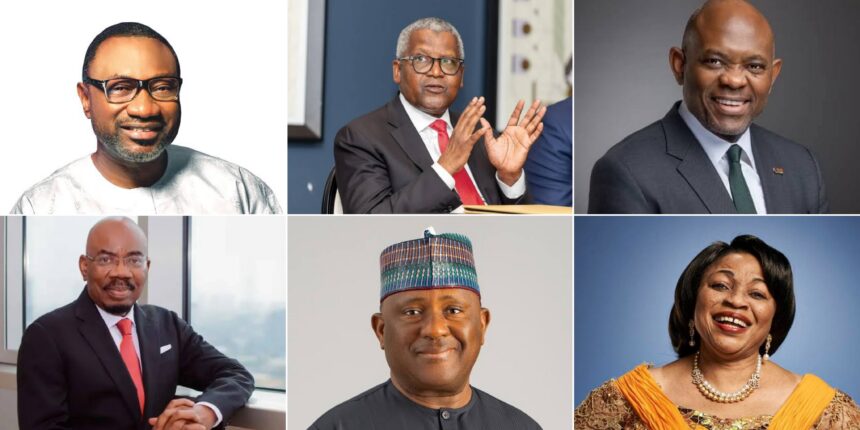
Nigeria’s richest business owners have spent the past few weeks making moves that reach far beyond the usual headlines about wealth rankings and rising fortunes. Between September 1 and October 8, 2026, some of the country’s biggest names were putting fresh money into companies, expanding industrial projects, increasing ownership of major listed businesses and positioning their existing assets for a much larger market.
The figures attached to these developments are large enough to attract attention on their own, but the real story becomes clearer when each move is examined separately. One billionaire opened a public offer tied to one of Africa’s biggest industrial projects, another increased his position in a major energy company shortly before taking a bigger leadership role, while another continued building a powerful position in Nigeria’s financial sector. Elsewhere, established fortunes benefited from strong movements in bank and energy shares, while new international partnerships opened another layer to the business strategies of some of Nigeria’s wealthiest entrepreneurs.
The period has therefore produced a revealing picture of how Nigerian billionaire wealth is being deployed. Some of the money is going into new assets, some is being used to strengthen existing positions, and some of the biggest increases in personal wealth are coming from the rising market value of companies these businessmen already control. The names are familiar, but the moves tell a much bigger story about where their businesses are heading next.
Dangote opens the refinery to public investors
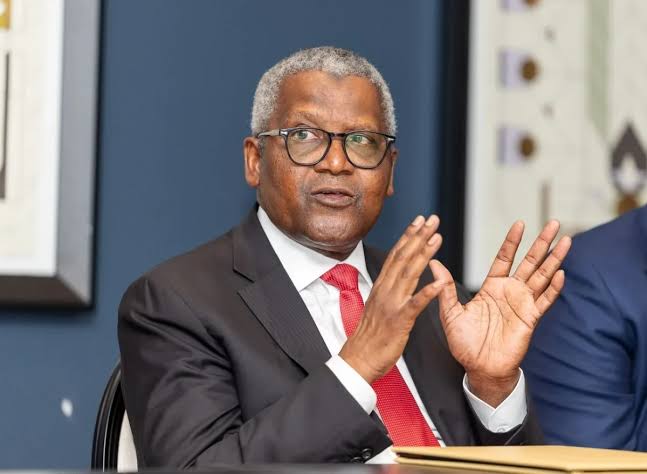
September 14 marked one of the most significant dates in the latest Nigerian billionaire investment story as Aliko Dangote formally opened the public offer for Dangote Petroleum Refinery and Petrochemicals FZE.
The offer involves 4.1 billion shares priced at ₦525 each, giving the transaction the potential to raise about ₦2.15 trillion. The offer represents roughly 3.3% of the refinery, meaning that Dangote is opening a portion of one of his most valuable assets to Nigerian investors while retaining overwhelming control of the business.
The public offer is scheduled to close on October 13, giving investors only a limited window to participate. The size of the transaction immediately placed the refinery at the centre of Nigeria’s capital market, particularly because of the enormous valuation attached to the asset. At the offer price, the refinery is valued at roughly $48 billion to $49 billion.
The development also gives ordinary Nigerian investors a route into an asset that has previously been associated almost entirely with one of Africa’s richest businessmen. That changes the ownership structure around the refinery without changing the fact that Dangote remains firmly at the centre of the project.
The timing is equally significant because the refinery has moved from being a massive construction story into a much broader commercial story involving production, domestic fuel supply, exports, public investment and international expansion. The IPO therefore represents more than a fundraising exercise. It places a major industrial asset directly inside Nigeria’s public investment market.
Dangote’s wealth jumps as the refinery is revalued
The refinery transaction also produced one of the most dramatic movements in Dangote’s estimated fortune during the period.
His estimated wealth stood at about $31.5 billion on September 4 before the refinery valuation began reflecting the new market expectations surrounding the public offer. The figure subsequently moved above $51 billion, with his estimated fortune reaching approximately $51.7 billion by October 5.
That rise has attracted enormous attention because it represents a difference of roughly $20 billion within a very short period. The figure, however, should not be interpreted as $20 billion in fresh cash entering Dangote’s personal account.
Much of the increase reflects the estimated value of assets already owned by Dangote. When the refinery is valued at a much higher level, the value attributed to his ownership rises with it. The same principle applies to listed shares held by other billionaires whose fortunes increase when the companies they own become more valuable on the stock market.
Dangote’s latest wealth figure therefore tells two stories at once. It shows the scale of the refinery’s valuation, while also demonstrating how quickly a billionaire’s estimated fortune can change when a privately held industrial asset becomes connected to a public market valuation.
Dangote takes the refinery strategy beyond Nigeria
The refinery IPO is only one part of Dangote’s latest expansion plans. September also brought developments showing that his ambitions in the energy industry extend beyond the Lagos refinery.
September 24 brought plans involving Ethiopia, Djibouti and Dangote for a proposed $660 million refined petroleum pipeline and storage project. The development is designed to strengthen fuel logistics for landlocked Ethiopia by connecting the country to infrastructure around Djibouti.
The proposed project includes a pipeline of roughly 120 kilometres running from Djibouti’s Damerjog port to Dewele in Ethiopia. It is also expected to include about 400 million litres of storage capacity.
The project gives Dangote another route into the wider African petroleum market. Rather than keeping the refinery business focused entirely on production at Lekki, the strategy increasingly involves the infrastructure needed to move, store and distribute refined petroleum across borders.
Another major development emerged around Kenya, where Dangote appointed Engineers India Limited for work connected to his proposed refinery and petrochemical complex in Lamu.
The planned Kenyan project is valued at about $16 billion and is designed around a 700,000 barrel per day refinery and petrochemical complex. The engineering related contract was reported at about $450 million.
That development places another major refinery project alongside the existing Dangote refinery in Nigeria and the proposed infrastructure connecting Djibouti with Ethiopia. The direction is becoming clearer as the projects accumulate. Dangote is building a wider African energy business rather than treating the Nigerian refinery as an isolated project.
The Dangote Foundation brings more Nigerians into the story
Dangote’s refinery strategy has also taken another direction through an initiative designed to increase participation among Nigerians.
The Aliko Dangote Foundation introduced a share grant initiative connected to the refinery public offer. Eligible Nigerian tertiary students who subscribe for at least 10 shares can potentially receive funding for an additional 10 share application through the foundation.
At ₦525 per share, 10 shares cost ₦5,250. The initiative therefore creates an opportunity for eligible young Nigerians to participate in the public offer while receiving additional support through the foundation.
By October 8, the initiative had also been extended to eligible policewomen and military women as part of a programme targeting up to 2 million Nigerian women.
The development gives the refinery IPO another dimension because the public offer is not being presented only as a transaction involving large institutional investors or wealthy individuals. The foundation’s programme is designed to bring selected groups of ordinary Nigerians into the ownership conversation surrounding one of the country’s biggest industrial assets.
Elumelu increases his Seplat position
Tony Elumelu’s latest investment move is much more direct.
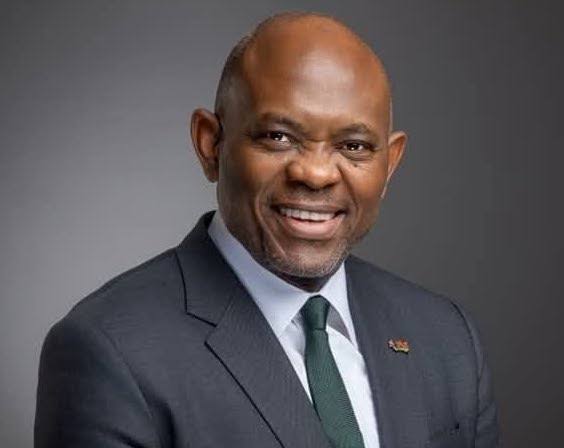
September 30 brought the disclosure that Heirs Energies, controlled by Elumelu, purchased another 6 million shares in Seplat Energy.
The shares were acquired at £8.87 each, putting the value of the transaction at approximately £53.22 million. Following the purchase, the combined holdings of Heirs Energies and Heirs Holdings increased from 20.07% to 21.07%.
The combined position now stands at approximately 126.4 million Seplat shares.
The purchase is particularly notable because Elumelu is not simply building a position in a company with no connection to his existing business interests. He is already a non executive director of Seplat and is scheduled to become chairman on January 1, 2027, succeeding Udoma Udo Udoma.
That means the September 30 purchase arrived only months before Elumelu is expected to take the chairmanship of the energy company. His increased ownership therefore comes at a time when his relationship with Seplat is becoming even more significant.
Seplat becomes a major driver of Elumelu’s wealth
The additional 6 million shares are only part of the wider Seplat story for Elumelu.
Seplat’s strong share price performance during September substantially increased the value of his existing holding. At the beginning of September, his 120.4 million shares were worth around ₦1.48 trillion.
After the company’s share price rally, the value of that holding rose to around ₦1.79 trillion, representing an increase of roughly ₦311.5 billion in market value within just over 2 weeks.
That rise demonstrates why listed company ownership can change billionaire wealth so quickly. Elumelu did not need to sell the shares or receive hundreds of billions of naira in cash for the value of his holding to rise. The market price of Seplat simply increased, and the estimated value of the shares he already owned moved with it.
By the end of the 3rd quarter, calculations covering his positions in Seplat, UBA and Transcorp showed the combined value rising from approximately ₦1.74 trillion to ₦2.43 trillion.
That represents an increase of about ₦684.6 billion, with Seplat accounting for roughly ₦654.2 billion of the increase.
The numbers explain why Seplat has become such a central part of Elumelu’s financial story. His latest share purchase adds fresh capital to an investment that was already producing substantial market value gains.
Elumelu looks beyond his own companies
Elumelu’s activities during the period have also extended into broader African investment discussions.
October 8 brought his participation alongside Sierra Leonean President Julius Maada Bio in discussions around greater private sector investment, industrial development and job creation across West Africa.
The discussions are connected to the West Africa Investment and Industrialisation Summit scheduled for November 17 and 18 in Sierra Leone.
Elumelu’s involvement fits into a wider business approach that has increasingly placed investment, entrepreneurship and industrial development across African markets at the centre of his public business activities.
His latest Seplat purchase therefore sits alongside a broader regional outlook. The energy company remains the immediate investment focus, while his wider business interests continue to look beyond Nigeria.
Otedola strengthens his position in FirstHoldCo
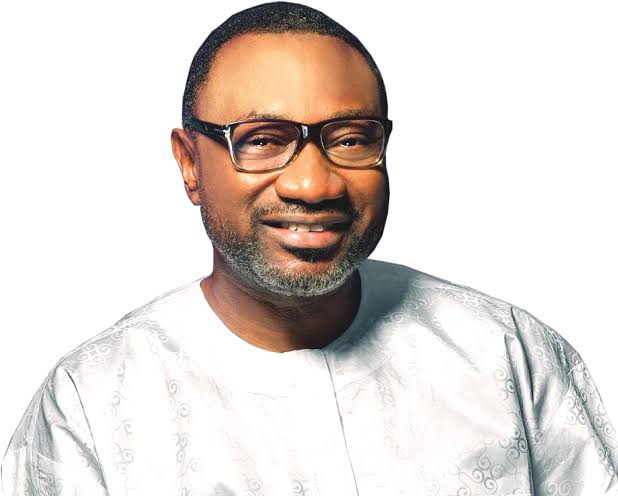
Femi Otedola’s latest billionaire story is centred on FirstHoldCo, where he has continued to build one of the most significant individual positions in Nigeria’s financial sector.
The largest purchases behind the increase happened before September, particularly during August, but September revealed just how large the strategy had become.
By September 18, Otedola’s holding in FirstHoldCo had reached approximately 27.6%, representing about 12.34 billion shares.
FirstHoldCo’s share price reached ₦162.80 on September 18, placing the market value of Otedola’s stake above ₦2 trillion.
That valuation was enough to push his estimated fortune to $2 billion on September 19. The figure represented a substantial increase from the approximately $1.3 billion estimated for him in March.
Several large purchases helped build the position.
Otedola acquired 138.04 million FirstHoldCo shares for approximately ₦18 billion in August. Another transaction involved 147.74 million shares, while a further purchase involved 95.7 million shares for about ₦12.58 billion.
The accumulation pushed his holding towards the upper 20% range and strengthened his position within one of Nigeria’s most important financial groups.
FirstHoldCo becomes more visible internationally
September also brought a development that strengthened FirstHoldCo’s visibility beyond the Nigerian market.
FirstHoldCo was added to the FTSE Frontier 50 Index, effective September 21.
The inclusion gives the company exposure to a broader group of international investors and funds that follow frontier market indexes. It also places the company within a wider international investment framework at a time when Otedola’s personal stake has become increasingly large.
His FirstHoldCo strategy has therefore developed on 2 fronts. One is the continued accumulation of shares, while the other is the rising market visibility of the company itself.
Otedola has also publicly backed the economic reforms of President Bola Tinubu. During a private dinner with the president in Paris on September 29, he described the reforms as putting Nigeria on a path towards sustainable growth.
The comments came as Otedola’s own position in the financial sector continued to expand.
Ovia benefits from Zenith’s stronger valuation
Jim Ovia’s September story was different because his major financial movement came largely from the rising value of an existing holding rather than a newly announced major acquisition.
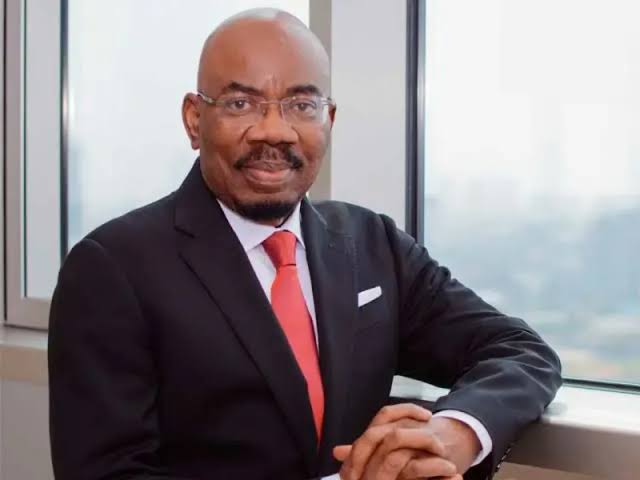
Ovia remains Zenith Bank’s largest individual shareholder with approximately 5.8 billion shares, representing about 14.1% of the bank.
Zenith Bank’s share price increased from ₦105.05 on July 1 to ₦134 on September 30.
That movement lifted the estimated value of Ovia’s holding from approximately $441.6 million to $585.4 million, producing an increase of roughly $143.8 million.
The stronger naira during the period also contributed to the dollar value attached to the holding.
Ovia’s position demonstrates another route through which Nigerian billionaire fortunes are changing. He did not need to announce a major purchase during September for the value of his wealth tied to Zenith to increase substantially.
Zenith gains wider market attention
September 21 also brought a development involving Nigeria’s position within global market classifications.
FTSE Russell moved Nigeria into its frontier market classification and included Zenith among Nigerian stocks entering its frontier indexes.
That move can increase exposure to funds and investors that track the relevant indexes. Zenith therefore entered the period with both a stronger share price and increased visibility among international market participants.
Ovia’s relationship with the bank also extends beyond his shareholding.
October saw him speaking through James Hope University, which he founded and chairs, about the importance of maintaining educational quality as Nigeria’s university system expands.
His latest public activities therefore continue across both finance and education, while his largest financial asset remains his long standing position in Zenith Bank.
Rabiu keeps BUA focused on expansion
Abdul Samad Rabiu did not announce a September acquisition on the same scale as Elumelu’s 6 million Seplat shares or Dangote’s refinery public offer.
His latest moves instead point towards strengthening BUA’s international investment relationships.
September 14 saw Rabiu meet UAE Consul General Salem Aljaberi in Lagos. Discussions focused on investment, cooperation and business partnerships between Nigeria and the United Arab Emirates.
The conversations came against the background of BUA’s broad business interests covering cement, food, manufacturing, agriculture and infrastructure.
Rabiu’s business empire remains heavily connected to BUA Cement and BUA Foods, meaning changes in the value and performance of those companies continue to have a major effect on his personal fortune.
Rabiu points to improving business conditions
October 3 brought another important development as Rabiu spoke about the business environment in Nigeria.
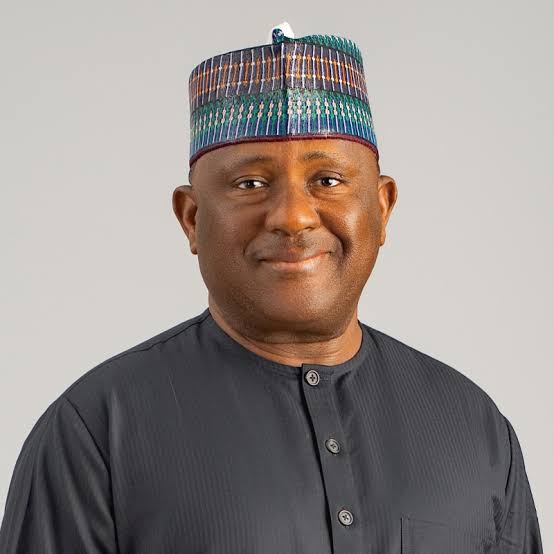
He said businesses were beginning to benefit from greater stability in the foreign exchange market, pointing to increased foreign exchange inflows and a more stable naira.
His comments came as Nigerian companies continued adjusting to changes in the country’s economic environment.
For Rabiu, the focus remains strongly connected to industrial production. BUA’s businesses require significant capital, imported equipment, raw materials and large scale infrastructure, making currency stability particularly relevant to expansion plans.
His estimated fortune stood around $12.2 billion in September, keeping him among Africa’s largest fortunes.
Alakija faces a different business development
Folorunso Alakija’s September story took a different direction from the expansion and acquisition activities surrounding Dangote, Elumelu and Otedola.
September 8 brought a report concerning FAMFA Oil and a customs demand of approximately ₦8.85 billion, equivalent to about $6.7 million.
The issue concerns customs duties connected to one of the company’s aircraft, with allegations involving import documentation for 3 Bombardier jets. The matter was reported as being before the courts.
The issue should therefore be understood as a reported legal dispute rather than a finding that Alakija personally committed wrongdoing.
Her public activities continued during October despite the legal development.
October 7 saw Alakija deliver the keynote address at the 10th Voice of Women Conference and Awards in Lagos, where she called on women to turn their ideas, businesses and influence into practical solutions and lasting impact.
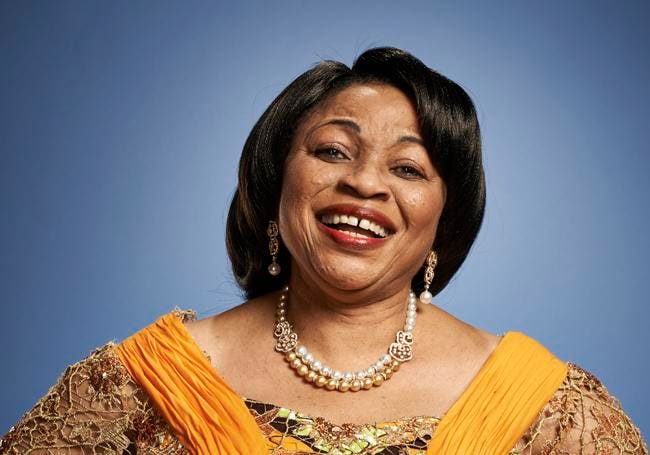
Her recent activities therefore combine business, philanthropy, public speaking and women’s empowerment, while FAMFA Oil remains an important part of her business interests.
The money behind the biggest moves
Looking across the period from September 1 to October 8, the biggest numbers do not all represent new money being spent.
Dangote’s estimated wealth increase of roughly $20 billion is primarily connected to the higher valuation attached to his refinery interest following the public offer.
Otedola’s rise to an estimated $2 billion fortune was also strongly connected to the increasing value of his FirstHoldCo position.
Elumelu’s reported increase of hundreds of billions of naira in the value of his listed holdings similarly reflects market appreciation, particularly through Seplat.
Those movements are different from actual new investments.
Elumelu’s £53.22 million purchase of 6 million additional Seplat shares represents fresh capital deployed into the company. Dangote’s continued commitments to refining, storage, pipelines and related infrastructure also represent capital being directed towards new projects.
That difference is useful when examining billionaire wealth because a rise in estimated net worth does not necessarily mean the individual has received the same amount in cash.
Where each billionaire is putting the focus
Dangote’s latest strategy is built around energy, public ownership and African industrial expansion. The refinery public offer brings investors into the story, while the Kenya refinery project and the Ethiopia and Djibouti pipeline plan extend the geographical reach of the energy strategy.
Elumelu’s focus is becoming increasingly concentrated around energy through Seplat. The additional 6 million shares increased his combined position to 21.07%, while his expected chairmanship from January 1, 2027 adds another major development to his relationship with the company.
Otedola’s focus remains financial services through FirstHoldCo. His approximately 27.6% position represents a huge individual stake, while the rising share price has pushed the value of his holding above ₦2 trillion.
Ovia continues to benefit from his longstanding Zenith Bank position. His estimated $143.8 million increase in the value of that holding during the period shows the financial power of maintaining a major position in a listed bank during a strong market run.
Rabiu remains centred on industrial businesses under BUA, with international investment conversations adding another layer to his strategy.
Alakija’s recent activity has involved both a reported legal dispute affecting FAMFA Oil and continued public work around women’s empowerment.
The next stage is already approaching
October 13 now stands as an important date in the billionaire investment story because it is the scheduled closing date for Dangote Petroleum Refinery and Petrochemicals FZE’s public offer.
The outcome will provide a clearer picture of how much of the proposed ₦2.15 trillion capital raise is ultimately secured and how the public ownership structure around the refinery develops.
January 1, 2027 is another date to watch because that is when Elumelu is scheduled to become chairman of Seplat.
Otedola’s FirstHoldCo position will also remain closely watched as his ownership continues to sit around the upper 20% range and the company maintains greater visibility in the international market.
The developments involving Dangote, Elumelu, Otedola, Ovia, Rabiu and Alakija show that Nigeria’s billionaire class is not following one single investment path.
Some are putting fresh capital into energy, some are strengthening positions in banks and financial services, some are expanding industrial projects across Africa, while others are benefiting from the rising value of companies they already own.
September 1 to October 8 has therefore produced a busy period for Nigeria’s richest business owners, with the biggest stories extending from a ₦2.15 trillion refinery public offer to a £53.22 million Seplat purchase, a FirstHoldCo position worth more than ₦2 trillion, a major rise in the estimated value of Zenith Bank shares and new plans for energy infrastructure beyond Nigeria.
The next stage of these investments could be even more revealing because several of the moves made during this period are still developing. Dangote’s refinery offer remains open until October 13, Elumelu’s Seplat leadership transition is approaching, Otedola’s FirstHoldCo position remains a major financial holding, while the wider African energy projects are moving towards their next phases.
The latest billionaire moves are therefore not simply about who became richer during a particular week or month. They reveal where some of Nigeria’s biggest private fortunes are being placed, which industries are receiving fresh attention and how established business empires are being positioned for the next stage of growth.