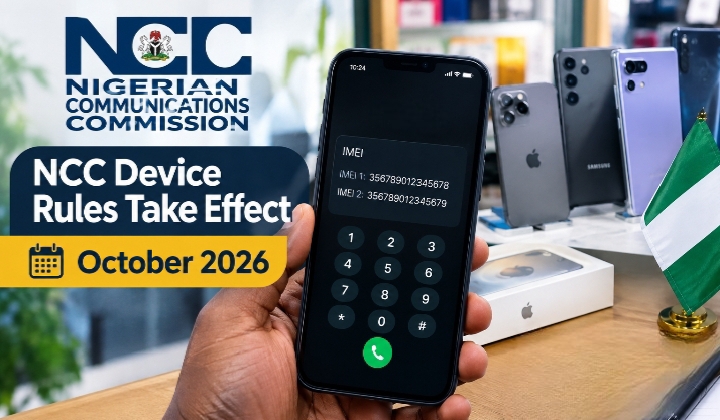
Buying a smartphone in Nigeria often comes down to a few familiar checks, including the price, battery condition, camera quality, storage capacity and whether the device looks clean enough to justify the seller’s asking price. For someone searching for a fairly used iPhone at Computer Village in Ikeja, a Samsung Galaxy from an online marketplace or an affordable Android phone from a neighbourhood dealer, these checks can make the difference between a satisfying purchase and an expensive mistake. However, there is another aspect of phone buying that deserves attention, particularly as Nigeria strengthens its telecommunications equipment verification requirements in October 2026.
The Nigerian Communications Commission (NCC) has introduced a Device Checker service that allows consumers to check the regulatory status of eligible mobile devices through a dedicated verification process. With the enforcement framework taking effect on October 7, 2026, the development raises important questions about phone purchases, existing devices, newly imported smartphones and the responsibilities of sellers.
Understanding how the system works could help buyers make better decisions before transferring money to a dealer, especially when an attractive offer leaves little time for proper inspection.
NCC Device Rules Take Effect on October 7, 2026
The Nigerian Communications Commission has strengthened enforcement of its equipment approval requirements, bringing renewed attention to the regulatory status of phones and other devices designed to connect to Nigerian mobile networks. The framework took effect on October 7, 2026, with the Device Checker service providing consumers with a means of checking eligible devices before purchasing them. The development is particularly relevant to Nigeria’s large market for imported smartphones, where buyers encounter brand new products, refurbished devices and fairly used phones from different sources.
The announcement does not mean that every phone currently in use in Nigeria has suddenly become illegal or that consumers must replace their existing devices. Rather, the Commission’s framework concerns compliance with applicable equipment approval requirements, including the identification and verification of devices intended for use on Nigerian telecommunications networks. Consumers need to understand this distinction because a phone can look genuine, function properly during a brief inspection and still require additional regulatory checks.
The introduction of a dedicated verification service gives buyers another way to assess a device before completing a purchase. Someone shopping for an iPhone, Tecno, Infinix, Samsung, Redmi or another eligible device can consider its verification status alongside its physical condition and price. The service does not replace ordinary inspection, but it adds a regulatory check that could help consumers identify potential problems before committing their money.
How the NCC Device Checker Works
The Device Checker is designed to help consumers establish whether eligible telecommunications equipment has the necessary regulatory approval and verification status under the applicable Nigerian requirements. It focuses on device identification information rather than the personal content stored on a phone. This distinction is important because the purpose of the service is to assess equipment compliance, not to inspect the owner’s private conversations, photographs or documents.
The service can be accessed through the USSD code *315#, which provides a route for consumers to follow the available verification instructions. Buyers should follow the prompts displayed by the official service and provide the requested information where necessary. Depending on the device being checked and the verification process available, its International Mobile Equipment Identity number, commonly called the IMEI, may be required.
The NCC’s initiative is intended to strengthen compliance with equipment approval requirements and help consumers make more informed purchasing decisions. It is particularly useful when a buyer cannot independently establish the history of a phone or determine whether its identification details present a problem. Nevertheless, consumers should understand that the Device Checker addresses regulatory verification, while other checks remain necessary to establish whether a phone is damaged, repaired, stolen or otherwise unsuitable for purchase.
How to Find a Phone’s IMEI Number
The International Mobile Equipment Identity number is one of the most important details involved in identifying a mobile phone. An IMEI is generally a unique 15 digit number assigned to a cellular device, allowing it to be distinguished from other devices. Consumers can retrieve the number from a phone by opening its dialler and entering the code *#06#, which normally displays the available IMEI information on the screen.
Buyers should perform this check on the actual device they intend to purchase rather than relying entirely on a number written on a piece of paper or sent by the seller. Where the phone supports dual SIM functionality, it may display 2 IMEI numbers because each cellular connection can have its own device identity. Both numbers deserve attention when applicable, particularly if the buyer intends to use 2 SIM cards.
The number displayed by the phone should also be compared with the identification information printed on the device packaging or available through its settings, where applicable. Differences do not automatically establish fraud because packaging can be replaced or devices can have complicated repair histories, but unexplained inconsistencies deserve clarification before payment. Buyers should also avoid sharing their IMEI publicly without a good reason, since it is a device identifier that should be handled carefully.
How to Check a Phone Before Paying the Seller
The first step is to ask the seller for permission to inspect and verify the phone before completing the transaction. A serious buyer should be able to examine the device, confirm that it works as expected and follow the available regulatory verification process. This is especially important when purchasing from an unfamiliar dealer, an online marketplace listing or a seller offering a price substantially below the prevailing market rate.
Next, dial *#06# on the phone to display its IMEI number, taking note of every number shown where the device supports more than 1 SIM connection. After obtaining the relevant information, access the NCC Device Checker through *315# and follow the official instructions. If the process requests the IMEI or another device detail, provide the information as directed by the service and review the result carefully before proceeding with the purchase.
Consumers should not treat an unclear or unsuccessful verification result as automatic proof that a phone is counterfeit. The result may require clarification, and the appropriate response is to pause the transaction until the seller or the relevant official channel helps establish the device’s status. Where the issue remains unresolved, walking away from the purchase is safer than relying solely on verbal assurances or promises that the problem will disappear after payment.
Why Fairly Used Phone Buyers Need to Pay Attention
Nigeria has an active market for fairly used smartphones, with buyers often choosing pre owned devices to obtain better specifications at a lower price. A customer who cannot afford a brand new flagship iPhone may find a used model more accessible, while another buyer may prefer a second hand Samsung Galaxy with a stronger camera or larger storage capacity. These purchases can offer genuine value, but they also require careful inspection because the buyer may know little about the device’s previous ownership, repairs or import history.
A phone that looks clean and operates normally during a brief test may still have problems that are not immediately visible. Its battery may have deteriorated, its screen may have been replaced, or its network functionality may be affected by an underlying issue. Regulatory verification introduces another layer of assessment, helping the buyer examine a device’s approval and identification status before paying for it.
Consider a buyer visiting Computer Village in Ikeja to purchase a fairly used iPhone. The seller demonstrates that the touchscreen works, the cameras take pictures and the phone connects to a mobile network. Those checks are useful, but they do not establish every aspect of the phone’s regulatory status or history. By checking the device through the official verification process and examining its condition more thoroughly, the buyer can make a more informed decision.
The same principle applies to people purchasing Tecno, Infinix, Redmi and Samsung smartphones from neighbourhood dealers or online sellers. A low price can be attractive, particularly when a buyer has a limited budget, but the cost of replacing a faulty or unusable device can outweigh the initial savings. Verifying the device before payment is a practical precaution that complements ordinary checks rather than replacing them.
What Happens When a Phone Fails Verification
The consequences of a verification problem depend on the circumstances and the device’s actual compliance status. Under the NCC framework, devices confirmed to be non compliant with applicable requirements may be denied access to Nigerian mobile networks. This means that a device affected by an enforcement action could lose its ability to connect to mobile services, depending on the nature of the problem and the measures applied.
Such a possibility makes verification particularly important for consumers purchasing newly imported devices or phones from sellers who cannot provide reliable information about their products. A smartphone might still power on, display applications and perform functions that do not require a mobile connection even when its ability to access a cellular network is affected. Buyers should therefore avoid assuming that a phone is fully suitable simply because it starts up and passes a basic demonstration.
However, an unsuccessful verification result should not automatically be interpreted as confirmation that the device is fake or permanently barred from network access. The buyer should follow the official instructions, seek clarification about the result and ask the seller to resolve any outstanding issue before completing the transaction. Where the seller cannot provide a satisfactory explanation, choosing another device may be the more prudent decision.
Consumers who have already purchased a device and encounter a verification concern should also seek clarification rather than immediately concluding that the phone is counterfeit. Keeping the purchase receipt, seller’s details and relevant transaction records may help if the buyer needs to raise a complaint. These records are useful consumer protection measures regardless of whether a regulatory verification issue eventually emerges.
Will Existing Phone Owners Need to Verify Their Devices?
The NCC’s rollout arrangements distinguish between devices already connected to Nigerian mobile networks before the framework took effect on October 7, 2026, and devices that may require verification under the strengthened requirements. According to the guidance described for the rollout, existing connected devices were automatically verified under the arrangements and generally require no additional action. This is an important distinction for millions of Nigerians who have been using their phones for months or years.
Consequently, the introduction of the Device Checker should not be interpreted as an instruction for every existing phone owner to purchase a replacement device or immediately repeat a verification process. People using their usual smartphones on Nigerian networks before the effective date should not assume that their devices have suddenly become non compliant merely because the enforcement framework has taken effect. The stated arrangements are intended to address compliance while accounting for devices already connected to the networks.
The position may differ for newly imported devices and other eligible equipment that falls within the verification requirements. Buyers should therefore check the applicable status of a device when making a new purchase rather than assuming that a phone previously used abroad has automatically satisfied all Nigerian requirements. A device’s history, identification details and regulatory status can be relevant when determining whether it is suitable for use on Nigerian networks.
Anyone who receives a confusing result should consult the NCC’s official guidance or seek clarification through the Commission’s available consumer support channels. This is preferable to relying on rumours suggesting that all phones purchased before October 7, 2026, are affected or that every newly purchased phone will automatically be blocked. Understanding the actual requirements helps consumers avoid unnecessary panic and make decisions based on the device in question.
The Rules Cover More Than Smartphones
Although much of the public attention is likely to focus on smartphones, the framework concerns eligible equipment designed to connect to Nigerian mobile networks. The relevant categories can include basic feature phones, cellular tablets, SIM enabled laptops and other devices that use cellular connectivity. Eligible Internet of Things equipment and SIM enabled point of sale terminals may also fall within the scope of applicable requirements.
This broader coverage reflects the role cellular connectivity plays in everyday Nigerian business and personal activities. Smartphones are used for communication, banking, online shopping and digital work, while point of sale terminals support merchants and other businesses that process electronic payments. Cellular tablets and connected equipment can also be used in offices, schools, logistics operations and other settings where access to mobile networks is important.
The central issue is whether a device falls within the applicable regulatory framework, rather than whether it has the appearance of a conventional smartphone. Consumers and businesses purchasing eligible equipment should therefore pay attention to the requirements that apply to the specific product. Where a device’s status is uncertain, checking the official guidance before purchase is a sensible step.
Businesses that depend on cellular equipment may have additional reasons to confirm compliance before buying devices in large quantities. An unresolved network access issue could disrupt operations if the equipment is needed for payments, communications or other routine services. For individual consumers, the same principle applies on a smaller scale because a phone that cannot connect reliably to a mobile network may fail to serve its main purpose.
Does the NCC Device Checker Access Private Information?
Privacy is an understandable concern whenever a new telecommunications verification system is introduced. People may wonder whether providing an IMEI number allows the regulator to view personal photographs, read private messages or inspect files stored on a smartphone. The stated purpose of the Device Checker is to verify equipment identification and regulatory compliance, rather than to examine the private content stored on the device.
According to the NCC’s official guidance as described for the service, the system uses device identification information, including IMEI numbers, to establish compliance with applicable requirements. The Commission has also stated that the service does not provide access to personal photographs or stored messages and does not enable it to track users’ physical locations or movements through the Device Checker itself. These assurances distinguish the equipment verification process from accessing a person’s personal files.
Consumers should nevertheless exercise normal caution when using digital services. They should follow instructions provided through official channels, avoid entering personal information into unfamiliar websites and refrain from sharing one time verification codes with sellers or unknown callers. A seller should not need a buyer’s private account password or unrelated personal information merely to demonstrate that a phone can be checked through the NCC’s verification service.
Anyone concerned about the information requested during verification should consult the Commission’s official documentation before proceeding. Checking the service’s purpose and instructions can help users distinguish legitimate device verification from suspicious requests that may be designed to obtain personal information.
As with other consumer services, the safest approach is to provide only the information required by the official process.
Is the NCC Introducing a Completely New Phone Regulation?
The strengthened framework should not be understood simply as the creation of an entirely new obligation for every person who owns a mobile phone. The NCC’s stated position is that it is reinforcing enforcement of existing Type Approval requirements, with the Device Checker helping consumers establish the regulatory status of eligible devices. Type Approval is a regulatory process intended to ensure that telecommunications equipment meets the technical standards required for use within the relevant market.
The framework is associated with the Nigerian Communications Act 2003, the Nigerian Communications (Type Approval) Regulations 2024 and the relevant Type Approval Business Rules. These instruments provide the legal and regulatory context for equipment approval and compliance. The October 7, 2026, effective date marks the implementation of the strengthened enforcement framework described in the announcement, rather than the original creation of telecommunications equipment regulation in Nigeria.
Type Approval requirements are particularly relevant to manufacturers, importers, suppliers and other businesses responsible for placing telecommunications equipment on the market. Such businesses have primary responsibilities for ensuring that products satisfy applicable regulatory requirements. An ordinary consumer purchasing a phone from a Nigerian retailer is not expected to obtain Type Approval personally simply because the device will be used on a mobile network.
This distinction matters because consumers may otherwise misunderstand the rules and assume that every phone owner must register a device independently with the NCC. The Device Checker is a way to assess the status of an eligible device, while the underlying approval obligations principally concern the businesses and parties responsible for compliant equipment. Buyers should concentrate on checking the device before purchase and seeking clarification when its status is uncertain.
What Phone Sellers Need to Understand
Phone dealers, importers and other businesses selling eligible cellular equipment have an important role in ensuring that products meet applicable requirements. The strengthened enforcement framework makes regulatory compliance a relevant consideration for businesses handling new and imported devices. Sellers should be prepared to provide reliable information about the products they offer and should not encourage buyers to ignore verification concerns simply to complete a transaction.
A responsible dealer can help customers make informed decisions by allowing reasonable inspection, providing purchase documentation and addressing legitimate questions about a device’s history. Where a verification result raises a concern, the seller should help establish the product’s status rather than dismissing the issue without explanation. This approach can protect both the customer and the seller by reducing disputes that might arise after the sale.
Consumers purchasing online should be particularly careful because they may not have the opportunity to inspect a device in person before sending payment. Buyers should review the seller’s reputation, understand the platform’s refund arrangements and request clear information about the phone’s condition. Where possible, they should arrange verification and inspection before completing payment or use a transaction method that offers appropriate consumer protection.
Businesses purchasing multiple devices for employees or customers may also benefit from making regulatory verification part of their procurement checks. A documented purchasing process can help them identify concerns before devices are distributed or placed into service. This is especially useful for organisations that rely on cellular phones, tablets or payment terminals for daily operations.
How to Avoid Problems When Buying a Fairly Used Phone
The first precaution is to inspect the phone before paying, even when the seller claims that it is in perfect condition. Examine the screen for damage, check the cameras, test the speakers and microphone, confirm that the charging port works and assess the battery’s performance where the device provides that information. Buyers should also test the available network connections and make sure the phone can perform the functions they intend to use.
The next step is to retrieve the IMEI by dialling *#06# and follow the official NCC verification process through *315#. If the device displays multiple IMEI numbers, take note of the relevant details and follow the service’s instructions. Any unresolved verification concern should be addressed before the buyer hands over money, particularly when the device is newly imported or its previous history is unclear.
Buyers should also examine the phone’s account and activation status. Some devices may remain linked to a previous owner’s account, carry activation locks or have restrictions that prevent the new owner from using them normally. A regulatory verification result does not establish whether those account related issues exist, so the buyer should ensure that the previous owner’s accounts have been properly removed and the device can be activated as intended.
A purchase receipt is another useful safeguard. It provides evidence of the transaction and may help the buyer contact the seller if a problem emerges after payment. Consumers should also be wary of sellers who refuse reasonable inspection, rush them into paying or insist that verification is unnecessary. A legitimate bargain should withstand basic checks rather than depend on the buyer acting before asking questions.
What to Do If the Verification Result Is Unclear
A result that cannot be confirmed should prompt further checks rather than an immediate accusation against the seller. Consumers should review the instructions provided by the official service and confirm that they entered the correct device information. Where a phone has multiple IMEI numbers, it may also be necessary to check the relevant identifiers according to the service’s directions.
If the issue remains unresolved, the buyer should ask the seller for an explanation and seek clarification through the NCC’s official consumer support channels. The Commission’s toll free number is 315, while the *315# USSD service provides access to the Device Checker process. Consumers should use official information to determine the appropriate next step instead of relying on unverified social media claims or instructions from unknown individuals.
Anyone who has already paid for a device that raises a serious compliance concern should retain the purchase receipt, payment confirmation and seller’s contact details. These records can support a complaint or a request for assistance if the matter cannot be resolved directly with the seller. Where the seller refuses to cooperate, consumers can consider the appropriate complaint channels available through the sales platform or relevant authorities.
The important point is to distinguish an unresolved result from a confirmed finding of non compliance. A verification problem deserves attention, but the buyer should establish its meaning before concluding that the phone is counterfeit or will definitely be blocked. Taking this approach can prevent unnecessary panic while helping consumers avoid devices that present genuine regulatory concerns.
What Nigerians Should Do Before Buying Their Next Phone
The NCC Device Checker gives consumers another tool for assessing eligible mobile devices before completing a purchase. It is particularly relevant to fairly used phones, newly imported smartphones and other devices obtained from sellers whose products have not been independently verified. However, the service should be used alongside physical inspection, account checks and ordinary precautions against fraudulent sales.
Before paying for a device, buyers should dial *#06# to retrieve the IMEI, access *315# and follow the official verification instructions. They should carefully review the result and resolve any uncertainty before proceeding. A successful verification is useful evidence of the device’s regulatory status, but it does not guarantee that every component is original, that the phone has never been repaired or that its battery and other parts are in good condition.
Existing phone owners should also avoid assuming that the October 7, 2026, enforcement date automatically makes their devices unusable. Under the stated rollout arrangements, devices already connected to Nigerian mobile networks before the framework took effect were automatically verified and generally require no additional action. Newly imported devices and other equipment covered by the requirements may need separate consideration, depending on their circumstances.
For Nigerian consumers, the practical lesson is straightforward: check the device before paying, use official verification channels and investigate any concern before committing your money. The habit is especially valuable in a market where a smartphone can represent a substantial household expense and replacing a problematic purchase may be difficult. A few minutes spent verifying a phone and testing its condition could help prevent a costly mistake after the seller has already received payment.