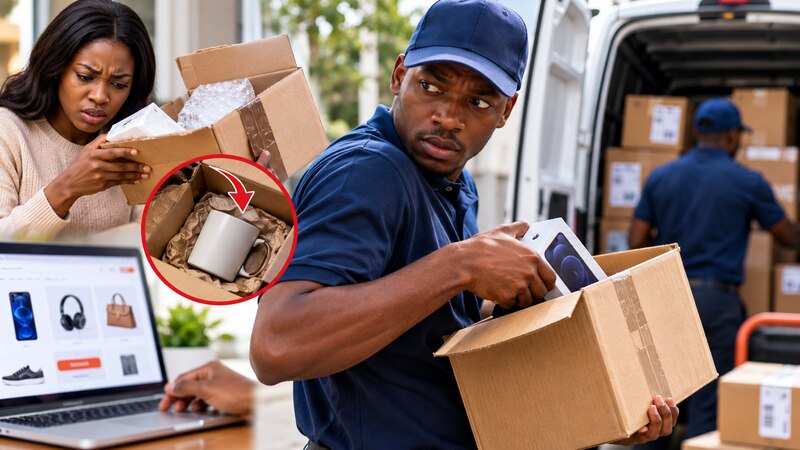
The growing reliance on e-commerce platforms and interstate courier services in Nigeria has made parcel delivery convenient, but concerns over missing goods, tampered packages, and disputed deliveries continue to trouble customers.
From smartphones and laptops to other expensive purchases, valuable items may be vulnerable at different stages of the delivery process, particularly when packages pass through several handlers before reaching their destinations.
Although accidents, misrouting, and other operational problems can cause losses, consumers also need to understand the risk of deliberate tampering by dishonest workers.
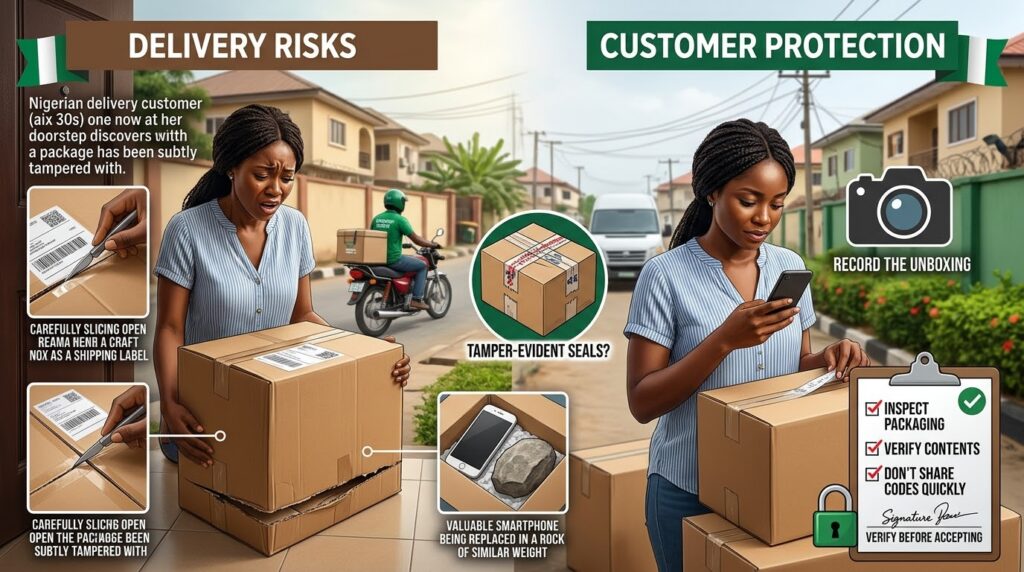
Here are five reported methods unscrupulous handlers may use to steal or replace valuable items, along with measures customers can take to protect their purchases.
1. Opening packages through concealed seams
A parcel may look intact on top while showing signs of tampering underneath, so recipients should inspect the entire package rather than relying only on the shipping label or branded security tape.
A dishonest handler could exploit an inconspicuous seam to access the contents and leave the outer packaging looking relatively undisturbed.
If the recipient signs for the delivery without checking its condition, the missing item might not be discovered until later, potentially complicating efforts to establish when the loss occurred.
2. Replacing goods with objects of similar weight
Some logistics companies use weight checks to verify parcels at different points along the delivery chain, but matching weights alone cannot confirm a package contains the correct item.
In a deliberate substitution, a valuable product could be replaced with unrelated material of a similar weight, allowing the parcel to pass a basic weighing check without an obvious discrepancy.
This highlights the limitations of relying exclusively on parcel weight as evidence that a shipment remains intact, particularly when the contents are not independently verified.
Customers receiving expensive electronics should therefore check the product, packaging and relevant order details rather than assuming that an unchanged parcel weight guarantees the contents are correct.
3. Tampering with packaging seals
Security tape and tamper-evident seals are intended to help reveal unauthorised access, but their effectiveness depends partly on the quality of the packaging and whether signs of interference are noticed.
A compromised seal, unusual adhesive marks or additional layers of tape may indicate that a parcel has been opened or repackaged during transit.
However, these signs do not automatically establish theft, as packages may also be resealed during legitimate inspections or after accidental damage.
Recipients should examine the seals carefully and ask the delivery company to explain any suspicious irregularities before accepting the shipment.
4. Using reported damage to conceal missing items
A damaged package may require inspection, documentation or repackaging before it can continue through the delivery network, creating a point at which the contents and responsibility for any loss must be carefully verified.
Dishonest handlers could exploit such situations by removing valuable goods and attributing the resulting condition to accidental damage during transit.
Where a parcel arrives crushed, punctured or unusually taped, recipients should document its condition and request that the delivery company record the damage before the transaction is completed.
Clear documentation can help distinguish legitimate handling problems from suspected interference and support subsequent complaints.
5. Exploiting the final stage of delivery
The journey between a local distribution centre and a customer’s address may involve independent dispatch riders or third-party contractors, adding another handover to the delivery process.
Where supervision and verification are inadequate, dishonest individuals could tamper with packages before presenting them to recipients.
Customers may also face pressure to provide a delivery confirmation code or sign a receipt quickly, even when they have not inspected the parcel.
Confirming delivery before checking the package can complicate a complaint because the company’s system may already record the order as successfully delivered.
Recipients should verify the parcel’s condition and contents before confirming receipt, in accordance with the delivery company’s procedures.
HOW CUSTOMERS CAN PROTECT THEIR PURCHASES
Consumers can reduce the risk of unresolved delivery disputes by purchasing from reputable sellers, retaining order receipts and tracking details, and checking the parcel’s exterior before accepting it.
For expensive electronics and other high-value goods, recording the opening process continuously, where lawful and appropriate, may provide useful evidence if the contents are missing or damaged.
Customers should avoid sharing one-time passwords or delivery confirmation codes before the goods have been received and checked, while reporting suspicious packaging promptly to the seller and logistics provider.
Where tampering is suspected, photographs, videos, delivery records and written communications can help support a formal complaint and any applicable refund or compensation claim.
Logistics companies also have a responsibility to strengthen parcel tracking, document handovers, investigate complaints and ensure that staff and contractors follow appropriate security procedures.
Ultimately, protecting valuable deliveries requires cooperation among sellers, transport operators, dispatch personnel and customers, with transparent verification at every stage helping to reduce opportunities for theft and substitution.