Nigerian celebrities are increasingly using their fame, personal resources and business connections to support people facing financial hardship, limited access to education and inadequate healthcare. From musicians funding scholarships to actors supporting children, women and families, their charitable activities have taken different forms, with some initiatives producing measurable results over the years.
The scale of these interventions varies considerably. Some celebrities have established foundations with long term programmes, while others have announced specific donations or organised medical outreaches, educational assistance and food distribution. Figures published by foundations and media organisations provide a clearer picture of the people reached, the money committed and the services delivered.
Burna Boy’s ₦250 Million School and Clinic Project in Rivers State
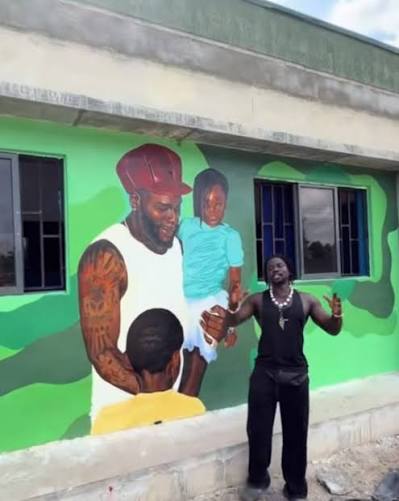
Burna Boy attracted attention in October 2026 after a school and healthcare project funded by the singer was showcased in Odiokwu, Ahoada West Local Government Area of Rivers State. The project, reportedly worth more than ₦250 million, was supervised by social media personality VeryDarkMan and included educational facilities alongside a clinic intended to improve access to basic healthcare.
Reports described the development as featuring separate junior and senior secondary school blocks, an administrative building, a library, educational equipment, toilets, a football field and a healthcare facility. Other reported installations included solar streetlights and perimeter fencing. VeryDarkMan defended the project’s reported cost, explaining aspects of the construction and the materials used.
The project also attracted attention because of claims about the amount spent on its decorative features. VeryDarkMan reportedly said approximately ₦50 million was spent on murals and graffiti, while another report stated that the fencing involved more than 18,000 blocks and covered an area exceeding 3.4 hectares. These figures should be attributed to the reported statements rather than treated as independently audited expenditure.
The project illustrates how celebrity philanthropy can extend beyond individual cash donations to physical infrastructure intended to serve a population over time. Its longer term impact will depend on whether the school and clinic remain properly equipped, staffed and maintained, allowing residents to benefit from the facilities after the initial construction.
Davido’s ₦300 Million Commitment to Nigerian Orphanages
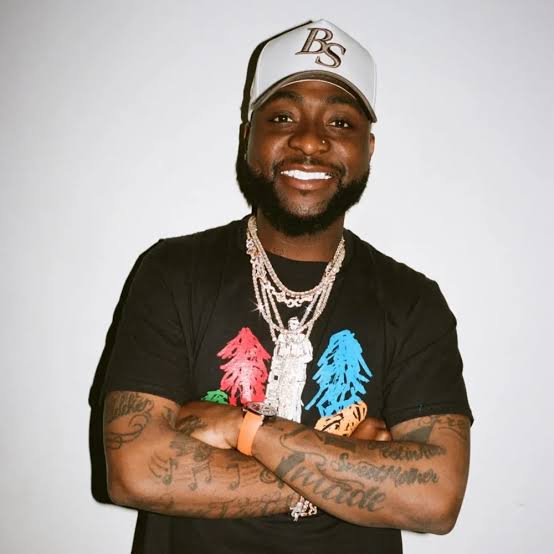
Davido has repeatedly used his platform to mobilise financial support for vulnerable children. One of his most widely reported charitable initiatives began in 2021, when he raised ₦200 million from friends and associates before adding ₦50 million of his own money, bringing the announced donation to ₦250 million.
The money was intended to support orphanages across Nigeria. The initiative became one of the singer’s most prominent public charitable efforts, attracting attention because of the amount involved and the number of people expected to benefit.
In 2023, reports stated that ₦237 million was distributed to 424 orphanages, benefiting 13,818 children. These figures provide a more concrete indication of the scale of the intervention than the initial fundraising announcement alone. They also demonstrate the importance of distinguishing money raised from the amount subsequently reported as distributed.
On February 20, 2024, Davido announced another ₦300 million commitment to orphanages and organisations working on drug abuse prevention and rehabilitation. He described the donation as his yearly contribution to Nigeria. The announcement reinforced his public association with child welfare, although the announced amount should not automatically be treated as the final amount distributed without supporting disbursement records.
Through the David Adeleke Foundation, established in 2022, the singer has a structure through which charitable activities can be organised. The reported figures from the 2021 and 2023 initiatives offer the strongest numerical evidence of the scale of his support for orphanages.
Tiwa Savage’s $2.1 Million Music Scholarship Programme
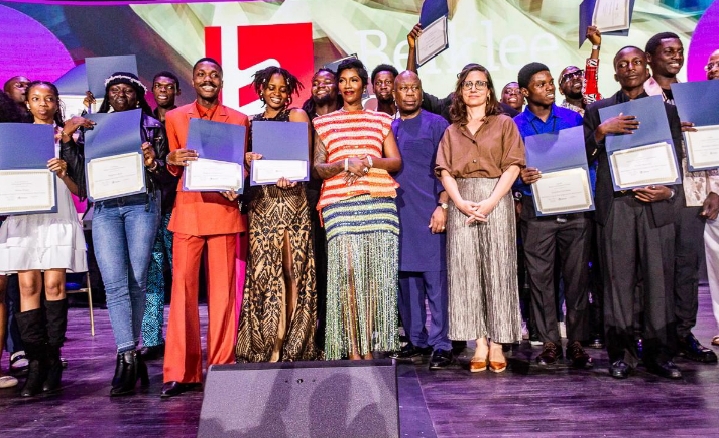
Tiwa Savage established the Tiwa Savage Music Foundation in 2026 to expand access to music education and professional development for aspiring musicians. Its flagship initiative, Berklee in Nigeria, attracted more than 2,100 applications before selecting 120 participants for an intensive training programme in Lagos in April 2026.
The programme ran from April 22 to April 26, bringing selected participants together for music education and practical development. Its major outcome was the award of 18 fully funded undergraduate scholarships to study at Berklee College of Music in Boston, United States. The scholarships were reported to have a combined value of approximately $2.1 million.
The figures show the level of competition for the opportunity. More than 2,100 people applied for 120 places in the intensive programme, while 18 participants received the full scholarships. The foundation’s published impact information also confirms the 120 participants, more than 2,100 applications and $2.1 million scholarship value.
The initiative is significant because music education can require substantial financial resources, particularly for students seeking specialist training abroad. Covering tuition and associated study costs can remove a major barrier for selected candidates, although the scholarship awards should be distinguished from a general cash donation to beneficiaries.
The foundation has also stated a long term ambition to establish a permanent music school in Nigeria. That remains a future goal rather than an accomplished project, but the 2026 scholarship programme provides a measurable starting point for assessing its educational work.
Adekunle Gold’s Sickle Cell Healthcare Support
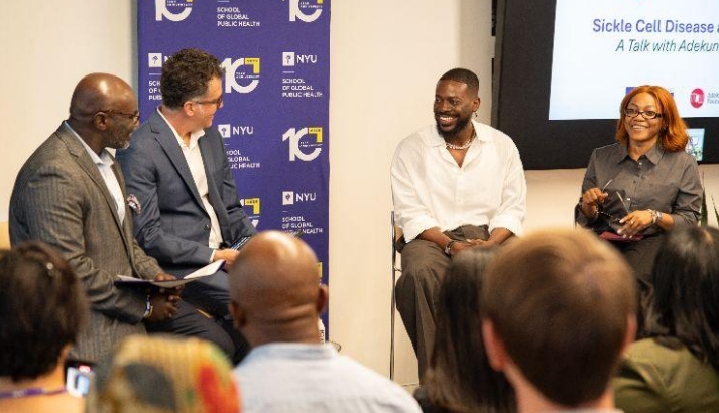
Adekunle Gold has made sickle cell awareness and healthcare support central to his charitable activities, drawing on his personal experience of living with the condition since childhood. Through the Adekunle Gold Foundation, he has supported programmes aimed at improving access to treatment, medical advice and other forms of assistance for people living with sickle cell disease.
One of the foundation’s documented initiatives is the 5 Star Care programme, launched in 2025. The programme provided free health insurance coverage to 1,000 sickle cell patients, giving beneficiaries support in accessing healthcare services. The figure offers a concrete measure of the programme’s reach.
The foundation has also organised medical outreaches with the Sickle Cell Advocacy and Management Initiative. Reported services have included specialist consultations, blood transfusions, pain management and medication support, with some programmes providing up to 3 months of medication to patients.
On October 22, 2026, the Adekunle Gold Foundation and Pesa announced a $20,000 initiative supporting 4 sickle cell organisations in Nigeria, Canada, Ghana and the United Kingdom. The participating organisations were Sickle Cell Advocacy Management Initiative in Nigeria, Not Just You in Canada, Sickle Life in Ghana and It Takes A Village in the UK.
The $20,000 commitment is separate from the 2025 health insurance programme covering 1,000 patients. Both figures demonstrate different aspects of the foundation’s work: direct healthcare support for patients and financial assistance for organisations working within the sickle cell community.
DJ Cuppy’s Foundation and More Than 95,000 Beneficiaries
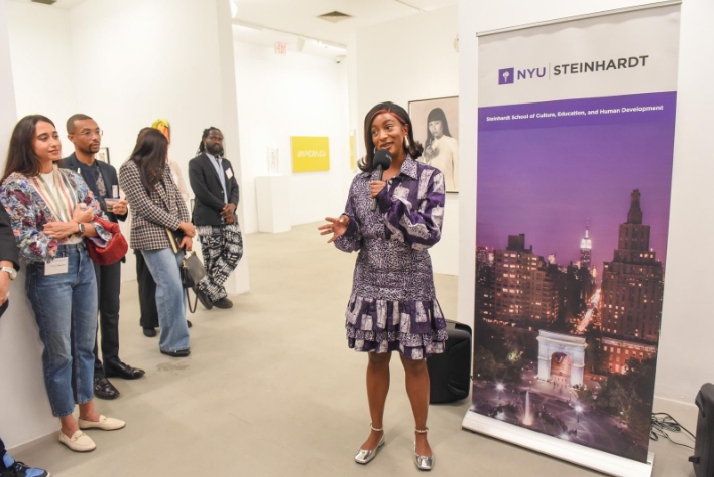
DJ Cuppy, whose real name is Florence Ifeoluwa Otedola, established the Cuppy Foundation in 2018, focusing on education, child protection and opportunities for disadvantaged young people. Its work has included partnerships with established organisations, particularly Save the Children, to support vulnerable children and improve access to learning.
A report published by The Guardian Nigeria stated that the foundation’s partnership with Save the Children directly reached 95,015 beneficiaries in 2023. The reported interventions covered communities in Borno, Adamawa and Katsina states, where children face barriers to education, healthcare and protection.
The figure relates to the reported 2023 partnership impact and should not be interpreted as the foundation’s total lifetime beneficiary count. Nevertheless, it offers a measurable indication of the scale of the programme during that year.
The foundation’s earlier annual reporting also recorded more than 9,000 unique people reached through supported programmes from 2019. Its interventions included assistance for people with physical disabilities pursuing higher education, treatment for children experiencing acute malnutrition and support for health facilities. The report also described the provision of protective equipment and infection prevention materials during the COVID 19 period.
In 2025, DJ Cuppy was named a Goalkeeper by the Bill and Melinda Gates Foundation in recognition of her work around education and equity. The recognition is separate from the beneficiary figures, but it adds context to her continued involvement in education focused philanthropy.
Tonto Dikeh’s Free JAMB Registration Initiative

Tonto Dikeh has used her foundation to support education and humanitarian assistance for disadvantaged people. One of the initiatives reported in February 2026 offered free Joint Admissions and Matriculation Board registration to 1,000 students.
The planned allocation included 500 students in Port Harcourt, 250 in Lagos and 250 in Abuja. The initiative was presented as an effort to reduce the financial burden facing students preparing for university admission.
The foundation also announced a broader ambition to support 5,000 Nigerian students annually through full or partial educational sponsorship. That figure is an annual target and should not be presented as the number of students already supported unless records confirm that the target was achieved.
An announced target describes the scale an organisation intends to reach, while a verified beneficiary figure shows the number of people who actually received assistance. The 1,000 student JAMB initiative is the specific programme figure, while the 5,000 student commitment represents the wider annual ambition.
Tonto Dikeh’s foundation has also been associated with humanitarian assistance for women, girls and children. However, the free registration programme provides a more specific numerical example of her education focused work than a general description of the foundation’s mission.
Stephanie Linus and Fistula Treatment for More Than 350 Women and Girls
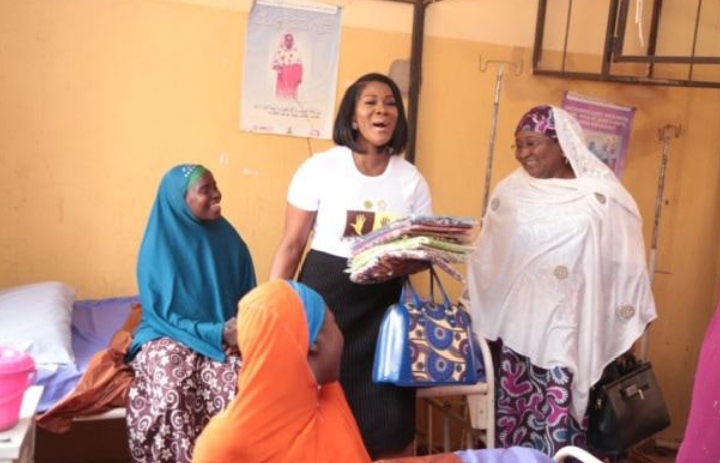
Stephanie Linus established the Extended Hands Foundation to address maternal health challenges, women’s reproductive health and the treatment of vesicovaginal fistula, a condition that can develop following complications during childbirth.
The foundation reports that more than 350 women and girls have received fistula repair care through its interventions. Its programmes have included work with hospitals, medical teams and other partners in states such as Cross River, Kwara, Kebbi and Sokoto.
Earlier interventions provide examples of the foundation’s work over several years. In 2013, 22 women received free surgical operations in Cross River State through a programme involving the foundation and Shell Nigeria Exploration and Production Company. In 2014, another initiative supported 20 women receiving surgery at University College Hospital in Ibadan.
Further interventions included assistance for 35 women in Kebbi State in 2017 and repair surgeries for 25 women in Sokoto State in 2018. These are examples of specific programmes and should not be added together to create a new lifetime total, since the records may not cover every intervention or establish whether all reported groups are entirely separate.
The foundation’s cumulative figure of more than 350 women and girls is therefore the more appropriate number to use when describing its reported overall reach. The earlier figures help demonstrate how its medical support has operated across different locations and years.
Williams Uchemba’s Support for More Than 1,000 Children Returning to School
Williams Uchemba has used his foundation to support education, poverty reduction and social development. The Williams Uchemba Foundation was established in 2018, with programmes focused on children, young people, women and men experiencing economic hardship.
According to the foundation’s published information, it has reached more than 2,000 people living in slum communities and helped more than 1,000 children return to school. These cumulative figures offer measurable indicators of its reported work in education and social welfare.
Its activities have included educational assistance, school fees, uniforms, food distribution, relief materials, business seed funding and housing support. The aim is to address some of the financial and social barriers that prevent vulnerable families from accessing basic services or maintaining stable living conditions.
The foundation’s published figures should be attributed to the organisation because they are self reported rather than independently audited totals. Even with that qualification, the numbers give readers a clearer understanding of the scale of the work than a general claim that the actor supports disadvantaged Nigerians.
The education figure is particularly relevant because helping more than 1,000 children return to school describes a specific outcome rather than simply counting people who attended a charity event or received one off assistance. The foundation’s longer term impact will depend on whether children remain in education and whether families continue to receive the support required to sustain their schooling.
Omotola Jalade Ekeinde’s Support for 20 Widows
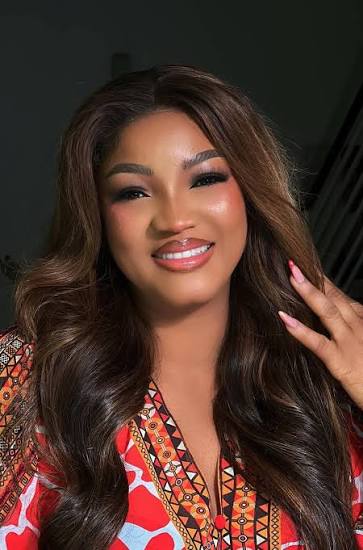
Omotola Jalade Ekeinde has supported youth empowerment and women’s welfare through the Omotola Youth Empowerment Programme, known as OYEP. Its stated areas of interest include youth development, women’s rights and poverty alleviation.
One documented example is the 20 Widows Makeover initiative reported in January 2012. The programme involved 20 widows who received makeovers, clothing and other gifts. Reports also described food items, including bags of rice, and household materials provided as part of the assistance.
The initiative was organised in honour of Omotola’s mother. Its reported figures provide a specific example of the actress’s charitable activities, although the programme dates back to 2012 and should not be described as a current annual initiative without newer evidence.
OYEP has also been associated with empowerment programmes and activities intended to support young people. However, the 20 widows figure relates specifically to the historical makeover initiative and should not be used as a cumulative measure of all the programme’s beneficiaries.
Kanu Nwankwo’s Heart Foundation and 538 Children
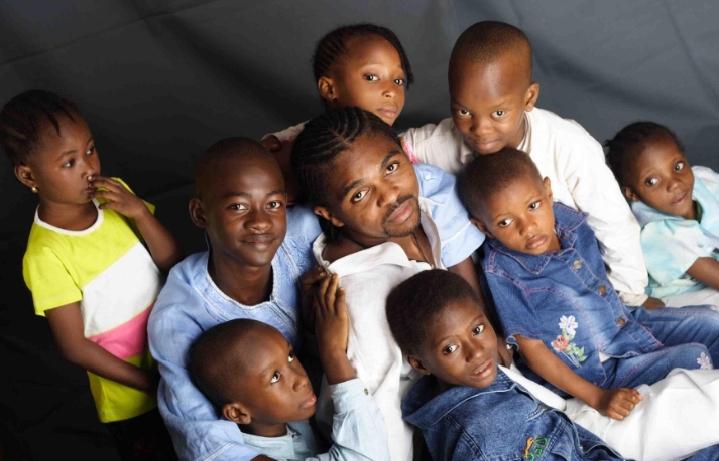
Former Nigerian football captain Kanu Nwankwo established the Kanu Heart Foundation in 2000 to help children who require cardiac treatment but cannot afford the cost of surgery.
According to the foundation’s own published information, it has helped 538 children receive open heart surgery. The organisation also reports spending approximately $4.2 million on surgeries outside Nigeria, with an average cost of about $10,000 per person. These are cumulative figures published by the foundation and should be attributed accordingly.
The foundation’s work addresses a serious financial barrier for families whose children need specialist heart treatment. Surgery can involve medical fees, hospital stays, travel and other expenses that place substantial pressure on households, particularly when treatment is unavailable locally or requires specialist facilities.
The foundation has also proposed a cardiac centre in Abuja with a planned capacity of at least 250 open heart surgeries annually once completed. That capacity is a projected figure, not evidence that the centre is already operational or performing that number of procedures.
The 538 children reported to have received surgery remains the clearest cumulative outcome figure. The proposed annual capacity describes the potential contribution of the planned centre if it becomes operational as intended.
Don Jazzy’s Donations: ₦100 Million for Education, Medical Aid, Students and Fans
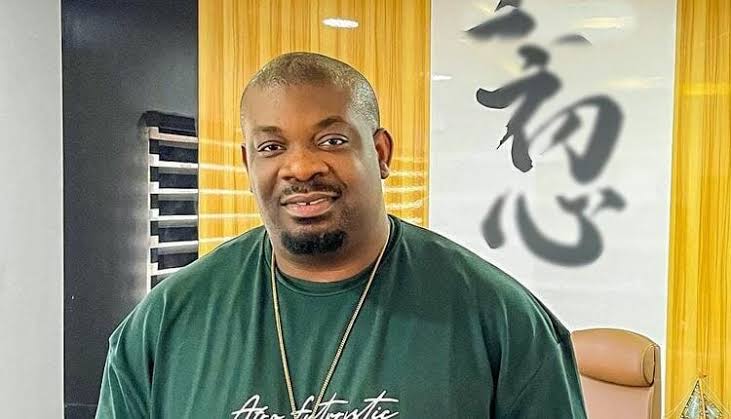
Nigerian music producer and Mavin Records founder Don Jazzy has a history of supporting Nigerians through cash donations, medical assistance, education support and youth empowerment initiatives.
In October 2024, he donated ₦100 million to VeryDarkMan’s NGO, which focuses on community development and public education. In November 2025, he also pledged ₦20 million to the Tech Access Project, an initiative seeking to provide laptops to 10,000 young Nigerians interested in technology, design, music production and digital entrepreneurship.
His support has also extended to people facing medical emergencies. In October 2023, he reportedly donated ₦8 million to 2 Nigerians requiring urgent medical assistance. The contribution included ₦6 million for a female footballer who needed knee surgery and ₦2 million for a diabetic patient requiring treatment and a prosthetic.
Don Jazzy has also helped students and individuals seeking financial assistance. In 2023, he reportedly offered ₦500,000 to a student struggling with school expenses. In May 2025, he reportedly sent ₦6 million to a female fan after noticing her social media post requesting financial help.
His earlier charitable activities include a reported ₦2 million donation to cancer patient Funmi Lawal in 2012 to help fund her treatment. In 2021, a report said he distributed more than ₦10 million to fans over approximately 6 weeks, supporting people with different financial needs.
Other retrospective accounts attribute to him a ₦2 million contribution for Katsina flood victims in 2014, ₦5 million for people affected by communal clashes in Plateau State in 2018, and financial assistance towards a child’s heart surgery in 2017. These older claims and some individual donation amounts should be independently verified against contemporary reports before publication.
His 2027 technology scholarship with TS Academy builds on this reported record of support by offering tuition assistance of up to ₦447,000, 50 laptops for selected beneficiaries and possible data support for 500 students. Taken together, the reported contributions span education, healthcare, technology access and direct financial assistance. They are examples of his public giving, rather than a complete record of every donation he has made.
Funke Akindele’s Jenifa Foundation
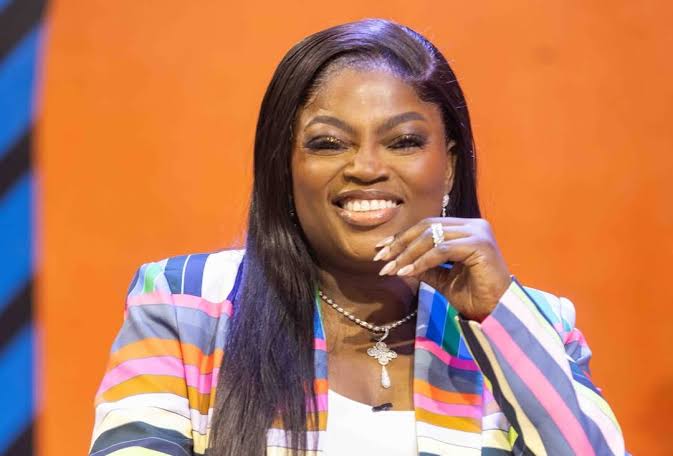
Funke Akindele established the Jenifa Foundation in 2024, with a focus on empowering vulnerable groups, supporting small businesses and providing resources for elderly and underserved Nigerians.
The foundation has been mentioned in reports examining Nigerian celebrities who operate charitable organisations. Its stated areas of interest include community development and assistance for people facing social or financial difficulties.
Mercy Johnson Okojie’s Charity Activities

Mercy Johnson Okojie has been associated with charitable activities involving child welfare, education, healthcare outreach and relief for widows and disadvantaged Nigerians. Reports describing her foundation have highlighted the distribution of food, clothing and other forms of support to vulnerable people.
These activities cover several areas of need, from immediate relief to access to education and healthcare. Food and clothing can help families facing financial hardship, while educational assistance and medical outreach can address challenges that have longer term consequences.
Oluremi Tinubu’s Appeal to Wealthy Nigerian Entertainers
Nigeria’s First Lady, Oluremi Tinubu, called on prominent entertainers to use their wealth and influence to support vulnerable Nigerians during the launch of the National Community Food Bank Programme in Lokoja, Kogi State, in July 2026.
She specifically mentioned Burna Boy, Davido and Asake while encouraging wealthy public figures to establish foundations or expand their charitable activities. She also cited Senegalese American singer Akon as an example of an entertainer associated with philanthropic work.
The appeal brought attention to the role entertainers can play in addressing social needs, particularly when their financial resources and public reach are combined with structured programmes. It also highlighted the difference between occasional donations and long term initiatives that can be monitored through published accounts and beneficiary records.
The figures discussed in this article show that celebrity philanthropy takes different forms. Davido’s orphanage distributions, Tiwa Savage’s scholarships, Adekunle Gold’s sickle cell insurance programme, DJ Cuppy’s education partnership and the medical work associated with Kanu Nwankwo and Stephanie Linus offer distinct examples of how charitable resources can be directed towards specific needs.
Measuring the Impact of Celebrity Charity in Nigeria
The available figures provide a more useful basis for examining celebrity philanthropy than publicity announcements alone. Davido’s reported distribution of ₦237 million to 424 orphanages benefiting 13,818 children in 2023 gives an indication of the reach of his child welfare initiative. Tiwa Savage’s 18 scholarships valued at $2.1 million show the financial scale of her music education programme, while Adekunle Gold’s 2025 health insurance initiative covered 1,000 sickle cell patients.
Other figures highlight the value of sustained programmes. DJ Cuppy’s partnership with Save the Children reportedly reached 95,015 beneficiaries in 2023, Stephanie Linus’ foundation reports more than 350 women and girls receiving fistula repair care, and Williams Uchemba’s foundation reports more than 1,000 children helped back into school. Kanu Heart Foundation reports 538 children receiving open heart surgery.
These figures measure different outcomes and should not be treated as directly comparable. A scholarship recipient, a child receiving surgery, a person reached through a broader community programme and an orphanage receiving financial support represent different types of assistance. The figures also come from a mixture of media reporting and organisations’ own published information, so their source and scope matter.
The strongest assessment of charitable work combines the amount committed, the number of people who actually received assistance, the services delivered and evidence that programmes continued to operate after their launch. Where only an announcement or stated objective is available, it should be presented as such rather than as a completed result.
Celebrity foundations can help direct attention and resources towards education, healthcare, hunger, poverty and other social challenges. Their long term contribution, however, is best understood through documented outcomes, transparent reporting and evidence of sustained support for the people their programmes are designed to serve.