
The disagreement surrounding the burial of late gospel singer Olayemi Bayonle Bolaji, popularly known as Toluwanisings, has reached the attention of the Oyo State Police Command, bringing his father, widow, friends and associates together for an intervention that could determine how the parties conduct themselves in the coming days. The family disagreement had attracted public attention following conflicting positions over where the singer should be laid to rest, with statements from people close to him adding to the growing tension surrounding his death.
A meeting held at the police command headquarters in Eleyele, Ibadan, on November 3, 2026, produced a peace undertaking signed before the Commissioner of Police, Abimbola Ayodeji Olugbenga.
The intervention followed information received by the commissioner on October 28, 2026, concerning allegations of conspiracy, defamation of character and conduct capable of causing a breach of public peace. Several commitments were subsequently made by the people involved, covering public statements, media interviews, social media publications and the activities of individuals acting on their behalf.
How the Oyo Police Became Involved in the Burial Dispute
The Oyo State Police Command confirmed its intervention in the disagreement through a statement issued by its Police Public Relations Officer, DSP Olayinka Ayanlade. The statement identified the deceased as Olayemi Bayonle Bolaji and explained that the police became involved after receiving information about the growing disagreement between members of his family and people associated with him. The situation had generated public exchanges, allegations and concerns about possible actions capable of disturbing public peace.
According to the statement, Commissioner of Police Abimbola Ayodeji Olugbenga received information concerning the disagreement on October 28, 2026. The concerns included allegations of conspiracy and defamation of character, alongside the possibility that the dispute could escalate beyond the people directly involved. The police subsequently considered it necessary to invite the parties to the command headquarters in Eleyele, Ibadan, to address the situation and prevent further tension.
The commissioner relied on Section 4 of the Police Act 2020 and other relevant legal provisions in directing the intervention. Section 4 outlines the general responsibilities of the Nigeria Police Force, including preventing crime, maintaining public safety and order, protecting lives and property, and enforcing applicable laws. The meeting was therefore presented as a preventive intervention intended to maintain peace rather than a judicial proceeding to determine the competing positions of the family members.
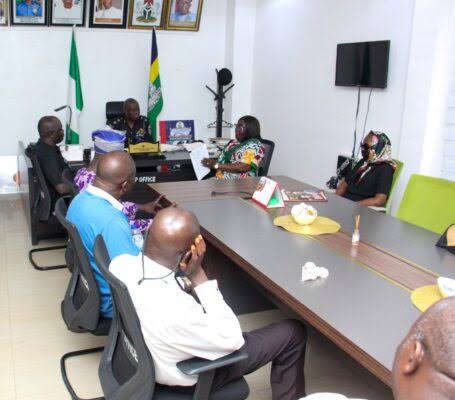
The police eventually announced that the parties had entered into and signed a peace undertaking before the commissioner on November 3, 2026. The statement explained that the parties had “successfully intervened in the dispute” and confirmed that they had “entered into and signed a peace undertaking before the Commissioner of Police.” The participants included the deceased’s wife, father, friends, associates, personal assistant and other representatives.
The First Commitment: Maintaining Peace After the Meeting
One of the major commitments contained in the undertaking requires the signatories to “maintain peace and be of good behaviour.” The parties agreed to avoid actions capable of causing a breach of public peace or worsening the disagreement surrounding the singer’s burial. This requirement establishes the general expectation that everyone involved should exercise restraint in their dealings with one another, particularly as preparations for the burial remain a sensitive issue.
The commitment goes beyond avoiding physical confrontations between the father and widow. It also addresses provocative behaviour and other activities that could create fresh tension among their relatives, friends and associates. The police intervention was partly prompted by concerns about the growing public disagreement, making peaceful conduct an important part of the agreement reached at the command headquarters.
Parties Agree to Discontinue Public Exchanges
Another major condition requires the parties to “discontinue public exchanges, interviews and discussions” capable of inflaming tensions or aggravating the existing disagreement. The provision addresses the public arguments that had accompanied the burial dispute, particularly statements concerning the circumstances surrounding the singer’s death and the preferred location for his final resting place.
Under this commitment, the people involved are expected to stop using public platforms to exchange accusations or respond to allegations in ways that could restart the disagreement. The restriction also covers discussions capable of worsening relationships between the deceased’s paternal family and his widow. Consequently, the undertaking seeks to prevent further public confrontations while the parties deal with the remaining issues surrounding the burial.
The provision is particularly relevant because the disagreement had attracted attention beyond the family. Interviews and public statements had provided different accounts of the proposed burial arrangements, creating further discussion about the positions of the people involved. The police therefore included public communication among the issues that needed to be addressed through the undertaking.
Restriction on Social Media Publications, Allegations
The undertaking also requires the signatories to “discontinue the dissemination of information, narratives, allegations and publications” relating to the disagreement. The police specifically identified social media platforms, print media, radio stations, blogs and other communication channels as platforms covered by the commitment.
This means the restriction is not limited to personal Facebook, Instagram, TikTok or X accounts. It also addresses the circulation of disputed information through interviews, newspaper publications, radio programmes and other media engagements. The parties are expected to avoid publishing competing accounts or circulating allegations capable of creating further hostility over the singer’s death and burial arrangements.
The wording also covers publications made through “their respective proxies, agents, associates and representatives.” This provision is intended to prevent the disagreement from continuing indirectly through people acting on behalf of the principal parties. A person who signs an undertaking to stop circulating allegations could undermine that commitment if the same information continues to be promoted through an associate acting as an intermediary.
Friends, Agents and Representatives Also Covered
The inclusion of proxies and representatives is another important part of the agreement because the police did not restrict their intervention to the father and widow alone. The statement specifically mentioned friends, associates and other representatives who could influence the disagreement through their activities or public communications.
The parties are expected to caution people around them against “making, sponsoring, amplifying or circulating publications” capable of reigniting the dispute. Making publications involves producing statements or content about the disagreement, while sponsoring refers to providing financial or other support for their production or circulation. Amplifying and circulating such material also fall within the activities the signatories agreed to discourage.
This provision means the people involved are expected to take reasonable steps to prevent their representatives from continuing the public arguments on their behalf. For example, a person who stops granting interviews but encourages an associate to publish the same allegations could undermine the purpose of the undertaking. The police therefore addressed both direct communication and the activities of individuals connected to the signatories.
No Interviews or Media Engagements to Reignite the Dispute
The parties also agreed not to “grant interviews, provide access or facilitate engagements” intended to further circulate the narratives surrounding the disagreement. The provision addresses situations where individuals could continue the public arguments by granting interviews to journalists, providing access to media platforms or arranging engagements through other people.
It also covers situations where a signatory does not personally appear before a media organisation but assists another person in obtaining information or access for the purpose of spreading further accounts of the dispute. The agreement consequently seeks to prevent the parties from using intermediaries to continue the same public exchanges they have undertaken to discontinue.
However, the provision is directed at engagements connected to the disagreement. It does not automatically amount to a blanket prohibition on every interview or public appearance by the people involved on unrelated matters. Its central purpose is to prevent further publications and discussions capable of worsening the tensions surrounding Toluwanisings’ burial.
Commissioner Warns Against Exploiting the Singer’s Death
Commissioner Olugbenga also warned against taking advantage of the circumstances surrounding the singer’s death to instigate hostility or promote unsubstantiated allegations. He stressed that “the agreement must be respected by all parties,” including their proxies, agents, associates and representatives.
The warning followed the public disagreement over the circumstances surrounding Toluwanisings’ death and the subsequent burial arrangements. His paternal family had reportedly demanded an investigation into the circumstances of his death before the burial, while disagreements over the proposed burial location further complicated the situation.
The commissioner specifically warned that “no individual should take advantage of the unfortunate circumstances surrounding the singer’s demise” to instigate hostility or promote unsubstantiated allegations. His statement did not announce that the family had withdrawn its demand for an investigation. Neither did it establish the official cause of death or identify anyone as responsible for his death.
Possible Arrest, Prosecution for Criminal Offences
The police also issued a warning about the consequences of conduct that independently amounts to a criminal offence under applicable laws. Commissioner Olugbenga stated that anyone whose actions constitute an offence “will be arrested and prosecuted accordingly.”
This warning accompanies the commitments made by the signatories and reinforces the police expectation that everyone involved should respect the agreement. However, the announcement does not mean that every failure to comply automatically establishes a criminal offence. Any suspected offence would still require appropriate investigation and legal processes under the applicable laws.
The police further stated that “any conduct independently amounting to a criminal offence will be addressed in accordance with the law.” The police did not announce that any of the people who signed the undertaking had been arrested, charged or convicted following the November 3 meeting. The warning was directed at preventing further misconduct and making it clear that the undertaking does not remove the police’s responsibility to address criminal offences where they arise.
Bloggers, Journalists Also Receive Police Warning
The commissioner’s appeal extended beyond the people who participated in the meeting. Bloggers, media practitioners, journalists and other interested members of the public were urged to exercise restraint when reporting or discussing the disagreement.
The police specifically cautioned against amplifying unverified information or publications capable of reigniting tensions between the people involved. This followed the widespread public attention generated by statements concerning the singer’s death, his father’s preferred burial arrangements and the widow’s reported position.
The appeal recognises that public discussions can influence the atmosphere surrounding a sensitive family disagreement. However, the warning to the wider public should not automatically be interpreted as a court order prohibiting independent journalism or legitimate reporting. The specific commitments in the undertaking concern the signatories, while the broader appeal encourages responsible communication by other members of the public.
Who Signed the Peace Undertaking?
The published police statement identified the singer’s wife, Mrs Olayemi Elizabeth Damilola, and his father, Mr Muniru Olayemi, among the principal participants in the meeting. Their involvement was particularly significant because their competing positions over the burial arrangements had become central to the public disagreement.
Other named participants included Oyindamola Esther, Babadunni Gbolabo and Comrade Lawal Ademola Rafiu. The police also mentioned the participation of the singer’s personal assistant and other representatives, indicating that the meeting involved people beyond his immediate family.
While some reports identify the associate as Babadunni Gbolabo, there are also references to Comrade Lawal Ademola Rafiu and Lawal Rauf in discussions concerning the singer’s relatives. The names in the police statement remain the appropriate reference when identifying the participants without assuming that differently spelt names refer to separate individuals.
What Toluwanisings’ Father Said About His Preferred Burial Location
The disagreement became more widely known after the singer’s father, Muniru Adekunle Olayemi, publicly explained where he wanted his son buried. He said he preferred a home burial at the house he had built or an alternative arrangement that would allow the singer to be laid to rest beside his late mother in Osun State.
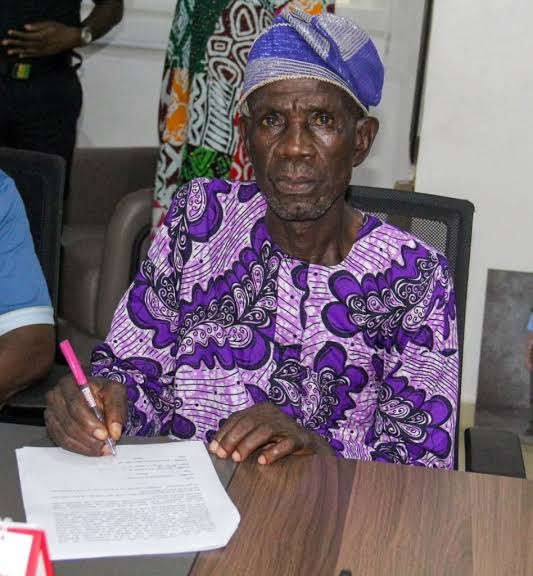
The father explained that his son had supported him financially and maintained a close relationship with his younger half siblings. According to his account, these family ties contributed to his preference for having the singer buried at the family home rather than at a cemetery.
He also proposed Ikirun in Osun State as an alternative if the widow did not accept his preferred home burial arrangement. Explaining his position, he said, “They should bring him down to the village where his mother is and bury him beside her.”
The statement reflected the father’s personal preference and should not be mistaken for a burial arrangement approved by the police or accepted by the widow. His account also provided an explanation for why the location of the burial had become a major issue between the deceased’s paternal family and his wife.
Widow’s Reported Position, Family’s Reaction
According to the father’s account, his daughter in law proposed that the singer should be buried in a cemetery or church rather than inside the house. He reportedly claimed that she was uncomfortable with the idea of living in a property where her husband had been buried.
However, the explanation of the widow’s position in the reports surrounding the disagreement largely came through the father’s account. A direct explanation from her would be necessary to establish her reasons independently and provide a fuller picture of the competing positions.
The disagreement also attracted attention after the singer’s uncle, identified as Lawal Rauf, reportedly warned that the family would exhume the remains if the widow proceeded with a cemetery burial. His grandmother was also reported to have threatened to curse anyone who went ahead with such an arrangement.

These reported statements added to the tension surrounding the proposed burial. However, they were threats reported during the disagreement and should not be presented as actions that had already taken place. The police subsequently brought the parties together to sign the undertaking and discourage further escalation.
Timeline of Toluwanisings’ Death, Burial Dispute
Toluwanisings died on October 14, 2026, according to reports giving that date. Some published accounts, however, refer to October 15, making confirmation from the family’s original announcement important when establishing the exact date. His death was followed by disagreements involving his paternal family and widow over where his remains should be buried.
On October 25, 2026, his father’s account of the burial disagreement became public through an interview in which he explained his preferred arrangements. Further reports published on October 26 provided additional details about his preference for a home burial or an alternative resting place beside the singer’s late mother in Ikirun, Osun State.
The Oyo State Police Command received information concerning the disagreement on October 28, 2026, prompting Commissioner Olugbenga to intervene. Following the invitation of the parties, a meeting was held at the command headquarters in Eleyele, Ibadan, on November 3, 2026, where the father, widow and other participants signed the peace undertaking.
The police announced the agreement after the meeting, and details of its provisions became public on November 4, 2026. The announcement outlined the commitments concerning public exchanges, media interviews, social media publications, representatives and conduct capable of disturbing public peace.
What Happens Next With Toluwanisings’ Burial?
The November 3 undertaking addresses the conduct of the people involved but leaves several issues surrounding the burial arrangements unanswered.

Toluwanisings’ father, wife and other participants have therefore made a formal commitment before the Oyo State Commissioner of Police to exercise restraint and stop public exchanges capable of aggravating the disagreement. The police have also warned that independently established criminal offences will be handled under applicable laws.
The next significant development will be whether the family members reach an understanding over the burial arrangements and communicate an agreed location for his final resting place. Until such an announcement is made, the November 3 peace undertaking remains an agreement to maintain peace rather than confirmation that the dispute over Toluwanisings’ burial has been completely resolved.