WITHIN NIGERIA highlighted the significant event that happened on November 11th in Nigeria’s history in an effort to raise awareness for enlightenment and educational purposes.
- World War I ended, Nigeria’s Remembrance Day tradition began
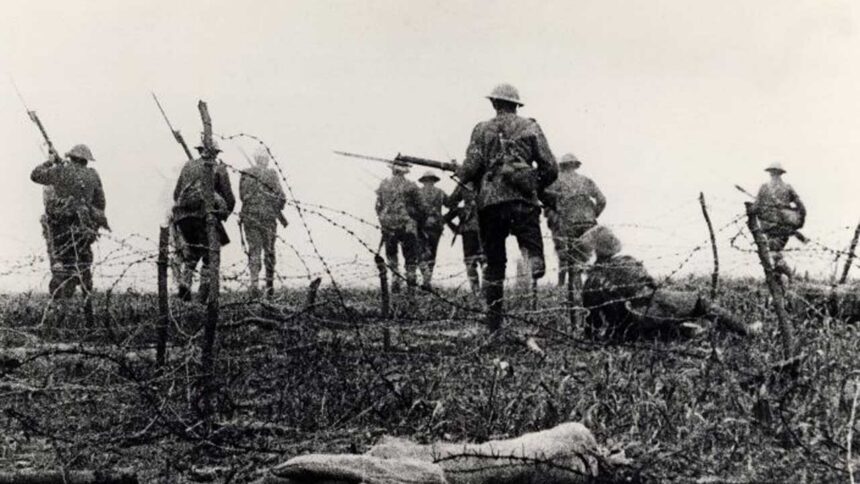
- On November 11, 1918, the First World War came to an end.
At the 11th hour of the 11th day of the 11th month, the Armistice was signed in Europe, and the guns that had roared from 1914 to 1918 finally fell silent.
The war claimed millions of lives across the world, including thousands of Nigerians who served in the West African Frontier Force.
Britain, in honor of those who died, instituted Armistice Day, later known as Remembrance Day, also called Poppy Day. The red poppy, inspired by John McCrae’s famous poem “In Flanders Fields,” where poppies grew on soldiers’ graves, became the symbol of remembrance.
As a former British colony, Nigeria adopted the observance.
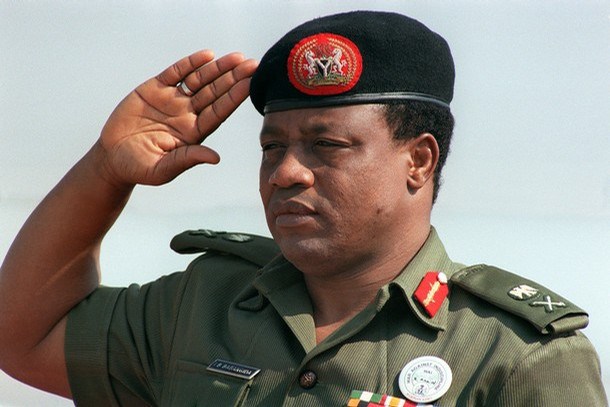
For years, every November 11, Nigeria joined other Commonwealth nations to honour veterans of the First and Second World Wars, laying wreaths, wearing the red poppy, and observing a minute’s silence for men who never returned home.
But history took a new turn.
After Nigeria’s independence in 1960, the country fought a devastating civil war from 1967 to 1970. On January 15, 1970, the war ended when the Biafran army, led by General Philip Effiong, formally surrendered to the Federal Government.
In recognition of that national sacrifice and the need to localise the commemoration, the Federal Government moved the observance from November 11 to January 15.
Today, the Armed Forces Remembrance Day, is observed every January 15, honours not only veterans of the First and Second World Wars, but also heroes of the Nigerian Civil War, peacekeeping missions, and all servicemen and women who paid the supreme price in service to the nation.