A relationship that appears ordinary to the people involved can carry serious legal consequences when one of the parties is below 18. Across communities, teenagers may describe older partners as boyfriends or girlfriends, while some adults believe that mutual affection, parental awareness or an assurance about age is enough to protect them from legal trouble. Lagos State law takes a different position, particularly when sexual intercourse involving a child is established.
The issue returned to public attention on Wednesday, November 18, 2026, after the Lagos State Police Command warned adults against having sexual intercourse with anyone below 18, explaining that the child’s consent does not provide a legal defence. The announcement also addressed misconceptions surrounding romantic relationships with teenagers, mistaken beliefs about age and the consequences of violating child protection laws. Behind the warning are existing provisions that prescribe severe punishment for offenders, including life imprisonment for the offence of defilement under the Criminal Law of Lagos State.
The warning has brought renewed attention to 2 important pieces of legislation, the Lagos State Child’s Rights Law 2007 and the Criminal Law of Lagos State. Together, their provisions explain why a 17 year old is still protected as a child, why consent cannot be used to justify sexual intercourse with a minor and how adults who violate the law may face prosecution.
What Lagos Police Announced on November 18, 2026
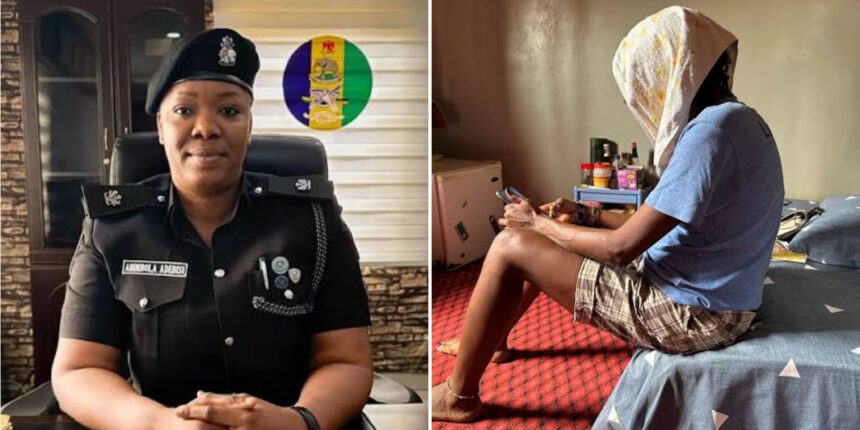
The Lagos State Police Command issued the warning through its Police Public Relations Officer, SP Abimbola Adebisi, during an interview with the News Agency of Nigeria in Lagos on Wednesday, November 18, 2026. Her comments focused on the need to protect children from sexual abuse and ensure that adults understand the legal consequences of sexual intercourse with minors.

Adebisi explained that sexual intercourse with anyone below 18 constitutes an offence under the applicable Lagos State laws, regardless of whether the child appears willing or describes the adult as a romantic partner. She also made it clear that the prohibition applies to both boys and girls, meaning that male children receive the same statutory protection as female children.
One of the major issues addressed during the interview was the belief that an established romantic relationship could provide an excuse when an adult has sexual intercourse with a teenager. The police spokesperson made clear that describing a minor as a boyfriend or girlfriend does not change the person’s legal status as a child or remove the consequences attached to the offence.
Her warning was particularly significant because it directed attention towards existing legislation rather than announcing a new criminal law. The police were reminding residents of provisions already contained in Lagos State legislation and urging parents, guardians and other adults to take their responsibility for children’s safety seriously.
Who Is Considered a Child Under Lagos State Law?
The Lagos State Child’s Rights Law 2007 defines a child as a person who has not attained the age of 18. This definition is central to understanding the police warning because it establishes the age below which the statutory protection applies, regardless of an individual’s appearance, personal development or relationship status.
Under this definition, a person aged 17 remains a child, just like someone aged 15, 12 or 8. Reaching 16 or 17 does not automatically remove the protection provided by the legislation, even where the teenager is financially independent, lives away from their parents or describes themselves as mature enough to make personal decisions.
The distinction becomes important when adults assume that teenagers approaching adulthood can legally consent to sexual intercourse with them. Someone who is 17 may be close to their 18th birthday, but the law does not treat that person as an adult simply because the difference is only a few months.
Section 27 of the Lagos State Child’s Rights Law specifically addresses sexual intercourse with a child and establishes the circumstances that cannot be relied upon to escape liability. The provision therefore makes the child’s age a central consideration rather than allowing an accused person to determine legality through assumptions about maturity or personal willingness.
What Section 27 Says About Sexual Intercourse With a Child
Section 27 of the Lagos State Child’s Rights Law 2007 is one of the most important provisions behind the November 18 police warning. Its first subsection prohibits any person from having sexual intercourse with a child, while the second subsection addresses 2 arguments that cannot be used as defences when someone is charged under the provision.
Section 27(1) establishes the prohibition against sexual intercourse with a child. Section 27(2) further provides that it is immaterial whether the accused person believed the child had attained 18 or whether the sexual intercourse occurred with the child’s consent.
The wording is significant because it addresses situations that sometimes arise when adults become involved sexually with teenagers. Someone accused of the offence cannot simply argue that the minor willingly participated or that they genuinely believed the person was already an adult.
For instance, an adult who meets a 17 year old and receives an assurance that the teenager is 19 cannot automatically rely on that claim as a defence under Section 27. The same applies where the minor allegedly initiates the encounter or describes the relationship as voluntary.
The legislation places the protection of children above these arguments. Its purpose is to prevent adults from using a child’s apparent willingness or an alleged misunderstanding about age to avoid the legal consequences of sexual intercourse with someone who remains below 18.
Why Consent Does Not Protect an Adult
Consent is one of the central issues in the police warning, particularly because some adults believe that an underage person’s willingness changes the legal position. Section 27(2)(b) of the Lagos State Child’s Rights Law directly addresses this argument by stating that the child’s consent is immaterial when a person is charged under the section.
This means that an adult cannot escape the prohibition simply by claiming that the teenager agreed to the sexual activity. Even where both parties describe the encounter as voluntary, the statutory protection remains applicable because the person involved has not attained 18.
The provision also makes it difficult for an accused person to rely on romantic messages, affectionate behaviour or previous sexual encounters as proof that the minor agreed to the relationship. Such circumstances do not automatically remove the offence established by the legislation.
The issue is particularly important for adults who maintain relationships with teenagers and assume that the length of the relationship provides legal protection. A 25 year old who has been dating a 17 year old for several months cannot use the duration of the relationship to override the statutory prohibition.
However, the legal distinction between dating and sexual intercourse must be maintained. Section 27 specifically prohibits sexual intercourse with a child, while other provisions address different forms of sexual abuse and exploitation. A romantic relationship alone should not automatically be described as an offence under Section 137 without establishing the conduct involved and the relevant legal provision.
What Happens When a Minor Lies About Their Age?
Another issue addressed by the legislation is the possibility that a teenager may claim to be older than their actual age. This situation can arise through personal introductions, dating applications, social media conversations or ordinary encounters where someone gives a false age.
Section 27(2)(a) of the Lagos State Child’s Rights Law provides that it is immaterial whether the accused believed the child was 18 or older. Consequently, an adult cannot simply rely on an alleged assurance from a minor to defeat a charge under the provision.
Consider a situation involving a 24 year old man who meets a girl claiming to be 19. They begin a relationship, but he subsequently discovers that she is actually 17. Her alleged misrepresentation does not automatically provide him with a defence under Section 27.
The provision is particularly important because appearances and personal claims cannot change the statutory definition of a child. Adults are expected to understand the legal responsibility attached to engaging sexually with someone below the age of 18.
Does Having an Underage Girlfriend or Boyfriend Make It Legal?
The Lagos police spokesperson specifically addressed the belief that an adult can avoid prosecution by describing a minor as a boyfriend or girlfriend. Under the relevant provisions, the relationship label does not create an exemption from the prohibition against sexual intercourse with a child.
This applies even where the relationship has continued for months, the teenager regularly visits the adult’s residence or both parties openly introduce themselves as partners. The circumstances surrounding the relationship do not automatically change the person’s age or remove the protection provided by the law.
The same position applies where a teenager sends romantic messages, initiates conversations, expresses affection or tells friends that the adult is their partner. None of these circumstances creates a legal exception to Section 27.
Parents also cannot simply approve such an arrangement and expect their permission to override the legislation. Section 20 of the Lagos State Child’s Rights Law prohibits child marriage, while Section 21 addresses child betrothal.
These provisions reinforce the protection afforded to children against arrangements that undermine their welfare and legal rights. Parental awareness or approval cannot independently make sexual intercourse with a child lawful.
Section 137: The Law That Prescribes Life Imprisonment
While Section 27 of the Child’s Rights Law establishes the prohibition, Section 137 of the Criminal Law of Lagos State addresses the punishment for defilement of a child.
The provision states: “Any person who has unlawful sexual intercourse with a child is guilty of a felony, and is liable to imprisonment for life.”
This is the statutory provision behind the police warning that adults who have unlawful sexual intercourse with minors may face life imprisonment. It classifies the offence as a felony and prescribes a punishment that reflects the seriousness of sexual offences against children.
The distinction between the 2 provisions is important. Section 27 establishes that sexual intercourse with a child is prohibited and excludes consent and mistaken belief about age as defences, while Section 137 provides the criminal punishment for defilement.
Consequently, the November 18 announcement was not introducing life imprisonment as a new punishment. The provision already existed under Lagos State criminal legislation, and the police were drawing public attention to the consequences of violating it.
Other Sexual Offences Against Children Under Lagos Law
The legal protection available to children extends beyond sexual intercourse. The Criminal Law of Lagos State contains provisions addressing other forms of sexual exploitation, indecent treatment and conduct that exposes minors to sexual abuse.
Section 135 addresses the indecent treatment of a child and prescribes 7 years’ imprisonment. Section 137 covers defilement of a child and provides for life imprisonment, while Section 138 addresses knowingly permitting a child to be brought onto premises for unlawful sexual intercourse or indecent dealing.
Section 139 concerns allowing a child to reside in or frequent a brothel. The prescribed punishment includes a fine of ₦90,000, imprisonment for 6 months or both. Section 141 also addresses the abduction of a girl below 18 for the purpose of sexual intercourse, prescribing 2 years’ imprisonment.
These offences have different legal ingredients, meaning that investigators and prosecutors must establish the specific conduct involved before determining the appropriate charge. A person who knowingly facilitates the use of premises for unlawful sexual activity involving children may also face legal consequences where the requirements of the relevant provision are established.
It is equally important to understand that every form of sexual misconduct involving a minor does not automatically attract life imprisonment under Section 137. The punishment depends on the particular offence established and the applicable provision of the law.
Former Lagos Teacher Sentenced to Life Imprisonment in September 2026
A recent court case provides a practical example of how Section 137 has been applied in Lagos State. On September 30, 2026, the Lagos State High Court sitting in Ikeja sentenced a former schoolteacher, Nwatu Isaac, to life imprisonment for defiling an 8 year old pupil.
The offence occurred at El Bossaa Nursery and Primary School in Epe on March 10, 2022. According to the proceedings, Isaac had previously taught the girl and later transported pupils from the school on his motorcycle.
The prosecution alleged that he lured the child into a school toilet, where the offence occurred. The girl subsequently informed her father about the incident, while her mother testified about physical signs she noticed after the incident. Medical evidence was also presented during the trial.
Justice Rahman Oshodi found that the prosecution had established the ingredients of the offence beyond reasonable doubt. Isaac was convicted under Section 137 of the Criminal Law of Lagos State and sentenced to life imprisonment.
The court also ordered that his name be entered into the Sex Offenders Register. Following a separate complaint by the victim’s mother about alleged intimidation, the judge directed the prosecution to take steps under the Victim Assistance and Witness Protection Law 2022, although no finding was made on that separate complaint.
The judgment demonstrates that Section 137 is an existing criminal provision that has been used in actual prosecutions, rather than a punishment mentioned only in police awareness campaigns.
Earlier Case Involving a 13 Year Old Girl
Another relevant case was reported by the Lagos State Ministry of Justice on January 29, 2021, when Nura Asumoge was sentenced to 25 years’ imprisonment for defiling a 13 year old girl.
The defendant pleaded guilty to the charge and was convicted under Section 137 of the Criminal Law of Lagos State. The court also ordered that his name be entered into the Sexual Offenders Register.
The case is important because it illustrates the need to distinguish between the punishment prescribed by legislation and the sentence imposed in an individual proceeding. Although Section 137 provides for life imprisonment, the court’s sentence in the reported case was 25 years.
Both cases demonstrate the seriousness with which the offence is treated under Lagos State law and provide concrete examples of prosecutions involving children of different ages.
What Parents Should Do When a Child Reports Sexual Abuse
The police warning also draws attention to the responsibility of parents and guardians when a child reports sexual abuse. Such disclosures require immediate attention, particularly where the alleged offender is someone the child knows, trusts or regularly encounters.
Parents should first ensure that the child is safe and prevent unnecessary contact with the alleged offender. The child should also receive appropriate medical attention from qualified professionals, particularly where the incident may have caused physical injury or created a risk of infection.
Reporting the incident to the appropriate authorities is another important step. Parents should preserve relevant messages, call records and other available evidence instead of deleting or altering information that may assist an investigation.
Children should also be protected from intimidation, embarrassment and public exposure. Parents and guardians must avoid blaming them, threatening them or pressuring them to withdraw an allegation, while the child’s identity should remain confidential during reporting and legal proceedings.
The Lagos State Domestic and Sexual Violence Agency provides support for survivors and families seeking assistance. Its services include access to medical intervention, counselling, legal assistance, psychosocial support and referrals to safe shelters.
Where Can Lagos Residents Report Child Sexual Abuse?
The Lagos State Domestic and Sexual Violence Agency provides reporting channels for residents who need assistance with sexual and domestic violence cases.
Its reported contact details include:
24 hour toll free helpline: 08000 333 333
WhatsApp: 0812 893 7058
USSD reporting code for MTN: *6820#
Residents can also visit the Lagos State Government website for information about government services and available support channels.
The agency’s reporting services are particularly important for families who may be unsure about how to approach the police or obtain medical and legal assistance. Early reporting can help protect the child, preserve relevant evidence and connect the family with appropriate intervention.
Responsibilities of Parents, Teachers and Caregivers
During the November 18 interview, police spokesperson Abimbola Adebisi also highlighted the importance of prevention and early education. She encouraged parents to teach children about their bodies, explain personal boundaries and help them recognise inappropriate touching.
Children should understand that they have the right to speak up when someone makes them uncomfortable, regardless of whether the person is a stranger, relative, teacher or family friend. Parents should create an environment where children can report uncomfortable experiences without fear of punishment or embarrassment.
Monitoring people who have regular access to children is equally important. Domestic workers, nannies, teachers, transport operators and other caregivers may have opportunities to interact with children without their parents being present, making proper supervision and communication essential.
Schools also have a responsibility to create safe environments where pupils can report suspected abuse. Teachers and guidance counsellors should provide age appropriate education about personal safety and ensure that complaints involving children receive proper attention.
Adebisi further encouraged community members to remain vigilant and report suspicious situations involving minors. Her recommendations reinforced the importance of collective responsibility in preventing sexual abuse and protecting children.
Does the Lagos Warning Apply Across Nigeria?
The November 18 announcement was made by the Lagos State Police Command and was specifically based on the applicable laws of Lagos State. The distinction matters because the Child’s Rights Law and the Criminal Law cited in the warning are state legislation.
Nigeria has a federal Child Rights Act 2003, which defines a child as a person below 18 and establishes protections for children. However, the application of child protection legislation must be considered alongside the laws and legal framework applicable in individual states.
The November 18 police statement should therefore be understood as a Lagos State development rather than the announcement of a new nationwide criminal directive. Other states have their own applicable legal provisions, and the specific offences and punishments must be examined under the relevant legislation.
What is clear from the Lagos provisions is that the protection extends to both male and female children below 18. The legal position under Section 27 also makes consent and mistaken belief about age immaterial when a person is charged under that section.
An Existing Law Behind a Renewed Police Warning
The November 18, 2026 warning has brought renewed attention to legislation that has existed for years. The Lagos State Child’s Rights Law 2007 and the Criminal Law of Lagos State provide the legal foundation for the police position on sexual intercourse with minors.
Section 27 of the Child’s Rights Law prohibits sexual intercourse with a child and makes it clear that consent or an alleged belief that the child was already 18 cannot be relied upon as a defence. Section 137 of the Criminal Law prescribes life imprisonment for defilement of a child.
The message from the Lagos State Police Command is therefore straightforward: an adult cannot use a romantic relationship, parental approval, a minor’s willingness or an alleged misunderstanding about age to override the legal protection provided to children.
With the police drawing attention to the existing provisions, parents, teachers, caregivers and other residents have been reminded of their responsibility to protect minors and report suspected abuse. The law places the emphasis on safeguarding children, while the consequences for adults who violate its provisions can extend to life imprisonment.