


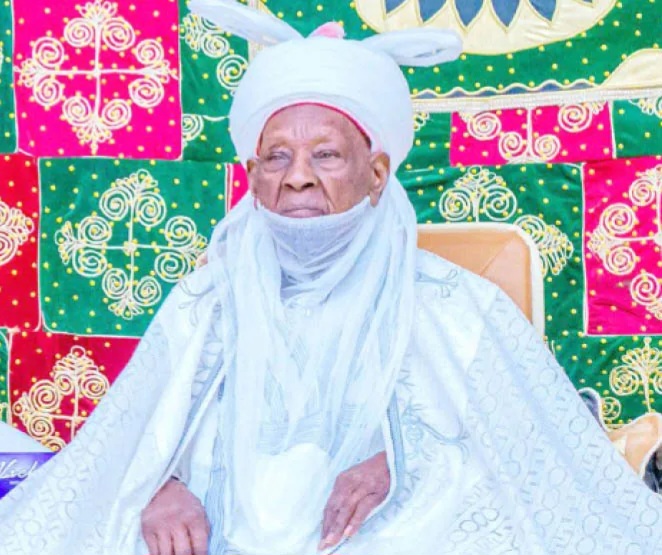
For nearly 20 years, the Emir of Daura, Umar Faruk Umar, has occupied one of the most historically significant traditional stools in northern Nigeria, representing an institution deeply connected to Hausa heritage, culture and history.
However, the monarch’s reign has come under intense public scrutiny following allegations of sexual misconduct levelled against him by a foreign female tourist who visited his palace in Daura, Katsina State.
The controversy, which has attracted reactions from human rights organisations, religious figures and political stakeholders, has placed the traditional institution under renewed scrutiny over questions of accountability, authority and the conduct expected of its custodians.
Umar, who became the 60th Emir of Daura on March 1, 2007, succeeded his elder brother, Muhammadu Bashar dan Umaru, who occupied the throne for 41 years.
FROM EDUCATION TO POLITICAL LIFE
Born in Daura, Katsina State, to Umaru Abdurrahman, a former Bunturawan Daura and Magajin Garin Daura, Umar’s early life was shaped by education, public service and traditional administration.
His educational journey began at a Quranic school and an elementary primary school in Zango before he continued his studies in Baure following his father’s appointment as district head.
He subsequently attended clerical and adult education programmes at Ahmadu Bello University, Zaria, and began his career as an adult education supervisor in Baure and Zango districts.
He later became an adult education officer under the Daura Native Authority before venturing into partisan politics during Nigeria’s Second Republic.
In 1979, Umar was elected into the Kaduna State House of Assembly on the platform of the defunct National Party of Nigeria, representing Daura district, and served as the chief whip.
He secured re-election in 1983 and later became Speaker of the Katsina State House of Assembly, a position he held between 1988 and 1990.
Available biographical accounts differ over his actual year of birth, with some identifying May 5, 1936, while others suggest 1931.
THE JOURNEY TO DAURA’S ROYAL THRONE
Umar’s progression within the traditional institution became more pronounced on May 5, 1992, when his elder brother, the late Emir Muhammadu Bashar, turbaned him as Danburam Daura and appointed him the first district head of Babban Mutum.
He was subsequently transferred to Baure as district head on January 9, 2006, where he served until his brother’s death created a vacancy on the Daura throne.
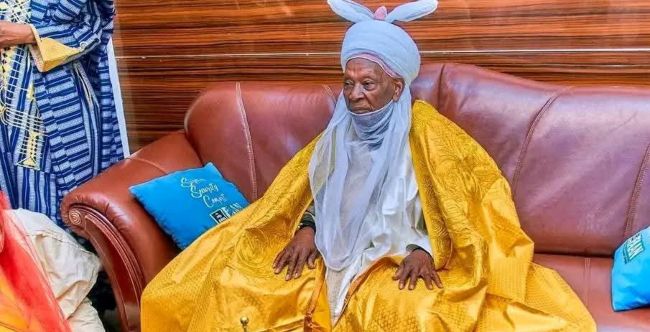
Following the recommendation of the Daura Emirate kingmakers on February 28, 2007, the then governor of Katsina State, Umaru Musa Yar’Adua, approved his appointment as the 60th emir the following day.
The appointment was formally communicated in a letter signed by the then Secretary to the Katsina State Government, Mustapha Inuwa.
In December 2007, the federal government conferred on him the national honour of Commander of the Order of the Niger.
His reign also coincided with the presidency of former President Muhammadu Buhari, a prominent son of Daura, between 2015 and 2023, during which the emir maintained engagements with political leaders and other influential personalities.
In May 2025, he removed Iliya Dakaci, the village head of Mantau in Baure Local
Area, following protests over allegations linking him to kidnapping.
MARRIAGES AND PUBLIC ATTENTION
Beyond his traditional responsibilities, Umar’s personal life has occasionally attracted public interest, particularly reports concerning his marriages.
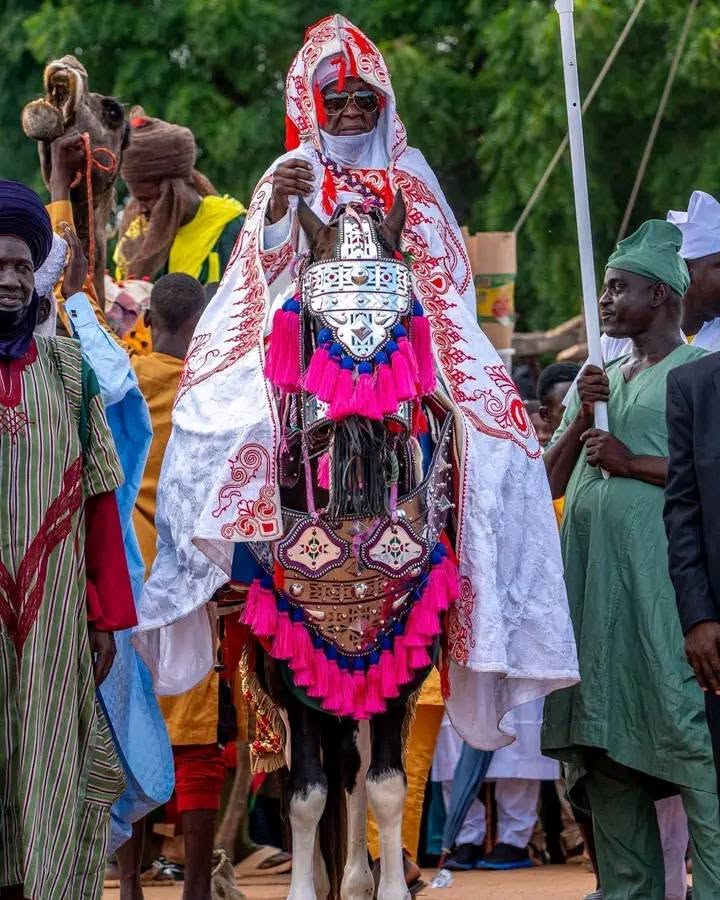
In 2015, he reportedly married Gimbiya Aisha Umar Faruk, and the couple welcomed their first child in January 2017.
He reportedly married another woman, Aisha Iro Maikano, in December 2021, when she was 20 years old, at a low-key ceremony in Katsina State.
In July 2022, reports also emerged that he had married A’isha Yahuza Gona, aged 22, in Safana, Katsina State.
THE ALLEGATION THAT PUT THE PALACE IN THE SPOTLIGHT
The latest controversy emerged after a foreign tourist identified as Mirka, who uses the Instagram handle @beduinqa, accused the monarch of sexually violating her during a visit to his palace on November 14, 2026.
According to her account, she travelled to Nigeria as part of a wider international tour and visited the palace on her final day in the country.

Mirka
She subsequently published footage reportedly captured using smart glasses, showing her interaction with the monarch.
Mirka alleged that what began as a cultural visit turned uncomfortable when Umar allegedly held her hand, kissed her cheek and touched her breasts without her consent, despite her objections.
In the recording, she is heard telling the monarch, “Emir, you cannot be touching.”
She explained that she waited until she had left Nigeria before making the footage public.
The allegations prompted reactions from human rights organisations and public figures, including Amnesty International, which condemned the alleged conduct and called for an immediate and transparent investigation by Nigerian authorities.
Islamic cleric Ahmad Gumi also argued that traditional rulers found guilty of immoral conduct should be removed from office to preserve the integrity of the institution.
Similarly, former military governor of Kaduna State, Abubakar Umar, urged the Katsina State Governor, Dikko Radda, to consider suspending the monarch pending an investigation.
In an open letter to the governor, he maintained that such a measure would not amount to a declaration of guilt, but would demonstrate that “nobody, regardless of age, status or traditional authority, is above accountability”.
Meanwhile, the Daura Emirate Council said it was examining the footage to establish whether it was authentic or had been altered using technology.
Umar had not personally responded to the allegations as of the time of the report.
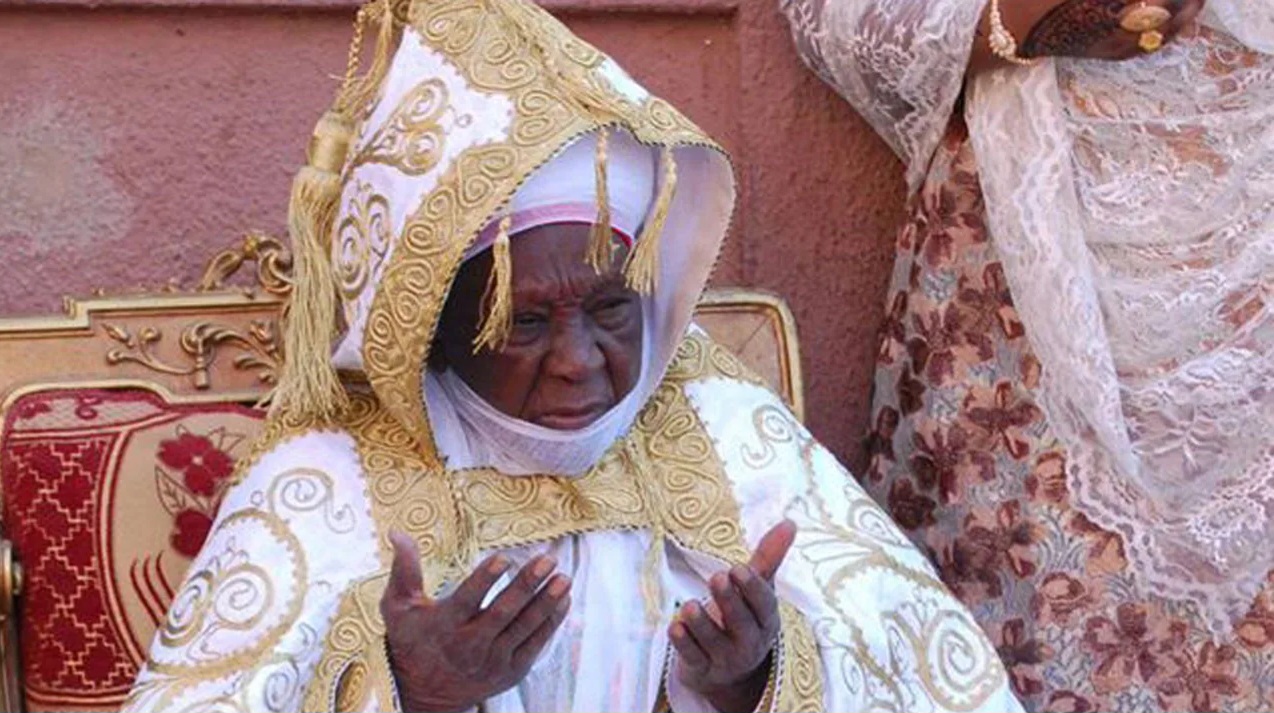
The Katsina State Government has equally suspended him from all official engagements and travel following viral allegations of sexual assault levelled against him by a foreign tourist.
With the investigation and public reactions ongoing, the controversy has become a significant test of the monarch’s 19-year reign, placing the authority and reputation of the ancient Daura throne under scrutiny amid growing demands for transparency and accountability.