

Nigeria’s entertainment industry has experienced several important leadership changes in recent years, with professional associations moving from one president to another through elections, resignations, constitutional succession and internal disputes. These transitions have brought familiar names back into the spotlight, while introducing new figures whose responsibilities extend beyond the entertainment industry to the welfare and professional interests of their members. From actors and musicians to movie producers and directors, the leadership histories of these organisations reveal how different associations have managed the process of handing over power.
The latest development came on November 26, 2026, when veteran Yoruba actor Bolaji Amusan, popularly known as Mr Latin, handed over the global presidency of the Theatre Arts and Motion Pictures Practitioners Association of Nigeria, TAMPAN, to Ajala Jalingo after 8 years in office. The transition has drawn attention to other leadership changes across the industry, particularly the Actors Guild of Nigeria, the Performing Musicians Association of Nigeria, the Association of Movie Producers and the Directors Guild of Nigeria. Their stories offer a closer look at how presidents emerged, how long they served and the circumstances surrounding their departure.
TAMPAN’s New President, Ajala Jalingo
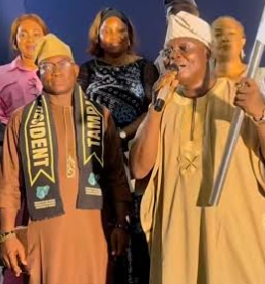
The Theatre Arts and Motion Pictures Practitioners Association of Nigeria has entered a new leadership phase following the handover of its global presidency from Mr Latin to Ajala Jalingo. The transition ceremony took place on November 26, 2026, marking the end of an administration that began in 2018. Mr Latin announced the development in a video shared on Instagram, describing the handover as the conclusion of his 8 year tenure.
Mr Latin’s journey to the presidency began in December 2018, following the resignation of veteran actor Dele Odule from the position. His emergence came through the vacancy created by Odule’s departure rather than a routine election at the end of a completed term. The appointment placed Mr Latin at the head of an association representing practitioners within the Yoruba film and theatre community, and he subsequently secured another mandate when he was re elected unopposed in December 2022 for a 4 year term.
The November 2026 handover brought that period of leadership to a close, with Ajala Jalingo taking over responsibility for TAMPAN’s global executive affairs. Mr Latin is expected to remain connected to the association through its Board of Trustees, allowing the outgoing president to retain an institutional role after leaving the executive position. The development represents a change in leadership while maintaining a link with the experience accumulated during the previous administration.
Ajala Jalingo’s emergence has placed a new name at the centre of TAMPAN’s leadership, following years in which Mr Latin became closely associated with the association’s direction. The incoming president now has the responsibility of leading the organisation, while further details about his proposed programmes and policy priorities will depend on formal announcements from his administration.
AGN’s Transition From Emeka Rollas to Abubakar Yakubu
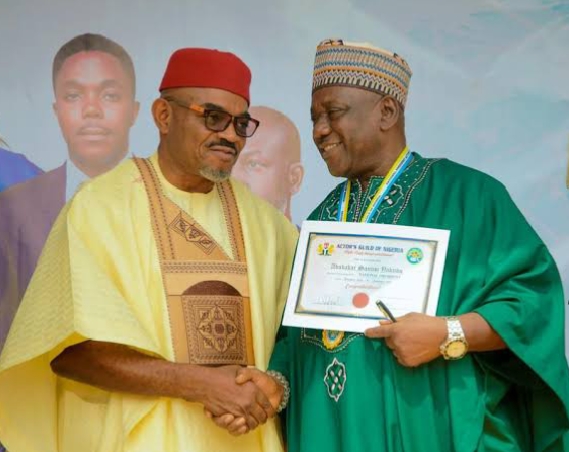
The Actors Guild of Nigeria also experienced a major leadership handover following the conclusion of Emeka Rollas’ tenure as national president. Rollas was elected president in 2017 and subsequently secured re elections in 2019 and 2022, extending his leadership through the end of 2025. His departure opened the way for a new national executive to emerge through the guild’s electoral process.
Abubakar Yakubu won the presidency during the AGN annual general meeting held in Benin City, Edo State, in December 2025. The election produced a closely contested result, with Yakubu receiving 116 votes against Rita Daniels’ 113 votes, while 3 ballots were declared invalid. The narrow margin made the contest one of the most notable recent elections within a Nigerian entertainment association, as Yakubu secured victory by only 3 votes.
Yakubu was formally inaugurated on January 29, 2026, at the guild’s national secretariat in Abuja. Before becoming president, he had served as National Secretary for more than 10 years and previously held positions including National Vice President, National Treasurer and Public Relations Officer. His emergence followed years of involvement in the guild’s administrative structure, placing an experienced executive at the head of the association.
At the inauguration, Rollas described leadership as a relay race and encouraged the incoming executive to prioritise members’ welfare, unity and professional development. His statement reflected the transfer of responsibility from one administration to another, as the outgoing president acknowledged the role of the new leadership. Yakubu’s presidency now represents the next stage in AGN’s national administration after the completion of Rollas’ extended period in office.
PMAN’s Leadership Crisis From Pretty Okafor to Sydney Sparrow
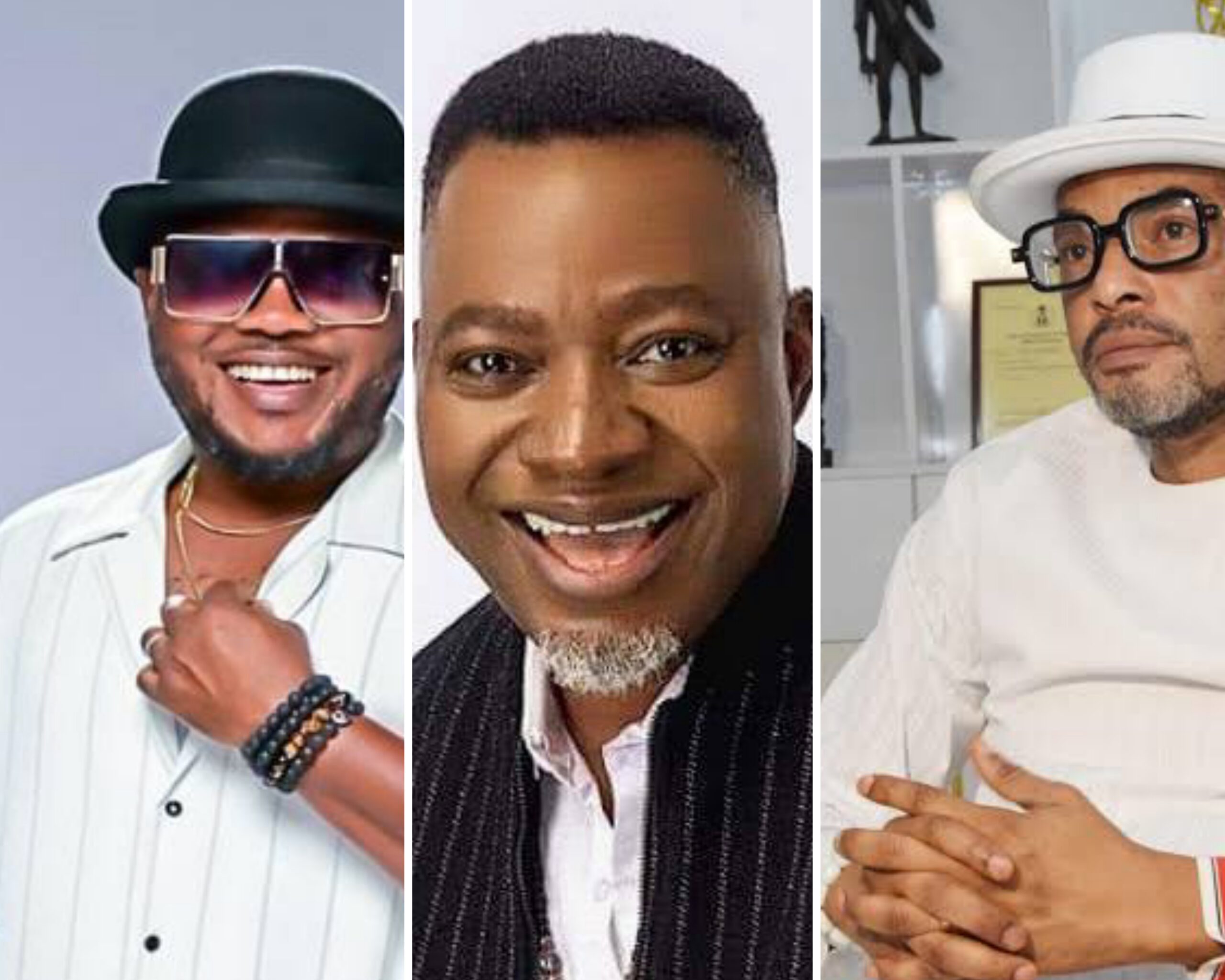
The Performing Musicians Association of Nigeria has experienced one of the most complicated leadership histories among Nigerian entertainment organisations in recent years. Its transition involved suspensions, acting appointments, court proceedings, reconciliation efforts and subsequent changes within the executive structure. The association’s story therefore goes beyond a simple election result or a president handing over at the end of a completed tenure.
Pretty Okafor became PMAN president in October 2016 and was re elected in October 2023. His leadership later became the subject of internal disputes, which affected the association’s executive structure. The crisis intensified in August 2024 when PMAN announced his indefinite suspension, citing alleged constitutional violations, financial misconduct and breaches of presidential duties. These allegations formed part of the association’s reported disciplinary position and should not be presented as independent criminal convictions.
Sunny Neji, who was then the first vice president, was appointed acting president following Okafor’s suspension. However, the leadership situation became more complicated when PMAN’s National Executive Council also announced the suspension of Sunny Neji, Zaaki Azzay, Ruggedman and other members in August 2024. The NEC accused the affected members of misconduct and attempts to undermine the association’s integrity, creating competing executive decisions and claims to authority.
A major reconciliation effort was reported in May 2025, following a court ruling affirming Chief Fruitful Mekwunye as National President. Sunny Neji’s faction reportedly accepted the court decision and joined a unified executive structure, with Neji taking the position of first vice president. The agreement was presented as an important step towards ending the prolonged dispute and bringing the association’s competing leadership arrangements together.
The leadership situation changed again on December 26, 2025, when PMAN’s National Executive Council announced the appointment of Sydney Sparrow as acting national president following the suspension of Pretty Okafor. The reported resolution also included plans to void unilateral appointments, reinstate the national treasurer and conduct a forensic audit of accounts and joint venture agreements. PMAN’s history remains an important example of how leadership changes within entertainment associations can involve disciplinary decisions, legal authority and efforts to restore administrative stability.
AMP’s Succession After Peace Anyiam Osigwe
The Association of Movie Producers experienced a leadership transition following the death of its former president, Peace Anyiam Osigwe, in January 2023. Her passing created a vacancy at the head of the association, which was subsequently filled by Queen Blessing Ebigieson, who had served as vice president. The succession followed the association’s constitutional arrangement for a vacancy caused by death, impeachment or permanent relocation.
Ebigieson was formally sworn in as president on March 17, 2023, at the association’s national secretariat in Surulere, Lagos. Her elevation was not initially the result of a presidential election, but a constitutional transition that allowed the vice president to assume the position and complete the remaining tenure. The arrangement provided continuity at a time when the association had lost a prominent leader.

AMP later conducted national executive elections in Lagos in October 2024, involving state chapter representatives, chairmen and more than 100 members. Queen Blessing Ebigieson and Asuelime Ojeriakhi Eniola were among the names reported in connection with the new executive structure. The available reports do not provide a complete presidential vote breakdown, making it important to distinguish the 2023 succession from the later executive election.
The transition remains significant because it demonstrates how a professional film association can preserve its leadership structure after the death of its president. Ebigieson’s rise from vice president to substantive president placed her at the centre of AMP’s administration, while the subsequent electoral exercise marked another stage in the organisation’s executive development.
Queen Blessing Ebigieson’s Wider Nollywood Federation Role
Beyond the Association of Movie Producers, Queen Blessing Ebigieson also became chairman of the Federation of Registered Nollywood Guilds and Associations in March 2026. The federation serves a broader purpose than an individual guild, bringing together registered professional bodies within the Nigerian film industry and providing a platform for coordination on issues affecting multiple associations.
Peace Anyiam Osigwe had been elected chairman of the federation, then reported as FRENGAN, in April 2022. The leadership structure at the time included Ahmad Sarari as vice chairman, Victor Okhai as secretary general, Emeka Rollas as public relations officer and Bolaji Amusan, popularly known as Mr Latin, as treasurer. The federation was presented as an umbrella platform intended to coordinate professional organisations and address industry wide concerns.
Ebigieson was sworn in as chairman on March 7, 2026, with Shehu Hassan Kano serving as vice chairman, Toyin Uthman as secretary and James Oguejiofor as public relations officer. Her appointment placed her in a coordinating role across a wider group of Nollywood associations, separate from her responsibilities as AMP president. The 2 offices therefore represent different levels of leadership, one focused on movie producers and the other on collaboration among registered guilds and associations.
The federation’s transition also connects several leadership histories within the industry, as Peace Anyiam Osigwe’s earlier role was followed by Ebigieson’s emergence, while other established figures from TAMPAN and AGN had previously occupied positions within its executive structure. The development illustrates how leadership changes in one organisation can influence the wider network of professional bodies that make up Nollywood.
DGN’s Leadership From Victor Okhai to Uche Agbo
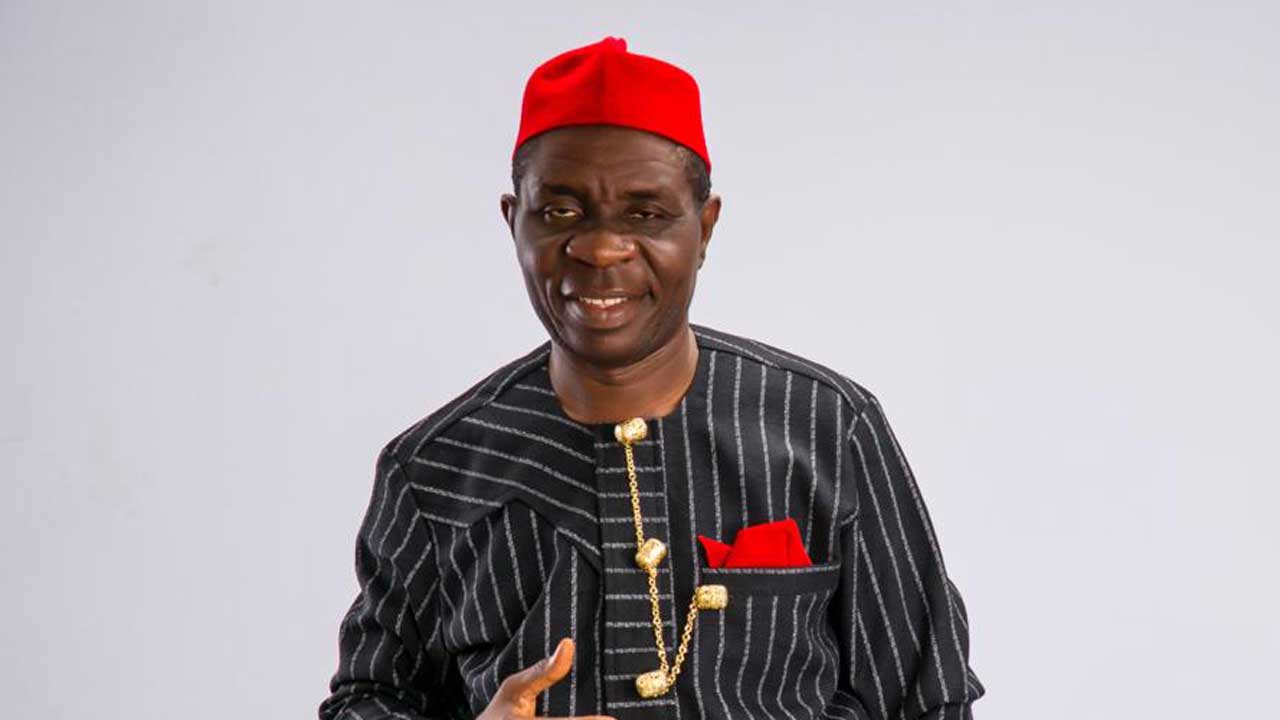
The Directors Guild of Nigeria is another important organisation whose leadership has changed in recent years. Victor Okhai was elected president in March 2021 after receiving 100 votes out of 151 votes cast. His closest rival, McCollins Chidebe, received 47 votes, while Yinka Akanbi and Kehinde Soaga received 3 votes and 1 vote respectively. The result established Okhai as the guild’s elected president following a competitive process.
The guild’s current leadership information lists Uche Agbo as president, with Grace Edwin Okon as vice president and Perekeme Odon as national secretary. This confirms that the presidency has moved beyond Okhai’s 2021 administration, although the exact date, election result and circumstances of the transition to Agbo require further confirmation from the guild’s official records. The leadership change can therefore be included as a confirmed succession in office, while the precise handover chronology should remain carefully stated.
DGN’s transition is relevant because directors occupy a central position in film production, and the guild’s leadership is responsible for representing their professional interests. A change in president provides an opportunity for the organisation to renew its executive direction, while the absence of a fully documented transition timeline highlights the importance of relying on official election notices and handover statements when reporting guild leadership histories.
How Leadership Handovers Have Shaped Entertainment Associations
The recent changes across TAMPAN, AGN, PMAN, AMP, the Nollywood federation and DGN show that Nigerian entertainment organisations do not follow a single route when replacing their presidents. Some transitions have been driven by completed electoral terms, others by resignations or constitutional succession, while PMAN’s history demonstrates how suspensions, court decisions and reconciliation efforts can complicate the process. These different routes have shaped the leadership stories of associations representing actors, musicians, producers and directors.
TAMPAN’s transition from Mr Latin to Ajala Jalingo followed 8 years of leadership, while AGN moved from Emeka Rollas to Abubakar Yakubu after a closely contested election. AMP’s succession after Peace Anyiam Osigwe’s death was guided by its constitutional structure, and the Nollywood federation later elected Queen Blessing Ebigieson to a wider coordinating role. DGN’s current presidency under Uche Agbo provides another example of leadership changing hands, even though the exact transition details remain to be fully established.
PMAN stands apart because its leadership developments have involved several competing decisions and attempts to restore a unified executive arrangement. The association’s history from Pretty Okafor’s suspension through the reconciliation involving Sunny Neji and the later appointment of Sydney Sparrow shows how internal disputes can extend beyond the announcement of a new president. Its chronology requires particular care, especially when distinguishing an acting appointment from a substantive presidency or a court recognised leadership position.
The latest TAMPAN handover has placed Ajala Jalingo at the centre of a new chapter for the association, while the other transitions demonstrate the different circumstances under which entertainment leaders leave office and their successors emerge. Across these organisations, the central issue remains the transfer of responsibility from one executive team to another, with each leadership change carrying its own history, constitutional basis and administrative challenges.