



-
Bandits control eight of ten Matazu wards, killing 12 farmers in two days, preventing access to farms and escalating food insecurity
-
Despite military efforts, violence persists; residents demand intelligence-led operations and socio-economic measures to restore peace and safety
The Chief Whip of the Katsina State House of Assembly, Ibrahim Umar Dikko, broke down in tears during plenary while lamenting the rising wave of insecurity in Matazu Local Government Area of the state.
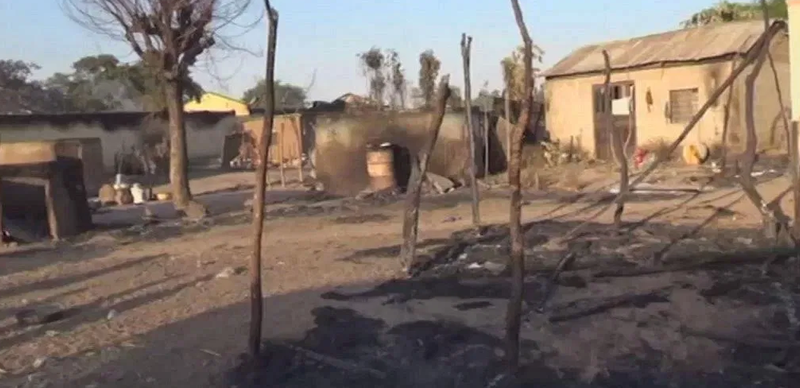
Dikko, who represents Matazu constituency, said bandits have overrun eight out of the ten wards in his area, leaving residents in fear and making it impossible for farmers to access their farmlands.
“Out of the 10 wards, eight are under siege. Farmers cannot go to farms. Just yesterday, by the entrance of the town near the secondary school, they killed a young man and rustled four oxen used for ploughing,” he said, visibly shaken.
He revealed that at least 12 farmers were killed in just two days while working on their farms. “Yesterday, they killed five farmers on their farm. A day before that, they killed seven. Wallahi, the farms are inaccessible anymore, Mr. Speaker. We are in dire need of help,” he cried.
The lawmaker’s emotional outburst underscores the dire situation in Katsina, one of the worst-hit states by banditry in the North-West. For years, communities have faced deadly raids, livestock rustling, and mass displacement, with farmers, traders, and rural dwellers bearing the brunt.
Despite intensified military operations, deployment of more security personnel, and the formation of vigilante groups, the attacks have persisted, as bandits continue to operate from forest hideouts.
The crisis has crippled farming and worsened food insecurity across the region, deepening poverty among affected families.
While the government has pledged to restore peace through security reinforcements and humanitarian support for displaced persons, residents and community leaders insist that more intelligence-driven operations, stronger community engagement, and long-term socio-economic measures are needed to end the cycle of violence.
Discussion about this post