

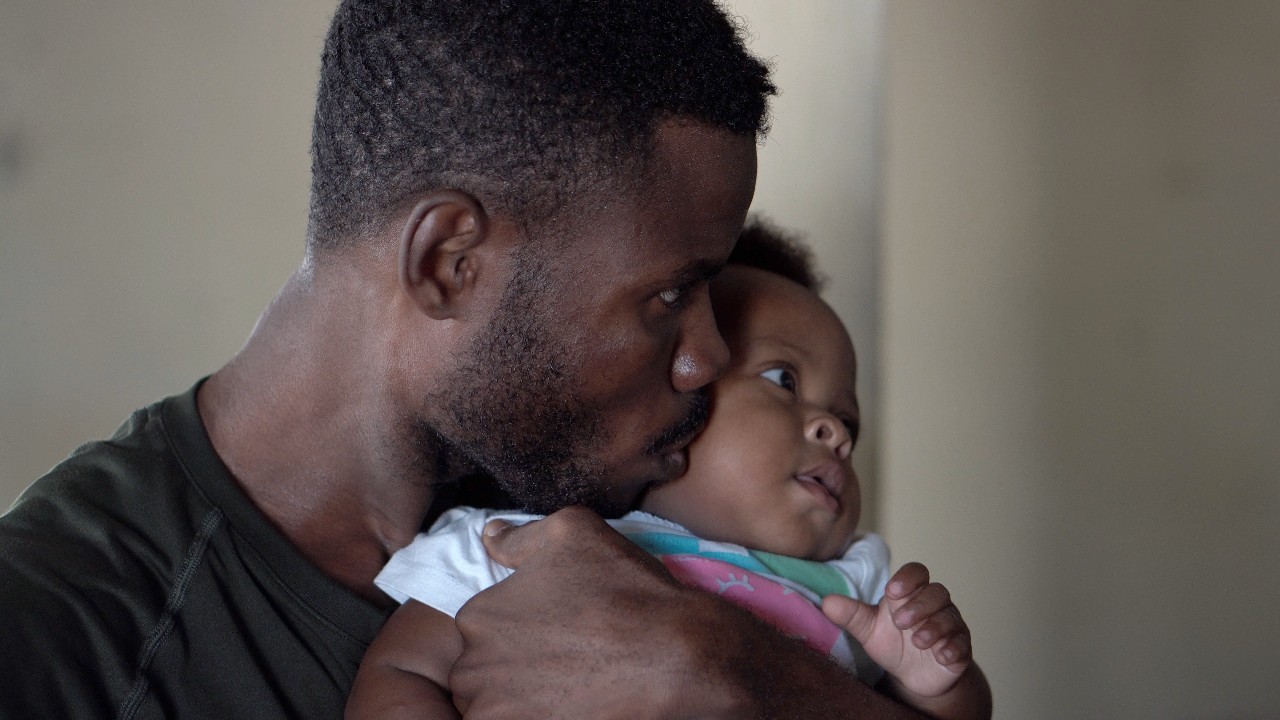

Kissing a newborn might seem harmless, but it can be risky. It’s important for parents to know these risks and protect their baby. This includes avoiding kisses to keep their little one safe.
Experts say newborns are at high risk of infections because their immune systems are not fully grown. They don’t fully mature until they are about 2 years old. This makes them very vulnerable to serious infections. So, it’s key to understand and avoid the risks of kissing a newborn.
Key Takeaways
- Newborns have immature immune systems, making them susceptible to life-threatening infections and kissing baby risks.
- Kissing can increase the risk of spreading germs by 70% in close-contact scenarios, posing risks of kissing a newborn.
- Cold sores, caused by the HSV1 virus, can be transmitted easily and pose a risk to newborns who may not have immunity, highlighting the importance of avoiding kissing baby risks.
- RSV is a leading cause of hospitalization in infants, with approximately 57,000 hospitalizations annually in the United States for children under 5 years old, making it a significant risk of kissing a newborn.
- Following hygiene measures, such as washing hands before holding the baby, can reduce the risk of passing infections to young babies and minimize newborn health risks and risks of kissing a newborn.
- Infections that cause mild symptoms in adults or older children can be life-threatening for newborns, stressing the need to avoid kissing them and being aware of kissing baby risks.
Why People Kiss Babies

Kissing a baby is a common way to show love and affection. But, it’s important to know the cultural and emotional sides of this act. Infant health concerns are a big worry for new parents, and we must look at the risks of kissing a baby.
The newborn immune system is not fully developed, making babies more prone to infections. So, it’s key to protect their health. Baby care tips often include advice on preventing germ spread, like washing hands often and avoiding sick people.
The Cultural Significance of Kissing
Kissing is a universal sign of love and connection, crossing cultures and languages. In many places, kissing a baby is a way to welcome them and show love.
The Emotional Connection Behind the Gesture
Kissing a baby is a deep emotional bond between parents and child. It’s a way to show love and welcome the baby to the family. It also lets family and friends connect with the new addition.
Why This Common Practice Needs Examination
Even though kissing a baby seems harmless, we must look at the risks. With growing infant health concerns and the need to protect the newborn immune system, we should consider baby care tips to prevent germ spread.
The Risks of Kissing a Newborn: Medical Perspective
Newborns are very vulnerable to infections because their immune system is not fully developed. Newborn infection risks are a big concern. It’s very important to take newborn safety precautions to protect them. One way to lower the risk of infection is to not kiss the baby, at least in the first few months.
Some infections that can spread to newborns through kissing include meningitis, pneumonia, and sepsis. These infections can be very serious and even deadly. To lower the risk of infection, it’s best for visitors to wait two to three months before getting close to a newborn.
Here are some guidelines for visitors to follow:
- Wash your hands before handling the baby
- Remove jewelry to reduce germ transmission
- Avoid kissing the baby or getting too close to their face
- Stay away if you exhibit any signs of illness
- Ensure you have an up-to-date Tdap vaccination to prevent whooping cough
By following these newborn safety precautions, you can help lower the risk of newborn infection risks. This way, you can keep the baby safe. Always be cautious when it comes to the health and well-being of a newborn.
How Viral Infections Spread Through Simple Kisses
Viral infections can spread quickly through simple kisses, posing significant risks to newborns. Newborns are at high risk because their immune systems are not fully developed. Kissing a newborn can transmit viruses like HSV, RSV, and COVID-19, which can be very harmful.
Newborns are very vulnerable to infections in the first month. A survey by the Lullaby Trust found that 54% of new and expectant parents let friends and family kiss their newborn. This is despite not knowing the risks. It’s important for parents to understand these risks and protect their babies.
Understanding the Risks of Viral Infections
Some viral infections that can spread through kissing include:
- HSV (Herpes Simplex Virus)
- RSV (Respiratory Syncytial Virus)
- COVID-19 and other respiratory infections
These infections can cause serious illness or even death in newborns. Parents need to know the risks and take steps to protect their babies.
By understanding the risks and taking precautions, parents can keep their babies safe from viral infections. This ensures a healthy start to their life.
Your Baby’s Developing Immune System
A baby’s immune system is key to keeping them safe from infections. But, it’s not fully ready when they are born. This makes them more likely to get sick, mainly in the first few months. Knowing how a newborn’s immune system grows is vital for good baby care and safety.
Babies are more likely to get sick than older kids and adults because their immune systems are not strong. Infections that might just make adults a bit sick can be very dangerous for newborns. It’s important for new parents to know the risks and protect their baby. This includes keeping away from sick people and staying clean.
Some important facts about a baby’s immune system include:
- Babies are most at risk of getting a herpes infection in the first 4 weeks after birth
- Respiratory Syncytial Virus (RSV) is a leading cause of hospitalization in infants, with around 57,000 hospitalizations annually in the United States
- Close contact can increase the risk of exposure to allergens, and allergic reactions can occur in up to 10% of infants
By knowing the risks and taking steps to prevent them, new parents can help their baby’s immune system grow strong. This means being careful about who touches their baby and keeping clean. Frequent handwashing and avoiding sick people are key to keeping their baby safe.
Protecting Your Little One While Maintaining Family Bonds
It’s natural to want to share your newborn with loved ones. But, it’s key to protect your baby’s health. Newborns are very vulnerable to viruses like herpes simplex virus (HSV) and respiratory syncytial virus (RSV). These can cause serious problems.
To keep your baby safe, take simple steps. Ask visitors to wash their hands before touching the baby. Also, avoid close contact if they’re sick. During cold and flu season, limit visitors and make sure they’re vaccinated. This helps protect your baby and lets loved ones enjoy early moments.
Your baby’s health is most important. By taking these steps, you create a safe space for your newborn to grow. You also keep your family’s emotional bond strong. With some planning and talking, you can balance your child’s safety with family connections.
Discussion about this post