Wednesday, 24 Jun 2026
  • My Feed
  • My Interests
  • My Saves
  • History
  • Latest Updates
Subscribe
WITHIN NIGERIA
  • HOME
  • NEWS
  • ENTERTAINMENT
  • FACT CHECK
  • 🔥
  • FEATURES
  • POLITICS
  • SPECIAL REPORTS
  • ANALYSIS
  • SPORTS
  • NOLLYWOOD
  • EDUCATION
  • OPINION
  • BUSINESS
  • LIFESTYLE
  • HEALTH
  • TECHNOLOGY
  • PRESS RELEASE
Font ResizerAa
WITHIN NIGERIAWITHIN NIGERIA
  • HOME
  • NEWS
  • ENTERTAINMENT
  • FACT CHECK
Search
Have an existing account? Sign In
Follow US
© WITHIN NIGERIA MEDIA LTD. All Rights Reserved.
Nigeria History

Colonial Rule in Nigeria: How Islamic art and culture failed in 1591, caused political instability

Last updated: February 3, 2021 3:34 am
Ola Peter
Share
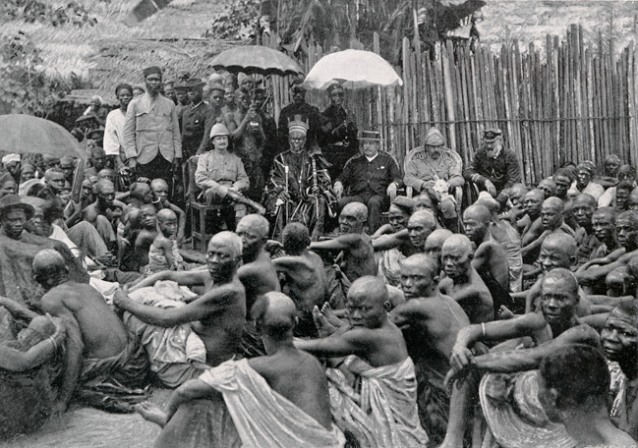
Photograph of the ceremony which formally incorporated the Ewi of Ado’s kingdom in the British Lagos Protectorate, from: The Queen’s Empire: a pictorial and descriptive
SHARE

During the reign of Shongai empire in the 16th century, Islamic art and culture was widely spread throughout the whole land. But their fall in 1591 created political instability, making many states fall apart and causing the rise of war and conflicts between other empires and kingdoms.

After the Napoleon war, the British tried to expand their colonial rule in Africa and began to establish trade tides with Nigeria in 1898. Before 1898, the scramble for Africa by European countries led to the partition of Africa after the Berlin conference of 1884-85.
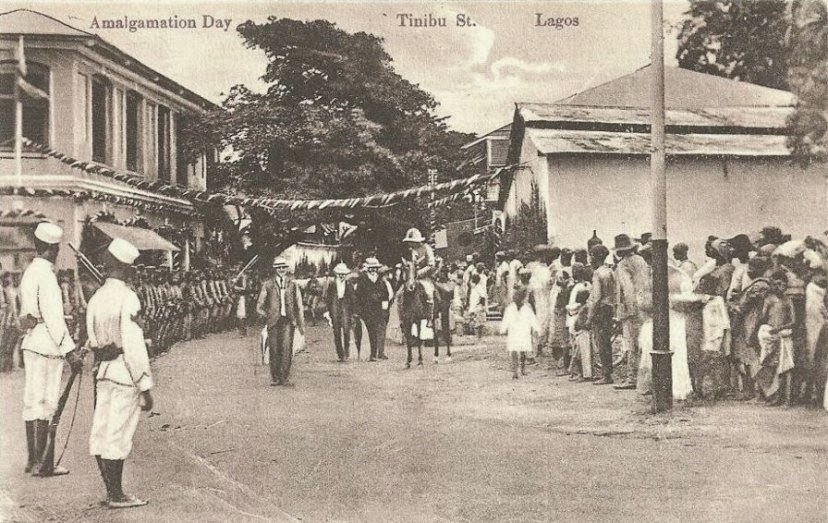
Lagos Colony 1906

In the year 1901, Nigeria officially became a part of the huge British Empire. In May 1906, Lagos colony and the southern protectorate were joined together and had a different name, the colony and protectorate of Southern Nigeria.

In the same atmosphere, Lord Fredrick Lugard in 1914 amalgamated the the Lagos colony and Southern Nigeria with Northern protectorate to form a single colony called protectorate of Nigeria. It was said that the wife of lord Lugard formed the name Nigeria from the river Niger that flowed through the country. Britain therefore governed Nigeria by the means of a system popularly known as ‘Indirect rule’.

Britain claimed that the system involved not govering the people directly, but through their traditional rulers and chiefs. And this was one of the factors that fuelled nationalism among the Nigerians.
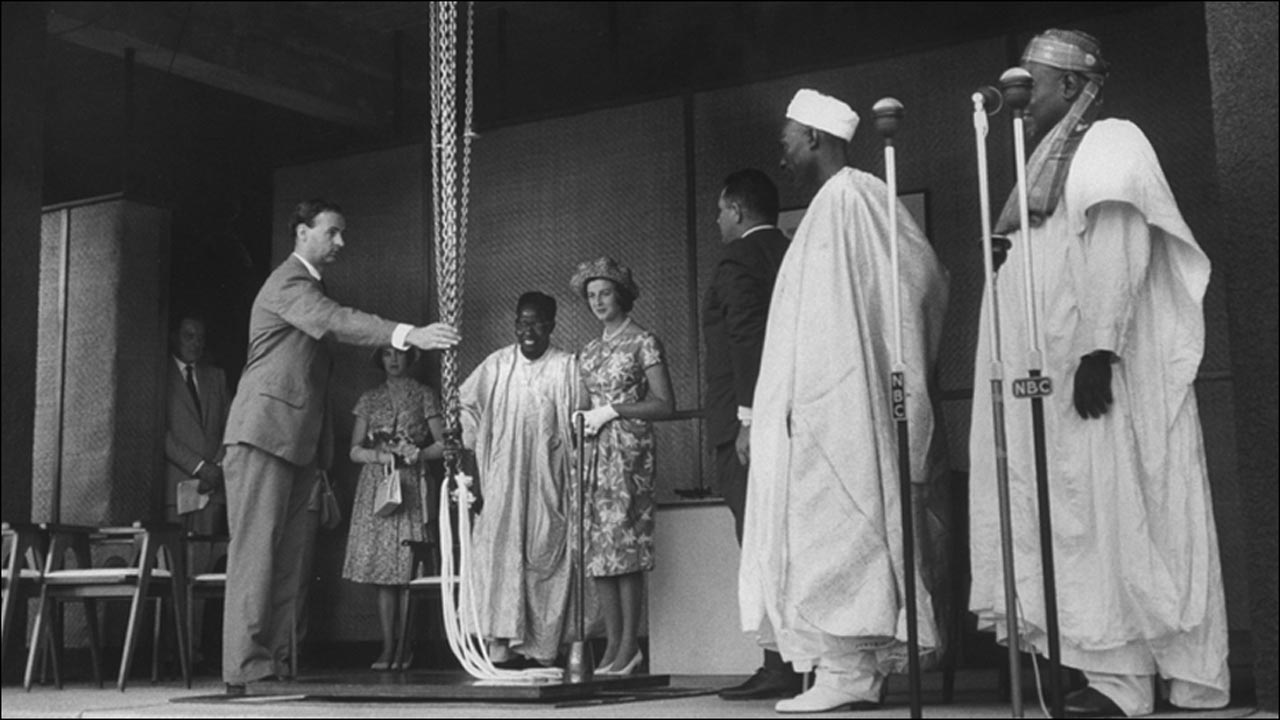
Prime Minister of Nigeria Abubakar Tafawa Balewa (2R), Princess Alexandra (C)PHOTO: www.bbc.co.uk

In the later years, the whole of Nigeria later join hands together to fight for the independence of the country. Each region was granted self governance [Northern region- 1959, Western region- 1956 and Mid Western region- 1963 (post independence)] and then, all together gained independence on the 1st of October, 1960 when the Nigerian flag which was designed by Taiwo Akinkunmi (1960) replaced the British flag and was raised.


TAGGED:Colonial Rule in NigeriaCultureHistoryIslamic art
Share This Article
Email Copy Link Print
ByOla Peter
Deji is an Editor with several years of experience in coordinating newsroom activities and Editorial team. Mail me at editor@withinnigeria.com. See full profile on Within Nigeria's TEAM PAGE
Previous Article ‘Sure’ Ways To Get Your Crush To Come After You
Next Article Monkeys invade homes in Gbagada, Lagos
Leave a Comment

Leave a Reply Cancel reply

Your email address will not be published. Required fields are marked *

Your Trusted Source for Accurate and Timely Updates!

Our commitment to accuracy, impartiality, and delivering breaking news as it happens has earned us the trust of a vast audience. Stay ahead with real-time updates on the latest events, trends.
FacebookLike
XFollow
InstagramFollow
LinkedInFollow
MediumFollow
QuoraFollow
- Advertisement -
Ad image

You Might Also Like

EntertainmentNigeria History

21 Years After: Remembering Late Afrobeat King, Fela Anikulapo Kuti

By
Damilare Aanu
Kneeling to propose to a woman is emotional blackmail - Kanoyo O Kanayo opines
XTRA

Kneeling to propose to a woman is emotional blackmail – Kanoyo O Kanayo opines

By
Nigeria History

March 4: Today in Nigeria history, Oladipo Diya and 46 political prisoners were freed by the military

By
Sodiq Lawal Chocomilo
I have no accounts or property abroad, Jonathan reacts to plans by FG to subpoena him
Nigeria History

May 14: Today in Nigeria history, Goodluck Jonathan declared emergency in three states

By
Sodiq Lawal Chocomilo
WITHIN NIGERIA
Facebook Twitter Youtube Rss Medium

About US

 Your instant connection to breaking stories and live updates. Stay informed with our real-time coverage across politics, tech, entertainment, and more. Your reliable source for 24/7 news.

Top Categories
  • World News
  • Opinion
  • Politics
  • Tech
  • Health
  • Travel
Usefull Links
  • Contact Us
  • Advertise with US
  • Complaint
  • Privacy Policy
  • Cookie Policy

© . All Rights Reserved.