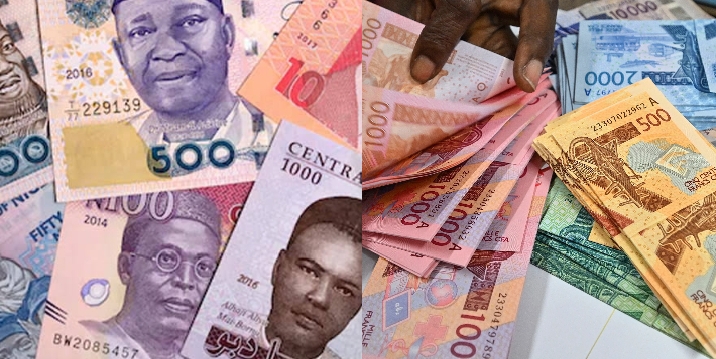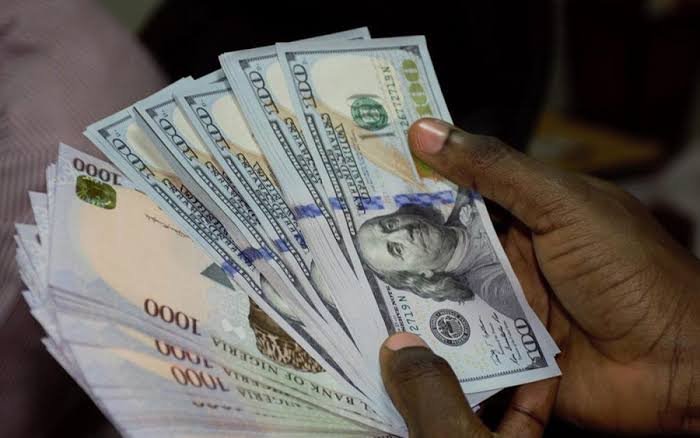

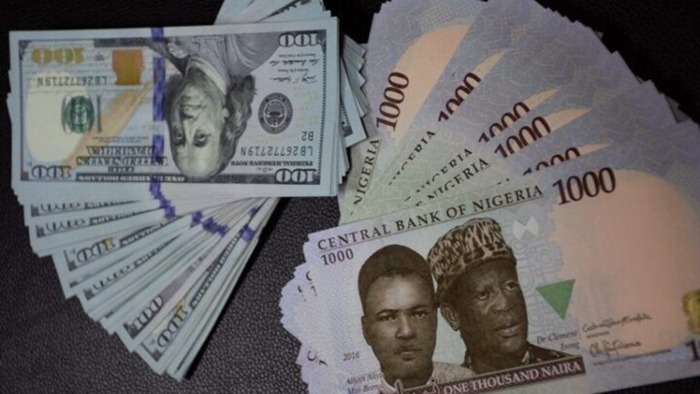
Figuring out the reasons for naira falling isn’t easy, there isn’t just one culprit. There are some pretty clear patterns, though, when you look at Nigerian currency exchange rate trends over the last few years.
Here, let’s break down what keeps pushing the US dollar to naira exchange rate today to fresh lows.
Dependence on Oil Exports and Fluctuating Revenues
Nigeria’s economy relies heavily on oil exports. Whenever oil prices lag or production takes a hit, foreign currency inflows nosedive.
That leaves the Central Bank and the broader financial system scrambling for enough US dollars just to pay for imports and keep things running.
- Roughly 90% of Nigeria’s foreign exchange comes from oil receipts.
- If global oil prices slide, whether it’s from geopolitical events or market shifts, Nigeria earns less.
- When oil production dips (think: pipeline issues, theft, regulatory delays), so does foreign exchange supply.
Here’s how that plays out:
| Year | Average Oil Price ($/barrel) | Foreign Reserves (US$ bn) | Official $/₦ Rate |
|---|---|---|---|
| 2021 | 70 | 39 | 410 |
| 2023 | 74 | 32 | 770 |
| 2025* | 68 | 33 | 1,500 |
*2025 figures estimated for October. You can see the Nigerian currency exchange rate trends, every time reserves drop, rates slide further.
High Demand for Foreign Currency
Nigerians and local businesses are constantly reaching for the dollar for a bunch of reasons. That’s a big part of why is naira losing value so fast lately.
Some big push factors:
- So many goods, from cars to medical supplies, are imported and paid for in dollars.
- Education costs: People paying for school fees overseas always need foreign exchange.
- Even basic services, like software or content platforms, are often billed in dollars.
- Travel, medical care, and savings demand for dollars all add up too.
When the supply of dollars doesn’t match demand, pressure mounts. Folks then turn to the parallel (unofficial) market, pushing rates up faster than the official exchange rate. That’s why you get big gaps between the official rate and what’s available on the street, sometimes as much as ₦30-₦50 per US dollar.
In summary:
- Heavy dependence on oil means Nigeria feels every global oil hiccup.
- As reserves shrink, it’s harder to support the currency.
- Huge demand for the dollar for imports, school fees, travel, and more, keeps the naira under strain.
Until these big issues change, the US dollar to naira exchange rate today will probably keep sliding, and folks will keep asking, Why is the naira losing value so quickly?
Impacts of the Naira’s Depreciation on Nigeria’s Economy
The impact of naira depreciation on economy is showing up in every corner of daily life for most Nigerians. You can’t talk about prices at the market, the rent going up, or government spending without the exchange rate coming up at some point.
Let’s break down what all this means for ordinary folks and for the country as a whole.
Consequences for Inflation and Cost of Living
When the naira loses value, imports cost more. Since Nigeria depends a lot on goods and raw materials from outside, almost everything gets pricier. People feel it most with food, fuel, and basic household items, making each visit to the market or gas station a little more stressful. Here’s what happens:
- Imported products, especially food and fuel, shoot up in price almost overnight.
- Local manufacturers still need imported inputs, so locally made items cost more, too.
- Wages don’t keep up. This means regular people can buy less than before, even if they’re earning the same amount.
A look at year-end inflation data (rough numbers):
| Year | Inflation Rate (%) |
|---|---|
| 2023 | 28 |
| 2024 | 35 |
So, higher inflation squeezes everyone, especially those already struggling. Many Nigerians are forced to cut back or go without, and poverty gets worse because incomes just can’t compete with those rising prices.
Effect on Government Finances and Debt Management
For the government, a weaker naira can actually be a mixed bag. On the one hand, converting US dollar revenues from oil sales into naira gives the treasury a boost (more naira for each dollar earned).
This helps with the local budget, at least in the short term. But things aren’t that simple:
- Dollar-denominated debts become harder to pay back. If the government borrowed in dollars but earns mostly in naira, each payment takes up a bigger chunk of revenue.
- Budget planning becomes unpredictable. Exchange rate swings can throw off even the best-laid financial plans.
- Interest payments on foreign loans go up when the naira falls, but a temporary boost in naira income from oil can cushion the sting.
Here’s a quick breakdown of the government side effects:
- Boosted naira income on foreign revenues, short-term gain.
- Rising cost to pay off dollar loans, long-term pain.
- Difficulty managing consistent budgets with wild currency swings.
At the end of the day, while there are some upsides for the state coffers, the rougher side usually falls on folks who see their salaries stretched thinner.
The government, in turn, gets less room to help out. It’s a tough cycle, and the impact of naira depreciation on economy keeps everyone guessing about what’s next.
The Role of Government Policy as the Naira Depreciates Against US Dollar
Government decisions and how the Central Bank of Nigeria manages things, have a big impact on what happens to the naira.
When the currency slides, everyone feels it, but policy choices can sometimes help or make things worse, depending on the timing and how they’re carried out.
Let’s break it down:
Monetary Policy and Exchange Rate Management
The CBN sets the tone by picking either to tightly control the naira or let market forces work. Recently, they’ve tried a more flexible approach, allowing the naira to “float” against the US dollar. That just means there’s less interference, so the market has more say in the rate.
What steps does the CBN actually take?
- Raises or lowers interest rates to influence inflation and attract investors
- Sells foreign reserves to defend the naira or buys naira to slow its fall
- Sets different rates: there used to be an “official” and a “parallel” market rate, but recent efforts look to bring them together
It’s tough to balance these moves. Tight rules can slow inflation but often restrict access to foreign exchange, creating shortages. This is what often shifts business to the parallel (or ‘black’) market.
Here’s a quick snapshot of how the CBN has shifted its approach recently:
| Year | Exchange Rate System | Main Policy Action |
|---|---|---|
| 2022 | Managed Rate (Fixed) | Strict controls, multiple rates |
| 2023 | Rate Unification Attempt | Merged official and parallel |
| 2024 | Float/Market-Driven | Let market set the value |
Market Reforms and the Parallel Market Influence
Despite recent reforms, the parallel market is still a huge part of the story. When there’s not enough US dollars available in the official market, people and companies look elsewhere, even if it means paying more.
So, how do government policies fuel the parallel market?
- Limits on how much foreign currency you can get from official banks
- Bureaucratic delays, making it faster for people to just buy from money changers
- Sudden changes in rules that make folks nervous and push them to buy dollars as a form of saving
On top of that, reforms that sound good in the news, like floating the naira, often create short-term chaos until things settle down. For a while after a major change, businesses worry about how to price their goods, and some hold off on spending, which doesn’t help stability.
In short, the government’s efforts matter a lot. Some moves try to calm things down, but others end up fueling uncertainty, pushing everyone to look for dollars outside the regular system. It’s a messy process, but policy choices explain a lot about how the naira behaves.