

Few days ago, the Constitutional Council in Cameroun declared Paul Biya of Cameroun as the winner of October 12 presidential election.
According to the Council, the 92-year-old Paul Biya secured 53.66% of the total vote cast to defeat his
his closest opponent Issa Tchiroma Bakary of the Front for the National Salvation of Cameroon party who garnered 35.19% of the votes.
However, with the declaration of Paul Biya as the president, he has entered the record as the world oldest serving president.
WITHIN NIGERIA took a look at the ten longest serving presidents in African and what has been sustaining their tight grip on power.
- Teodoro Obiang (46 years)
The title for the longest-serving president in African goes to Teodoro Obiang Nguema Mbasogo of Equatorial Guinea.
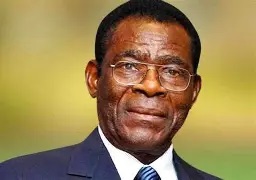
However, globally he also holds the record as the world longest-serving president.
He has been in power since August 1979.
He came into power after a military coup that deposed his uncle, Francisco Macías Nguema. Obiang’s tenure has been marked by accusations of human rights abuses and corruption, which of course is the bane of African governance.
- Paul Biya (43 years)
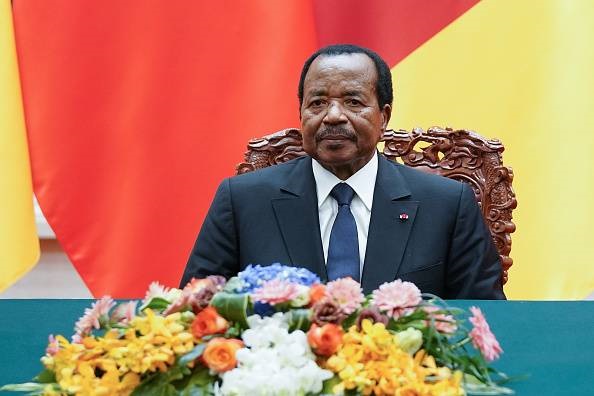
The current president of Cameroun Paul Biya has been the President of Cameroon since November 6, 1982.
He is now second-longest-ruling president in Africa. Biya’s administration is said to be heavily by France, both in military support and training.
After being declared winner of October 12 presidential election by Constitutional Council, his administration is now tenure is now face with criticism over alleged electoral fraud and governance issues.
- Denis Sassou Nguesso (41 years)
Another sit-tight president Africa has produced is Denis Sassou Nguesso of the Republic of Congo.
Nguesso has served as president for a total of 40 although not consecutively. His first term was from 1979 to 1992, and he returned to power in 1997 as a result a civil war that broke out in the country. Nguesso’s long rule is marked by allegations of corruption and authoritarianism.
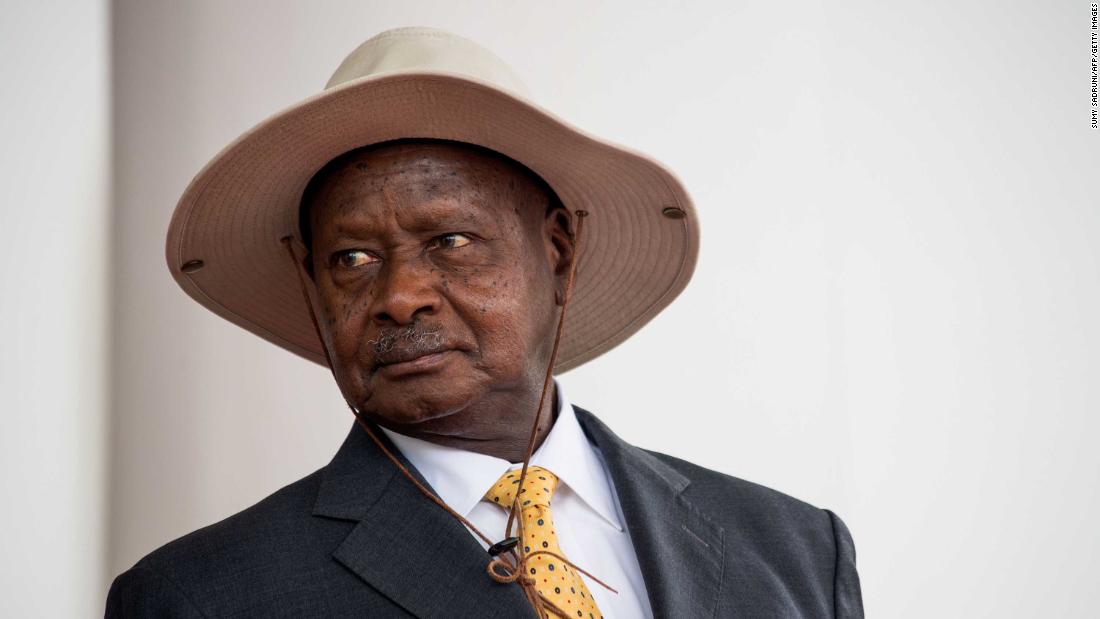
- Yoweri Museveni (39 years)
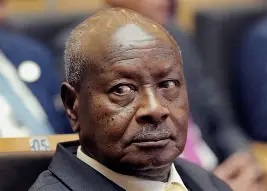
Like a proverbial cat with nine lives, Yoweri Museveni has been the President of Uganda since January 1986, making him the fourth-longest-serving president in Africa. He came to power through military coup d’etat against his predecessor.
Like his counterparts in other African countries, his leadership has been criticized for alleged election rigging and suppression of opposition.
- King Mswati III (39 years)
In Swaziland now Eswatini, King Mswati III ascended to the throne on April 25, 1986, at the age of 18.
He has reigned for the period of 39.
He is one of the world’s longest-reigning monarchs. He is also co-ruling with his mother, Queen Mother Ntfombi Tfwala. There has been ongoing debates against his regime as his subjects now preferdemocratic reforms and human rights. - Isaias Afwerki (32 years)
Another African leader that has has blatantly refused to quit presidential seat is Isaias Afwerki of Eritrea.
Afwerki has been the President of Eritrea since its independence from Ethiopia in April 1993.
His rule is known for its long duration and Eritrea’s lack of national elections, contributing to ongoing criticisms regarding human rights and governance.
- Letsie III (28 years)
Nevertheless, another monarch that has remained tight in his stool in Africa is King Letsie III of Lesotho.
King Letsie III became monarch in October 1997, after the death of his father, Moshoeshoe II. Though as a constitutional monarch, his role is largely ceremonial, he still remains one of the longest-serving rulers in Africa.
- Ismaïl Omar Guelleh (26 years)
Djibouti has also produced one of the longest serving presidents in Africa. Ismaïl Omar Guelleh has been President of Djibouti since 1999. He succeeded his uncle, Hassan Gouled Aptidon, who had ruled since the country’s independence. Expectedly he has to contend with allegations of extending his presidency through questionable means and electoral practices.
- Mohammed VI (26 years)
North Africa is also not left out in this political hegemony. King Mohammed VI of Morocco took the mantle of leadership in his country on July 23, 1999, after the death of his father, King Hassan II. To say the least, this has earned him so much influence as he has become one of the most influntial Muslim leaders globally, Mohammed VI’s reign has focused on modernization efforts and economic reforms, though it has also faced criticisms.
- Paul Kagame (24 years)
Rwanda also had a share in these political abnormalities. Paul Kagame has been the President of Rwanda since April 2000. Kagame, who had been the de facto leader since 1994.
He took office officially following as the president after the resignation of then-President Bizimungu. His administration has been praised, having been credited with economic growth and development, though it faces scrutiny over political freedoms and human rights.
Tactics used to maintain their power grip
There are so many tactis being deployed by these sit-tight leaders to enable them to continue staying in power.
Change of constitution
WITHIN NIGERIA findings showed that most of these sit-tight presidents usually cajole and lobby the National Assembly to make a legislation to change the constitution of the country. For instance, Paul Biya was also accused of bribing the national Assembly into changing the constitution to remove term limits for the presidents. This singular act has given him the constitutional right to contest as much as he can.
Suppression of opposition
African sit-tight presidents also use suppression to clamp down on their opposition. In Uganda, Yoweri Museveni was accused of employing this cruel method. He has been accused of suppression opposition candidates like Kizza Beysegye.
Electoral manipulation
These leaders are also accused of manipulating the electoral process by appointing their cousins or relations as electoral umpires who will eventually declare them winners in the process.