


A quiet revolution is underway in Nollywood, and it is in the hands of a new generation of filmmakers under 40, who are reinventing what Nigerian cinema can be. These emerging directors, writers, and producers are blending bold creative visions with commercial savvy, using indie sensibilities to tell stories rooted in local realities but resonant far beyond Nigeria’s borders.
- 1. Kayode Kasum: The Box‑Office Aficionado with Indie Heart
- 2. C.J. “Fiery” Obasi: Horror, Folklore, and Auteur Vision
- 3. Abba T. Makama: Magical Realism & Social Commentary
- 4. Dika Ofoma: The Power of Short, Quiet Stories
- 5. Fatimah Binta Gimsay: Bridging Short Film & Serial Storytelling
- 6. Daniel Etim‑Effiong: Actor‑Turned‑Director Makes His Mark with The Herd
- 7. Chinaza “Naz” Onuzo: Building Nollywood from the Ground Up
- 8. Ema Edosio: Celebrating Authentic Youth Stories
- 9. Chinneylove Eze: Producer-Director with Commercial & Indie Cred
- 10. BB Sasore: Genre Versatility and Studio Innovation
- What Ties Them Together: The Characteristics of Nollywood’s New Wave
- Conclusion
They are not just making films, but are reshaping the production, financing, and distribution model of Nollywood. Their work spans crime thrillers, magical realism, horror, intimate shorts, and more. With festival acclaim, streamlined production companies, and cross-continental ambitions, they are signaling a new chapter for Nigerian storytelling.
Here are 10 independent filmmakers under 40 who are leading Nollywood’s next wave, and how their unique voices are defining its future.
1. Kayode Kasum: The Box‑Office Aficionado with Indie Heart

Born in 1992 in Lagos, Kayode Kasum graduated from Yaba College of Technology and began his journey as a motion graphics designer. His first major directorial foray came in 2017 with Dognapped, Nigeria’s first live‑action animated film.
Kasum is a prolific filmmaker, known for a string of commercially successful titles: Afamefuna, Sugar Rush, Kambili: The Whole 30 Yards, This Lady Called Life, and more. But what makes him part of this “new wave” is not just volume, but rather his willingness to experiment. His films often carry strong emotional undercurrents and hit both festival skirts and mass-market appeal, bridging the gap between indie ambition and box‑office success.
As a producer, he also shapes his films from inception, exerting creative control. This positioning allows him to mentor younger creatives, invest in riskier stories, and expand what Nollywood futures can look like.
2. C.J. “Fiery” Obasi: Horror, Folklore, and Auteur Vision

C.J. Obasi also known as “Fiery”, is one of the most daring voices in Nigeria today. Raised in Owerri, Imo State, Obasi grew up devouring horror novels, Hammer films, and drawing his own comic books. He founded Fiery Film Company in 2012 and shot to international attention with Ojuju (2014), a zero-budget zombie thriller that went on to screen at festivals worldwide.
Obasi’s ambition escalated with Mami Wata, a visually sumptuous, folkloric fantasy rooted in West African myth. He drew inspiration from filmmakers like David Lynch and Akira Kurosawa, aiming for a deeply atmospheric, hyper-stylized narrative. The film has garnered awards, festival screenings, and global distribution.
He is also a co-founder of the Surreal16 Collective, a group of Nigerian filmmakers reinventing storytelling through a 16-rule manifesto that prioritizes poetic, non-formulaic cinema. Through Surreal16, Obasi has helped produce anthology works like Juju Stories, giving space to magical realism and folklore in a way that sets him apart in Nollywood.
3. Abba T. Makama: Magical Realism & Social Commentary

Abba T. Makama is a storyteller with a strong visual imagination. A co-founder of Surreal16, he’s known for films like Green White Green and The Lost Okoroshi that explore class, spirituality, identity, and tradition through a surreal lens.
Makama’s work doesn’t just entertain, it interrogates. He uses magical realism to ask fundamental questions about what it means to be Nigerian in a changing world. His films have played at major festivals, giving his work both cultural gravitas and global relevance.
4. Dika Ofoma: The Power of Short, Quiet Stories

At just 25, Dika Ofoma is already making waves on the indie scene, primarily through short films. Based outside Lagos, he crafts stories that lean into subtlety and emotional realism. Films like A Japa Tale, The Way Things Happen, and God’s Wife are all intimate character studies rooted in everyday life.
Ofoma’s journey is particularly emblematic of the new wave who are self-taught, festival-minded, and building his brand one short at a time. His work has earned praise and awards (including the Rising Star award at S16), proving that powerful stories don’t need big budgets, just clarity of vision.
5. Fatimah Binta Gimsay: Bridging Short Film & Serial Storytelling

Fatimah Binta Gimsay is a writer-director and founder of Hello July Films, and her creative trajectory spans short films, television, and indie cinema. Her stories tend to be deeply personal, exploring themes of love, identity, and cultural memory.
Gimsay’s strength lies in her fluidity: she moves between formats and platforms, using her short films to experiment, her serialized work to build audience, and her indie films to push artistic boundaries. This flexibility makes her a quintessential new-wave creative: someone who thinks beyond the constraints of “just a movie” and embraces storytelling in all its forms.
6. Daniel Etim‑Effiong: Actor‑Turned‑Director Makes His Mark with The Herd
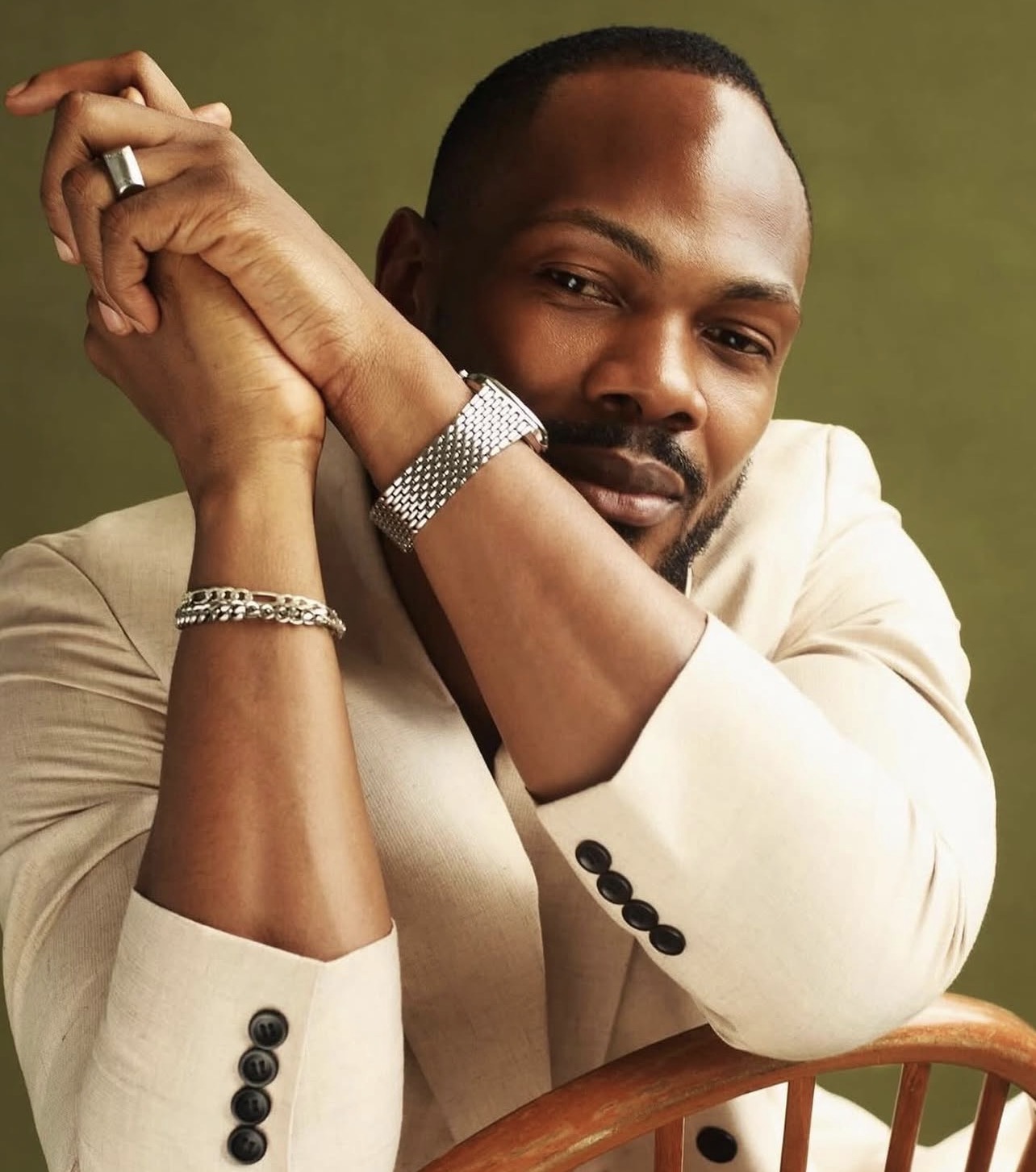
Few transitions feel as significant right now as Daniel Etim‑Effiong’s move from in front of the camera to the director’s chair. His feature debut, The Herd (released October 17, 2025), is a crime thriller that throws a wedding celebration into chaos when gunmen posing as herdsmen attack. At its core: betrayal, family secrets, and generational conflict.
The film was first screened in a shorter version at the Marché du Film in Cannes, signaling early global interest. Domestically, it opened big at ₦30.1 million in its first week. By its 10th day, it had amassed ₦80 million, a remarkable feat for a directorial debut.
Directed by Etim‑Effiong and written by Lani Aisida, The Herd is co-produced by FilmOne Studios, ToriTori Films, Serendipity HHC, and Airscape. Etim‑Effiong’s premiere was a high-profile affair, with Nollywood luminaries walking the red carpet.
The film is set to deepen its reach as it is slated for a Netflix debut on November 21, 2025, bringing his bold storytelling to a global streaming audience. For a filmmaker under 40, Etim‑Effiong is accomplishing something rare by marrying commercial viability with festival pedigree.
7. Chinaza “Naz” Onuzo: Building Nollywood from the Ground Up

Chinaza “Naz” Onuzo isn’t just a filmmaker, he’s a storyteller with a business backbone. Born in 1989, Onuzo co-founded Inkblot Productions, one of Nollywood’s most influential independent studios alongside friends Zulumoke Oyibo, Damola Ademola, and Omotayo Adeola.
Under Onuzo’s leadership, Inkblot has produced numerous commercially successful and critically acclaimed films, including The Wedding Party, The Arbitration, Up North, and The Set Up. He also made his directorial debut with Who’s the Boss (2020), a romantic comedy that underscores his talent for building broad appeal through character-driven stories.
Onuzo’s business acumen is as vital as his creative voice. In 2021, Inkblot struck a multi-year licensing deal with Amazon Prime Video, giving its films a global streaming pipeline. His dual role as storyteller and studio-builder positions him as a key architect of Nollywood’s future.
8. Ema Edosio: Celebrating Authentic Youth Stories

Ema Edosio (also Ema Edosio‑Deelen) is making a name for herself by telling grounded, human stories about youth, identity, and everyday Nigerian life. Her feature Kasala is a raw, affectionate portrait of young misfits trying to navigate their world. Her more recent film Otiti draws from personal history, delivering a nuanced and emotionally layered narrative.
Edosio’s filmmaking is marked by authenticity: the locales, characters, and stakes feel lived-in rather than staged. Her work is quietly powerful, spotlighting a generation that doesn’t see itself in conventional Nollywood tropes. Her rising profile in film festivals and indie circles cements her as an essential voice in this coming era.
9. Chinneylove Eze: Producer-Director with Commercial & Indie Cred

Chinneylove Eze (born in 1988) is the founder of Chinneylove Eze Productions, and she has built a reputation for making films that combine commercial appeal with independent ambition. Her credits include hits like Hire a Man and Devil in Agbada are films that perform strongly at the box office but are not afraid to take narrative risks.
Eze’s dual role as a director and producer gives her a strategic edge: she crafts marketable stories while maintaining creative independence. In doing so, she’s opening doors for other young filmmakers, especially women, to tell dynamic and varied Nigerian stories.
10. BB Sasore: Genre Versatility and Studio Innovation

Bodunrin “BB” Sasore is a writer-director and one of the founders of Nemsia Studios. His body of work spans comedy (Banana Island Ghost), fantasy (God Calling), and socially driven narratives. This genre agility, coupled with an entrepreneurial mindset, makes Sasore a key player in Nollywood’s new-wave infrastructure.
Under his leadership, Nemsia Studios acts not just as a production house, but as a hub for young, ambitious storytellers who want to break free of formulaic Nollywood patterns. Sasore’s approach — genre experimentation, production discipline, and a clear indie mindset, encapsulates the spirit of the new wave.
What Ties Them Together: The Characteristics of Nollywood’s New Wave
Putting these 10 filmmakers side by side, several common traits emerge that distinguish them from the more traditional Nollywood establishment:
1. Creative Independence + Control
Many of them run or co‑run production companies (Onuzo, Eze), or else maintain tight creative control over their work (Kasum, Obasi, Makama). This independence allows them to tell riskier, more personal stories.
2. Genre Innovation
From horror (Obasi) to magical realism (Makama), crime thrillers (E Effiong’s The Herd), and introspective short films (Ofoma), this wave is not just telling Nollywood stories, it’s redefining the types of stories Nollywood tells.
3. Festival and Global Reach
Several of them are festival darlings: Obasi’s Mami Wata, Makama’s Juju Stories, Ofoma’s shorts, Edosio’s features. This gives them critical legitimacy and helps them attract co-productions, pre-sales, and international distribution.
4. Hybrid Financing and Production Models
They often mix traditional financing (local production companies, investors) with streaming deals (Onuzo’s Amazon deal), co-productions, and self-funding, allowing them to maintain their vision while scaling up.
5. Youthful Leadership, but Business-Minded
These are not naive auteurs. Many (Onuzo, Sasore, Kasum) think deeply about business structure, sustainability, and industry growth. They don’t just make great movies, but build companies, training teams, and invest in the future.
6. Focus on Socially Relevant Themes
The stories are grounded in contemporary Nigeria: generational conflict, identity, insecurity (The Herd), folklore and spirituality, class, tradition. These filmmakers don’t shy away from what makes Nigeria complex and urgent.
Why This Matters: For Nollywood, and Beyond
• Redefining Nollywood’s Future
For years, Nollywood has been stereotyped as a high-volume, low-budget movie machine focused on romantic comedies and melodrama. This new wave disrupts that narrative. These are filmmakers building craft, not just churning content.
• Global Recognition
With festival appearances and streaming deals, these young creatives are putting Nigerian cinema on a more clearly global map. That matters not only for prestige but for infrastructure: international sales, co-productions, and creative exchanges.
• Sustainable Infrastructure
They’re not just making films. They’re building companies, training young teams, and investing in scalable production models. Long-term, this could lead to a more robust, sustainable Nollywood indie ecosystem.
• Changing Audience Expectations
As audience tastes evolve, especially among younger, more globally connected Nigerians, there’s hunger for stories that feel honest, audacious, and reflective. These filmmakers deliver that.
• Inspiration for the Next Generation
Their success serves as a template: you don’t have to be over 50 or backed by a legacy studio to tell powerful Nigerian stories. You can be under 40, scrappy, bold, and you can reach millions.
Conclusion
Nollywood’s new wave is not a flash in the pan. It is a deliberate, creative, and business-minded movement, driven by a cohort of filmmakers under 40 who are refusing to accept the old definitions of Nigerian cinema. By blending innovation, cultural authenticity, and ambitious production models, they are building the future of Nollywood.
If you follow their work in the coming years, you’ll see how deeply they’ll shape what African storytelling looks like, on both local shores and global stages.