

For decades, Nigeria’s public university system has moved through a cycle of tension between academic staff and government authorities. Every few years, disagreements over funding, salaries, infrastructure, and academic welfare erupt into strikes that disrupt the academic calendar and unsettle millions of students and families. The latest episode emerged in March 2026, when the Academic Staff Union of Universities declared an indefinite strike at the University of Lagos. The decision immediately drew national attention because the institution is one of the most prominent federal universities in Nigeria and because disputes involving the union have historically spread beyond a single campus.
The strike began on Wednesday, 11 March 2026, following an emergency congress of the union’s local branch. Lecturers voted to withdraw their services after accusing the university management of paying what they described as amputated salaries for the months of January and February. According to the union, the deductions were made without clear explanations and were accompanied by the non payment of several academic allowances that are critical to the professional work of lecturers.
While the action initially affected only one institution, the situation carried broader implications for the entire Nigerian university system. Students preparing for examinations suddenly faced uncertainty, while academic staff insisted that the withdrawal of their services was necessary to protect the dignity of their profession and to demand accountability from authorities. To understand why the strike happened and why it generated national concern, it is necessary to examine the sequence of events that led to the decision and the deeper structural issues that continue to shape relations between lecturers and government institutions in Nigeria.
Historical Background of ASUU and the Culture of Academic Strikes
The Academic Staff Union of Universities was formed in 1978 as a national organization representing lecturers in Nigerian universities. Its primary purpose was to advocate for improved conditions of service, adequate funding of higher education, and policies that would strengthen research and academic freedom. From its earliest years, the union adopted a confrontational approach whenever negotiations with authorities stalled, believing that industrial action was sometimes the only effective way to force attention to issues affecting universities.
Throughout the 1980s and 1990s, the relationship between the union and successive governments was frequently tense. Military administrations often viewed the union as an oppositional force, while lecturers believed that government policies were undermining the quality of higher education. These disagreements led to several strikes and even periods when the union was banned. Despite those confrontations, the organization remained influential and continued to grow as the main voice representing university lecturers across the country.
The return to civilian rule in 1999 raised expectations that the disputes might ease, yet structural problems persisted. Nigerian universities faced chronic underfunding, overcrowded lecture halls, limited research facilities, and irregular payment of academic allowances. Lecturers complained that the conditions made it difficult to compete globally or deliver the level of education expected from modern universities. These grievances eventually led to a major negotiation between the union and the federal government, which produced the famous 2009 agreement that remains central to many of the disputes seen today.
The culture of strikes gradually became part of the Nigerian university experience because many lecturers believed that negotiations rarely produced results without pressure. Students and parents often suffered the consequences through prolonged disruptions of the academic calendar. Each new strike, therefore, carried the weight of history, reminding the public of earlier disputes that had stretched for months and delayed graduations across the country.
Against this historical backdrop, the events that unfolded in March 2026 did not appear in isolation. They were connected to decades of unresolved structural challenges within the university system and the persistent struggle between lecturers seeking better conditions and authorities trying to manage limited resources.
The Significance of the University of Lagos in Nigeria’s Academic Landscape
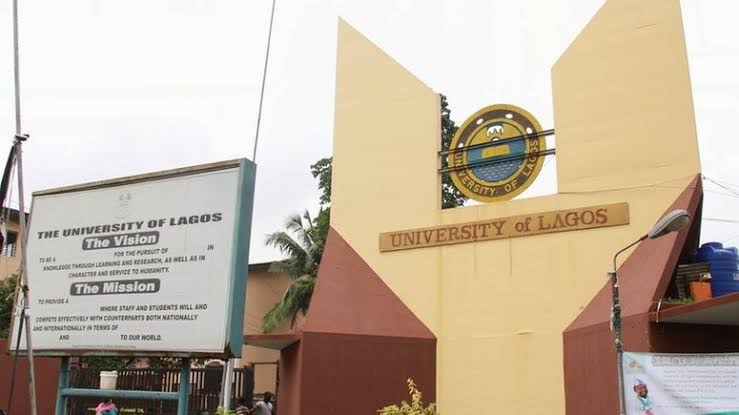
The University of Lagos occupies a central place in the Nigerian higher education system. Established in 1962, the institution grew rapidly into one of the country’s most prestigious federal universities and has produced generations of professionals who now serve in government, business, media, medicine, law, engineering, and other sectors of society. Its location in Lagos, the country’s commercial capital, places it at the heart of national economic and intellectual life.
The university operates across two main campuses that serve different academic purposes. The Akoka campus is the primary academic centre where most faculties and administrative structures are located. The Idi Araba campus houses the College of Medicine and teaching hospital facilities, which train future doctors and medical specialists. Thousands of students study across these campuses each year, and the institution maintains collaborations with international universities and research organizations.
Because of its reputation, any major development at the university quickly attracts public attention. When lecturers at such an institution stop teaching, the consequences ripple beyond the campus community. Employers awaiting graduates, families investing in their children’s education, and policymakers concerned about national development all watch closely when academic activities at the university are disrupted.
This visibility also means that labour disputes at the university often become symbolic of larger tensions within Nigeria’s higher education system. Observers frequently interpret such disputes as indicators of deeper problems affecting federal universities across the country. When the union at the University of Lagos declared its indefinite strike in March 2026, many analysts immediately began asking whether the situation might spread to other campuses, echoing previous episodes where local grievances evolved into nationwide academic shutdowns.
Understanding the importance of the institution, therefore, helps explain why the strike generated national interest even though it initially involved only one branch of the union.
Economic and Administrative Pressures Leading Into 2026
The months leading up to 2026 were marked by broader economic challenges affecting Nigeria’s public institutions. Rising costs of living placed pressure on workers across different sectors, while government agencies struggled to manage budgets in an environment shaped by currency fluctuations and competing national priorities. Universities were not immune to these pressures because they rely heavily on federal allocations to pay salaries, maintain infrastructure, and support research activities.
Lecturers had long argued that academic salaries and allowances were not keeping pace with the realities of modern scholarship. Research in contemporary universities requires access to digital databases, specialized software, laboratory equipment, and regular academic travel. Without adequate financial support, lecturers find it difficult to maintain global academic standards or mentor students effectively.
Another issue frequently raised by academic staff involved delays in the payment of allowances designed to support teaching and research activities. These allowances include the Earned Academic Allowance, which compensates lecturers for extra academic duties beyond regular teaching loads. There is also the Consolidated Academic Tools Allowance, which helps lecturers acquire equipment and materials necessary for academic work. When these allowances are delayed or reduced, many lecturers interpret it as a sign that their professional contributions are not valued.
Within this environment, tensions gradually developed between academic staff and university authorities as discussions about salary structures and allowances continued. The union maintained that transparent communication and timely payment of entitlements were essential to maintaining trust within the academic community. When signs began to emerge that certain payments might be reduced, the issue quickly became a central concern among lecturers who were already sensitive to economic pressures affecting their profession.
The Salary Dispute That Triggered the Crisis
The immediate trigger for the March 2026 strike revolved around salary payments for the months of January and February. Lecturers at the university reported that their salaries arrived with noticeable deductions, which they described as amputated payments. According to the union, these reductions were not accompanied by detailed explanations from the university management and created confusion among staff who expected full payment of their entitlements.
Union representatives argued that the situation was unacceptable because salaries are fundamental to the livelihood of academic staff who devote years of specialized training to teaching and research. Many lecturers support extended families while also financing personal research projects and professional development activities. When salary payments appear incomplete, the consequences extend beyond the individual lecturer and affect households that rely on stable income.
The union therefore began consultations with its members to determine the appropriate response. Meetings were held to review salary statements and gather testimonies from lecturers who had experienced deductions. As more details emerged, the atmosphere within the academic community grew increasingly tense. Many lecturers expressed frustration that repeated attempts to seek clarification from the management had not produced satisfactory answers.
By early March, the situation had reached a point where the union leadership believed that stronger action might be necessary. Discussions within the union focused on the principle that academic labour deserves respect and that unexplained salary reductions undermine morale across the institution. The leadership emphasized that the dispute was not merely about money but also about accountability and transparency in the management of university resources.
These discussions eventually set the stage for the decisive meeting that would determine the future of academic activities at the university.
The Emergency Congress and the Decision of 11 March 2026
On Wednesday, 11 March 2026, members of the union gathered for an emergency congress to deliberate on the unfolding crisis. Such congress meetings serve as the highest decision making forum for the union at the institutional level because they allow lecturers from different faculties to express their views and vote on collective action. The atmosphere during the meeting was reportedly intense, as lecturers shared their experiences and frustrations regarding the salary issue and unpaid allowances.
Speakers at the congress emphasized that previous attempts to resolve similar issues through dialogue had often produced limited results. Many members argued that continuing to teach while the dispute remained unresolved would signal acceptance of the deductions. Others warned that failing to act decisively might encourage further erosion of lecturers’ welfare in the future.
After extensive deliberation, the congress voted to declare an indefinite strike. This decision meant that lecturers would withdraw their teaching services until the issues surrounding the salary deductions and unpaid allowances were addressed satisfactorily. The strike covered academic activities across the institution, including lectures, supervision of research projects, and participation in examinations.
The announcement quickly circulated across the campus community and reached students, administrators, and the broader public. For many students, the news arrived with shock because academic schedules were already underway and some faculties were approaching examination periods. Within hours, conversations about the strike spread through student hostels, social media platforms, and news outlets that closely monitor developments within Nigeria’s university system.
The decision of 11 March therefore marked a turning point in the dispute because it transformed internal grievances into a public industrial action that halted academic life at one of the nation’s most prominent universities.
Allowances at the Center of the Dispute
Beyond the issue of salary deductions, the union also highlighted the non payment of several academic allowances as a key reason for the strike. These allowances form an essential part of the financial structure supporting academic work in Nigerian universities because they compensate lecturers for responsibilities that extend beyond routine classroom teaching.
One of the most significant allowances mentioned during the dispute was the Earned Academic Allowance. This payment recognizes the additional workload carried by lecturers who supervise student projects, mark large volumes of examination scripts, participate in curriculum development, and contribute to administrative duties within their faculties. Without this allowance, lecturers often feel that the extra time and energy invested in supporting students goes unrecognized.
Another allowance raised by the union was the Consolidated Academic Tools Allowance. Academic work increasingly depends on access to digital tools, research databases, laboratory instruments, and specialized teaching materials. The allowance helps lecturers acquire these resources and maintain professional standards within their disciplines. When such payments are delayed or withheld, lecturers may struggle to keep pace with evolving academic requirements.
Union representatives argued that the absence of these allowances created a broader pattern of neglect that extended beyond the immediate salary dispute. They emphasized that universities cannot function effectively if the professionals responsible for teaching and research lack the resources necessary to perform their duties. In their view, the strike was therefore a defense of the academic environment rather than a narrow financial demand.
This argument resonated with many lecturers who believed that maintaining strong universities requires sustained investment in the people who deliver education and generate research knowledge.
Impact on Students and Academic Activities
The most immediate consequences of the strike were felt by students whose academic routines were suddenly interrupted. Lecture halls that normally buzz with activity became quiet as lecturers withdrew their services in compliance with the union’s directive. Courses scheduled for the week were suspended, and faculty offices that typically host academic consultations remained largely inactive.
For students preparing for examinations, the disruption created significant anxiety. Academic calendars in Nigerian universities are already vulnerable to delays caused by earlier strikes or administrative adjustments. Any additional interruption raises fears that graduation timelines might shift once again. Final year students, in particular, worried about the potential impact on their plans for national service or postgraduate studies.
Research supervision also faced challenges because many postgraduate students depend on regular meetings with their supervisors to advance their theses and dissertations. With lecturers participating in the strike, those interactions were temporarily suspended. Laboratories and research groups slowed their activities as academic mentors stepped back from official responsibilities until the dispute could be resolved.
Within student hostels, discussions quickly turned toward the possibility of a prolonged shutdown. Some students began making plans to travel home temporarily, while others remained on campus hoping that negotiations might produce a swift resolution. Student unions and campus associations monitored the situation closely while urging both the union and the management to find a path toward dialogue that would restore academic activities.
The uncertainty surrounding the strike highlighted how deeply the fortunes of students are intertwined with the welfare of lecturers and the administrative stability of universities.
National Implications and the Fear of Escalation
Although the strike originated within a single institution, many observers quickly recognized the potential for broader consequences. Historically, disputes involving one branch of the union have sometimes inspired solidarity actions from other branches across the country. Lecturers in different universities often share similar concerns regarding salaries, funding, and academic allowances, which means that unresolved disputes can resonate far beyond their initial location.
Analysts therefore began to ask whether the situation at the University of Lagos might trigger discussions within other universities experiencing comparable challenges. Even if other branches did not immediately join the strike, the dispute served as a reminder of unresolved issues affecting the national university system. Each new industrial action adds to the sense that the relationship between academic staff and authorities requires deeper structural reform.
The possibility of escalation also attracted attention from policymakers who are aware that nationwide strikes have previously shut down universities for extended periods. Such shutdowns disrupt academic calendars, delay the graduation of students, and create economic ripple effects in communities that depend on university activities. Government agencies therefore monitor local disputes closely to prevent them from evolving into national crises.
In this context, the March 2026 strike became more than a local labour disagreement. It evolved into a symbol of ongoing tensions within Nigerian higher education and prompted renewed conversations about the sustainability of the current funding and governance structures that shape universities across the country.
The Long Shadow of the 2009 Agreement
One cannot fully understand disputes between lecturers and authorities without examining the 2009 agreement negotiated between the federal government and the union. This landmark agreement addressed several issues, including improved funding for universities, better conditions of service for lecturers, and a framework for revitalizing academic infrastructure. At the time, it was celebrated as a major step toward resolving long standing grievances within the university system.
However, the implementation of the agreement proved challenging. Over the years, lecturers repeatedly argued that key provisions were either delayed or only partially implemented. Government representatives often responded that economic constraints made it difficult to fulfill every commitment immediately. This difference in interpretation created a cycle of negotiations and strikes that resurfaced periodically throughout the following decade.
Each new dispute therefore revived memories of earlier promises and debates about whether the agreement had been respected. For many lecturers, the document represents a benchmark for evaluating government commitment to higher education. When financial disputes arise, the union frequently frames them within the broader narrative of implementing agreements that were negotiated in good faith.
The events of March 2026 occurred within this historical context. Although the immediate trigger involved salary deductions and allowances, the deeper conversation inevitably returned to questions about how agreements between academic staff and authorities should be honored and sustained over time.
Negotiations and the Path Forward
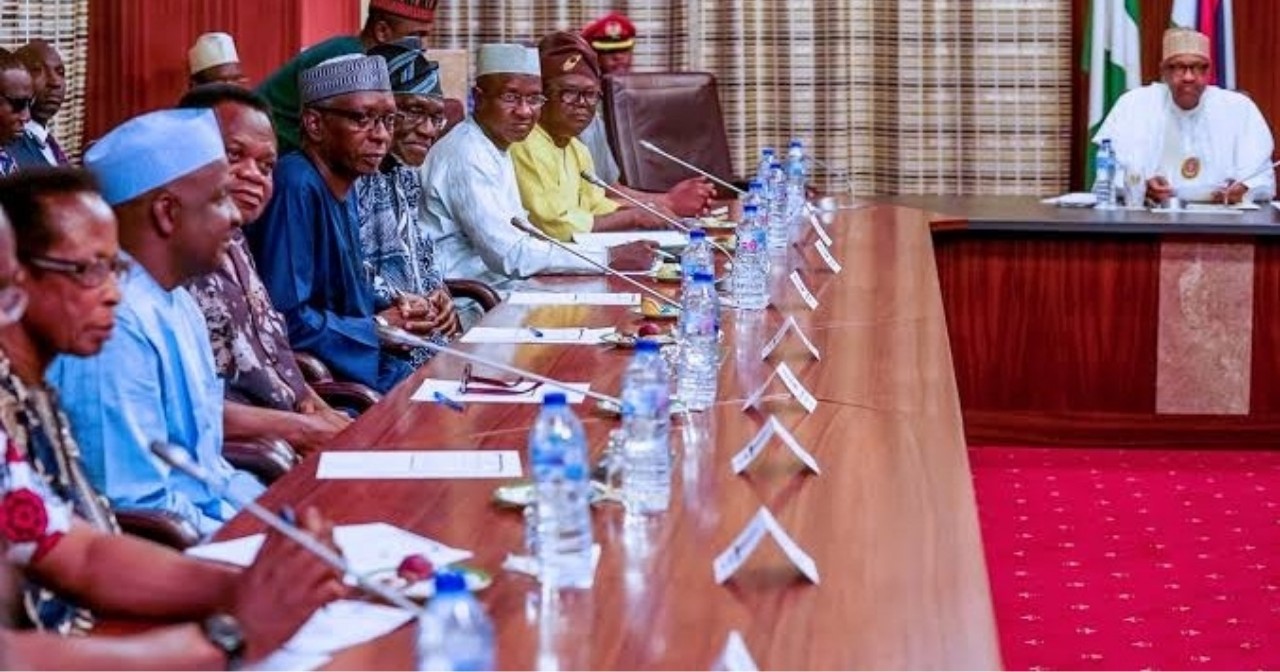
As the strike unfolded, attention shifted toward possible negotiations that could resolve the dispute. University management typically engages with union representatives through formal meetings designed to clarify grievances and explore solutions. Such discussions often involve reviewing financial records, explaining administrative decisions, and identifying ways to restore trust between staff and authorities.
Students, parents, and education stakeholders usually hope that these negotiations will produce swift outcomes because prolonged strikes carry heavy academic and emotional costs. Yet the process of resolving labour disputes can be complex since it requires balancing financial realities with the legitimate expectations of academic professionals. Both sides must therefore approach negotiations with willingness to listen and compromise.
The resolution of the March 2026 strike would depend on several factors, including the ability of university authorities to address the concerns raised by lecturers and the readiness of the union to suspend its industrial action once satisfactory assurances are provided. Transparent communication would be essential in rebuilding confidence within the academic community and ensuring that similar disputes do not emerge again in the near future.
Beyond the immediate negotiations, the situation also raises broader questions about how Nigeria can create a more stable framework for managing its university system. Sustainable funding models, consistent payment structures, and open dialogue between academic staff and policymakers may help reduce the frequency of disruptive strikes that affect generations of students.
Conclusion
The indefinite strike declared at the University of Lagos on 11 March 2026 emerged from a combination of immediate financial disputes and deeper historical tensions within Nigeria’s university system. What began as concerns over reduced salaries and unpaid allowances quickly evolved into a major academic shutdown that disrupted teaching and raised fears of broader instability across the higher education sector.
The events illustrate the delicate balance that sustains universities, where lecturers seek fair treatment for their professional contributions while students depend on stable academic calendars to pursue their educational goals. When communication breaks down or financial commitments appear uncertain, the consequences extend far beyond administrative offices and enter the lives of families, communities, and the national economy.
Whether the dispute remains a localized event or becomes part of a wider pattern of industrial action will depend on how effectively the underlying issues are addressed. What remains clear is that Nigeria’s universities occupy a vital place in national development, and the well being of those institutions depends on sustained investment, transparent governance, and respectful engagement with the academic professionals who shape the future of education in the country.