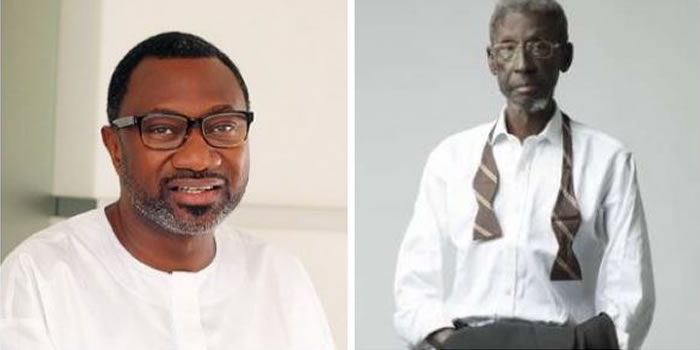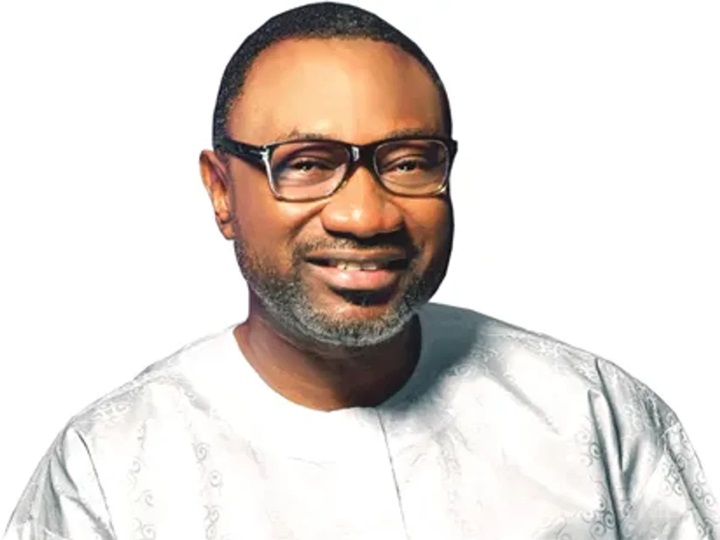

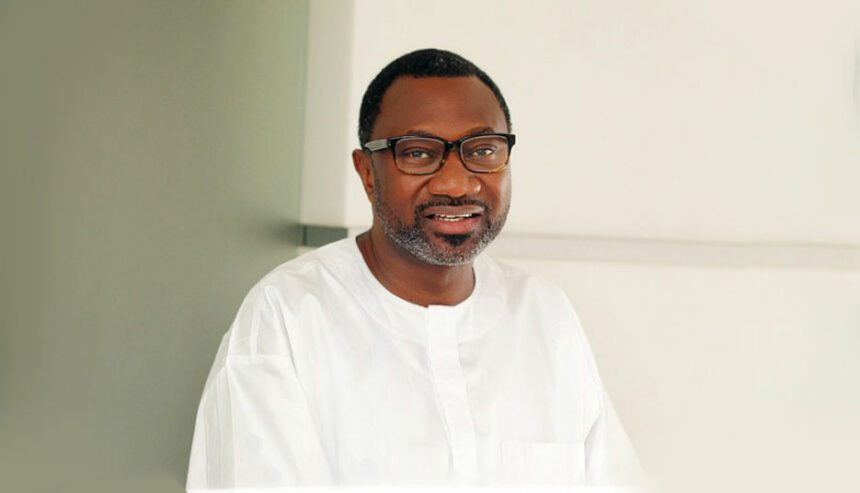
In early 2026, discussions about Africa’s wealthiest individuals reignited when Nigerian businessman Femi Otedola appeared near the bottom of Forbes’ Africa billionaires ranking. Headlines quickly described him as “Africa’s poorest billionaire,” a phrase that caught attention given his long-standing prominence in Nigeria’s energy, finance, and investment sectors. While striking, this characterization is not an indication that Otedola lacks wealth or influence. Instead, it reflects the relative positioning within a select group of 23 African billionaires whose fortunes are measured at a specific point in time. The ranking captures shifts in market valuations, investment decisions, and economic conditions that can affect paper net worth even for individuals with substantial assets.
Released in March 2026, the Forbes list sparked curiosity and debate among analysts, journalists, and social media observers. Questions arose about why a billionaire with a long history of high-profile business ventures, philanthropy, and investment activity would register at the lower end of the continent’s wealth spectrum.
Understanding Otedola’s place requires a closer look at his key holdings, including his stake in Geregu Power Plc, investments in First HoldCo, property assets, and the broader fluctuations of Nigeria’s economic landscape. Forbes’ methodology for estimating net worth considers public and private company valuations, real estate, and other significant assets while accounting for liabilities, creating a snapshot of wealth that can change rapidly with market conditions.
Forbes 2026 Africa Billionaires List and Femi Otedola’s Position
In March 2026, Forbes released its annual ranking of Africa’s wealthiest individuals, highlighting the concentration of wealth among a small group of business leaders while capturing dynamic shifts across the continent’s economic landscape. The report states that the collective net worth of Africa’s 23 billionaires stands at approximately $126.7 billion, reflecting a 21 percent rise from the previous year as markets strengthened and regional currencies stabilized. This ranking provides not just absolute net worth but also a relative measure of each individual’s economic position within Africa.
At the top of the list:
Aliko Dangote – estimated $28.5 billion, wealth from diversified sectors including cement, sugar, and oil
Johann Rupert and family (South Africa) – estimated $16.1 billion, luxury goods and retail
Abdulsamad Rabiu (Nigeria) – estimated $11.2 billion, cement and diversified holdings
Nicky Oppenheimer (South Africa) – estimated $10.6 billion, mining and diamonds
Nassef Sawiris (Egypt) – estimated $9.6 billion, construction and engineering
Mike Adenuga (Nigeria) – estimated $6.5 billion, telecom and oil
Naguib Sawiris (Egypt) – estimated $5.6 billion, telecom
Patrice Motsepe (South Africa) – estimated $4.3 billion, mining
Mohamed Mansour (Egypt) – estimated $4 billion, diversified investments
Michiel Le Roux (South Africa) – estimated $3.8 billion, financial services and investments
These ten individuals illustrate the scale and diversity of Africa’s richest, with wealth rooted in industries ranging from natural resources and construction to telecommunications, finance, and luxury retail. The list reflects not only business acumen but also the ability to maintain and grow assets amid regional and global economic fluctuations.
At the lower end of the 2026 ranking, Femi Otedola of Nigeria and Moroccan real estate magnate Anas Sefrioui both hold an estimated net worth of $1.3 billion, placing them 22nd and 23rd on the list respectively.
The phrase “poorest billionaire” is therefore a relative term, indicating that among Africa’s 23 billionaires, Otedola has the lowest reported net worth. It does not suggest that he is financially struggling or lacking access to luxury, investments, or lifestyle choices typical of high net worth individuals. Being the lowest on the list simply reflects the timing of asset valuations and divestment decisions that temporarily reduced the reported aggregate of his holdings. In other words, his position is determined by a snapshot of wealth at the date of analysis rather than a reflection of overall financial capability.
Key Drivers of Net Worth Reduction in 2026
Several factors contributed to the perception that Otedola’s wealth has decreased, leading to his position at the bottom of Forbes’ Africa billionaire list. One of the most significant contributors is the recent sale of his stake in Geregu Power Plc. Otedola was once the Executive Chairman of Geregu Power, holding roughly 77 percent of the company, which is a major independent power producer listed on the Nigerian Exchange (NGX). In late December 2025, he executed a substantial divestment worth approximately $750 million. While this sale generated significant liquidity, the market valuation used by Forbes to calculate his net worth reflects the price of shares relative to peak trading levels rather than the gross proceeds of the sale. Consequently, the reported net worth for 2026 reflects a temporary adjustment resulting from the timing of the sale against market prices.
Another factor influencing his position is the performance of other major assets, particularly his stake in First HoldCo Plc, the financial holding company encompassing First Bank and related subsidiaries. As of the end of 2025, Otedola held approximately 18.12 percent in First HoldCo. Valuations of banking stocks are subject to market volatility, regulatory changes, interest rate fluctuations, and macroeconomic conditions, all of which can temporarily alter the calculated net worth. Even without a change in the underlying asset, perceived wealth may decline on paper if the stock price falls during the evaluation period.
Beyond equities, Otedola’s real estate and international investments form another pillar of his wealth, including properties in Lagos, Dubai, London, and Monaco. These holdings are valuable, but because they are largely privately held or subject to estimated valuations, they carry less immediate impact on Forbes’ calculations. Unlike publicly traded stocks, they are not marked to daily market pricing, so their contribution to the total net worth is more stable but subject to estimation errors and assumptions.
Historical Context of Wealth Fluctuations
Femi Otedola’s net worth has fluctuated over the past decades due to a combination of strategic asset reallocation and macroeconomic pressures. During the 2008–2009 global oil price collapse and subsequent devaluation of the Nigerian naira, Otedola publicly acknowledged losses exceeding $898 million from oil trading, foreign exchange exposure, and other market declines. At that time, his wealth had been concentrated in oil marketing through Forte Oil, which he later divested in order to focus on power generation and financial services.
Over the years, Otedola’s strategic divestments, including the recent Geregu Power sale, are part of a broader shift in his investment focus from high volatility sectors to diversified holdings, including finance, real estate, and global investments. Each divestment or stock sale can cause short-term reductions in paper net worth due to market timing, valuation differences, or currency exchange rates, even as the underlying financial strength and liquidity remain substantial.
Understanding the “Poorest Billionaire” Label
The label of “poorest billionaire in Africa” has therefore less to do with absolute wealth and more with perception. It is a shorthand used in media coverage to signal that Otedola’s reported net worth sits at the bottom of Forbes’ ranking relative to his peers. It does not imply financial hardship or lack of influence in Nigeria or the broader continent. Even with an estimated net worth of $1.3 billion, Otedola continues to have access to significant capital, investment opportunities, and business influence across sectors.
The distinction also highlights the fluidity of wealth rankings. Forbes’ methodology requires daily adjustments for share prices, currency valuation, and asset appreciation or depreciation. A billionaire may appear lower on a list in one year and higher in the next depending on market dynamics and timing of asset divestments. In essence, rankings are a snapshot of a moving financial landscape, not a permanent label.
Broader Implications for Wealth Reporting
The discussion surrounding Otedola’s position on the list underscores larger questions about how wealth is represented in public discourse. Headlines often simplify complex financial realities, emphasizing relative rankings rather than absolute wealth. While a headline calling someone the “poorest billionaire” attracts attention, it can obscure nuances such as strategic asset sales, market timing, and liquidity. Forbes’ calculations, while rigorous, focus on total asset valuation rather than cash flow or personal consumption, meaning that wealth perception can diverge from lived reality.
This type of reporting also influences public perceptions in countries like Nigeria, where social and economic inequalities are highly visible. For many observers, the idea that a well-known entrepreneur like Otedola could be considered “poorest” among billionaires challenges assumptions about wealth concentration and the meaning of financial success. It sparks conversations not just about rankings but about how wealth is created, preserved, and transferred across sectors over time.
Closing Reflections
Femi Otedola’s placement at the bottom of Forbes’ 2026 Africa billionaires list offers insight into the dynamic nature of wealth rather than a judgment of personal fortune. The combination of a landmark sale of Geregu Power shares, fluctuations in banking stock valuations, and the method of asset assessment used by Forbes contributed to the reported net worth of approximately $1.3 billion. While media headlines labeled him Africa’s “poorest billionaire,” the reality is that Otedola remains a highly influential figure with substantial capital and diversified investments across multiple sectors.
The case illustrates how Forbes rankings, while widely respected, are ultimately estimates subject to market and valuation conditions. They provide a relative snapshot rather than an absolute measure of financial strength. Understanding these nuances is crucial for anyone interpreting wealth rankings or assessing the financial landscape of Africa’s elite. Otedola’s story is not one of decline but of strategic asset management and repositioning in a volatile market environment. The public perception may focus on the label, but the broader context emphasizes that billionaires like Otedola navigate complex investment portfolios that extend far beyond the headline figure, and their influence continues to shape Africa’s economic landscape well into 2026 and beyond.