March 2026 did not begin with a single defining event, yet as the days unfolded, Nigeria found itself confronting an unusual concentration of controversies involving religious leaders. The country has long been home to some of the largest and most influential churches in Africa, with pastors occupying positions that extend beyond spiritual leadership into politics, business, and social life. For many Nigerians, pastors are not simply preachers but moral authorities, counsellors, and, in some cases, power brokers whose words carry weight in both private homes and public institutions. This deep cultural reverence made the events of March 2026 particularly striking because they challenged assumptions about trust, integrity, and accountability within the religious space.
The controversies that surfaced throughout the month did not stem from one denomination or region alone. Instead, they emerged from different parts of the country and touched separate aspects of national life, including politics, healthcare, law, and social welfare. Each case might have passed as an isolated incident in another period, yet the clustering of multiple pastor related stories within a short time frame created a sense that something larger was unfolding. Newsrooms, online platforms, and public discussions began to connect these stories into a broader narrative about the growing scrutiny of religious leadership in Nigeria.
This atmosphere was amplified by the speed at which information spread through social media. Sermons that once would have been heard only by congregations were now recorded, clipped, and shared within minutes. Court proceedings that might previously have remained buried in legal columns became trending topics as bloggers and digital news outlets circulated details to millions of readers. By the middle of March, it was no longer possible to discuss any single pastor controversy without acknowledging that it was part of a wider national conversation about faith, power, and responsibility.
March 2, 2026
Pastor and Wife Arrested During Church Service in Bayelsa
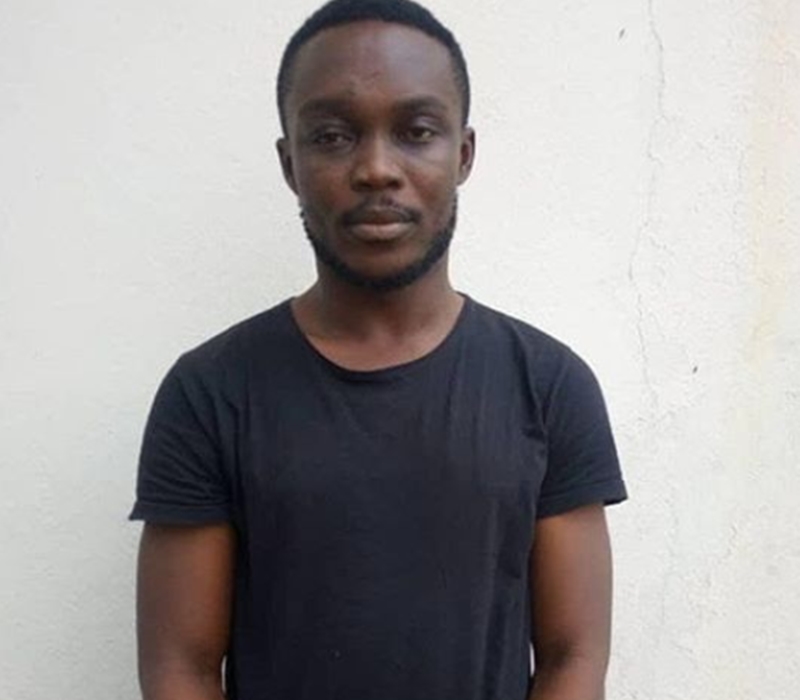
The first major pastor related story to gain national attention in March occurred on Sunday, March 2, 2026, in Bayelsa State, where police officers entered a church service and arrested a pastor and his wife over allegations of sexual abuse involving a minor. The arrest took place in full view of congregants, many of whom had gathered expecting a routine worship session but instead witnessed their spiritual leader being led away by law enforcement. According to police reports, the case involved a thirteen year old girl who was alleged to have been abused over a period of time and later became pregnant. The case was transferred to the police gender unit for specialized investigation due to the sensitivity and seriousness of the allegations.
The public reaction was swift and emotional because the incident touched on two deeply sensitive issues in Nigerian society, which are child protection and the sanctity of religious spaces. For many observers, the idea that a church could become the setting of an alleged sexual crime involving a minor was deeply unsettling. Parents who had long trusted pastors with counselling and youth mentorship began to question how vulnerable children were within these environments. Advocacy groups used the moment to renew calls for stricter safeguarding policies in churches, arguing that spiritual authority should not shield religious leaders from the same level of scrutiny applied to teachers, coaches, and other individuals who work closely with minors.
Media coverage of the Bayelsa arrest remained intense for several days because it was not merely a police report but a story that unfolded in stages. Updates about the medical condition of the victim, statements from church members, and the response of the pastor’s legal team all kept the issue alive in the news cycle. By the time the case was formally handed over to specialized investigators, it had already set a serious and somber tone for the month, creating a backdrop against which later pastor related controversies would be judged.
March 5, 2026
Court Orders Arrest in Defamation Case Linked to Prominent Ministry
Just three days after the Bayelsa arrest, another story placed a major church leader at the centre of legal discussions. On March 5, 2026, a Federal High Court in Lagos revoked the bail of a former chorister and issued an arrest order for a blogger in a defamation case linked to posts about Mountain of Fire and Miracles Ministries founder, Daniel Olukoya. Although Pastor Olukoya himself was not accused of committing any crime, the case demonstrated how legal battles involving church figures could spill into the public arena and generate widespread debate.
The dispute revolved around online publications that allegedly contained defamatory statements about the ministry and its leadership. In recent years, Nigeria has seen an increase in the use of defamation laws in disputes involving public figures, and religious leaders have increasingly turned to the courts to protect their reputations. The March 5 ruling therefore became a reference point in conversations about freedom of expression, the limits of online commentary, and the extent to which powerful religious institutions can influence legal processes through civil litigation.
What made this case particularly significant in the context of March 2026 was the timing. Coming so soon after the Bayelsa arrest, it reinforced the perception that churches were under a spotlight, not only in relation to moral conduct but also in relation to how they navigated legal systems. For observers who followed both stories, the emerging pattern suggested that religious institutions were becoming more entangled with formal legal mechanisms, whether as defendants in criminal cases or as complainants seeking redress in civil courts.
March 9, 2026
Mega Church Pastor Claims Spiritual Influence Over Court Ruling
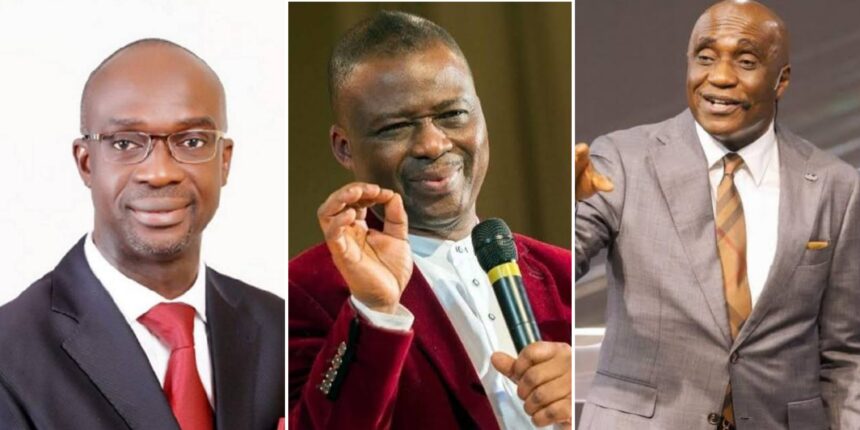
The controversy that would come to define March 2026 in the eyes of many Nigerians emerged on March 9, 2026, when Pastor David Ibiyeomie of Salvation Ministries made comments during a sermon that quickly went viral. In the recorded message, he stated that he had prayed and influenced a Supreme Court decision in a way that helped politician Nyesom Wike retain his position. The video was shared widely across social media platforms, and within hours it had moved from a church setting to national and international audiences.
Reactions were sharply divided. Supporters of the pastor interpreted the statement as a testimony of faith, consistent with religious beliefs that prayer can influence earthly events. Critics, however, viewed the remarks as troubling because they appeared to suggest that the outcome of a judicial process could be altered through spiritual intervention by a religious leader. In a country where the independence of the judiciary is a cornerstone of democratic governance, such claims raised questions about whether public trust in court rulings could be weakened if influential pastors implied that verdicts were subject to supernatural manipulation.
Legal experts and political commentators weighed in, emphasizing that while freedom of religion allows individuals to believe in divine intervention, public statements that appear to link specific judicial outcomes to the actions of religious figures could create dangerous perceptions. The debate extended beyond theology into constitutional principles, particularly the idea of separation between religious institutions and state functions. By the end of March 9, 2026, the sermon had become one of the most discussed religious statements of the year, with talk shows, newspaper editorials, and online forums dissecting its implications from legal, moral, and cultural perspectives.
March 12, 2026
Abuja Pastor Arraigned Over IVF Embryo Fraud Case
Just three days after Pastor Ibiyeomie’s sermon made headlines, another story emerged on March 12, 2026, that highlighted a disturbing intersection of religion, medicine, and law. Pastor John Onuwabhagbe Abebe, who is also a licensed medical practitioner specializing in fertility treatments, was arraigned in an Abuja court on multiple charges including fraud, criminal conspiracy, and the unlawful sale of a couple’s embryos during an in vitro fertilization procedure. Prosecutors alleged that he released confidential medical records and defrauded the couple of approximately ₦19 million in the process. The case quickly attracted national attention due to its sensitive nature and the shocking combination of spiritual and medical authority being allegedly exploited.
This case resonated deeply with the public because it highlighted the vulnerabilities patients face when medical procedures are intertwined with religious trust. Many Nigerians hold spiritual leaders in high regard, often seeking guidance from pastors for personal, financial, or medical decisions. The allegations against Pastor Abebe challenged the assumption that faith and professional ethics could safely coexist and sparked conversations about whether stricter oversight is required when religious figures provide services beyond the pulpit. The court granted him bail of ₦5 million, and the trial was adjourned to April 2, 2026, leaving the nation to reflect on the implications while awaiting further developments.
Legal scholars, ethicists, and journalists debated the broader ramifications of the case. While the charges were still allegations, they highlighted gaps in both medical regulation and religious accountability. The involvement of a religious leader in a matter of reproductive rights brought bioethics into public discourse, a conversation that is often muted in Nigeria but has significant implications for patients, healthcare providers, and legal authorities. Social media platforms were flooded with discussions, expert opinions, and trending hashtags that called for justice and better safeguards for couples undergoing fertility treatments, especially when religious authority is involved.
Mid March 2026
Fake Miracle Syndicate Arrests and Ongoing Investigations
While high profile cases dominated headlines, a continuing story throughout mid-March concerned the arrest of six men in Idanre, Ondo State, accused of posing as pastors and staging fake miracles for financial gain. These arrests, which had occurred in late February, maintained prominence in the news cycle well into March due to ongoing investigations, court proceedings, and public commentary. The suspects were alleged to have exploited vulnerable residents by promising divine solutions to health, financial, and personal problems, collecting money under false pretenses while creating an illusion of spiritual authority.
The persistence of the fake miracle story throughout March reinforced a pattern of increasing scrutiny of miracle-based ministries in Nigeria. Citizens, journalists, and advocacy groups discussed the social and psychological consequences of religious fraud, raising questions about how ordinary people could be protected from deceptive practices by individuals who exploit faith for personal gain. The coverage sparked debates on regulatory measures, with some suggesting mandatory licensing for religious organizations or stronger penalties for impersonating clergy, while others emphasized the need for public education and community awareness.
Patterns Observed in March 2026
By analyzing the various cases that surfaced throughout March, it becomes clear that pastor related controversies clustered into four primary legal and ethical domains: sexual crime, medical and financial fraud, defamation and cyber-law, and religious fraud. The Bayelsa sexual abuse case represents sexual crime. The Abuja IVF embryo fraud case represents medical and financial misconduct. The Lagos defamation case linked to MFM falls under defamation and cyber-law. Finally, the fake miracle syndicate arrests reflect ongoing issues of religious fraud. This breadth of scandal within a single month is unusual in Nigeria, where controversies involving pastors typically center around one category rather than spanning multiple sectors simultaneously.
Why March 2026 Stood Out
March 2026 is historically significant because it featured simultaneous high-profile cases involving pastors across multiple domains, regions, and levels of prominence. Both mega-church leaders and lesser-known pastors were implicated in incidents that sparked national discussion. The clustering effect amplified public attention and fueled conversations about accountability, transparency, and regulation within religious institutions. The narratives of legal action, ethical lapses, and alleged criminal behavior collectively contributed to a perception that the month marked an unprecedented period of scrutiny for Nigeria’s religious sector.
The month also prompted wider reflections on the societal role of pastors. These leaders wield significant influence over their congregants, shaping opinions on politics, morality, and personal decision making. When controversies arise, the ripple effects can extend far beyond individual cases, affecting community trust, institutional credibility, and national discourse. The March 2026 pastor scandals highlighted the dual potential of religious leaders to inspire and to harm, depending on the ethical choices they make and the mechanisms of accountability that exist to monitor their conduct.
As the month of March elapses in 2026, several key lessons had emerged. First, the legal and ethical responsibilities of pastors are under increasing public examination. Second, incidents of misconduct can span multiple domains, from criminal offenses to civil disputes, affecting both public perception and policy discussions. Third, social media amplifies the reach and impact of controversies, transforming local events into national conversations. Lastly, the clustering of incidents suggests that systemic issues, rather than isolated cases, may be contributing to patterns of misconduct and public distrust in religious leadership.