For years, Davido has moved in two powerful circles of music and politics, with growing confidence that one could eventually lead to the other.
From campaign stages in Osun to global concert arenas, his presence has almost blurred the line between entertainer and political actor, fuelling expectations that a formal entry into public office was only a matter of time.
But that trajectory is no longer certain. Despite being appointed as chairman of the Osun State Sports Trust Fund in 2025, he is now prioritizing his entertainment career over political office.
In a recent livestream, Davido offered a rare moment of pause, revealing why he is rethinking that path, not out of lack of interest, but because of two things he has noticed and what it could ultimately cost.
Who is Davido?

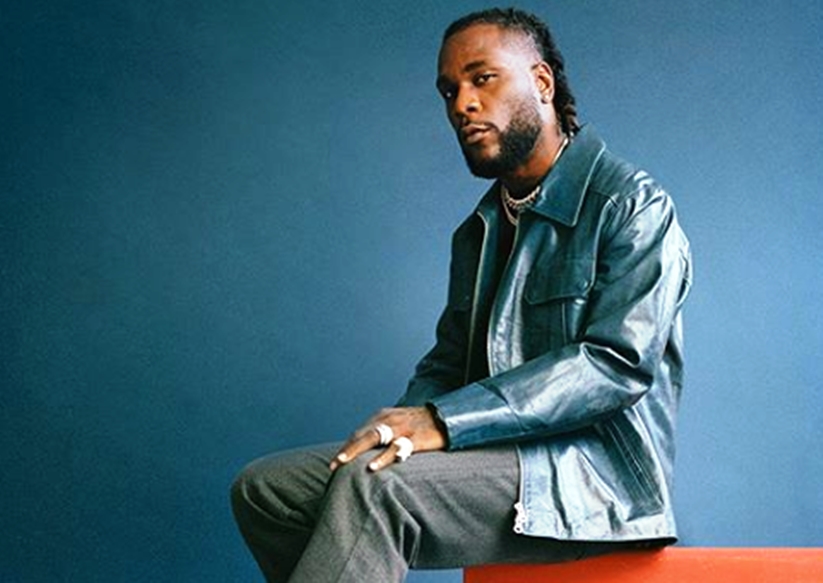
Davido, born David Adeleke, is one of Nigeria’s most globally recognised music stars and a leading figure in the rise of Afrobeats on the international stage. Since his breakout in the early 2010s, he has built a career defined by commercial success, global collaborations, and a large fanbase that cuts across Africa, Europe, and North America.
Beyond music, Davido comes from a prominent and influential family. He is the son of business magnate Adedeji Adeleke and a member of the Adeleke political dynasty in Osun State. His uncle, Ademola Adeleke, is the current governor of the state.
Davido’s proximity to politics is not only familial. He played an active and visible role during the Osun State governorship elections, campaigning publicly and mobilising support, particularly among young voters. His involvement strengthened perceptions that a future move into politics was not only possible but likely.
Against this backdrop, his recent comments take on added significance.
His Political Aspirations And The Shift

Davido has, over the years, been open about his interest in politics. This ambition appeared to align with both his family background and his increasing involvement in political campaigns. Also, in October 2025, Davido was appointed chairman of the Osun State Sports Trust Fund, aimed at upgrading sports infrastructure, including the Osogbo Township Stadium. But that political interest is now being reconsidered.
Speaking during a recent livestream on Twitch with streamer Davrel, Davido revealed that he is reassessing his plans to enter politics, noting that his perspective has changed after observing how the transition has played out for others.
He explained that while the ambition once felt natural, the realities of governance and the experiences of those who came before him have made the decision more complex. Rather than a sudden withdrawal, his position reflects a more cautious reassessment of what a move into politics would require and what it could cost.
At the centre of that rethink are two key concerns.
Reason 1: Concerns Over Celebrity Track Record
Davido pointed to what he sees as a pattern of limited success among celebrities who transition into politics, describing it as a major factor influencing his decision.
According to him, many public figures who moved from entertainment into governance have struggled to replicate their success, raising questions about how transferable celebrity influence really is in the political space.
In other words, visibility does not always translate into viability. Davido’s concern bothers on how while fame can command attention, it does not automatically translate into political effectiveness. In his words:
“Before, I wanted to go into politics but honestly now I see it two ways… The superstars that have gone into politics have not really had a successful transition.”
Reason 2: Protecting His Career and Legacy
Beyond performance in office, Davido also raised concerns about the personal cost of entering politics. He acknowledged that years of building a global brand, fanbase, and goodwill could be affected by the demands and scrutiny of political life. More importantly, politics could redefine his public identity.
Davido suggested that entering the space carries the risk of overshadowing his achievements in music, particularly in a climate where political participation is often polarising. The possibility of alienating sections of his audience is one he appears to be weighing carefully.
In his view, politics is not a part-time pursuit but a full-time commitment that requires total investment and readiness for its pressures. He said;
“…All my years of goodwill, my name and my career, all the hard work and the fan base we have built, it is tricky because of the way people look at things… I feel like if you are a politician, you are a politician. It is like it is their business.”
Conclusion

Davido’s decision to reconsider his political ambitions reflects a broader reality about the limits of celebrity influence in governance.
While his background, visibility, and family ties place him in a strong position to pursue public office, his recent remarks suggest a more guarded approach shaped by observation and not just ambition alone. By pointing to both the struggles of celebrity politicians and the potential cost to his own career, he frames politics as a space that demands more than popularity.
For now, Davido appears content to maintain his influence outside formal political structures, where his voice continues to carry weight without the constraints of office.
Whether this marks a permanent shift or a pause remains unclear. What is clear, however, is that his rethink underscores a growing awareness of the gap between public appeal and political responsibility in Nigeria.