Nigerian former professional footballer John Obi Mikel turns 39 today, April 22, 2026. Born in Jos, Plateau State, he began his journey at just 12 years old, when he was selected from over 3,000 young talents to join the Pepsi Football Academy.
Away from football, he shares a long-term partnership with Olga Diyachenko and is a devoted father of four. Twin daughters with Olga, and another two from a previous relationship.
As he clocks 39, here are 10 defining moments that shaped his journey.
1 The “Mikel” Mistake
John Obi Mikel was not always called “Mikel.” He was born John Michael Nchekwube Obinna. In 2003, during the FIFA U-17 World Championship, the Nigerian Football Association made a mistake and wrote his name as “Mikel.” He liked how it sounded and kept using it. Years later, in 2016, he officially changed his name to Mikel John Obi so it would match the name the world already knew him by.
2 A Silver Ball Duel with Messi
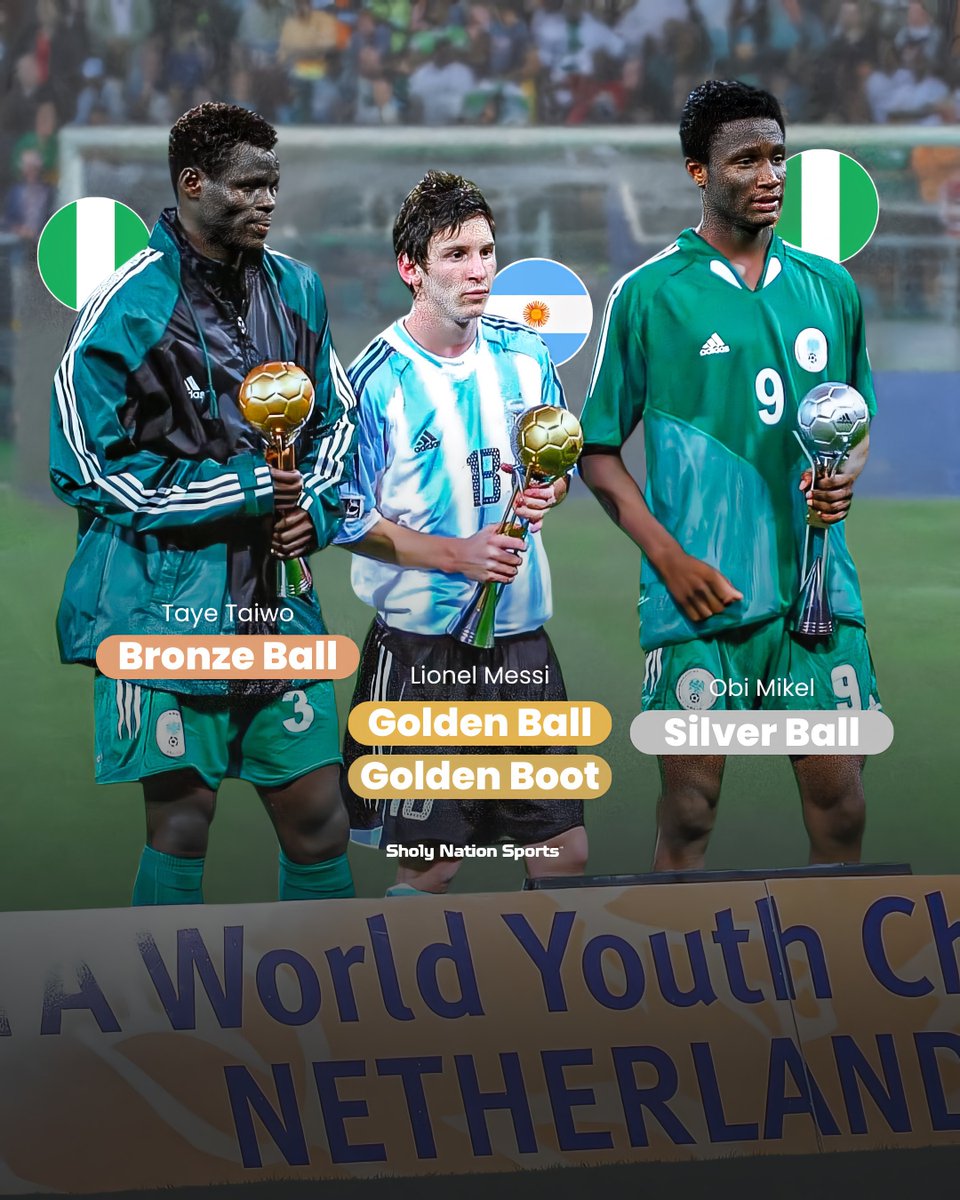
At the 2005 FIFA World Youth Championship, John Obi Mikel had one of the best performances of his young career. He led Nigeria to the final and was named the second-best player of the tournament, winning the Silver Ball. He finished just behind Lionel Messi, who won the Golden Ball.
That tournament marked the start of a long football rivalry between the two stars.
3 The Most Decorated Nigerian at Chelsea
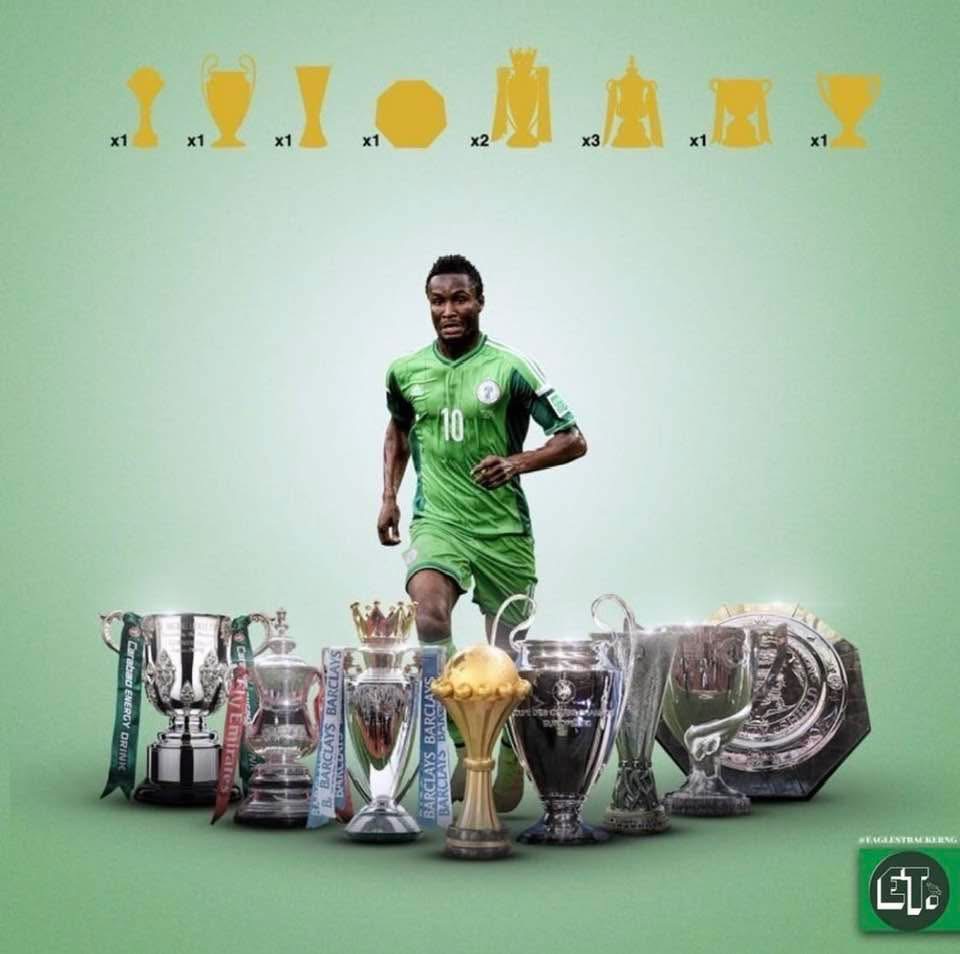
John Obi Mikel is one of the most successful Nigerian players to ever play for Chelsea FC. He spent 11 years at the club, from 2006 to 2017, and became a key part of their most successful era.
During that time, he won nine major trophies. The biggest was the UEFA Champions League Final 2012, where he played the full 120 minutes in the final against Bayern Munich. It remains one of the best performances of his career.
He also won two Premier League titles, four FA Cups, the Europa League, and two League Cups. Across 372 appearances, Mikel proved himself as a reliable and consistent player.
One of his biggest strengths was his staying power. Chelsea changed managers many times during his career, but he remained in the team and was never sent out on loan. Each coach trusted him because of his discipline and understanding of the game.
When he first arrived, many expected him to play as an attacking midfielder. But under José Mourinho, he was moved into a deeper role. He became a defensive midfielder, protecting the back line and allowing attacking players like Frank Lampard and Michael Ballack to shine.
By the time he left in 2017, Mikel had played over 300 games for Chelsea and was widely seen as one of the club’s most dependable players.
4 Olympic Heroism
In 2016, John Obi Mikel made a big decision that showed his loyalty to Nigeria. He chose to play at the Rio Olympics, even though his club manager at Chelsea FC, Antonio Conte, warned that he could lose his place in the team.
Mikel did not back down. As captain of Nigeria’s Olympic team, he felt it was his duty to lead the squad. He later said he could not turn his back on his country.
The team faced serious problems in Brazil, including money and travel issues. Mikel stepped in and helped pay for some of the team’s expenses, including flights and hotel bills. His leadership kept the team together during a difficult time.
On the pitch, he led by example. He played every match and helped Nigeria win a bronze medal, the country’s only medal at the Games.
But when he returned to Chelsea, things changed. He was no longer part of the manager’s plans and did not play during the 2016/17 season. A few months later, he left the club.
In the end, Mikel’s Olympic decision showed his commitment to Nigeria, even though it came at a cost to his club career.
5 Courage Under Pressure
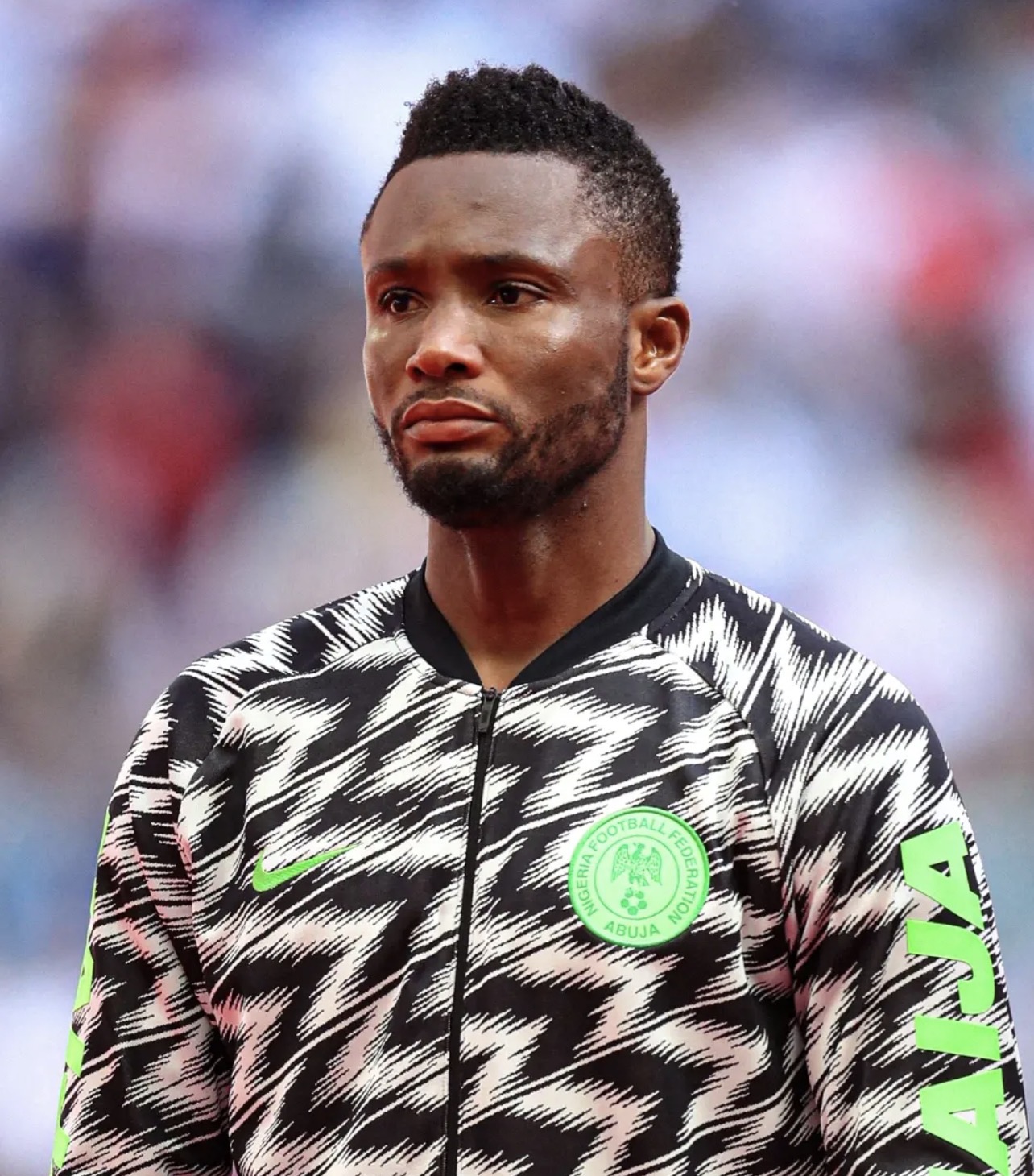
John Obi Mikel showed incredible strength during two very difficult moments in his life. On both occasions, he played important matches while knowing his father had been kidnapped in Nigeria.
In 2011, while playing for Chelsea FC, Mikel found out his father had been abducted in Jos. Even with the pressure and a ransom demand, he still went ahead to play against Stoke City. He stayed focused on the game and only spoke about the situation after. His father was later released.
The same thing happened again in 2018, just hours before Nigeria’s World Cup match against Argentina. Mikel was told about the kidnapping on the team bus. He was also warned not to tell anyone. Despite that, he played the full match against Argentina national football team.
Nigeria lost 2–1, and it was only after the game that Mikel revealed what he had been going through. His father was rescued about a week later.
These moments showed just how strong and focused Mikel was, even under extreme pressure.
6 The Unusual Goal Drought: Quality Over Quantity
John Obi Mikel was not known for scoring goals during his time at Chelsea FC. In 372 matches, he scored only six goals.
It even took him seven years to score in the Premier League. His only league goal came in 2013 against Fulham. When it finally happened, his teammates and the fans celebrated wildly because it was so rare. Fans often joked about it. Anytime Mikel got close to the opponent’s box, people would shout “shoot!” because goals from him were so uncommon.
The reason was simple. His job was not to score. He played as a defensive midfielder, focused on winning the ball and protecting the defence. Managers like José Mourinho told him to stay back and let attacking players handle the goals.
7 The “12” Connection: A Number That Stuck
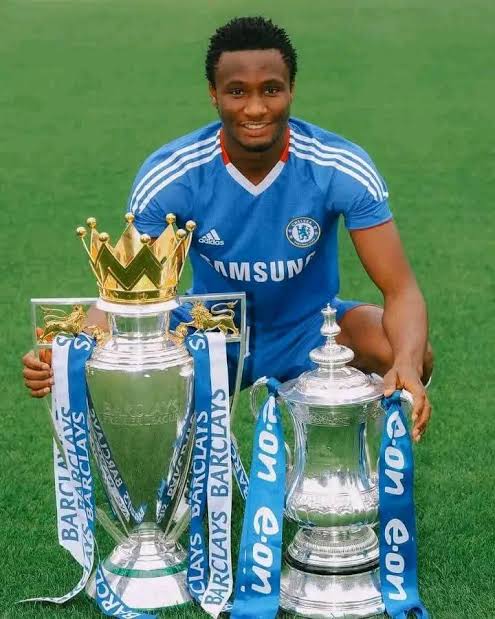
Mikel’s career at Chelsea also had a unique link to the number 12. He wore the number 12 shirt throughout his time at the club, and it became strongly associated with him.
His biggest career moment, the UEFA Champions League win, came in 2012, a year that fans will never forget. By the time he left the club, he had won a total of 12 trophies, including major and minor honours.
Because of this, many Chelsea fans still connect the number 12 with Mikel, seeing him as one of the most memorable players to ever wear it.
8 National Team Stalwart: The Heart of the Super Eagles
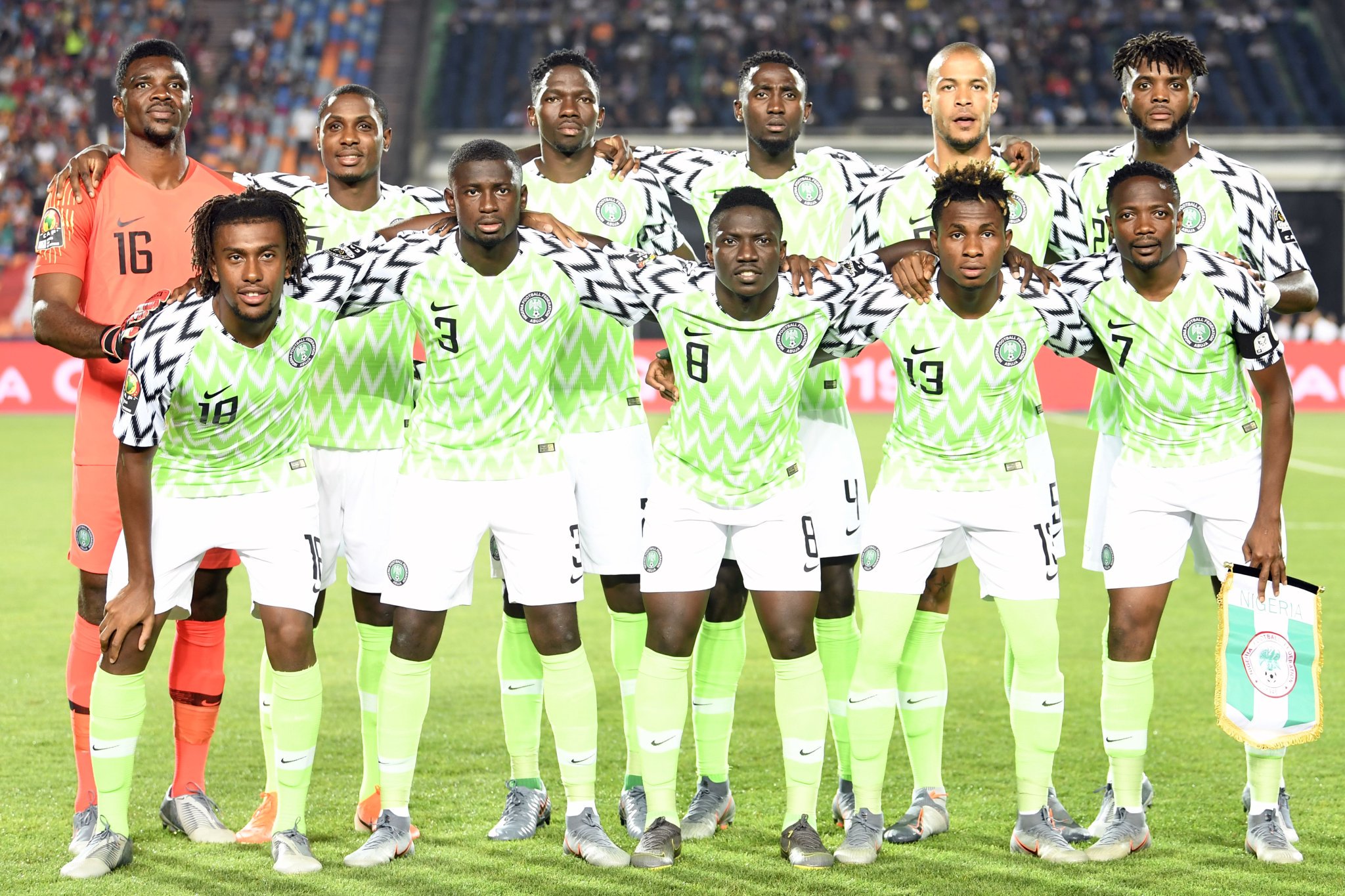
John Obi Mikel was a key player for Nigeria for many years. While he played a more defensive role at club level, he was a leader and star for the national team.
He made 91 appearances for the Nigeria national football team between 2005 and 2019, showing great consistency over 14 years.
His biggest moment came in 2013, when he captained Nigeria to win the Africa Cup of Nations. It was the country’s third AFCON title and ended a long wait for a major trophy.
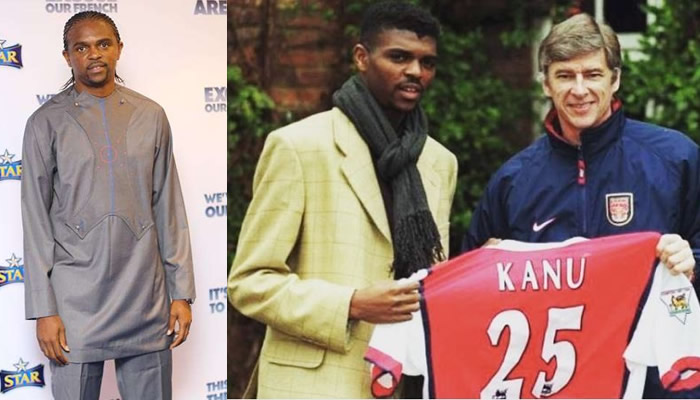
For Nigeria, Mikel played a more attacking role, which allowed him to show his creativity and skill. He helped connect different generations of players, linking past stars like Nwankwo Kanu and Jay-Jay Okocha to newer talents like Victor Osimhen and Alex Iwobi.
9 The “Silent Warrior”: Survival of the Fittest

John Obi Mikel was sometimes criticised for playing too safe, but his understanding of the game made him very important at Chelsea FC.
He was known for his strong positioning and calm style. While some fans joked about his sideways passes, his managers trusted him to control games, keep possession, and protect the defence.
Mikel also showed incredible staying power. From 2006 to 2017, he stayed at Chelsea through 22 transfer windows without being loaned or sold. This was rare, especially for a foreign player at the club.
Even when new midfielders like Michael Ballack, Cesc Fàbregas, and Nemanja Matić joined, Mikel still found his place in the team, especially in big matches.
Off the pitch, he kept a low profile and stayed out of trouble. His professionalism earned him respect from teammates like John Terry and Frank Lampard.
In the end, Mikel proved that you don’t always need to be flashy to be valuable, you just need to be dependable.
10 Post-Football: The “Obi One” Podcast
Today, John Obi Mikel has become a strong voice in football media after retiring from the game in 2022.
He now runs The Obi One Podcast, where he shares real stories from his playing days. The podcast has grown quickly and features top football names like José Mourinho, Petr Čech, and Eden Hazard.
Mikel is known for being very honest. He speaks openly about football issues, gives his opinions on players, and is not afraid to say what he thinks. His direct style has made many of his comments go viral.
Beyond the podcast, he also appears at major football events linked to FIFA and CAF, where he works as an ambassador and expert.
Even after football, Mikel has stayed active and influential in the game.
Conclusion
John Obi Mikel built his legacy on more than trophies. He earned respect through discipline, sacrifice, and consistency.
At 39, he is no longer just a former player. He is a strong voice in football, using his platform to share his story and shape conversations.
Happy 39th birthday to Mikel Obi, a true symbol of resilience and impact.