The conversation around artiste development inside major music labels has always carried emotion, speculation, loyalty clashes, and sharp opinions from fans who feel deeply attached to the careers of their favorite stars. When Mavin Records is mentioned in this debate, the discussion often grows louder because of its visible success stories sitting beside quieter names that rarely dominate headlines. Over time, a recurring narrative has formed online suggesting that some artistes within the label are being sidelined while attention appears concentrated on a select few.
At the center of the response to this narrative is Mavin Records led by Don Jazzy whose explanations consistently challenge how fans interpret silence, timing, and visibility in the music industry. The tension between perception and structure sits at the heart of this story, shaping how audiences interpret every release gap, every promotional push, and every viral moment connected to the label.
Background of Mavin Records – structure, evolution
The foundation of Mavin Records in 2012 marked a turning point in the Nigerian music ecosystem, especially after the transition from Mo Hits Records into a new operational identity built around structure and long term development. From its early days, the label positioned itself not as a rapid release factory but as a system built to nurture talent across different stages of growth. Over the years, it expanded its roster to include artists who would later define different eras of Afrobeats and alternative pop movements within Africa. The structure that emerged was not random but carefully layered, with artists assigned different levels of visibility depending on timing, readiness, and market strategy. This model gradually shaped public perception, especially when some names rose rapidly into global attention while others maintained quieter but steady development paths within the same ecosystem.
The evolution of the label also reflects a broader shift in how modern music companies operate in a global streaming economy. Rather than pushing every artist simultaneously, attention is distributed strategically to maximize impact, build momentum, and sustain long term relevance across multiple markets. This approach has been both praised and criticized, depending on how fans interpret the absence or presence of frequent releases from specific artistes. Over time, the contrast between highly visible stars and less frequently promoted acts became the foundation of the so called neglect narrative.
Origin of neglect narrative – social media dynamics
The idea of artiste neglect within Mavin Records did not emerge from official statements or internal confirmation but from repeated patterns observed by fans across digital platforms. Social media plays a central role in shaping this perception because visibility is often mistaken for activity, and silence is often interpreted as abandonment. When certain artistes go for extended periods without mainstream releases, discussions begin to surface questioning whether the label has shifted focus away from them. These conversations intensify when breakout stars dominate global charts, creating an impression that attention is unevenly distributed.
The narrative gains further traction during moments when fans compare artistes within the same label rather than evaluating them as separate development projects. A single viral success can unintentionally overshadow multiple ongoing efforts happening behind the scenes, especially when those efforts are not immediately visible to the public. Over time, this comparison driven culture transforms routine strategic planning into perceived neglect, even when no official indication supports such claims. The conversation becomes less about facts and more about emotional interpretation shaped by digital engagement patterns.
Don Jazzy’s position

The response from Don Jazzy has remained consistent across interviews, social interactions, and public commentary. His position centers on the idea that Mavin Records operates on structured development cycles rather than uniform visibility for all artistes at the same time. According to his explanation, each artiste is placed within a specific phase of growth that determines when they are actively pushed into the spotlight and when they are allowed to develop quietly. This approach is presented as intentional rather than reactive, designed to ensure sustainability rather than short lived attention spikes.
His communication style often emphasizes long term thinking, where music careers are treated as gradual constructions rather than instant success stories. He has repeatedly highlighted that not every artiste is meant to dominate headlines simultaneously, as such an approach would dilute focus and reduce the effectiveness of promotional campaigns. Instead, resources are rotated strategically to ensure that when an artiste is eventually pushed, the impact is significant enough to sustain global attention. This framing directly challenges the assumption that silence equals neglect, repositioning it instead as part of a larger developmental timeline.
Artist development pipeline: internal structure
The internal structure of Mavin Records reflects a layered pipeline where artistes are categorized based on readiness, market positioning, and artistic evolution. New signees typically undergo a development phase that may include vocal refinement, branding alignment, and gradual introduction into mainstream visibility. This phase is not always publicly visible, which contributes to external assumptions that nothing is happening during periods of low output. However, within the label structure, these periods are often treated as critical building blocks for future success.
Mid stage artistes operate within a different cycle where they begin transitioning from internal development into more visible market engagement. At this stage, release timing becomes more strategic, focusing on positioning rather than constant output. Established stars within the label, including those with global reach, operate on yet another cycle where releases are carefully aligned with international campaigns, collaborations, and touring schedules. This multi tier system naturally creates uneven visibility, which is often misinterpreted externally as imbalance or neglect.
Spotlight distribution – breakout cycles
Spotlight distribution within the label follows a rotational logic that prioritizes impact over equality of exposure. Rather than attempting to maintain equal attention across all artistes at all times, the system concentrates promotional energy on select projects that are deemed ready for maximum market penetration. This explains why certain artistes experience intense periods of visibility followed by quieter phases, while others gradually build recognition over longer timelines.
Breakout cycles are particularly influential in shaping public perception. When an artiste achieves a major global hit, attention becomes heavily concentrated on that success, often overshadowing other ongoing projects within the same label. This concentration effect creates a visibility gap that fans sometimes interpret as neglect, even though internal planning may still be active for other artistes. The cycle continues as new breakout moments shift attention again, reinforcing a pattern of uneven public visibility that is structurally intentional but emotionally misunderstood.
Case examples: Rema, Ayra Starr, Johnny Drille, Ladipoe, Magixx, Bayanni, Boy Spyce
The careers of artistes such as Rema and Ayra Starr illustrate how breakout success can redefine global perception of an entire label. Their international recognition created a spotlight effect that significantly elevated the visibility of Mavin Records as a whole. At the same time, artistes like Johnny Drille and Ladipoe continued operating within more consistent but less globally amplified cycles, reflecting different artistic directions rather than unequal value.
Other artistes such as Magixx, Bayanni, and Boy Spyce represent newer layers of the development pipeline, where visibility is still being carefully built. Their slower public exposure often fuels online debates, but within the label structure, these phases are typically treated as foundational rather than neglectful. Each artist occupies a distinct position within the broader strategy, which explains why their public presence varies significantly at different points in time.
Crayon’s controversial exit, unanswered questions
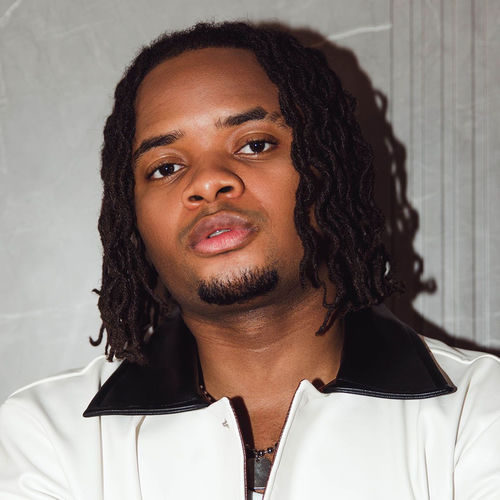
One of the strongest examples critics use while discussing alleged artiste neglect at Mavin Records is the controversial departure of Crayon from the label’s active spotlight phase, a situation that sparked heated conversations across social media spaces between 2023 through 2025. While the label never publicly framed the situation as conflict, many fans believed Crayon’s career momentum slowed at a time when expectations around his growth were extremely high.
Those conversations became even louder because several listeners felt he possessed the talent, sound, consistency, and charisma needed to compete heavily within the Afrobeats mainstream space, yet his visibility often appeared inconsistent compared to some of his label mates.
Crayon’s journey inside Mavin Records had actually started with strong promise after he was unveiled officially in 2019 under Blowtime Entertainment, a subsidiary linked with the larger Mavin structure. Songs like So Fine, Ijo Labalaba, Too Correct, alongside collaborations with bigger names within the ecosystem, positioned him as one of the promising voices expected to dominate younger Afrobeats audiences. Expectations became even bigger after the commercial success of his 2022 hit Overloading featuring Ayra Starr, Magixx, and Boy Spyce. The song created the image of a united next generation movement within Mavin, causing many fans to assume each artiste involved would immediately transition into heavier mainstream dominance.
Things became more complicated when Crayon himself openly discussed struggles connected to depression, financial pressure, career uncertainty, and emotional frustration during different interviews released around 2023. Those revelations changed public perception because many listeners began connecting his emotional disclosures to wider assumptions about how artistes are managed within major labels.
The controversy surrounding Crayon took a far more serious turn in March 2026 when the singer publicly exploded online with a series of emotional accusations directed at Don Jazzy, senior executives within Mavin Records, alongside people around the label’s structure. What had previously been fan speculation about artiste neglect suddenly became a full blown public controversy after screenshots of Crayon’s deleted posts flooded Nigerian social media spaces. The situation immediately shifted from quiet assumptions about uneven promotion into direct allegations involving money, emotional pain, delayed payments, favoritism, career suppression, and personal loss.
One of the strongest accusations linked to Crayon’s outburst involved claims that he was denied proper financial compensation despite the massive success associated with projects tied to the label. Several reports quoted him alleging that huge amounts of money had been generated while he allegedly received little or nothing in return. The most viral line connected to the controversy was the statement claiming people around the label had allegedly collected “200 million dollars” without giving him “shishi.” Although the exact financial context was never officially clarified, social media users quickly connected the accusation to discussions around royalties, streaming revenue, catalog earnings, and internal payment structures within the label.
The controversy became even darker after Crayon allegedly connected his mother’s death to the emotional pain and frustration he claimed to have experienced around the situation. In several widely circulated screenshots, he accused unnamed figures connected to the label of contributing to circumstances surrounding his suffering. Those statements shocked many people online because the language was raw, emotional, unstable, and deeply personal. While no evidence was publicly provided to support the accusation, the emotional weight behind the statement intensified public attention around the story.
Another explosive part of the controversy involved accusations of favoritism inside the Mavin structure. Though Crayon never released a formal detailed breakdown, several reports connected his frustration to feelings of being overshadowed within the label system, especially during the global rise of Rema and Ayra Starr. Some of his posts allegedly hinted at resentment over losing his “star” or shine while others around him continued dominating international conversations. That accusation fed directly into the long running online debate about whether Mavin strategically prioritizes breakout acts while leaving others struggling for visibility.
Crayon also reportedly directed harsh criticism toward Mavin executive Tega Oghenejobo, referring to him with aggressive language that immediately went viral across entertainment blogs. Those posts fueled rumors that tension inside the label had been building privately for a long time before exploding publicly. Around the same period, online speculation intensified after Crayon began promoting a new direction connected to “Olodum Entertainment,” causing many fans to believe he was preparing to separate fully from the Mavin structure.
Industry comparison global label practice
Across global music industries, uneven visibility is a common feature of multi artist labels. Major companies rarely promote all signed artistes simultaneously, as marketing resources are typically concentrated around select projects that align with current market opportunities. This approach ensures that each push receives sufficient attention to break through competitive noise. As a result, some artistes naturally experience periods of lower visibility, not because they are ignored, but because they are not currently positioned for active campaigns.
This model is not unique to Mavin Records but reflects a broader industry standard where timing, audience readiness, and commercial forecasting determine promotional focus. The difference lies in how audiences interpret these cycles, especially in environments where social media amplifies expectations of constant activity. What appears as imbalance from a fan perspective is often a structured rotation from an industry perspective.
Why perception persists digital culture
Digital culture plays a major role in sustaining the neglect narrative because visibility on social platforms is often mistaken for relevance. When artistes are not frequently trending, audiences assume inactivity, even when internal work is ongoing. The speed of online discourse also means that comparisons are made instantly, without consideration for strategic timing or development phases. This creates a gap between internal operations and external perception.
Fan communities also contribute to this perception by prioritizing emotional connection over structural understanding. When an artiste is less visible, supporters naturally feel concerned, leading to discussions that reinforce the idea of neglect. Over time, these conversations build momentum, shaping a collective narrative that becomes difficult to counter even with consistent explanations from the label.
Timeline sequence key moments – 2012 2019 2021 2023 2026
The timeline of Mavin Records provides context for understanding how its structure evolved over time. The year 2012 marked the official establishment of the label, setting the foundation for a new era of structured artist development. By 2019, the emergence of Rema signaled a shift toward global positioning, with younger artistes being introduced into international conversations earlier in their careers. The period around 2021 highlighted Ayra Starr’s rise, further strengthening the label’s global visibility and reinforcing its reputation for developing breakout stars.

By 2023, the expansion of the roster with artistes like Bayanni and Boy Spyce reflected continued investment in long term talent pipelines. Moving into 2026, discussions around artiste visibility have intensified again, particularly as audiences reassess how different careers have progressed within the same system. Each phase in this timeline demonstrates a consistent pattern of strategic rotation rather than uniform exposure, which remains central to Don Jazzy’s explanation of how the label operates.
Critical evaluation of Don Jazzy response
A critical examination of Don Jazzy’s response reveals both clarity and complexity in how artiste development is framed within Mavin Records. On one hand, the explanation of structured cycles aligns closely with global industry practices, where not all artistes receive equal promotional focus at all times. The logic of phased development, strategic timing, and spotlight rotation provides a coherent framework for understanding uneven visibility. It also reflects a realistic approach to managing a diverse roster in a competitive music environment.
On the other hand, the challenge lies in communication gaps between internal strategy and public interpretation. While the structure may be logical from a business standpoint, it does not always translate clearly to audiences who measure success through frequency of releases and social media presence. This gap creates space for recurring narratives of neglect, even when the underlying system is functioning as intended. The strength of Don Jazzy’s response lies in consistency, but its limitation lies in how difficult it is to fully reshape perception in a digital culture driven by immediacy.
Leaving With This
The debate around artiste neglect at Mavin Records continues to reflect a broader tension between structured music business strategy and emotionally driven audience perception. While Don Jazzy’s explanations consistently point toward intentional development cycles, the public response shows how visibility often outweighs explanation in shaping opinion. The reality sits between both sides, where strategic planning determines timing, but audience interpretation determines narrative strength.
Understanding this dynamic requires looking beyond surface level activity and recognizing that silence in music promotion does not always indicate absence of progress. Within the framework of Mavin Records, visibility is distributed, not denied, and development is paced, not paused. The conversation ultimately reveals more about how modern audiences consume music careers than it does about neglect itself, leaving the debate open, ongoing, and deeply tied to how success is perceived in the digital age.