
Across early 2026 literary preview cycles, a quiet but powerful pattern began to take shape as Nigerian novels repeatedly surfaced in international lists tagged as most anticipated releases of the year, not as isolated mentions but as consistent entries across publisher catalogs, literary blogs, and reader driven platforms that track upcoming fiction interest. What makes this moment striking is not simply the presence of Nigerian authors, but the way their work is being positioned as central to global reading conversations rather than peripheral additions to them.
These books are not being framed as regional curiosities, instead they are being treated as essential voices in contemporary fiction, carrying narratives that feel rooted in lived Nigerian realities while simultaneously resonating with global emotional and social experiences. As early 2026 unfolded, especially around April 2026 and May 2026 preview discussions, a clearer question began to emerge beneath the excitement, what exactly gives these stories their dual identity of being deeply local while also widely global in appeal, and why are they consistently standing out in a crowded international publishing calendar.
Rising attention in global literary previews 2026
During the first quarter of 2026, publishing circles in the United Kingdom, the United States, and select global literary platforms began releasing structured previews of fiction expected to dominate readership discussions throughout the year. These previews often rely on publisher submissions, early review copies, and industry forecasting based on author reputation and thematic relevance. Within this cycle, Nigerian authors appeared with unusual frequency, not as background mentions but as highlighted entries in curated lists that also included established global names. By April 2026, this trend had strengthened, with multiple catalog updates pointing to Nigerian literary fiction as a strong market driver for contemporary storytelling interest. The repetition itself became significant because it reflected more than editorial preference, it indicated sustained anticipation shaped by previous reader engagement patterns and strong publishing confidence in these authors.
What stands out in this phase is how Nigerian fiction is no longer introduced as emerging literature needing validation, but rather as already validated creative output that now enters anticipation cycles much like established Western literary figures. The anticipation surrounding these works is tied closely to reputation momentum built over years of consistent output, award recognition, and international readership expansion. This shift marks a structural change in how global literature systems categorize Nigerian storytelling within the broader fiction landscape.
Chika Unigwe’s Grace narrative anticipation
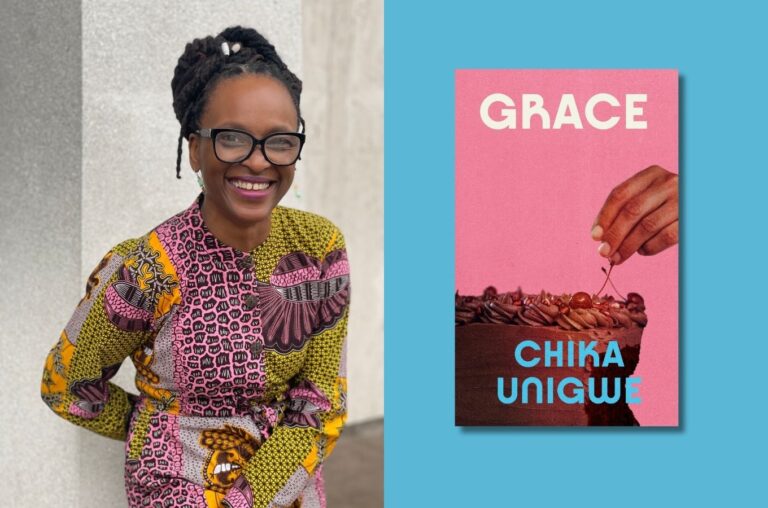
Chika Unigwe occupies a distinctive place in this 2026 literary attention cycle, particularly with the mention of her novel Grace across preview lists. Known for her long standing engagement with themes such as migration, identity formation, gendered experience, and displacement, her work has historically attracted critical attention in both African and European literary spaces. By early 2026, Grace began appearing in anticipation listings that emphasize emotionally layered literary fiction with cross cultural relevance.
The anticipation around this work is not rooted in plot revelation but in authorial continuity, where readers and publishers expect thematic depth that engages with the complexities of movement between worlds, both physical and psychological. Unigwe’s established readership in diaspora communities contributes to this anticipation, but what expands its reach is how her storytelling consistently avoids narrow framing, instead constructing narratives that reflect universal emotional tensions.
By April 2026, discussions around Grace positioned it as part of a broader literary expectation that Nigerian fiction continues to deliver emotionally intelligent storytelling capable of engaging global audiences without losing cultural specificity.
Damilare Kuku’s Lagos scandal fiction wave

Damilare Kuku represents another dimension of this literary moment, particularly through the visibility of ‘Women Rent Men and Secrets Here’ in 2026 preview conversations. The novel has been associated with narrative structures that blend social commentary with high tension interpersonal drama, often situated within urban Lagos environments where class, relationships, and reputation intersect in complex ways. By July 2026, the expected release window placed the book firmly within mid year anticipation cycles, intensifying early interest.
What makes this work particularly notable in global previews is its thematic alignment with contemporary reader fascination for scandal driven narratives that also offer social critique. The Lagos setting becomes more than backdrop, functioning instead as an active social ecosystem where secrecy, ambition, and relational politics shape everyday decisions. Following the success of ‘Nearly All the Men in Lagos Are Mad’, Kuku’s readership expanded beyond Nigerian audiences, creating international curiosity around her narrative style. This curiosity is not driven solely by sensational themes but by the way she constructs social environments that feel both specific and widely recognizable.
Elnathan John satire identity exploration

Elnathan John brings a different tonal energy into the 2026 anticipation landscape, particularly with ‘Hassan and Hassana Share Everything’ appearing in preview discussions. Known for satire and politically aware storytelling, John’s work often engages with identity formation, moral contradiction, and social systems through layered irony. By early 2026, literary platforms referencing his upcoming work emphasized its conceptual originality and thematic unpredictability.
The anticipation surrounding his writing is deeply connected to his established reputation for challenging narrative expectations. Previous works such as Becoming Nigerian positioned him as a voice capable of blending humor, critique, and philosophical questioning in ways that resonate across different readership cultures. His inclusion in most anticipated lists reflects not only author reputation but also the increasing global appetite for fiction that interrogates social structures without presenting simplified moral conclusions.
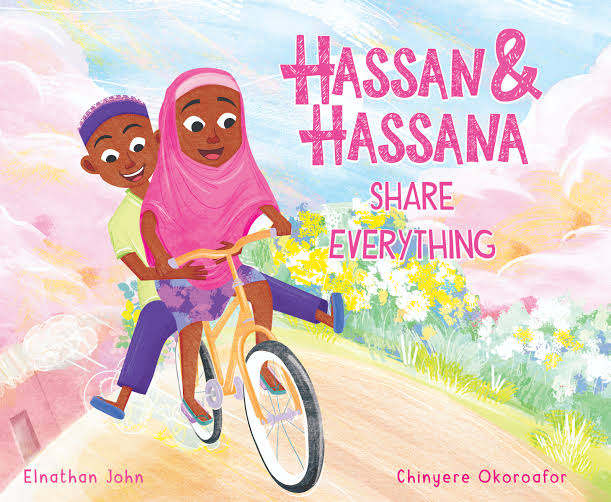
By May 2026, his work was frequently described as intellectually engaging fiction that invites reflection rather than passive consumption.
Publishing circuits UK, US influence
The increasing presence of Nigerian novels in 2026 anticipation lists is closely tied to publishing ecosystems in the United Kingdom and the United States, where acquisition trends have shifted toward more globally diverse storytelling portfolios. Major publishing houses such as Simon and Schuster have played a role in amplifying African literary voices through broader distribution networks and international marketing structures. This institutional support contributes significantly to how books gain early visibility months before release.
By April 10 2026, when Europe’s Entry Exit System implementation was widely discussed in travel contexts, a parallel shift was occurring in publishing logistics, where manuscript circulation, early reader distribution, and rights acquisition cycles were becoming more globally synchronized. This synchronization allows Nigerian authors to enter anticipation pipelines earlier and remain visible for longer periods before official publication. The result is a structured visibility system that elevates Nigerian fiction into global literary consciousness in a sustained rather than episodic manner.
Digital reading culture 2026 momentum
Digital platforms have played a central role in shaping how anticipation is built around books in 2026. Reader communities on global platforms increasingly rely on algorithm driven recommendation systems, curated lists, and early review ecosystems that highlight upcoming releases based on engagement patterns rather than geography. Nigerian novels benefit from this system because their themes often generate strong emotional engagement, leading to increased sharing and discussion across digital reading spaces.
The growth of digital reading culture also means that anticipation is no longer controlled solely by traditional publishers. Readers actively participate in shaping visibility through lists, discussions, and early reactions to excerpts or author interviews. This participatory culture amplifies Nigerian fiction because its narratives often intersect with themes that resonate widely, including migration experiences, urban survival, identity negotiation, and generational change. By May 2026, Nigerian titles were consistently appearing in reader generated anticipation lists alongside globally recognized literary works.
Lagos as narrative ecosystem
Lagos continues to function as a powerful narrative environment within Nigerian fiction, offering a setting that embodies density, contradiction, and constant motion. Many of the 2026 anticipated novels draw from this environment either directly or thematically, using it as a lens through which broader social dynamics are explored. The city’s scale and intensity allow writers to construct stories where personal decisions are inseparable from larger societal pressures.
Within global literary interpretation, Lagos is often read not simply as a location but as a symbolic space where modern African urban life is continuously negotiated. This interpretation enhances the global appeal of Nigerian fiction because it presents readers with an environment that feels both specific and adaptable to broader urban experiences worldwide. The result is a storytelling framework that remains rooted while expanding outward in meaning.
Theme convergence identity gender migration
A key reason Nigerian novels continue to appear in 2026 anticipation lists is the convergence of recurring themes that align with global reader interests. Identity formation remains central, often explored through characters navigating multiple cultural expectations or shifting personal realities. Gender dynamics also play a significant role, particularly in narratives that examine relational power structures and societal expectations.
Migration continues to function as both literal and symbolic theme, reflecting movement between places, roles, and emotional states. These thematic threads intersect across multiple Nigerian works, creating a recognizable literary signature that readers associate with depth and emotional realism. By early 2026, these converging themes had become a defining feature of how Nigerian fiction is described in global literary commentary.
Why international readers connect
International readership engagement with Nigerian fiction is driven by emotional relatability rather than cultural familiarity alone. Readers encounter characters whose struggles reflect universal tensions such as belonging, ambition, secrecy, and transformation. The specificity of Nigerian settings does not limit accessibility, instead it enhances authenticity, allowing readers to engage with stories that feel grounded and emotionally credible.
Another factor lies in narrative structure, where many Nigerian authors balance storytelling intensity with reflective depth, creating reading experiences that are both engaging and intellectually stimulating. This balance appeals to global audiences seeking fiction that offers more than entertainment value. By May 2026, reader discussions increasingly highlighted emotional honesty and narrative complexity as key reasons for continued interest.
Future of Nigerian literary fiction
The sustained visibility of Nigerian novels in 2026 anticipation cycles suggests a long term structural shift rather than a temporary trend. As publishing ecosystems continue to globalize, Nigerian fiction is positioned to occupy an increasingly central role in contemporary literary discourse. The combination of strong authorial voices, thematic relevance, and institutional publishing support creates conditions for continued international recognition.
Looking forward, the trajectory points toward deeper integration of Nigerian storytelling within global literary frameworks, where local voice does not compete with global appeal but strengthens it. What is emerging is a literary space where Nigerian authors are not adapting to global expectations but actively shaping them through narratives that remain grounded in lived experience while expanding into universal emotional landscapes.