In Nigeria, marriage has never been purely a private arrangement between two people. It is a contract between families, a cultural handshake, and in many communities, a statement of identity. When a Nigerian man chooses a wife, the question of where she comes from carries real weight. The pull toward marrying within one’s ethnic group is not simply sentiment or stubbornness. It reflects something older and more structural: a system in which shared customs, shared language, and shared social expectations are seen as the foundation of a stable home.
This preference is not universal, nor is it absolute. Urban migration, university education, and the rhythms of modern Lagos life have created many cross-ethnic marriages that work well. But the pattern remains strong across the country, particularly in rural communities and among families where traditional authority still shapes major decisions. Understanding why requires looking at what marriage actually means in the Nigerian cultural context.
Why Nigerian Men Prefer Marrying Women From Their Ethnic Group
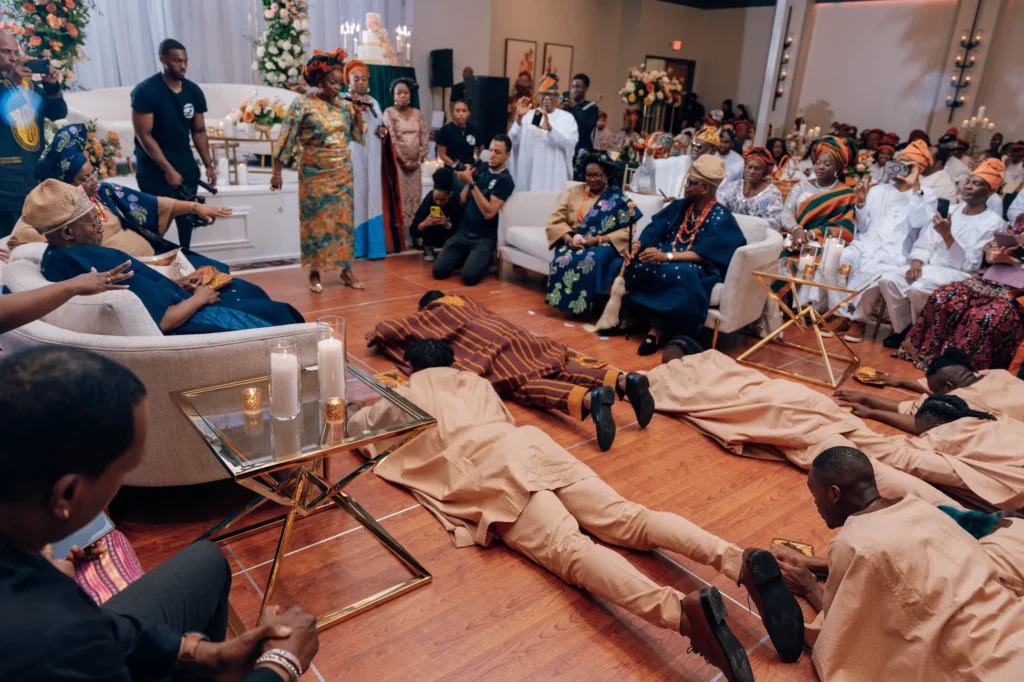
When Nigerian men prefer marrying within their ethnic group, the reasons are rarely simple prejudice. Across the Yoruba, Igbo, Hausa-Fulani, and the hundreds of smaller ethnic communities that make up Nigeria’s social fabric, this preference is anchored in practical and cultural logic that has been passed down across generations. Understanding why Nigerian men prefer marrying women from their ethnic group means tracing that logic through the marriage process itself.
Marriage Is a Family Affair, Not a Personal One
The most important thing to understand about Nigerian marriage is that it rarely begins or ends with two people. It begins with families. A man who wants to marry introduces his family to the woman’s family, and from that point, the arrangement involves negotiations, community witnesses, the payment of bride price, and a public ceremony. This is not merely ceremony; it carries legal weight. Under Nigerian customary law, a marriage is only valid when both families have participated and the bride price has been paid and accepted.
When a man brings home a woman from a different ethnic group, this process becomes significantly more complicated. Bride price protocols differ by community. The items required, the sequence of events, the role of particular elders, and the specific ceremonies that must occur before a woman is considered properly married—all of these vary not just between major groups like the Yoruba and Igbo, but sometimes between communities within the same ethnic group. A man marrying within his own ethnic tradition knows exactly what is expected, and so does his family. He understands the process. The woman’s family understands what is being offered and what it means. That shared framework reduces misunderstanding and conflict at what is already a high-stakes moment for two families.
Language and Daily Life Inside the Home
Much of what holds a marriage together happens in ordinary domestic moments, and language shapes those moments in ways that are easy to underestimate. In many Nigerian households, particularly outside Lagos and Abuja, parents speak their native language at home. Elders visit and expect to be addressed properly. Prayers, blessings, and important conversations happen in the mother tongue. Children are taught proverbs, names carry meaning, and the texture of daily life is woven through with linguistic and cultural shorthand that cannot be easily translated.
A woman who enters a marriage without fluency in her husband’s language faces an immediate and sustained disadvantage. She may struggle to communicate with his mother. She may not understand what the elders are saying at a gathering. She may inadvertently offend with a word or fail to observe a custom she was never taught. None of this makes cross-ethnic marriage impossible, but it creates friction that takes real effort to manage. Many Nigerian men, particularly those from communities where the mother tongue is central to family life, anticipate this friction and prefer to avoid it by marrying someone who already shares that linguistic world.
Family Acceptance and the Pressure Parents Apply
In Nigerian family structures, parental approval of a marriage partner carries weight that is hard to overstate. This is not merely emotional preference. In many communities, a marriage that proceeds against parental wishes risks losing the family’s financial support, the blessing of elders, and the community recognition that makes the union socially real. A man who marries without his parents’ blessing may find himself isolated from family networks that matter, both economically and socially.
Most Nigerian parents prefer a daughter-in-law from their own ethnic group because she is legible to them. They understand her background. They may know her family, or know people who do. They can assess her character through channels they trust. They share cultural assumptions about what a good wife looks like, what a daughter-in-law’s responsibilities are, and how a household should be run. When a man brings home someone from outside the ethnic group, his parents often perceive this not just as a personal preference but as a rejection of the family’s values. The resulting pressure, sometimes subtle and sometimes very direct, shapes many men’s choices before they have even made them consciously.
Inheritance, Land, and Property Rights
Property inheritance in Nigeria follows customary law in many communities, and customary law is deeply shaped by ethnic tradition. In most Igbo communities, land passes through the patrilineal line, and the management of family land is often tied to the umunna, the extended patrilineage. In Yoruba families, family property is managed collectively through the compound structure, with implications for who has standing to speak in disputes. In northern communities, Islamic inheritance law applies under Sharia courts in many states.
Cross-ethnic marriages introduce legal ambiguity into these systems. Questions arise about which customary law governs a couple’s union, particularly when disputes reach the courts. A woman from a different ethnic background may not have the same standing or recognition within her husband’s family property structures. Children from the union may face challenges in inheritance disputes if there are questions about the legitimacy of the marriage under the father’s customary law. Many Nigerian families, particularly those with significant land or family property, view same-ethnic marriage as the lower-risk option when it comes to protecting what they have built. This is not abstract concern; it is a calculation men make with real economic consequences in mind.
Ethnic Identity and the Meaning of Cultural Continuity
Ethnic identity in Nigeria is not just heritage. It is an active social resource. It determines which networks you belong to, which community organizations support you, which political structures you can appeal to, and which cultural institutions you are entitled to access. When a Nigerian man marries a woman from his ethnic group, he is also reinforcing his children’s claim to that identity. The children will grow up knowing their father’s language, understanding the customs, and being recognized as legitimate members of the community. This has practical consequences. It determines whether a child is welcomed at community gatherings, whether they can inherit family land without dispute, and whether they have access to the patronage networks that operate through ethnic associations in cities like Lagos and Abuja.
For many Nigerian men, the desire to preserve ethnic identity across generations is genuine and deeply felt. It is not primarily about hostility toward other groups. It reflects an understanding that cultural continuity requires transmission, and that transmission is easier when both parents carry the same traditions. A Yoruba man who wants his children to understand the meaning of the Egungun masquerade or a Tiv man who wants his sons to know the significance of particular rites is more likely to achieve this with a partner who already holds that knowledge.
Ethnic Stereotypes and Their Real Influence on Mate Selection
It would be dishonest to discuss this topic without acknowledging that ethnic stereotypes play a role in Nigerian mate selection, including among men who would not describe themselves as prejudiced. Across Nigerian social circles, particular ethnic groups carry persistent reputations that influence how men evaluate potential wives. These stereotypes circulate in family conversations, social media commentary, and the ordinary small talk that shapes assumptions before anyone has made a conscious decision.
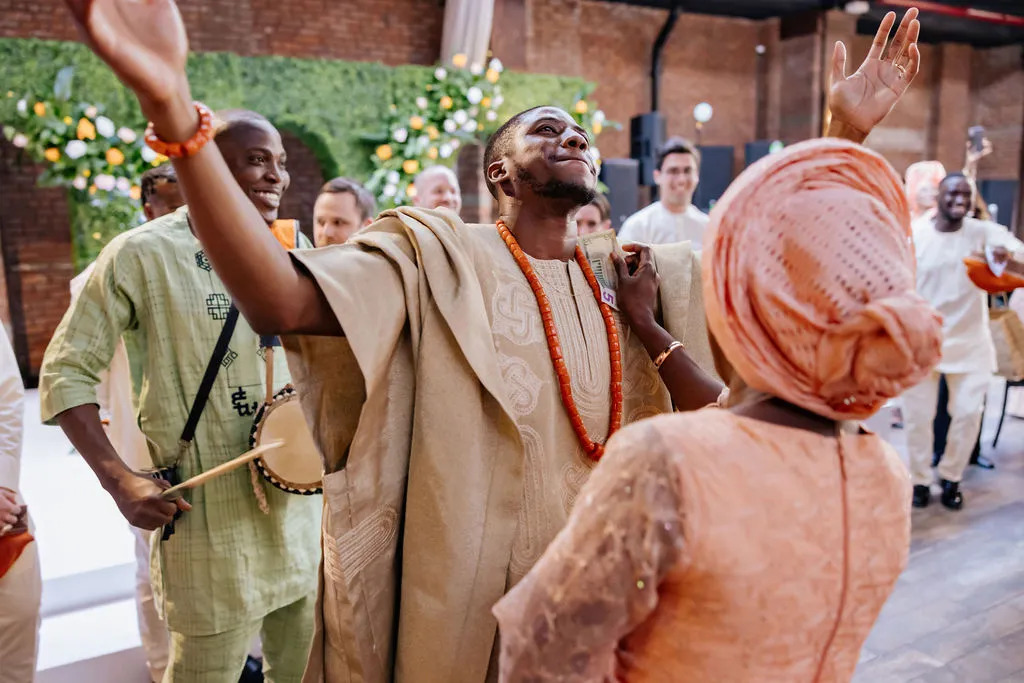
Some communities are described as demanding in bride price negotiations. Others are said to produce women who are excessively influenced by family. Others are characterized as incompatible with a particular group’s approach to gender roles or domestic life. These reputations are often inaccurate or overstated, but they operate in the background of decision-making. A man who has grown up hearing certain characterizations of women from another ethnic group is likely to carry some version of those characterizations into adulthood, even if he questions them intellectually. Marrying within one’s group can feel like the path of least social resistance, not because it is actually safer, but because it avoids having to navigate a layer of assumptions that the man knows his family holds.
Religion and the Complication It Adds
Nigeria’s major ethnic groups map, imperfectly but meaningfully, onto its major religious communities. The predominantly Muslim Hausa-Fulani north and the predominantly Christian Yoruba and Igbo south have distinct expectations about marriage, family structure, divorce, and the status of women within marriage. Under Sharia law, practiced in twelve northern states, Islamic marriage rules govern matters including polygyny, divorce, and inheritance. Under customary law in southern communities, different frameworks apply.
A man marrying across not just ethnic but also religious lines multiplies the sources of potential conflict. Whose religious framework governs the marriage? Which holidays are observed? How are children raised? These questions are manageable for couples with strong personal commitment and family support. But they add layers of complexity that many Nigerian men prefer to avoid, particularly because choosing a woman from one’s own ethnic group in most parts of Nigeria also tends to mean choosing a woman from the same religious community. The preference for ethnic endogamy and the preference for religious compatibility often reinforce each other.
What Is Changing and What Remains
The picture is not static. University campuses, Lagos workplaces, and migration to the diaspora have all created environments where young Nigerians from different ethnic groups meet, form relationships, and sometimes marry. Among first-generation Nigerian immigrants in the United States, research published in the journal Sociology of Race and Ethnicity found that 78 percent of married Nigerians were married to a Nigerian spouse, with ethnic endogamy being the dominant pattern among first-generation migrants. Cross-ethnic marriage within Nigeria, while not comprehensively tracked through official national statistics, is more common in cities than in rural areas and more common among those with higher levels of formal education.
What has not changed is the underlying social architecture. Bride price is still negotiated along ethnic lines. Property still passes through customary law. Elders still hold influence. The cultural logic that favors same-ethnic marriage has not dissolved; it has adapted. Younger Nigerians may exercise more individual choice than their parents did, but they often do so while still managing the expectations of extended families who see the question of a partner’s ethnic background as legitimate and important. The man who marries across ethnic lines in contemporary Nigeria is not transgressing a law; he is navigating a powerful social preference that comes with real costs if it is not handled carefully.
Conclusion: Cultural Logic, Not Simple Prejudice
The preference many Nigerian men hold for marrying within their ethnic group is rooted in a specific and identifiable cultural logic. It reflects how marriage works as a family institution, how customary law governs inheritance and property, how language shapes domestic life, and how ethnic identity functions as a social and economic resource. These are not irrational preferences. They are responses to a system in which shared cultural background reduces friction and risk at multiple levels simultaneously.
This does not make the preference free of consequences. It can produce narrow thinking about who is a suitable partner. It can reinforce stereotypes and limit meaningful connection across ethnic lines. Nigeria is a country of over 250 ethnic groups, and a culture that consistently treats ethnic sameness as a prerequisite for a good marriage carries a cost in both individual lives and social cohesion. But understanding what drives the preference is the first step toward any honest conversation about whether and how it should change.