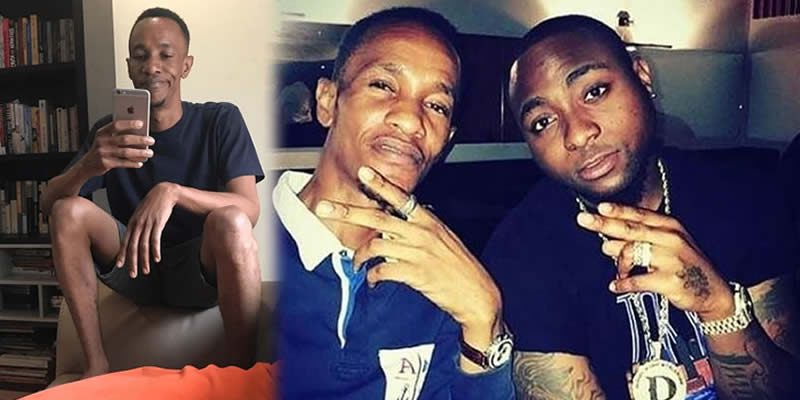
A public clash between Afrobeats superstar Davido and former presidential aide Reno Omokri has sparked a debate about celebrity activism, national security, and how best to respond to Nigeria’s kidnapping crisis.
The disagreement began after Davido used a FIFA World Cup countdown concert in Los Angeles to draw attention to dozens of schoolchildren and teachers abducted in Oyo State. While many praised the singer for using his global platform to spotlight the victims, Omokri argued that taking such issues to an international audience could unintentionally help terrorists and kidnappers.
What followed was a heated exchange on social media. But beyond the insults and headlines lies a deeper question: Does global attention help bring victims home, or can it make a dangerous situation worse?
How a World Cup Concert Sparked the Controversy
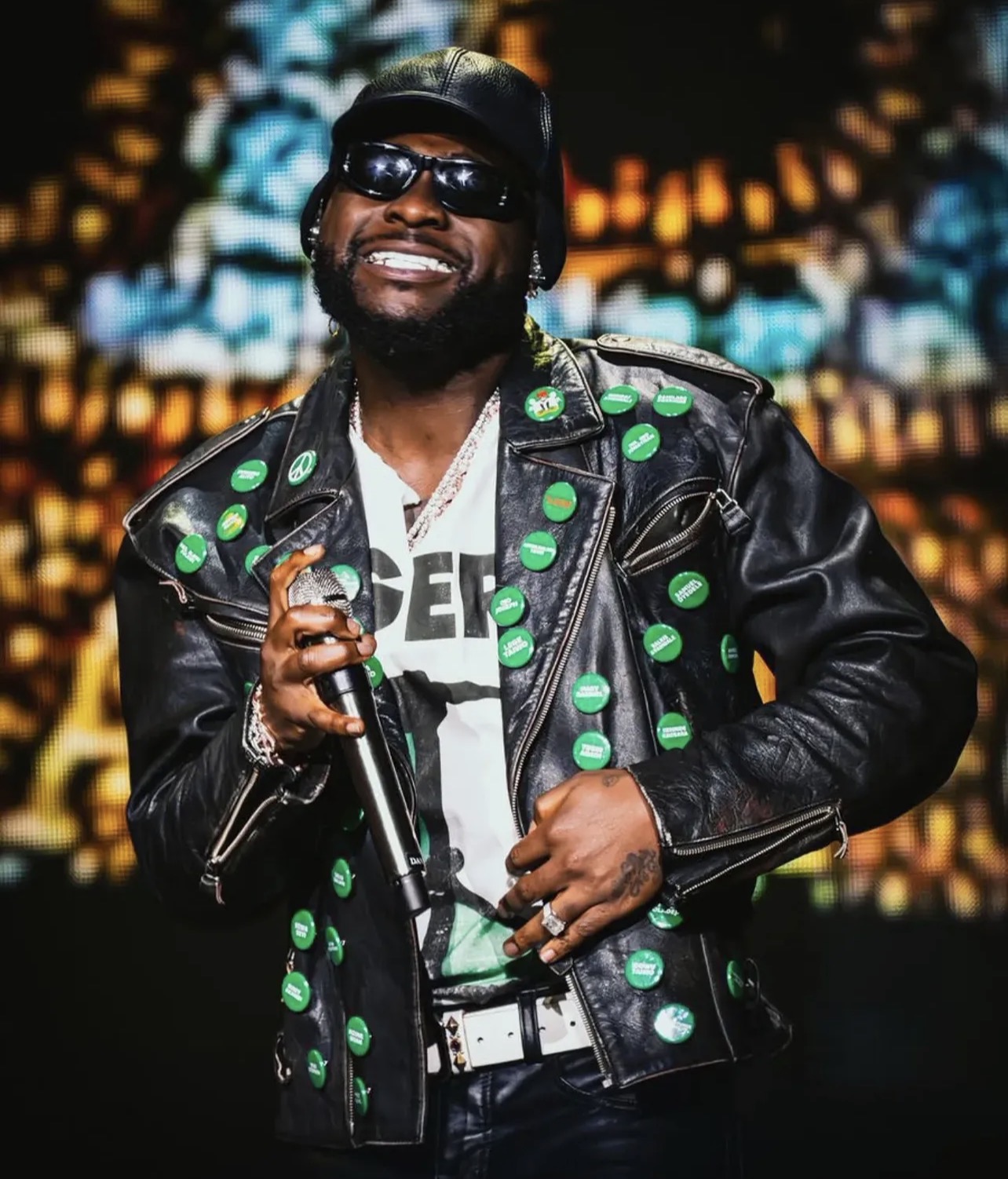
The controversy began on June 10, 2026 when Davido performed at the FIFA World Cup countdown concert in Los Angeles, United States.
During the event, the singer wore a custom jacket bearing the names of more than 40 schoolchildren and teachers abducted in Oyo State, alongside the message, “Bring Them Home.”
The gesture quickly attracted attention online. Many Nigerians applauded Davido for using one of the world’s biggest stages to highlight the plight of children and teachers who had spent weeks in captivity.
However, Reno Omokri saw things differently. The former presidential aide and Ambassador-designate to Mexico criticized the move, arguing that using an international platform to spotlight ongoing kidnappings could ultimately serve the interests of terrorists and kidnappers.
The Oyo School Abductions That Triggered the Campaign
The tragedy at the center of the debate began on May 15, 2026, when heavily armed bandits launched coordinated attacks on schools in the Ahoro-Esinele and Yawota axis of Oriire Local Government Area, Oyo State.
The attackers struck Baptist Nursery and Primary School, Community Grammar School, and L.A. Primary School, abducting pupils, students, and teachers from their classrooms.
According to official figures, seven secondary school students, 18 primary school pupils, and seven teachers remained missing after the attack. Community records, however, suggested that as many as 46 people, including a two-year-old child, may have been taken.
The attack turned deadly. A teacher was reportedly killed during the raid. Public anger grew even further after kidnappers released a video showing the beheading of Michael Oyedokun, a mathematics teacher who had been held captive.
More than a month after the attack, many of the victims were still believed to be held in the forests surrounding the Old Oyo National Park. Security agencies launched operations to rescue the victims, arresting six suspects and three alleged informants while working to prevent the kidnappers from escaping into neighboring states.
Under mounting pressure from families and protesters, Oyo State Governor Seyi Makinde assured residents that efforts were ongoing to secure the release of the victims, insisting that “Oyo will not be another Chibok.”
It was this unfolding humanitarian crisis that Davido chose to spotlight before a global audience.
Why Davido Chose to Speak Out

With dozens of children and teachers still missing weeks after the attack, Davido used the World Cup countdown event to draw attention to their situation. Although the singer did not issue a lengthy explanation, the message on his jacket spoke for itself: “Bring Them Home.”
Supporters of Davido argued that celebrities have a responsibility to use their influence to amplify important causes. They believed international attention could help keep pressure on authorities while ensuring the victims were not forgotten.
For many Nigerians, the campaign was not about politics. It was about giving a voice to families who had spent weeks waiting for news of their loved ones. By carrying the names of the abducted victims onto a global stage, Davido ensured that their story reached audiences far beyond Nigeria’s borders.
However, while many praised the move, others questioned whether international publicity was the right approach.
Reno Omokri’s Argument: Publicity Can Help Terrorists
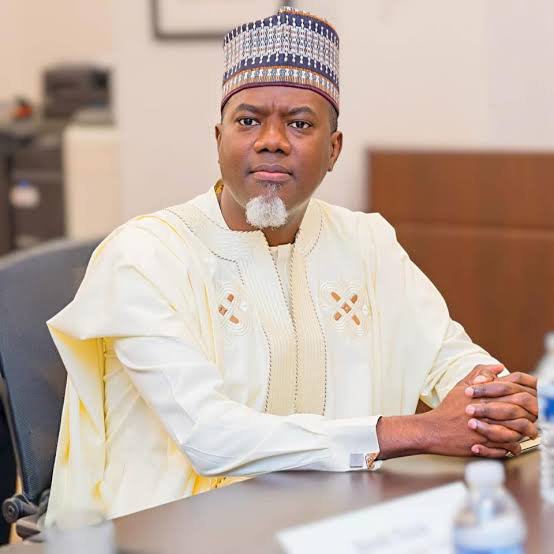
Reno Omokri was among the strongest critics of Davido’s campaign. In a statement addressed to the singer, Omokri said he understood that Davido’s intentions were good but argued that publicizing an ongoing kidnapping crisis could have dangerous consequences. He wrote:
“I am aware that you were upset at my appeal to you not to use an international platform, such as the 2026 FIFA World Cup, to give publicity to bandits and terrorists.”
According to Omokri, giving global attention to kidnappers can spread fear, strengthen their bargaining power, attract recruits, and help them gain the publicity they seek.
To support his position, he quoted former British Prime Minister Margaret Thatcher, who famously said, “Publicity is the oxygen of terrorism.”
Omokri also referenced the 2014 Chibok schoolgirls abduction and the October 7, 2023 hostage crisis in Israel, arguing that excessive publicity can sometimes complicate rescue efforts. He further questioned why Nigeria’s security challenges should be highlighted at an international event designed to celebrate the upcoming World Cup.
Drawing a contrast, Omokri noted that popular American streamer IShowSpeed used the same event to promote Nigeria positively by wearing a Nigerian jersey and speaking enthusiastically about the country. He asked:
“How can you, a Nigerian citizen with a global platform, go on a global stage to give publicity to terrorists and de-market Nigeria?”
From Policy Debate to Personal Feud

The disagreement soon became personal. On June 16, 2026, Davido shared a video of Omokri discussing his delayed resumption as Ambassador-designate to Mexico on Channels TV.
The singer accompanied the clip with the caption: “UMU BINGO @renoomokri fowl.”
The post quickly went viral and drew mixed reactions online.
Omokri later responded in an open letter, expressing disappointment at what he described as Davido’s choice of words. He wrote:
“Thank you for your feedback. I was rather surprised by your response,”
“You are an international celebrity whom Nigeria is proud of. Coming to insult me on my Instagram profile with such vulgar words should be beneath you.”
Despite the insult, Omokri maintained that his criticism was based on security concerns rather than personal animosity toward the singer.
Not Their First Public Disagreement
The latest clash is not the first time Davido and Reno Omokri have found themselves on opposite sides of a public debate.
In the past, Omokri criticized Davido over comments the singer made about Nigeria’s struggling economy during an international media appearance.
While some Nigerians praised Davido for speaking honestly about the country’s challenges, Omokri argued that such remarks could discourage foreign investment and damage Nigeria’s image abroad.
That disagreement revealed a recurring difference between both men. Davido has often used his platform to speak openly about issues affecting Nigerians, even when those issues cast the country in a negative light.
Omokri, on the other hand, has consistently argued that influential Nigerians should be careful about how they portray the country before international audiences.
The dispute over the Oyo school abductions follows that same pattern.
Who Has the Stronger Argument?
At the heart of the controversy is a difficult question with no simple answer. Supporters of Davido argue that silence rarely helps victims. They believe public awareness can keep pressure on governments and security agencies while ensuring that abducted people are not forgotten.
For them, Davido’s campaign was a humanitarian effort aimed at drawing attention to children and teachers whose lives remain at risk.
Supporters of Omokri, however, argue that kidnappings are sensitive security matters that often require discretion. They believe excessive publicity can increase the kidnappers’ leverage and complicate rescue efforts.
Ultimately, both sides claim to want the same outcome: the safe return of the abducted victims. The disagreement lies in the method, not the goal.
As the discussion continues, one fact remains unchanged: families are still waiting for their loved ones to come home. And until that happens, the real story is not the feud between Davido and Reno Omokri, but the children and teachers whose ordeal sparked the debate in the first place.