Television in Nigeria has always carried more than entertainment, it has shaped conversations in homes, influenced public opinion, carried culture across regions, plus created shared moments that cut across income levels. For decades however, access to quality television has often been tied to subscription payments, decoder systems, plus recurring monthly fees that quietly defined who watched what, when, plus how.
As digital broadcasting begins to reshape that structure, a new national system has emerged that promises to change how content flows across millions of households, drawing attention not just for its scale but for the questions it raises about access, technology, plus the future of broadcasting in the country.
National Broadcast Shift: Digital Television Transition
The introduction of Nigeria’s FreeTV platform marks a significant phase in the country’s long planned Digital Switchover programme, which aims to replace analogue television transmission with a fully digital system. The initiative is anchored on expanding access to television content while modernizing infrastructure across terrestrial plus satellite broadcasting networks.
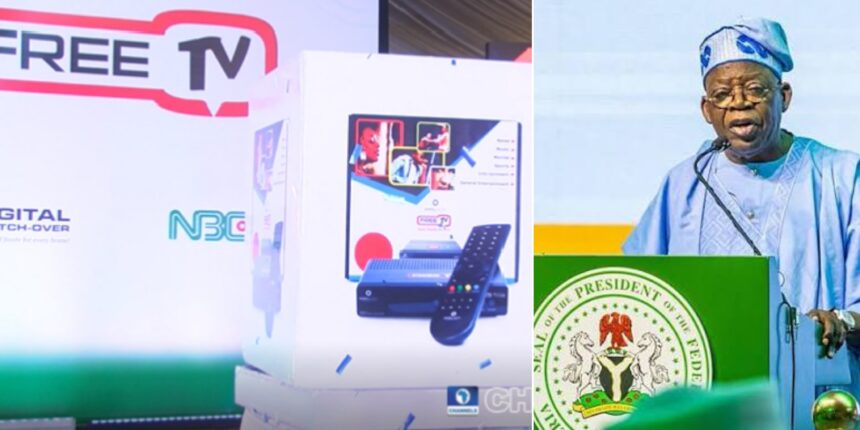
April 22, 2026 became a defining moment in this transition when the National Broadcasting Commission officially unveiled the FreeTV platform as part of the broader reform agenda. This unveiling signaled the formal activation of a system that had been in development for years, involving coordination between regulatory bodies, telecommunications infrastructure, plus broadcast operators.
The announcement was followed by rapid developments across May 2026, as preparations for rollout intensified. By May 15, 2026, the initial nationwide launch timeline had been reviewed, while technical adjustments were made to ensure readiness across different regions. This period reflected the complexity of implementing a nationwide digital broadcasting system across diverse geographic plus infrastructural conditions.
Platform Structure Broadcast Architecture
FreeTV operates as a hybrid digital broadcasting system that combines terrestrial plus satellite transmission methods. Unlike internet based streaming platforms, it does not rely on data connectivity but instead transmits content through structured broadcast signals designed for wide coverage.
The system is built on DVB T2 technology for terrestrial broadcasting, which allows digital signals to be transmitted through land based stations. It also integrates DVB S2 satellite transmission through NigComSat infrastructure, expanding coverage to regions where terrestrial signals may be limited. This dual system ensures that content delivery is not restricted to urban centers alone.
Hybrid IP extensions are also part of the structure, allowing limited mobile plus app based access in selected areas. However, the core of the platform remains traditional broadcast transmission, designed to function independently of internet connectivity. This approach reflects a deliberate effort to ensure inclusivity across varying levels of digital infrastructure access within Nigeria.
Official Launch Timeline – June 2026 Rollout Sequence
The rollout of FreeTV followed a structured timeline that culminated in its national activation in June 2026. On May 22, 2026, the National Broadcasting Commission confirmed that over 100 channels had already signed on to the platform, marking a major milestone in content aggregation efforts.
By June 3, 2026, the Federal Government reaffirmed June 17, 2026 as the official nationwide switchover date. This confirmation solidified expectations that the platform would move from preparation to full public access within days. The announcement also reinforced government commitment to completing the Digital Switchover process as part of broader media reform objectives.
June 17, 2026 was subsequently marked as the official national launch date of the FreeTV platform. On this date, the system transitioned into active operation, making a wide range of channels available through free to air digital broadcasting across Nigeria.
Channel Composition Content Structure Overview
The concept of 100 plus channels under FreeTV does not refer to newly created stations but rather to an aggregation of existing broadcasters into a unified digital platform. These channels include a mix of national, regional, plus specialized content providers that have been integrated into the system.
The channel structure includes news plus current affairs stations, entertainment networks, sports coverage, movie channels, children plus family programming, plus regional language stations including Hausa, Yoruba, plus Igbo content providers. This diversity reflects an attempt to ensure representation across different cultural plus demographic groups within Nigeria.
Official breakdown estimates include approximately 14 news channels, around 15 general entertainment channels, plus about 6 children plus family oriented stations, alongside additional lifestyle, cultural, plus talk based programming. This composition reflects a broad content ecosystem designed to serve multiple audience categories simultaneously.
Government Policy Objectives: Reform Direction
The FreeTV initiative forms part of a long term policy framework aimed at transforming Nigeria’s broadcasting landscape through digital migration. One of the primary objectives is the complete transition from analogue television systems to digital broadcasting infrastructure across the country.
Another key objective focuses on expanding access to television content regardless of income level. By removing subscription requirements for basic access, the system aims to ensure that households across different economic backgrounds can receive television signals without recurring monthly payments.
Media expansion also forms part of the reform agenda, with emphasis on supporting local content creators, regional stations, plus independent broadcasters. The platform provides a unified distribution channel that increases visibility for participating stations while improving audience reach across the country.
Industry reform is another important goal, particularly in relation to audience measurement, transparency, plus content distribution efficiency. By centralizing channel access through a digital platform, the system aims to improve tracking of viewership patterns plus broadcasting performance.
Economic development considerations also play a role, as the initiative is expected to generate employment opportunities across media production, technical infrastructure, plus telecommunications sectors. These combined objectives position FreeTV as both a technological upgrade plus a structural reform within Nigeria’s media ecosystem.
Infrastructure Network Institutional Support
The FreeTV system is supported by a coordinated institutional framework involving multiple government plus technical bodies. The National Broadcasting Commission serves as the primary regulatory authority overseeing implementation plus compliance within the system.
NigComSat provides satellite infrastructure support, enabling DVB S2 transmission coverage across regions where terrestrial broadcast reach may be limited. This satellite integration is essential for ensuring nationwide accessibility, particularly in remote or rural areas.
The Ministry of Information plays a central role in policy direction, while the Ministry of Communications supports technical coordination plus infrastructure alignment. This multi agency structure reflects the scale of the project, which requires collaboration across regulatory, technological, plus policy institutions.
Planned infrastructure upgrades include additional satellite capacity expansion plus regional broadcast studio development across different parts of Nigeria. These enhancements are intended to strengthen signal distribution plus improve content production capabilities over time.
Access Mechanism – Viewer Experience Structure
FreeTV is designed to function without internet dependency, distinguishing it from global streaming services. Viewers access content through digital television sets compatible with DVB T2 technology or through set top box devices in regions where older television systems are still in use.
In selected areas, mobile plus application based access may also be available through hybrid IP extensions, although this remains supplementary to the core broadcast system. The primary viewing experience remains rooted in traditional television reception enhanced by digital signal quality.
The transition to digital broadcasting improves picture clarity, sound quality, plus channel stability compared to analogue systems. However, access still depends on device compatibility plus signal availability within specific geographic locations.
Public Access Promise – Digital Inclusion Goal
One of the central promises of FreeTV is expanded access to television content without subscription fees. This model is designed to reduce barriers that previously limited access to multiple channels across households with varying income levels.
The initiative reflects a broader push toward digital inclusion, ensuring that information, entertainment, plus educational content are more widely available. By aggregating multiple broadcasters into a single platform, the system aims to simplify access while expanding choice.
However, the free access model applies primarily to broadcast transmission rather than premium content acquisition. This distinction is important in understanding how the system fits within Nigeria’s broader media ecosystem, which includes both free to air plus subscription based services.
Structural Limitations
Despite its ambitious design, FreeTV operates within several structural limitations that influence its real world performance. Electricity availability remains a significant factor, as digital receivers plus television sets require consistent power supply to function effectively.
Coverage disparities may also affect initial rollout phases, particularly in rural areas where signal distribution infrastructure is still developing. While satellite transmission improves reach, ground level reception quality may vary depending on location plus device compatibility.
Device dependency is another consideration, as some households may require compatible television sets or decoder systems to fully access digital signals. This requirement may create transitional challenges during early stages of implementation.
Content limitations also remain relevant, particularly in relation to premium sports broadcasting plus exclusive entertainment rights. Certain high value content remains under existing pay television licensing agreements, meaning not all programming will be included within the FreeTV framework.
Industry Impact
The introduction of FreeTV represents a structural shift within Nigeria’s broadcasting ecosystem. By consolidating multiple channels into a single digital platform, the system alters how content distribution is managed across the industry.
Broadcasters participating in the platform gain expanded reach without requiring separate subscription infrastructure, while viewers benefit from centralized access to multiple content providers. This restructuring may influence how future content licensing agreements are negotiated within the industry.
The shift also places increased emphasis on digital readiness among broadcasters, requiring adaptation to new transmission standards plus integration into centralized distribution systems. Over time, this may reshape production standards plus audience engagement strategies across the sector.
Long Term Outlook
The FreeTV initiative represents a foundational step in Nigeria’s transition toward fully digital broadcasting. Its long term success will depend on infrastructure expansion, device accessibility, plus consistent policy support across regulatory institutions.
As adoption increases, the system may evolve to include additional interactive features, expanded mobile integration, plus improved content personalization within regulatory limits. These developments would further align Nigeria’s broadcasting system with global digital media trends.
The broader significance of the platform lies not only in its technical structure but also in its attempt to redefine access to television content across economic boundaries. By removing subscription barriers for basic access, the system introduces a new model of public broadcast distribution within the Nigerian context.
Closing Perspective – National Broadcast Reframing
The launch of FreeTV on June 17, 2026 marks a major milestone in Nigeria’s broadcasting history, combining technological modernization with policy driven reform. Its structure reflects an attempt to balance accessibility, industry development, plus infrastructure expansion within a single national platform.
As 100 plus channels become available through digital transmission, the experience of television viewing in Nigeria enters a new phase shaped by broader access plus improved broadcast quality. While challenges remain in implementation plus coverage, the system represents a significant shift in how content is delivered, accessed, plus experienced across the country.
The transformation underway signals a redefinition of television access in Nigeria, one that connects technology, policy, plus public expectation within a rapidly evolving media landscape where digital broadcasting now stands at the center of national communication infrastructure.