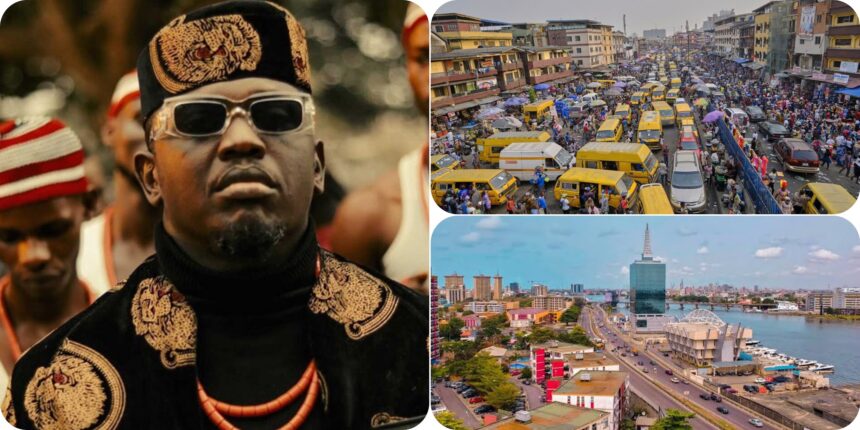
Veteran Nigerian rapper Illbliss has found himself at the centre of a heated online debate after speaking about the contributions of Igbos to Lagos State.
What started as a conversation about trade, business and national unity soon grew into a wider argument about ethnicity, land ownership and who gets credit for the growth of Nigeria’s commercial capital.
The controversy began after Illbliss spoke against tribalism during a podcast interview and later defended the role of Igbos in Lagos through a series of posts on X. While many Nigerians agreed with his views, others strongly disagreed, leading to one of the most talked-about social media debates recently.
The Comments That Started The Conversation
The debate can be traced back to Illbliss’ appearance on the Outside The Box podcast on June 5, where he spoke about tribalism and the treatment of non-indigenes across Nigeria.
Using Igbos living in Lagos as an example, the rapper argued that people who live, work and invest in a state should not be made to feel unwelcome because of their ethnic background.
According to him, Igbos have contributed greatly to the Lagos economy, especially through trade and commerce. In his words:
“The Igbos have given a lot to the Lagos economy in terms of trade and commerce. I wonder how this town will be if you told every Igbo man to leave. So, I’m always shocked whenever I hear comments like, ‘If you’re not from Lagos State, go back to your state.’”
Illbliss also said it was unfortunate that Nigerians were still divided by tribal and religious differences despite decades of living together as one country.
For many listeners, his comments were a call for unity and acceptance. But for others, they reopened old conversations about identity and belonging in Lagos.
Taking The Argument To X
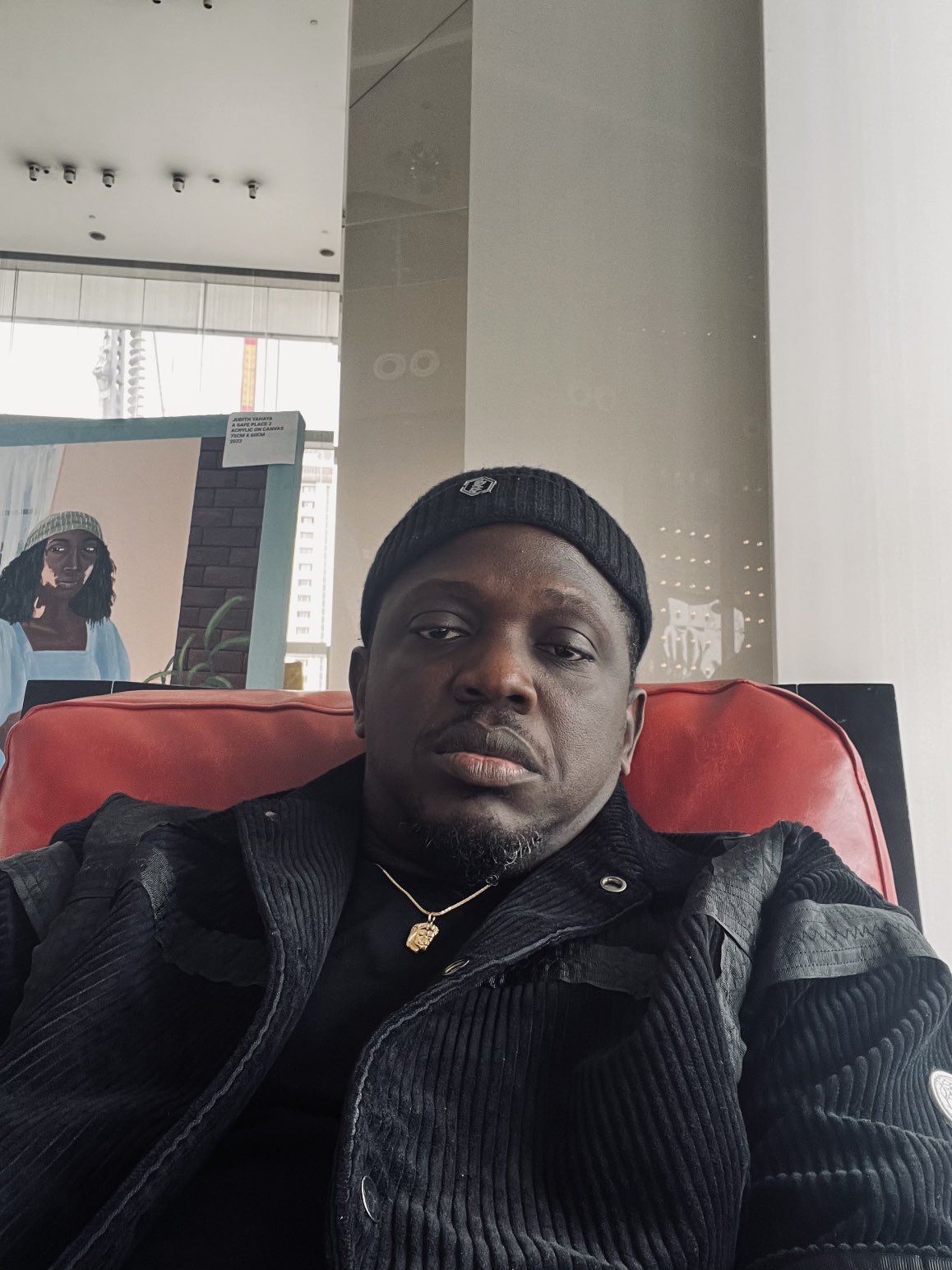
The conversation moved from the podcast to social media on June 12 when Illbliss defended the contributions of Igbos to Lagos in a post on X. He tweeted:
“The igbos have contributed immensely to the Lagos economy! Commerce Wise! if you have a problem with it HUG A FRIGING Transformer!!! We have made massive investments in Real estate too!! other tribes have contributed too. why is it always a problem when it’s the igbos?!! why??.”
The post quickly gained attention and drew mixed reactions. While some X users agreed with his position and praised him for speaking about the role of Igbos in trade, business and real estate, others strongly disagreed. Among the critics was X user @IgeOlusayo47761, who responded:
“Better go contribute and save your lands from erosion. Lagos has offered you betterment. Respect that and stop being lousy. No one sends Ur papa.”
The exchange soon escalated. In a now-deleted response, Illbliss fired back:
“we own your lands Fool! we bought everywhere! and renting it back to you. thank You Lagos for the opportunity. you will pay Rent forever in this city bloody scavenger!.”
The remark immediately triggered widespread criticism, with netizens accusing the rapper of using language that could inflame ethnic tensions. What had started as a discussion about economic contributions quickly shifted into a heated debate about land ownership, identity and belonging in Lagos.
However, days later, on June 15, Illbliss returned to X to address the controversy and explain what led to his reaction.
According to the rapper, he had become upset after receiving a wave of hostile responses telling Igbos to leave Lagos and return to what some users described as their “erosion-filled land.” He wrote:
“A few days ago i typed a tweet that stated that the igbos had contributed commercially to the incredible growth in Lagos, alongside other tribes. A bunch of derogatory tweets responded in attack asking we should vacate Lagos and return to our erosion filled land. i was upset.”
He admitted that his response was harsh and apologised to anyone offended by his words.
“I apologize if you found my comments brash. It wasn’t intended to tarnish Lagos, a state that has accommodated us all and supported our art, our business and our growth for many years.”
Illbliss also stressed that Lagos remains home to many Nigerians from different ethnic backgrounds, including Igbos, and said he would always appreciate the opportunities the state has provided.
His clarification helped add context to the controversy, but by then the debate had already grown beyond a single exchange, drawing thousands of reactions and reopening old conversations about ethnicity, migration and coexistence in Nigeria.
More Than A Celebrity Dispute

As the argument continued, it became clear that the issue was no longer just about Illbliss. The controversy touched on larger questions that have existed in Nigeria for many years.
Lagos is home to millions of people from different parts of the country. Over the decades, people from various ethnic groups have moved to the city to work, build businesses and raise families.
For some Nigerians, anyone who lives, works and invests in a state is a stakeholder in its future. Others believe historical and ancestral ties remain important when discussing ownership and identity.
Those differing views helped fuel the intense reactions that followed Illbliss’ comments.
Why Nigerians Remain Divided
The controversy has continued because both sides believe they have valid arguments. Those who support Illbliss say he was simply recognising the role Igbos have played in Lagos through business, trade and investment. They argue that acknowledging those contributions should not be controversial.
Supporters also see his comments as a rejection of tribalism and a call for Nigerians to be more accepting of one another.
Critics, however, believe his remarks overstated the role of one ethnic group in the development of Lagos. They argue that many communities have contributed to the city’s growth and that no single group can claim special ownership of its success.
Others were particularly offended by the alleged land ownership comments, which they felt crossed a line and shifted the discussion away from economic contributions.
The result has been a deeply divided conversation, with both sides viewing the issue from very different perspectives.
Conclusion
The controversy surrounding Illbliss started as a discussion about the contributions of Igbos to Lagos but soon grew into a much larger debate about identity, ownership and coexistence in Nigeria.
Whatever position people choose to take, the debate has shown that conversations about ethnicity remain highly sensitive in Nigeria.
Long after the social media arguments fade, the questions raised by Illbliss’ comments are likely to remain. They touch on issues that go beyond one rapper or one controversy — questions about belonging, contribution and how Nigerians from different backgrounds can continue to live and thrive together.