
A jacket worn by Davido on a global stage has sparked a trending discussion on social media, with different people sharing their two cents.
On June 15, 2026, the Afrobeats star used his appearance at the FIFA World Cup 2026 Countdown Concert in Los Angeles, United States, to draw attention to the plight of abducted schoolchildren and teachers from Ogbomoso, Oyo State. While many praised him for speaking up, popular Hausa singer and APC supporter Dauda Kahutu Rarara accused him of portraying Nigeria negatively before the world.
What followed was a heated exchange that drew politicians, celebrities and ordinary Nigerians into a wider conversation about insecurity, patriotism and whether public figures should use international platforms to spotlight national problems.
The ‘Bring Them Home’ Jacket That Started It All
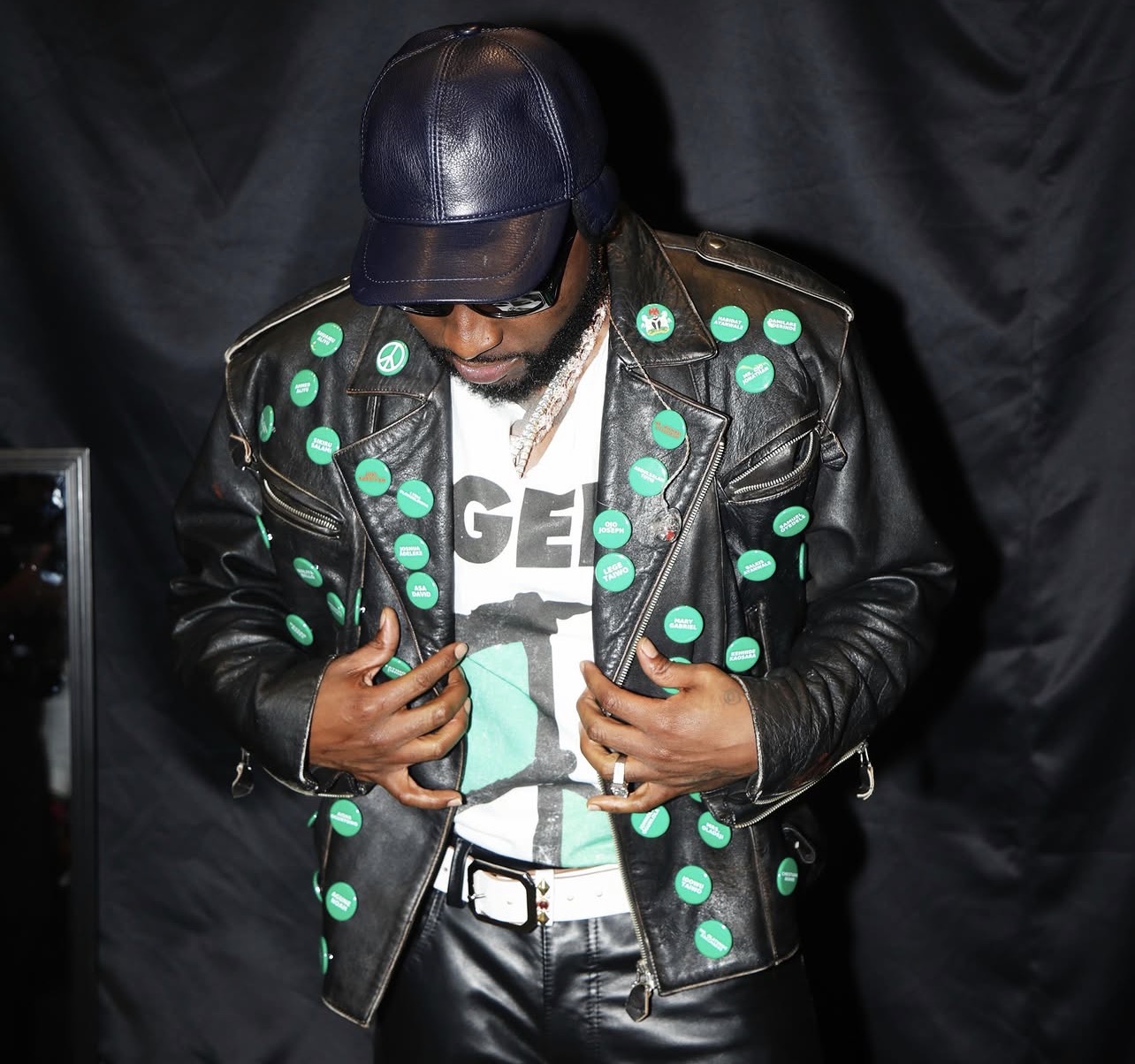
The controversy began when Davido stepped onto the stage at the FIFA World Cup 2026 Countdown Concert wearing a custom jacket with the words “Bring Them Home.”
The jacket also displayed the names of 46 pupils and teachers abducted in Ogbomoso, Oyo State.
Photos and videos of the performance quickly spread online. While many fans focused on the music, others were moved by the message on Davido’s outfit.
Supporters praised the singer for using a major international event to highlight the plight of the victims and their families. To them, the gesture was a call for action and a reminder that the abducted pupils and teachers should not be forgotten.
However, not everyone welcomed the move.
Rarara’s Criticism: ‘You Are Damaging Nigeria’s Image’

Among Davido’s critics was Dauda Kahutu Rarara, the well-known Hausa musician and political praise singer associated with the All Progressives Congress (APC).
In a video that circulated online, Rarara described Davido’s action as “barbaric” and questioned why the singer would bring Nigeria’s security challenges to a global audience. He asked:
“How can you promote Ansaru terrorists or insecurity-related issues to the whole world?”
“How can you take a sensitive national security issue and project it to the world in a way that could damage the country’s image?”
Rarara also suggested that Davido’s actions were politically motivated because of his family’s involvement in politics.
According to him, “Anyone who campaigns with insecurity is insane because he does not fully understand what it entails.”
The singer argued that security agencies were already working to rescue the abducted victims and that raising the issue on an international stage could embarrass the country during a delicate period.
He also warned content creators and public figures against using insecurity-related issues for politics, publicity or engagement, insisting that such actions could ultimately benefit terrorists.
Davido Fires Back

Davido did not stay silent. Responding on social media on June 17, he shared a photo of Rarara and simply wrote: “Useless man.”
The singer then accused Rarara of putting politics ahead of the welfare of Nigerians. In a post written partly in Hausa, Davido argued that anyone who truly loves Nigeria should not remain silent about the country’s security challenges. He wrote:
“First of all, anyone who loves Nigeria will not keep quiet about the insecurity affecting the country, and will not stop others from expressing their concerns.”
Davido also criticised what he described as blind loyalty to politicians and urged Rarara to put the interests of ordinary Nigerians ahead of political considerations.
In another post, he dismissed Rarara as someone who lacked the knowledge to have a meaningful discussion on the issue.
Patriotism Or Advocacy?

Beyond the insults and political accusations lies a deeper question: Should public figures draw international attention to their country’s problems, or should they avoid doing anything that might damage its image?
For Rarara and his supporters, Davido crossed a line. They argue that taking Nigeria’s security challenges to a global stage creates negative publicity and could harm the country’s reputation abroad.
Others strongly disagree. They believe patriotism is not about hiding problems but about speaking up when citizens are suffering. To them, Davido’s jacket was not an attack on Nigeria but a call for help on behalf of abducted children and teachers.
Supporters of the singer also point out that celebrities around the world often use major events to raise awareness about humanitarian issues, social injustice and human rights concerns.
Conclusion
The clash between Davido and Rarara may have started with a jacket, but it quickly became a conversation about much bigger issues. At its heart are questions about insecurity, political loyalty, freedom of expression and the role influential figures should play in national discussions.
For some Nigerians, Davido’s decision to spotlight the abducted Oyo schoolchildren and teachers was a necessary act of advocacy. For others, Rarara’s concerns reflected a belief that sensitive security matters should not be taken to global platforms.
Even after the social media exchanges dies down, the questions raised by the Davido-Rarara feud will remain relevant: How should influential voices respond to insecurity? Where is the line between advocacy and politics? And what does it truly mean to act in the interest of one’s country?