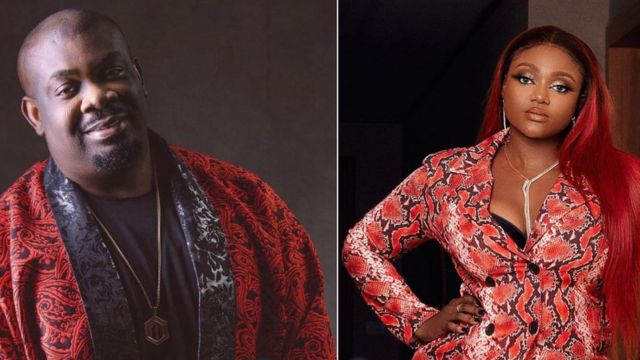
Early July 2026 delivered a conversation that refused to stay in one place. It began with separate remarks from 3 familiar names, each speaking at different moments and for different reasons. Within days, those conversations collided, drawing millions of Nigerians into a debate that touched on love, money and the changing expectations of modern relationships.
Emeka Ike, Bob Manuel Udokwu and Toke Makinwa did not set out to tell the same story. Yet as their words spread across social media and beyond, many people began connecting the pieces. What followed became one of the country’s biggest relationship conversations, raising questions that reached far beyond celebrity opinions.
Emeka Ike’s strong message
Veteran Nollywood actor Emeka Ike, sparked the first major conversation after speaking during a recent interview with BBC Pidgin. Rather than discussing romance as many people traditionally understand it, he focused on what he described as relationships that exist mainly for financial gain. His comments immediately stood out because they challenged a pattern he believes has gradually become more common in modern dating, particularly where financial assistance becomes the primary reason for entering a relationship.
During the interview, he said,
“Love and marriage is not scam. But there are a few hungry people who are using relationship as meal tickets. That’s where it becomes a scam. Love is beautiful. If you find someone who genuinely likes you, it’s very sweet. But when you are liking him or her for an end they are not aware of, that’s a scam. A lot of girls are going into relationships because what they want to get from the man. They should just join street begging instead of using relationship to raise money. Relationship is supposed to be sacred. Love is the pillar of every good relationship. Let’s stop messing it up in Nigeria. Let’s stop pretending that we are in love just to raise money. Relationship shouldn’t be a source of income.”
His comments reflected his belief that genuine affection should remain the foundation of every serious relationship. According to him, once financial benefit becomes the hidden motivation behind dating someone, the relationship loses its sincerity because one person enters the union with intentions that are completely different from what the other person believes. Rather than seeing such situations as ordinary dating experiences, he described them as a form of deception built around emotional manipulation.

Emeka Ike’s remarks also revealed his concern about what he considers the commercialization of romance. Rather than viewing relationships as partnerships built on mutual affection, trust, honesty, loyalty, shared dreams, respect, plus companionship, he argued that some people now see them as opportunities to secure financial assistance, expensive gifts, accommodation, sponsorship, rent, or daily upkeep. That, according to him, gradually changes love into a business transaction instead of an emotional commitment.
Another major point in his remarks centered on personal responsibility. He argued that every adult should strive to earn a legitimate living instead of depending on romantic relationships as a financial strategy. His strongest statement came when he suggested that anyone whose only purpose is collecting money from romantic partners should rather engage in street begging than pretend to be in love. That comparison quickly became the most quoted part of his interview because of how direct, blunt, plus uncompromising it sounded.
Although the statement generated widespread discussion, the larger message behind his words remained focused on preserving what he believes relationships should represent. Rather than reducing love to financial exchange, he insisted that commitment should begin with genuine feelings, honesty, transparency, mutual respect, plus sincere intentions. According to him, relationships built mainly around financial expectations rarely provide the emotional stability necessary for lasting companionship.
Bob Manuel Udokwu’s perspective
Not long after that conversation gained national attention, veteran actor Bob Manuel Udokwu introduced another topic that quickly expanded the broader discussion. Speaking during a recent interview with Udala, he focused less on romance itself, choosing instead to examine the expectations society places upon men throughout adulthood. His remarks shifted attention from dating practices to the responsibilities many men believe they carry throughout life.
During the interview, Bob said;
“Life is generally easier for women than it is for men. It’s not that Nollywood doesn’t pay, but actors have a lot of bills to settle. It pained me when John Okafor fell ill before he eventually passed away. While we were trying to raise funds for his treatment, some people on social media kept asking,
‘Where is all the money he made from acting?’ They didn’t understand the realities of the profession. I didn’t even know he had married more than one wife then.”
Rather than limiting his observations to the entertainment industry, Bob Manuel Udokwu broadened the discussion to include the financial obligations many men face throughout their lives. According to him, society often expects men to become providers regardless of their personal struggles or financial circumstances. Those expectations usually extend beyond immediate family responsibilities because many men are also expected to support relatives, solve emergencies, finance ceremonies, settle unexpected expenses, plus remain financially dependable whenever problems arise.
His comments suggested that financial pressure follows many men through almost every stage of adulthood. They are expected to build houses, buy cars, establish careers, marry, raise children, pay school fees, settle hospital bills, care for extended family members, plus continue providing regardless of personal hardship. Those responsibilities, according to him, create enormous pressure that many people fail to recognize because society often measures a man’s value through his financial ability.

Bob Manuel Udokwu also reflected on how quickly public perception can differ from private reality. Using the late John Okafor as an example, he pointed out that many people assumed successful actors automatically accumulated enormous wealth without considering the financial commitments that often remained hidden from public view. His remarks suggested that outward success does not always reveal the responsibilities, obligations, sacrifices, plus financial burdens carried behind closed doors.
Through those observations, he presented a broader conversation about societal expectations rather than individual relationships alone. His remarks highlighted the traditional belief that men must continue providing regardless of changing economic realities, making financial stability almost inseparable from masculine identity. That perspective naturally connected with the earlier discussion because both conversations revolved around money’s influence on relationships, commitment, plus personal expectations.
Toke Makinwa’s viewpoint
Media personality Toke Makinwa later entered the broader conversation during a recent episode of the MENtality podcast hosted by Ebuka Obi Uchendu. Rather than focusing primarily on women seeking financial assistance or the financial burdens carried by men, she examined the role many men themselves play in creating financial expectations within modern dating.
During the discussion, she said, “From time immemorial, a relationship between a man and a woman has always been transactional, right from the Garden of Eden, right from our parents’ days. And the degree at which it is happening now, I will blame the men. Sometimes, that financial benefits is all men have to offer. Nigerian men don’t have games aside from money. Once a Nigerian man makes money, he starts throwing it at the hottest girls. Sometimes, you meet a man and you want to know him but he is offering you money. Men have offered women strangest things and it made me realise that men feel cash is all they need to show you. Most girls who are materialistic today, men taught them how to make demands.”
Her comments introduced another layer to the wider conversation by suggesting that financial expectations do not develop in isolation. According to her, many men willingly present money as their strongest attraction during courtship, making financial generosity the central feature of their romantic approach. When that becomes the dominant pattern, she argued, it naturally influences what many women begin to expect from future relationships.
Beyond financial provision, Toke Makinwa emphasized qualities she believes are equally important for lasting relationships. Emotional intelligence, meaningful conversations, mutual respect, friendship, consistency, honesty, understanding, trust, plus emotional availability were all presented as characteristics capable of sustaining long term partnerships. According to her, money may solve practical challenges, yet it cannot replace emotional compatibility or genuine connection between 2 people.
Another important part of her remarks focused on compatibility. She maintained that people should date within their financial realities rather than building relationships around unrealistic expectations. According to her, understanding each other’s lifestyle, priorities, goals, financial capacity, plus personal values can reduce avoidable disappointment because both individuals begin the relationship with clearer expectations.
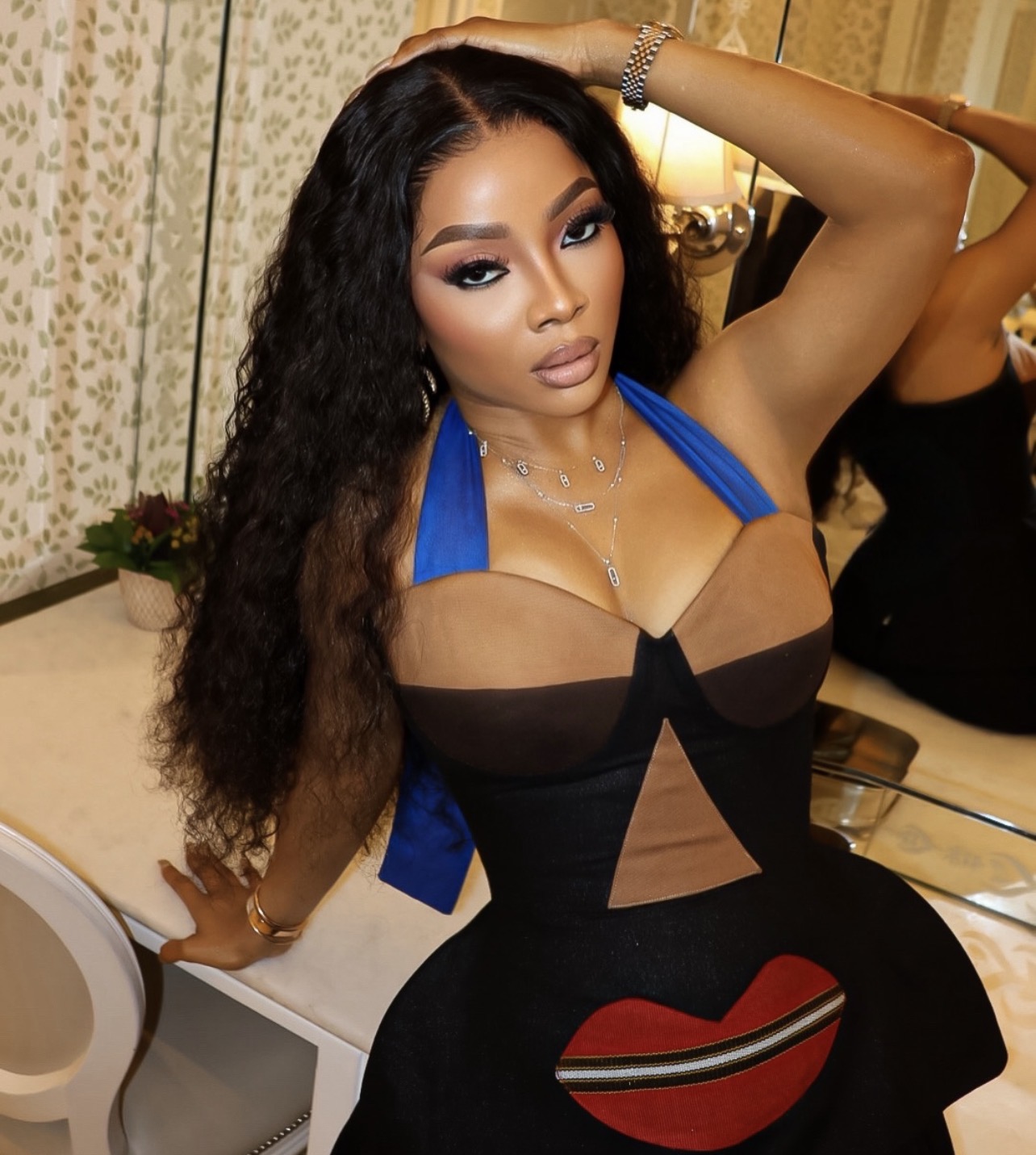
Her observations therefore expanded the discussion beyond financial provision alone. Rather than asking whether men should provide, she questioned whether financial provision has gradually overshadowed emotional investment. That perspective naturally connected with the earlier conversations because each speaker explored different sides of the same continuing debate surrounding modern relationships.
One debate many perspectives
Although Emeka Ike, Bob Manuel Udokwu, plus Toke Makinwa spoke independently, their remarks became linked because they all examined relationships through the lenses of money, responsibility, expectations, plus changing social values. Each conversation approached the subject differently, yet all eventually returned to one central issue concerning what people truly bring into relationships beyond attraction.
Emeka Ike focused on intention, insisting that love should never become a financial strategy. Bob Manuel Udokwu concentrated on responsibility, arguing that society places enormous financial obligations upon men throughout adulthood. Toke Makinwa examined emotional connection, suggesting that financial provision alone cannot sustain meaningful relationships because deeper qualities remain equally important for lasting companionship.
Viewed together, the 3 perspectives reveal how modern relationships often involve several realities operating at the same time. Financial stability matters because daily living has become increasingly expensive. Emotional support matters because healthy relationships require trust, understanding, patience, communication, plus companionship. Personal responsibility matters because sustainable relationships depend on honesty rather than hidden expectations.
Economic realities also continue shaping romantic decisions across Nigeria. Rising living costs affect housing, transportation, education, healthcare, food, business, plus everyday survival. Those realities naturally influence what many people seek before entering serious relationships because financial security increasingly affects long term planning, marriage, child raising, career development, plus family stability.
Traditional expectations remain influential despite changing social values. Many families still expect men to become providers while women often balance careers with domestic responsibilities. At the same time, younger generations increasingly emphasize emotional compatibility, mutual respect, shared ambitions, honest communication, plus equal partnership. Those changing expectations continue reshaping conversations about dating, marriage, commitment, plus long term relationships throughout the country.