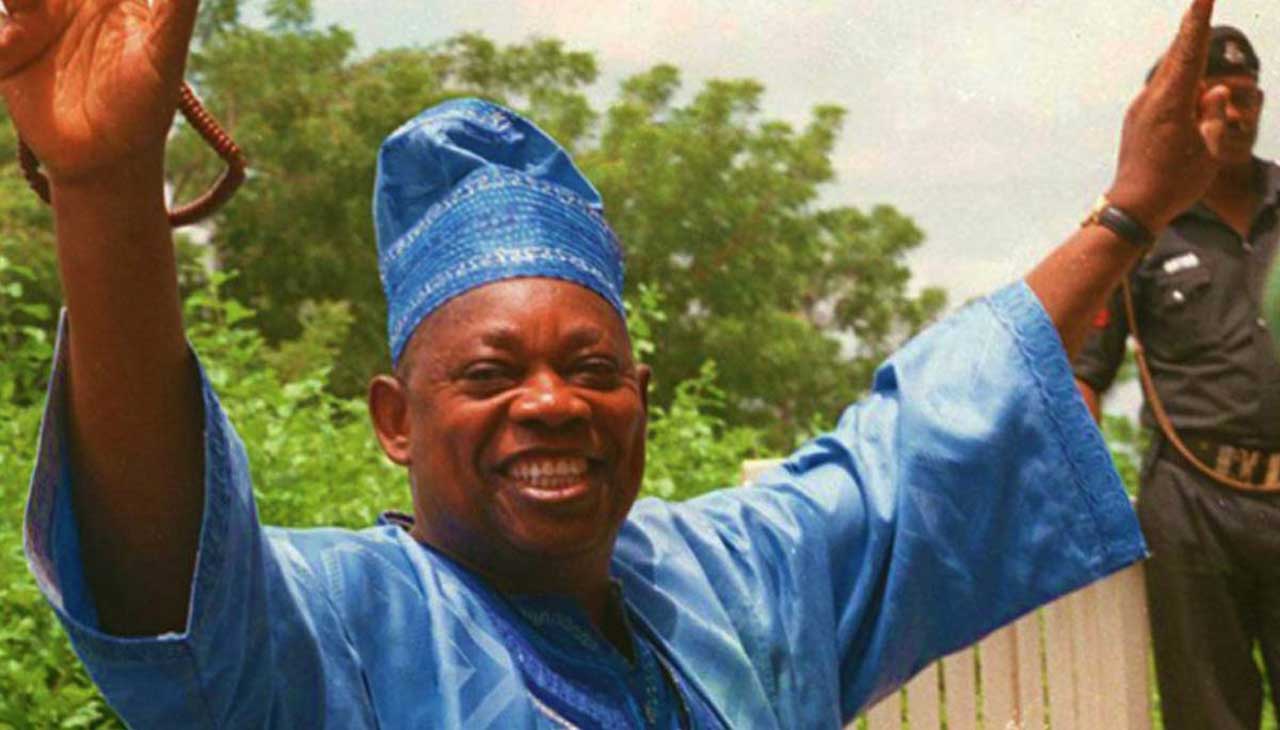
On July 7, 1998, Chief Moshood Kashimawo Olawale Abiola, the acclaimed winner of Nigeria’s annulled June 12, 1993 presidential election, died while in detention at a government facility.
According to authorities, the 60-year-old opposition leader collapsed and was pronounced dead from a heart attack.
Recall that he had been in custody since his arrest in June 1994 on treason charges after declaring himself president.
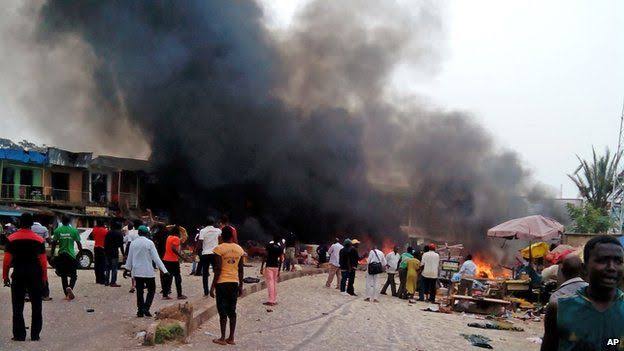
The announcement of his death triggered immediate unrest across Lagos. By early Wednesday, protests had spread through several districts of the city.
Police confirmed that clashes between demonstrators and security forces left at least 19 people dead, with dozens more injured.
Abiola’s death came hours after he met with a visiting delegation of U.S. officials at the prison, according to government sources. His family and supporters had long demanded his release following the transition process announced by the military government.
July 7, 2011: Motorcycles were completely banned in Maiduguri
On July 7, 2011, the Borno State Government imposed a total ban on motorcycle operations across the Maiduguri metropolis.
State officials, while announcing the directive, said the measure was introduced to address rising security challenges in the capital. Under the order, no motorcycles will be allowed to operate within the city for any purpose until further notice.
Commercial riders, who form a large part of the city’s transport network, have been directed to comply immediately. Enforcement teams were deployed across major roads and junctions from dawn to ensure adherence to the ban.
Residents said the decision will disrupt daily movement, as motorcycles serve as a primary means of transport for many areas not easily reached by buses and taxis.
Government officials urged citizens to cooperate and use alternative means of transport while the restriction remains in place.