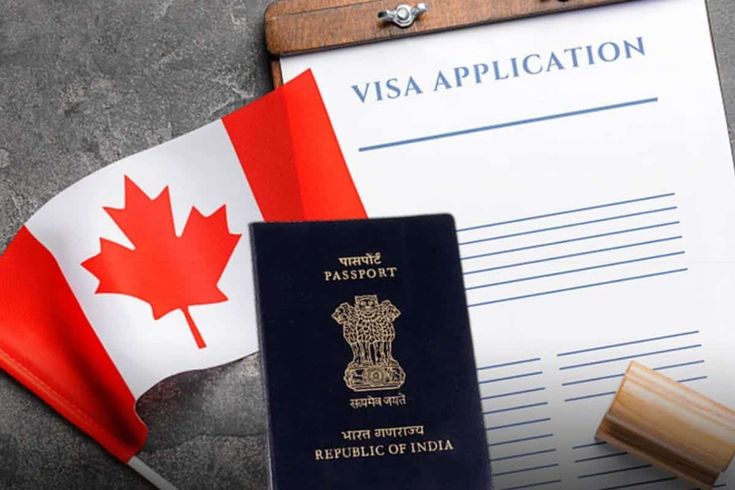
Canada’s entry rules have shifted again in 2026, and anyone planning a trip needs to know exactly where they stand before booking a flight. Immigration, Refugees and Citizenship Canada (IRCC) has kept its tiered system in place: some nationalities walk in visa-free, others need only the cheap and fast Electronic Travel Authorization (eTA), and a large group still has to go through the full visitor visa process. Getting the category wrong can mean a denied boarding at check-in, so here is a clear breakdown of who needs what heading into the rest of 2026.
How Canada’s Entry System Actually Works
Canada sorts foreign travellers into three broad groups. The first is fully visa-exempt: citizens of 54 countries and territories can visit for up to six months without a visa. The second is the eTA group, made up of those same visa-exempt nationals plus a growing list of “conditionally eligible” travellers from visa-required countries who qualify for the lighter eTA process instead of a full visa. The third is the standard visa-required group, which still needs a Temporary Resident Visa (TRV) issued by a Canadian visa office before travel.
It’s worth noting the eTA itself is not a visa. It’s a $7 CAD digital screening tied to your passport, usually approved within minutes, and it only applies to air travel. Anyone arriving by land or sea from the United States generally skips the eTA altogether, though a valid passport is still required.
Countries That Don’t Need a Visa or eTA at All
A very small group can cross into Canada without either document. This includes United States citizens and U.S. lawful permanent residents holding a valid green card, French citizens who live in and fly directly from Saint-Pierre-et-Miquelon, and a handful of specialised categories such as accredited diplomats and certain commercial flight crew. Everyone else, even from fully visa-exempt countries, still needs the eTA when flying in.
The 54 Visa-Exempt Countries (eTA Required for Air Travel)
Citizens of the following countries and territories can visit Canada for up to six months without applying for a visitor visa. If they’re flying in, though, they still need an eTA before departure:
Andorra, Australia, Austria, Bahamas, Barbados, Belgium, Brunei, Chile, Croatia, Cyprus, Czech Republic, Denmark, Estonia, Finland, France, Germany, Greece, Hong Kong SAR, Hungary, Iceland, Ireland, Israel, Italy, Japan, Latvia, Liechtenstein, Lithuania, Luxembourg, Malta, Monaco, Netherlands, New Zealand, Norway, Papua New Guinea, Poland, Portugal, Qatar, Republic of Korea (South Korea), Samoa, San Marino, Singapore, Slovakia, Slovenia, Solomon Islands, Spain, Sweden, Switzerland, Taiwan, United Arab Emirates, United Kingdom, and Vatican City, along with British nationals and British Overseas Territories citizens tied to certain territories.
Qatar’s inclusion here is a recent change. IRCC lifted the visa requirement for Qatari nationals on November 25, 2025, moving them from the visa-required category into the visa-exempt group. It’s a reminder that this list isn’t static, and travellers should always confirm their current status before booking rather than relying on what was true even a year ago.
Visa-Required Countries That May Qualify for an eTA Instead
This is the category that trips people up the most, because eligibility depends on more than nationality alone. Citizens of the following visa-required countries may apply for an eTA rather than a full visitor visa, but only if they meet specific conditions:
- They held a Canadian visitor visa within the past 10 years, or currently hold a valid U.S. non-immigrant visa
- They’re travelling to Canada for a short stay, generally up to six months, for tourism or business
- They’re flying to or transiting through a Canadian airport
Countries in this conditional eTA pathway include Antigua and Barbuda, Argentina, Brazil, Bulgaria, Costa Rica, Morocco, Panama, the Philippines, Romania, Saint Kitts and Nevis, Saint Lucia, Saint Vincent and the Grenadines, Seychelles, Thailand, Trinidad and Tobago, and Uruguay. In May 2026, IRCC extended this pathway to Indonesia and Malaysia as well, giving citizens of those countries a faster route into Canada provided they hold a recent Canadian visa or valid U.S. visa.
Anyone who doesn’t meet all three conditions above falls back into the standard visitor visa process, even if their country appears on this conditional list.
Countries That Require a Full Visitor Visa
The majority of the world’s population still needs a Temporary Resident Visa to enter Canada by any mode of transport, air, land, or sea. This group includes major travel markets such as Nigeria, India, China, Pakistan, Bangladesh, Indonesia (outside the conditional eTA pathway described above), Egypt, Ghana, Kenya, Vietnam, Iran, Iraq, and dozens of others across Africa, Asia, the Middle East, and parts of Latin America and the Caribbean.
Mexico deserves a special mention. Mexican citizens were visa-exempt with eTA access from December 2016 until February 29, 2024, when Canada reintroduced the full visa requirement following a sharp rise in asylum claims and irregular border crossings. That restriction remains in effect through 2026, meaning Mexican travellers currently need a TRV regardless of past Canadian travel history.
Visitor visa applicants must apply online or through a Visa Application Centre, typically provide biometrics (fingerprints and a photo), and demonstrate ties to their home country along with sufficient funds for the trip. Processing times vary widely by country and season, so early application matters more than ever given current volumes.
What This Means for Nigerian Travellers
Nigeria remains firmly in the visa-required category, with no eTA shortcut currently available regardless of prior Canadian travel or U.S. visa history. Nigerian applicants need a valid Temporary Resident Visa, complete biometrics at a Visa Application Centre, and the standard documentation showing purpose of travel, financial capacity, and intent to return home. Given how often IRCC updates its eligible-country lists, and given that Indonesia and Malaysia were only just added to the conditional eTA pathway in May 2026, it’s worth watching for future policy shifts, but for now, Nigerian citizens should plan around the full visa timeline rather than assume any shortcut applies.
Practical Tips Before You Travel
Always check your category against the official IRCC entry requirements page before booking flights, since airline check-in systems will block boarding if your eTA or visa doesn’t match your passport. If you’re eligible for the eTA, apply well ahead of your trip: while most approvals land within minutes, some require additional documents and can take several days. And if you already hold a valid Canadian visa, keep using it until it expires. There’s no need to apply for an eTA on top of an existing valid visa.
Canada’s visa map will likely keep shifting through the rest of 2026 as IRCC continues reviewing bilateral relationships, document security, and asylum trends country by country. For now, the safest move for any traveller is to verify current requirements directly against their nationality rather than relying on last year’s rules.