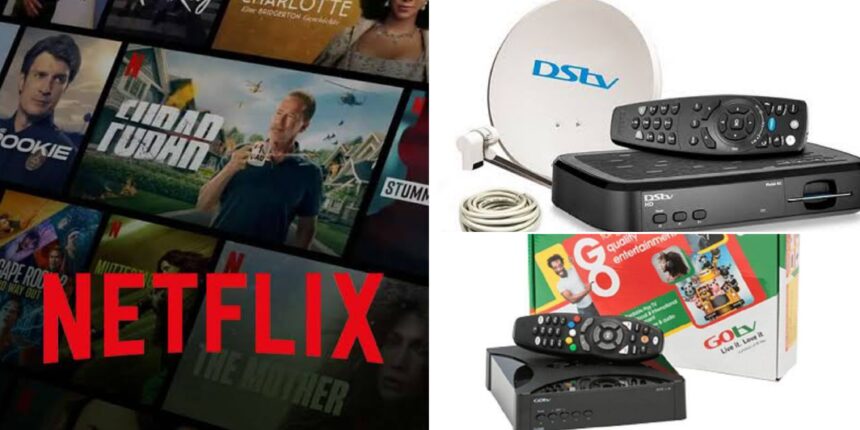
Television has changed dramatically over the past 2 decades, transforming from fixed broadcast schedules to streaming platforms that allow viewers to choose what they want to watch at any time. That freedom helped companies like Netflix become household names across the world, giving audiences access to thousands of movies, series, documentaries, and original productions with just a few clicks.
Fresh reports now suggest another major chapter could be unfolding, one that may gradually blur the line between traditional television and modern streaming. The company is exploring ideas that could redefine how millions of subscribers spend their time on the platform, creating fresh conversations about the future of entertainment while placing established pay television providers under increasing pressure.
Changing entertainment landscape
Netflix began as a company built around giving viewers complete control over what they watched. Rather than waiting for scheduled broadcasts, subscribers could start a movie, pause it, continue later, or binge watch an entire series without interruption. That model transformed global entertainment and encouraged millions of households to embrace streaming services.
Success inspired intense competition across the entertainment industry. Major companies introduced their own streaming platforms, giving audiences more choices than ever before. Disney launched Disney Plus, Warner Bros expanded HBO Max, Amazon strengthened Prime Video, while free streaming platforms such as Pluto TV and Tubi attracted viewers looking for entertainment without monthly subscription fees.
Competition has continued to grow because every platform wants more subscribers, stronger viewing figures, and greater advertising revenue. As audiences divide their attention among several services, companies are constantly searching for new ideas that encourage people to remain active on their platforms for longer periods.
Recent reports indicate Netflix has observed changes in viewer behaviour, with engagement becoming an important focus for the company’s long term strategy. Maintaining strong engagement helps reduce subscriber cancellations while increasing opportunities for advertising and future business growth.
Why Netflix is exploring fresh ideas
Streaming companies operate in a rapidly changing environment where audience preferences evolve almost every year. New technologies, changing viewing habits, and increasing competition require companies to keep improving their services if they want to remain industry leaders.
Netflix has invested billions of dollars in producing original films, television series, documentaries, comedy specials, and international productions. Many of these programmes have achieved worldwide success, helping the company maintain its position as one of the largest streaming services.
Despite those achievements, executives continue looking for ways to increase the amount of time subscribers spend watching content. Longer viewing sessions generally strengthen customer loyalty while creating additional opportunities for premium advertising where applicable.
Rather than depending entirely on viewers choosing titles individually, reports suggest Netflix is considering features that create a more continuous viewing experience similar to traditional television.
Vision for 24 7 television channels
One of the most discussed proposals involves introducing dedicated television style channels that stream content throughout the day without requiring viewers to choose individual programmes every time they open the application.
Instead of scrolling through hundreds of titles before making a decision, subscribers could simply enter a channel already broadcasting entertainment around the clock.
Reports suggest possible categories could include action films, comedy programmes, reality television, children’s entertainment, documentaries, and similar themed channels that operate continuously throughout each day.
This approach mirrors the experience many viewers have enjoyed for decades through conventional television, where content continues regardless of whether someone joins at the beginning or halfway through a programme.
Such channels could appeal to subscribers who sometimes spend more time searching for content than actually watching it, providing a simpler viewing experience for those who prefer instant entertainment.
Returning to scheduled viewing
Streaming originally became popular because it removed fixed schedules from television viewing. Ironically, many entertainment companies have recently discovered that scheduled programming still holds value for certain audiences.
Continuous channels encourage viewers to remain connected because another programme automatically begins after the previous one finishes. Rather than making repeated decisions about what to watch next, subscribers can simply continue watching.
Scheduled viewing can also create shared experiences among audiences because many people watch the same programme at the same time. That element has traditionally helped television create national conversations around popular events, dramas, and entertainment shows.
Netflix appears interested in combining the convenience of streaming with the familiarity of scheduled broadcasting, creating a hybrid experience that appeals to different viewing preferences.
The proposal reflects changing consumer behaviour rather than abandoning the company’s original streaming model.
Expanding live programming
Live broadcasts have become another important area of interest for Netflix over the past few years. Unlike prerecorded films and series, live events encourage audiences to watch immediately because the experience unfolds in real time.
The company has already entered this space through selected programmes including WWE Raw, National Football League Christmas games, boxing events, award ceremonies, and stand up comedy specials broadcast live to subscribers.
Each successful event has demonstrated that Netflix possesses the technical ability to deliver live programming to millions of viewers simultaneously.
Live events also provide unique commercial opportunities because audiences are less likely to postpone viewing. That characteristic makes live entertainment particularly attractive for advertisers seeking large audiences gathered at the same moment.
Reports indicate Netflix intends to continue expanding this area as part of its long term entertainment strategy.
Appeal of live entertainment
Sporting events, concerts, comedy performances, talent competitions, and major award ceremonies create excitement because viewers experience them together rather than watching days or weeks later.
Traditional television networks have benefited from live programming for decades because these broadcasts generate strong audience engagement.
Netflix’s reported interest in increasing live content reflects wider industry recognition that real time entertainment continues attracting millions of viewers despite the popularity of on demand streaming.
Successfully expanding live broadcasts could strengthen Netflix’s position within an increasingly competitive entertainment market while encouraging subscribers to spend more time using the platform.
The strategy also allows the company to diversify beyond films and television series into broader categories of entertainment that attract different audiences throughout the year.
Bundled streaming services
Another proposal receiving attention is the possibility of allowing subscribers to manage multiple streaming subscriptions through the Netflix application. Rather than opening different platforms every time they want to watch a particular programme, users could eventually access additional services from one central location. This approach would make content discovery easier while reducing the need to move constantly between several applications. For viewers who subscribe to multiple streaming platforms, a unified experience could save time and create a more convenient entertainment environment.
Bundled streaming has already proven successful in other markets because it simplifies subscription management. Instead of maintaining separate payment systems and different user interfaces, customers can organise their entertainment choices under one account. Reports suggest Netflix is studying similar possibilities as part of its long term expansion strategy, recognising that convenience has become one of the strongest selling points in the digital entertainment industry.
Such a system could also increase customer loyalty because subscribers would have more reasons to remain within the Netflix ecosystem. Rather than seeing the platform as only a destination for original movies and television series, users could gradually begin viewing it as a broader entertainment hub capable of connecting several services through one interface.
Although these discussions remain at the planning stage, they demonstrate how streaming companies are thinking beyond traditional video libraries. Competition is no longer focused only on producing popular films or series. Convenience, accessibility, and user experience have become equally important in attracting and retaining subscribers.
Local television partnerships
Reports also indicate that Netflix is examining partnerships with established broadcasters in different countries. One notable example is its agreement with the French broadcaster TF1, which allows selected live television programming to become available through Netflix. This arrangement shows how streaming services and traditional broadcasters can cooperate instead of competing directly.
Local partnerships could become an effective way for Netflix to strengthen its position without building every service from the beginning. By working with broadcasters that already possess strong audiences, established programming, and local expertise, the company could expand its offerings more quickly while adapting to regional viewing habits.
Every country has unique entertainment preferences shaped by language, culture, sports, and local news. Partnerships with domestic broadcasters could therefore help Netflix deliver content that feels more relevant to audiences in different parts of the world.
Whether similar agreements emerge in Africa or other regions remains uncertain, but the French partnership demonstrates one possible direction the company could follow if its long term strategy continues developing.
Pressure on traditional television
The possibility of continuous channels, expanded live programming, bundled subscriptions, and local partnerships naturally raises questions about traditional pay television providers. Companies such as DStv and GOtv have dominated many African markets for years by offering hundreds of television channels covering sports, entertainment, movies, documentaries, children’s programming, news, and lifestyle content.
Streaming services have already influenced viewing habits by giving audiences greater flexibility, yet traditional broadcasters continue serving millions of households because they provide experiences that streaming platforms have not fully matched.
Netflix’s reported ambitions suggest that the distinction between streaming services and conventional television may gradually become less clear. Rather than operating as completely different forms of entertainment, both models could increasingly borrow ideas from one another.
Even with these developments, replacing established television providers requires much more than introducing continuous streaming channels.
Why DStv remains competitive
DStv continues to maintain important advantages that are difficult for streaming services to replicate immediately. One of the strongest is its extensive collection of live sports rights, particularly through SuperSport, which broadcasts many of the world’s biggest football competitions and sporting events.
Sport remains one of the most valuable forms of television because supporters prefer watching matches live rather than after results have already become public. Exclusive broadcasting rights therefore remain a powerful attraction for subscribers.
Beyond sports, DStv offers hundreds of channels covering international news, African entertainment, children’s programming, educational content, documentaries, music, religion, and lifestyle programming throughout the day.
Satellite broadcasting also allows viewers to access television without depending entirely on broadband internet. This remains particularly important across many African communities where internet quality and affordability continue presenting challenges.
These strengths mean traditional pay television still occupies a significant position despite the continuing growth of streaming services.
GOtv’s position
GOtv serves a different segment of the television market by offering more affordable access to entertainment through digital terrestrial broadcasting. Many households choose GOtv because it provides a balance between price and channel variety.
The platform includes local television stations, regional entertainment, sports coverage, movies, children’s programming, and news channels that appeal to a broad audience.
Its accessibility has helped GOtv remain popular among families seeking television services without the higher costs associated with premium satellite packages.
Netflix’s reported plans could eventually increase competition for viewers, especially younger audiences who already consume large amounts of online content. However, GOtv’s affordability and simple installation process continue giving it practical advantages within many markets.
Television choices often depend not only on available content but also on household budgets, internet availability, and viewing habits developed over many years.
Sports remain a major obstacle
Perhaps the biggest challenge facing Netflix’s reported television ambitions involves live sports broadcasting. Around the world, premium sporting competitions attract enormous audiences and generate significant subscription revenue.
Football leagues, international tournaments, boxing championships, motor racing, tennis competitions, and other major sporting events continue driving television subscriptions because supporters want immediate access to live action.
Reports suggest Netflix could become a much stronger competitor if it eventually secured rights to competitions such as the English Premier League, UEFA Champions League, CAF tournaments, FIFA events, or other major sports.
Securing those rights would require substantial financial investment because sports broadcasting has become one of the most competitive sectors within global media.
Until that happens, traditional broadcasters with established sports portfolios continue holding an important competitive advantage.
African market reality
African television markets present unique conditions that differ from many regions where broadband internet is widely available. Millions of households still rely on satellite or terrestrial broadcasting because internet connections remain inconsistent or expensive.
Streaming services require stable internet access capable of delivering high quality video without interruption. Data costs also influence how frequently subscribers use online platforms.
These realities mean streaming growth across Africa depends not only on content but also on improvements in telecommunications infrastructure, broadband expansion, and affordable internet pricing.
Netflix has achieved strong recognition across many African countries through its original productions and international catalogue, yet replacing traditional television entirely would require overcoming practical challenges beyond entertainment itself.
Current conditions suggest both streaming services and conventional broadcasters will continue existing alongside one another as audiences choose the option that best fits their needs.
Nigeria’s broadband challenge
Nigeria represents one of Africa’s largest entertainment markets, making it an important country for any company hoping to expand its television business. Millions of people already subscribe to streaming platforms, while millions of others continue relying on satellite or terrestrial television because of accessibility, affordability, or convenience. This balance explains why Netflix’s reported ambitions are attracting attention across the country, even though several practical barriers remain before such plans could significantly reshape viewing habits.
Reliable broadband continues to be one of the biggest challenges facing streaming adoption. Watching high definition content for several hours each day requires stable internet connections capable of maintaining consistent speeds. While broadband availability has improved across many urban centres, numerous communities still experience slow connections, network congestion, or inconsistent service that affects video streaming quality. These conditions naturally influence how households choose to consume entertainment.
Data costs also remain an important consideration for many families. Streaming several hours of live television every day consumes large amounts of internet data, making monthly expenses much higher than traditional television subscriptions in certain situations. Unless internet becomes faster, more reliable, and considerably more affordable, satellite television will continue offering practical advantages for many viewers across Nigeria.
Younger audiences changing viewing habits
Despite these challenges, younger viewers are gradually changing the entertainment landscape through their viewing preferences. Smartphones, tablets, smart televisions, and other connected devices have made streaming far more accessible than it was several years ago. Many younger Nigerians now spend significant amounts of time watching online videos instead of following fixed television schedules.
Flexibility remains one of streaming’s strongest attractions. Rather than adjusting daily routines to match television schedules, audiences can decide when to begin, pause, or continue watching their favourite programmes. This level of control has transformed viewing habits across many parts of the world, particularly among younger generations that prefer personalised entertainment experiences.
Netflix’s reported exploration of continuous live channels could combine traditional television’s simplicity with streaming’s flexibility. Rather than forcing users to choose content immediately after opening the application, viewers could simply join a channel already showing movies, documentaries, comedy, children’s programming, or reality television. Such an approach may appeal both to existing streaming subscribers and to audiences who still enjoy the relaxed experience of conventional television.
Global streaming competition
Competition within the streaming industry has become more intense over the past several years as numerous companies invest billions of dollars in original productions, exclusive content, live sports, and international expansion. Netflix remains one of the world’s most recognised streaming brands, but maintaining that leadership requires constant innovation as rivals continue introducing new features and attracting subscribers.
Disney Plus offers major franchises with enormous international appeal. HBO Max continues expanding through premium films and acclaimed television series. Amazon Prime Video combines entertainment with broader membership benefits, while YouTube dominates user generated video across virtually every category imaginable. Free platforms supported by advertising have also attracted millions of viewers seeking entertainment without monthly subscription fees.
Facing this increasingly crowded market, Netflix’s reported plans appear designed to strengthen subscriber engagement rather than simply increase content quantity. Providing fresh viewing experiences may become just as important as releasing new movies and series in maintaining long term customer loyalty.
Could Netflix eventually become a true television platform?
Current reports suggest Netflix is exploring possibilities rather than preparing an immediate transformation into a complete television broadcaster. Even so, the company’s direction indicates that streaming services may continue expanding beyond their traditional identities.
Adding live channels, increasing live programming, introducing bundled subscriptions, and forming broadcaster partnerships could gradually transform how subscribers interact with the platform. Over time, the distinction between streaming applications and conventional television providers may become increasingly difficult to define.
Such changes would not necessarily eliminate satellite television. Instead, audiences could eventually enjoy several entertainment options serving different purposes. Some households may combine streaming subscriptions with satellite packages, while others may choose whichever service best matches their preferences, budgets, and internet access.
Entertainment markets have historically evolved through gradual adaptation rather than sudden replacement. Radio continued alongside television, while television later adapted alongside streaming. Similar patterns may continue as technology develops further.
Should DStv, GOtv be worried?
Reports surrounding Netflix’s ambitions naturally raise questions about whether established television providers should view the company as an immediate threat. Looking at current realities, there appears to be no urgent reason for panic. DStv and GOtv continue possessing valuable strengths that remain difficult for streaming platforms to match quickly, particularly their extensive sports rights, broad channel selections, and independence from broadband internet.
Nevertheless, ignoring long term developments would also be unwise. Consumer preferences continue changing as technology advances, internet access expands, and younger audiences embrace digital entertainment. Every major broadcaster understands that competition evolves constantly, making continuous innovation necessary regardless of current market leadership.
Netflix’s reported plans therefore represent growing competitive pressure rather than an immediate disruption. Traditional broadcasters still possess important advantages today, but the entertainment industry rarely remains unchanged for long. Companies that adapt successfully often strengthen their positions, while those resisting changing audience expectations may eventually face greater challenges.
Final takeaway
Netflix’s reported exploration of continuous live television style channels marks another important stage in the evolution of digital entertainment. Together with expanded live events, possible bundled subscriptions, and broadcaster partnerships, these developments suggest the company wants to become more than an on demand streaming platform.
Even with those ambitions, replacing established services such as DStv and GOtv remains a much more complex challenge than many online claims suggest. Live sports rights, local television channels, affordable internet access, and reliable broadband infrastructure continue giving traditional broadcasters meaningful advantages across many African markets.
Nigeria illustrates this balance particularly well. Streaming continues growing every year, while satellite television remains deeply established because it provides dependable access regardless of broadband limitations. Both models currently satisfy different viewing needs, making direct replacement unlikely in the immediate future.
Ultimately, Netflix’s reported strategy reflects a broader transformation taking place across global entertainment. Television is no longer defined solely by satellite dishes or scheduled broadcasting, while streaming is gradually moving beyond simple video libraries. As both industries continue borrowing ideas from one another, viewers stand to benefit from greater choice, improved convenience, and more diverse ways to enjoy entertainment in the years ahead.