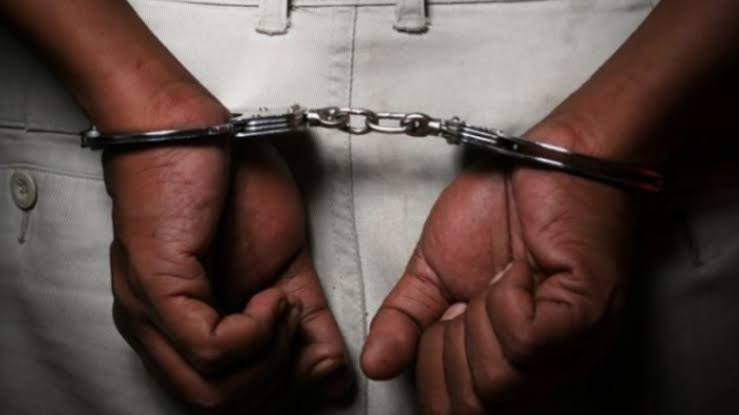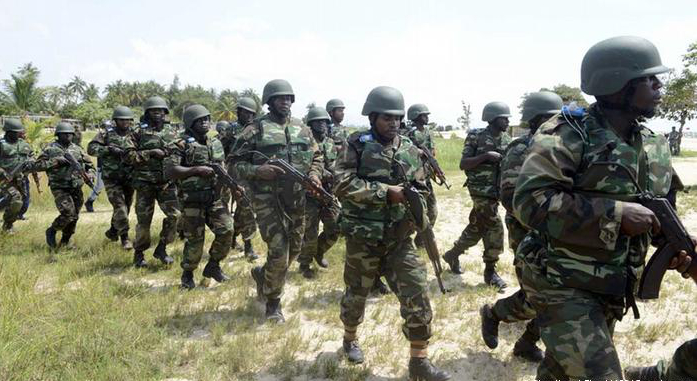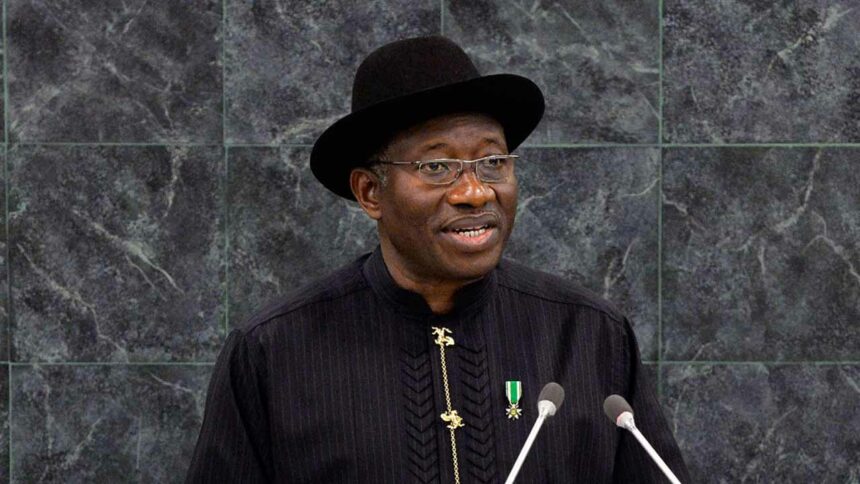
On July 18, 2012, the federal government lifted the state of emergency imposed in parts of four states following significant improvements recorded by security agencies over attacks credited to a terror group, Boko Haram.
Recall that President Jonathan in December, 2011, had declared a state of emergency in some local government areas in Borno, Yobe, Plateau and Niger states, directing security forces expanded powers to conduct raids, impose curfews and restrict movement in areas most affected by bombings and shootings.
The government, via a statement issued after a meeting of the National Security Council, said the decision was taken “in view of the improved security situation” and to allow normal civil activities to resume.
Officials noted that while the threat from Boko Haram had not been eliminated, targeted operations had degraded the group’s capacity to carry out large-scale attacks.
“The government remains committed to protecting lives and property,” the statement read. “Security agencies will continue to maintain a high level of vigilance and will respond decisively to any resurgence of violence.”
The lifting takes immediate effect, but authorities said troops and police would remain deployed in flashpoints. Residents in Maiduguri, Damaturu, Jos and parts of Niger welcomed the move, though many expressed cautious optimism.
The government urged citizens to cooperate with security agencies and report suspicious activities as normal governance resumes in the affected areas.