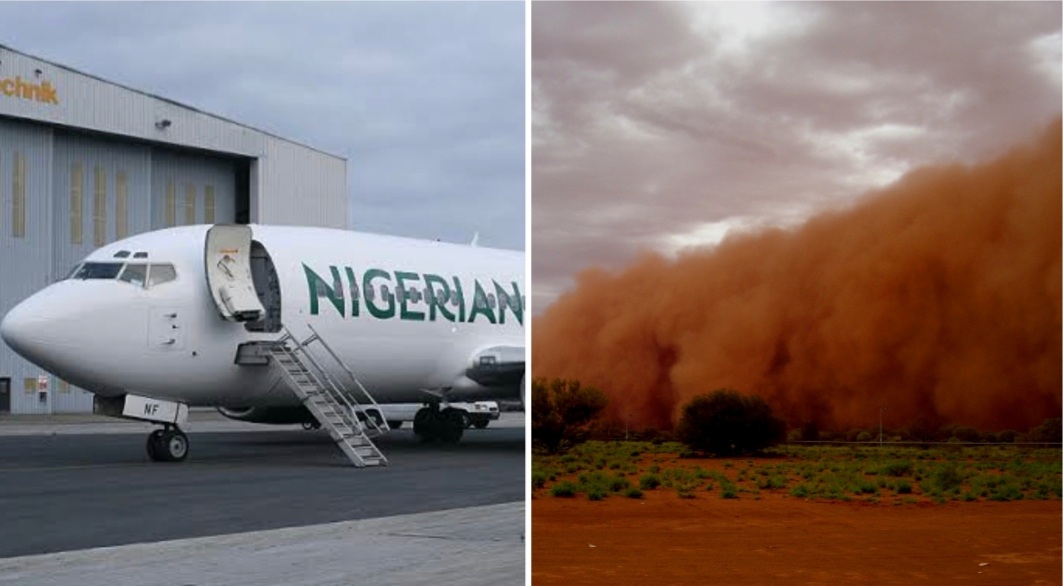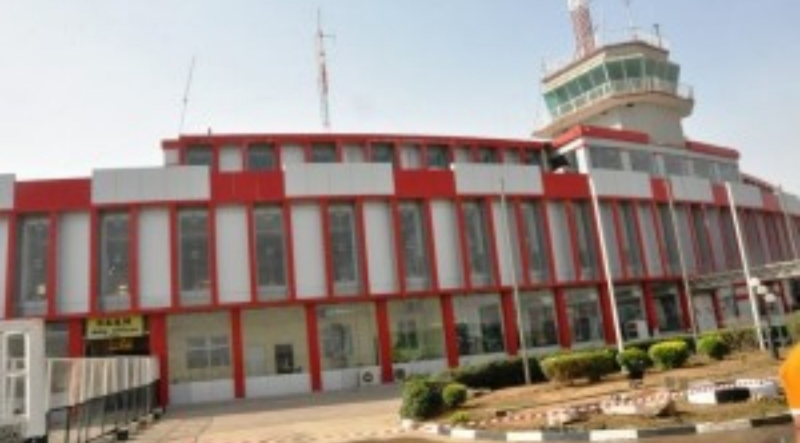
On July 20, 2014, an acutely ill air traveler from Liberia was confirmed to have Ebola virus disease after arriving at Murtala Muhammed International Airport in Lagos.
The passenger, who had traveled from Monrovia via Lomé and Accra, began showing severe symptoms during the flight and collapsed upon arrival.
He was transported to a private hospital by airport health officials and emergency responders in Lagos for isolation and testing.
Laboratory results later confirmed the patient was infected with Ebola, according to the Federal Ministry of Health.
“This is an imported case,” a ministry spokesperson said. “Immediate measures have been activated to identify all contacts and prevent further transmission.”
Health authorities placed the hospital under surveillance and began tracing passengers and crew who shared the flight, as well as airport staff who came into contact with the traveler.
Screening protocols at Lagos’ international airport were also heightened.
Officials urged the public not to panic but to report any symptoms including fever, vomiting, and bleeding to health authorities immediately.
The case represents Nigeria’s first encounter with Ebola during the 2014 outbreak, raising concerns in Africa’s most populous city of more than 20 million people.